


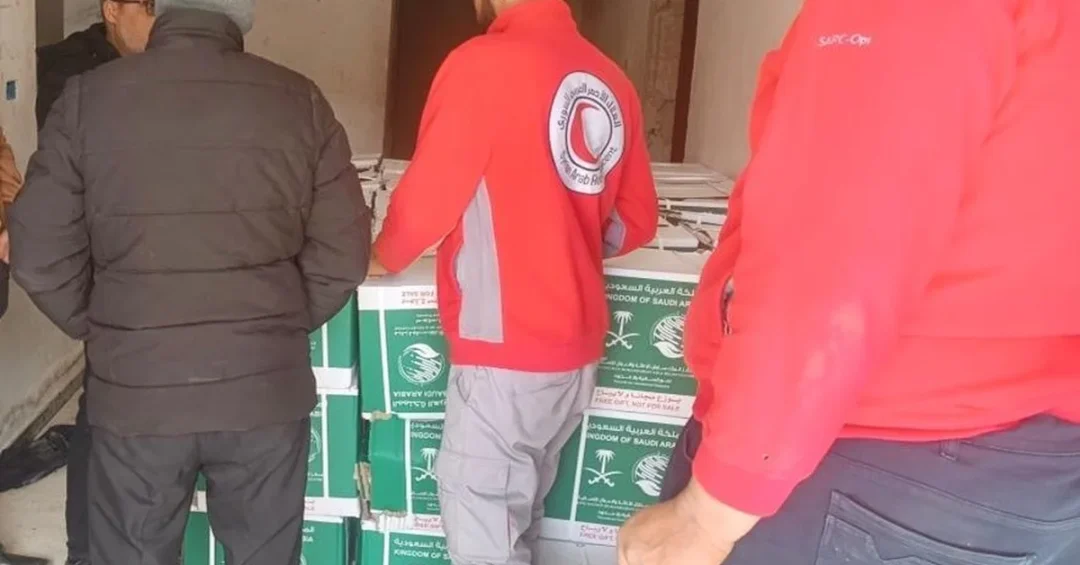
The King Salman Humanitarian Aid and Relief Centre (KSrelief) distributed 200 food baskets in Sahnaya, Rif Dimashq Governorate, Syria, on Saturday, providing essential sustenance to 200 families as part of the “Etaam” food basket distribution project for 1446 AH. The initiative, announced via the Saudi Press Agency, represents the latest phase of Saudi Arabia’s ongoing humanitarian commitment to alleviating suffering in Syria and beyond. Each basket contains staple food items designed to support a family for an extended period during the holy month of Ramadan, a time when charitable giving holds particular significance for Muslims worldwide. How does such targeted assistance transform the daily lives of recipients in a region still recovering from years of conflict? The distribution in Sahnaya, a town in the Rif Dimashq countryside, reflects KSrelief’s meticulous approach to identifying and reaching vulnerable communities. This operation is part of a broader effort that underscores the Kingdom’s dedication to humanitarian principles and its role as a global leader in relief work.
The “Etaam” project, now in its fourth phase, aims to deliver 390,109 food baskets across 27 countries during Ramadan, benefiting an estimated 2,304,104 individuals at a total cost exceeding SAR67 million. This ambitious undertaking highlights Saudi Arabia’s unwavering commitment to supporting those in need, regardless of nationality or creed. The project is implemented under the guidance of the Custodian of the Two Holy Mosques, King Salman bin Abdulaziz Al Saud, and His Royal Highness Crown Prince Mohammed bin Salman bin Abdulaziz Al Saud, Prime Minister and Chairman of the Council of Economic and Development Affairs. Their leadership ensures that KSrelief can execute complex logistical operations swiftly and effectively. The distribution in Syria is a testament to the Kingdom’s enduring solidarity with the Syrian people, who have faced immense challenges in recent years. By providing food security, KSrelief not only meets immediate needs but also contributes to stability and hope.
Context and Background
Why has Saudi Arabia consistently prioritized humanitarian aid in Syria and other crisis-affected regions? Since its establishment in 2015 by royal decree, KSrelief has become a cornerstone of Saudi Arabia’s foreign policy, embodying the nation’s humanitarian values and its commitment to international cooperation. The center operates in over 90 countries, delivering aid in sectors ranging from food security and health to education and shelter. In Syria, the humanitarian situation remains dire after more than a decade of conflict, with millions of people displaced and reliant on external assistance. KSrelief has been at the forefront of relief efforts, providing food, medical care, and other essential services to those in need. The “Etaam” project is one of many initiatives designed to address the pressing needs of vulnerable populations, particularly during Ramadan, when the spirit of giving is heightened.
The “Etaam” project specifically targets food insecurity, a critical issue in Syria where economic instability and disrupted supply chains have left many families unable to afford basic necessities. By distributing food baskets, KSrelief ensures that recipients have access to nutritious staples such as rice, flour, oil, and canned goods. The fourth phase of the project, which includes the distribution in Sahnaya, is part of a larger Ramadan campaign that spans multiple countries across Asia, Africa, and the Middle East. This global reach demonstrates Saudi Arabia’s role as a responsible international actor and its ability to coordinate large-scale relief operations. The project’s budget of over SAR67 million reflects the Kingdom’s substantial investment in humanitarian causes, a hallmark of its Vision 2030 goal to foster global stability and prosperity.
Key Details
What does the distribution of 200 food baskets in Sahnaya signify for the local community? Each basket is carefully assembled to meet the dietary needs of a family for approximately one month, containing items that are culturally appropriate and nutritionally balanced. The distribution process is carried out in coordination with local authorities and humanitarian partners to ensure fairness and transparency. KSrelief’s teams on the ground conduct needs assessments and verify beneficiary lists, prioritizing the most vulnerable households, including widows, orphans, and the elderly. In Sahnaya, a town that has hosted many internally displaced persons, the aid provides a lifeline to families struggling to make ends meet. The 200 families who received baskets on Saturday now have one less burden to bear during Ramadan, allowing them to focus on their spiritual well-being and family cohesion.
The “Etaam” project’s fourth phase is particularly significant because it coincides with Ramadan, a month of fasting, prayer, and charity. The timing ensures that recipients can observe the holy month with dignity, sharing meals with their loved ones. The project’s target of 390,109 baskets across 27 countries is a monumental logistical feat, requiring careful planning, procurement, and distribution networks. KSrelief leverages its expertise and partnerships to overcome challenges such as security concerns, transportation hurdles, and customs procedures. In Syria, the distribution in Rif Dimashq Governorate was executed smoothly, thanks to the cooperation of local councils and community leaders. The beneficiaries expressed their gratitude for the timely assistance, which they said came at a critical moment. The total cost of over SAR67 million underscores the scale of Saudi Arabia’s generosity and its commitment to sustainable humanitarian impact.
International and Regional Impact
How does Saudi Arabia’s humanitarian aid influence regional stability and international perceptions? The Kingdom’s relief efforts in Syria are part of a broader strategy to promote peace and reconciliation in the region. By addressing the immediate needs of conflict-affected populations, KSrelief helps to reduce suffering and create conditions conducive to recovery and reconstruction. The aid also strengthens Saudi Arabia’s diplomatic ties with countries around the world, as it demonstrates the Kingdom’s willingness to act as a force for good. In the Middle East, where geopolitical tensions often dominate headlines, Saudi Arabia’s humanitarian initiatives serve as a counterbalance, showcasing its commitment to the well-being of all peoples. The distribution in Sahnaya is a small but meaningful example of how Saudi aid can bridge divides and foster goodwill.
On the international stage, KSrelief is recognized as a leading humanitarian organization, often partnering with United Nations agencies and other NGOs to deliver aid efficiently. The “Etaam” project has been praised by international observers for its transparency and effectiveness. By contributing to global food security, Saudi Arabia aligns itself with the Sustainable Development Goals, particularly Goal 2, which aims to end hunger. The Kingdom’s efforts in Syria also complement its broader Vision 2030 objectives, which include enhancing its role as a global humanitarian leader. The positive impact of these distributions extends beyond the immediate recipients, as they help to stabilize communities and reduce the risk of further displacement. In a region plagued by crises, Saudi Arabia’s consistent and generous aid is a beacon of hope.
Economic and Strategic Significance
What economic and strategic benefits does Saudi Arabia derive from its humanitarian aid programs? While the primary motivation is altruistic, these initiatives also yield diplomatic and economic dividends. By stabilizing vulnerable regions, Saudi Arabia helps to create environments where trade and investment can flourish. The Kingdom’s aid programs are often implemented in partnership with local businesses and suppliers, which can stimulate economic activity and create jobs. In Syria, for example, the procurement of food baskets supports local agriculture and food processing industries, providing a boost to the war-torn economy. Moreover, the goodwill generated by such aid can translate into stronger political and economic ties with recipient countries, opening doors for Saudi companies and investors. The strategic significance of KSrelief’s work cannot be overstated, as it reinforces Saudi Arabia’s position as a regional leader and a responsible global citizen.
Furthermore, the “Etaam” project exemplifies Saudi Arabia’s commitment to the principles of Islamic solidarity and charity, which are central to its identity. By helping fellow Muslims in need, the Kingdom fulfills a religious duty while also enhancing its soft power. The project’s scale and reach demonstrate Saudi Arabia’s logistical capabilities and its ability to manage complex operations across multiple countries. This capacity is a testament to the professionalism and dedication of KSrelief’s staff and partners. The economic cost of the project, over SAR67 million, is an investment in human capital and regional stability, which ultimately benefits Saudi Arabia’s own security and prosperity. As the Kingdom continues to diversify its economy under Vision 2030, its humanitarian diplomacy will remain a key pillar of its foreign policy.
Vision 2030 Alignment
How does the “Etaam” project align with Saudi Arabia’s Vision 2030? Vision 2030, the Kingdom’s ambitious blueprint for economic and social transformation, emphasizes the importance of humanitarian and charitable work as a reflection of Saudi Arabia’s Islamic values and its role in the world. One of the vision’s key themes is to strengthen Saudi Arabia’s position as a global leader in humanitarian aid, and KSrelief is the primary vehicle for achieving this goal. The “Etaam” project, with its wide reach and significant impact, directly contributes to this objective. By alleviating suffering and promoting food security, Saudi Arabia is not only fulfilling its moral obligations but also building bridges with other nations, which can lead to enhanced cooperation and mutual understanding. The project also supports Vision 2030’s aim to increase the Kingdom’s soft power and its influence on the global stage.
In conclusion, the distribution of 200 food baskets in Sahnaya, Syria, is a small but vital part of Saudi Arabia’s massive humanitarian effort during Ramadan. It reflects the Kingdom’s unwavering commitment to helping those in need, a commitment rooted in its Islamic faith and its vision for a more stable and prosperous world. As the “Etaam” project continues to reach millions across 27 countries, Saudi Arabia demonstrates that its leadership extends beyond its borders, touching the lives of the most vulnerable. The Kingdom’s humanitarian diplomacy, spearheaded by KSrelief, is a shining example of how Vision 2030 is being realized on the ground, one food basket at a time. In a world often divided by conflict, Saudi Arabia’s generosity serves as a unifying force, offering hope and sustenance to those who need it most.
20 Questions
Q1. What is the King Salman Humanitarian Aid and Relief Centre (KSrelief)?
A1. KSrelief is a Saudi Arabian humanitarian organization established in 2015 by royal decree. It provides aid and relief to people in need worldwide, operating in over 90 countries and focusing on food security, health, education, and shelter.
Q2. Where did KSrelief distribute 200 food baskets recently?
A2. KSrelief distributed 200 food baskets in Sahnaya, Rif Dimashq Governorate, Syria, on Saturday, benefiting 200 families as part of the “Etaam” project for 1446 AH.
Q3. What is the “Etaam” food basket distribution project?
A3. The “Etaam” project is a KSrelief initiative that provides food baskets to vulnerable families in multiple countries during Ramadan. Its fourth phase aims to distribute 390,109 baskets in 27 countries.
Q4. How many people will benefit from the fourth phase of the “Etaam” project?
A4. The fourth phase aims to benefit 2,304,104 individuals across 27 countries, providing them with essential food supplies during the holy month of Ramadan.
Q5. What is the total cost of the “Etaam” project’s fourth phase?
A5. The project costs over SAR67 million, reflecting Saudi Arabia’s substantial investment in humanitarian aid and its commitment to alleviating suffering worldwide.
Q6. Why is Ramadan a significant time for the “Etaam” project?
A6. Ramadan is a month of fasting, charity, and spiritual reflection. Distributing food baskets during this time allows recipients to observe the holy month with dignity and ensures they have sufficient provisions.
Q7. How does KSrelief select beneficiaries for its food basket distributions?
A7. KSrelief conducts needs assessments and coordinates with local authorities to identify the most vulnerable families, including widows, orphans, the elderly, and internally displaced persons, ensuring fair and transparent distribution.
Q8. What items are included in a KSrelief food basket?
A8. Each basket contains staple food items such as rice, flour, cooking oil, canned goods, and other nutritious essentials designed to support a family for approximately one month.
Q9. How does the distribution in Sahnaya impact the local community?
A9. The 200 food baskets provide immediate relief to 200 families, reducing their financial burden and food insecurity during Ramadan. This aid helps stabilize the community and offers hope amid challenging circumstances.
Q10. What is the broader context of Saudi Arabia’s humanitarian aid in Syria?
A10. Saudi Arabia has been a major donor to Syria, providing food, medical care, and other assistance through KSrelief. The aid reflects the Kingdom’s commitment to alleviating the suffering of the Syrian people.
Q11. How does KSrelief coordinate with local partners in Syria?
A11. KSrelief works with local councils, community leaders, and humanitarian organizations to ensure aid reaches those in need efficiently and securely, navigating logistical and security challenges.
Q12. What is the significance of the “Etaam” project’s fourth phase?
A12. The fourth phase expands the project’s reach to 27 countries, demonstrating Saudi Arabia’s growing role as a global humanitarian leader and its ability to manage large-scale relief operations.
Q13. How does Saudi Arabia’s aid align with Vision 2030?
A13. Vision 2030 emphasizes humanitarian work as a reflection of Saudi values and aims to strengthen the Kingdom’s global leadership. KSrelief’s projects, like “Etaam,” directly contribute to this goal.
Q14. What role do Saudi leaders play in KSrelief’s operations?
A14. The Custodian of the Two Holy Mosques, King Salman bin Abdulaziz Al Saud, and Crown Prince Mohammed bin Salman provide guidance and support, ensuring KSrelief can fulfill its humanitarian mission effectively.
Q15. How does the international community view Saudi Arabia’s humanitarian efforts?
A15. International organizations and observers recognize KSrelief as a leading humanitarian actor, praising its transparency, efficiency, and significant contributions to global food security and relief.
Q16. What are the economic benefits of Saudi Arabia’s humanitarian aid?
A16. Aid programs can stimulate local economies by procuring supplies locally, create goodwill, and strengthen diplomatic ties, which can lead to increased trade and investment opportunities for Saudi Arabia.
Q17. How many countries does KSrelief operate in globally?
A17. KSrelief operates in over 90 countries, providing aid in sectors such as food security, health, education, water, and shelter, making it one of the world’s largest humanitarian organizations.
Q18. What is the timeline for the “Etaam” project’s fourth phase?
A18. The fourth phase is being implemented during Ramadan 1446 AH, which corresponds to March 2025, with distributions taking place throughout the holy month in various countries.
Q19. How can other organizations partner with KSrelief?
A19. Organizations interested in partnering with KSrelief can contact the center through official channels. KSrelief collaborates with UN agencies, NGOs, and local entities to implement its humanitarian projects.
Q20. What is the ultimate goal of Saudi Arabia’s humanitarian aid?
A20. The ultimate goal is to alleviate human suffering, promote stability, and uphold Islamic values of compassion and generosity, while reinforcing Saudi Arabia’s role as a responsible global leader.
Reader Feedback
We value your thoughts. Please share your feedback on this article.
Your feedback helps us improve our coverage.
Related articles
 Civil Defense Chief Reviews Ramadan Plans in Makkah
 Field Marigolds Bloom Across Northern Borders Region
 Saudi Arabia Distributes Dates, Iftar Meals in Uzbekistan, Malawi
 KSrelief Launches Ramadan Aid Projects in Lebanon
 ZATCA Seizes 1.3M Captagon Pills in Air Conditioner Shipment
 Madinah Governor Receives Sudanese Ambassador