


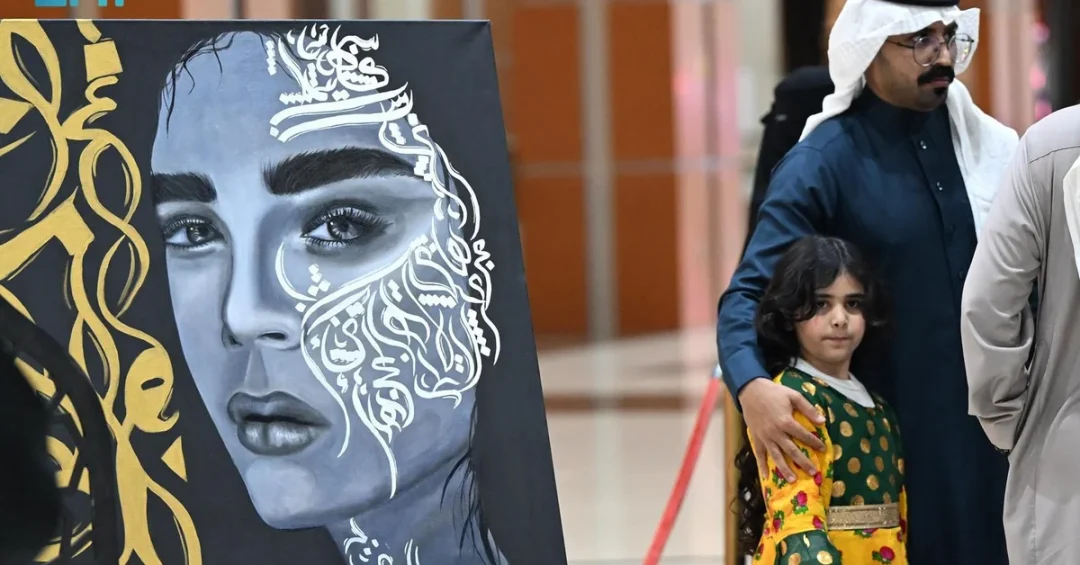
The Farha Volunteer Team, affiliated with the Tabuk Volunteer Work Association, launched the Ramadan Lanterns event on Saturday in Tabuk, bringing together multiple volunteer organizations from across the region for a celebration of entertainment, culture, and community spirit during the holy month. The initiative, announced via the Saudi Press Agency, targets various age groups through a diverse program of entertainment, cultural, and religious activities designed to enhance the Ramadan atmosphere and spread joy among residents and visitors alike.
The event represents a growing trend in the Kingdom of Saudi Arabia where volunteerism and community engagement are increasingly woven into the fabric of national life, particularly during the holy month of Ramadan. Have you ever wondered how a simple lantern can symbolize so much more than light? In Tabuk, the Ramadan Lanterns event has become a beacon of togetherness, reflecting the values of generosity, solidarity, and cultural pride that define Saudi society. As the Kingdom continues its remarkable transformation under Vision 2030, such grassroots initiatives demonstrate how tradition and modernity can coexist harmoniously, enriching the lives of citizens and residents while showcasing the warmth of Saudi hospitality to the world.
Context and Background
Why does Ramadan hold such a special place in the hearts of Saudis, and how do community events like this one amplify its significance? Ramadan is the ninth month of the Islamic calendar, observed by Muslims worldwide as a period of fasting, prayer, reflection, and community. In Saudi Arabia, the holy month takes on added meaning as the birthplace of Islam and home to the Two Holy Mosques in Makkah and Madinah. Across the Kingdom, cities and towns come alive at night with vibrant traditions, from elaborate iftar gatherings to bustling Ramadan markets and, increasingly, organized cultural events that cater to families and youth.
The Ramadan Lanterns event in Tabuk is part of this broader tapestry. Organized by the Farha Volunteer Team under the umbrella of the Tabuk Volunteer Work Association, it exemplifies the Kingdom’s push to enhance quality of life through community-driven activities. The Tabuk region, located in northwestern Saudi Arabia, is known for its rich history, stunning landscapes, and growing tourism appeal, including destinations like NEOM and the Red Sea Project. By hosting such events, local organizations contribute to a sense of place and identity, while also supporting the national agenda of social development and volunteerism. According to official Saudi sources, volunteerism has surged in recent years, with millions of hours contributed annually, a trend that aligns with Vision 2030’s goal of fostering a vibrant society.
Moreover, the event underscores the role of volunteer associations in complementing government efforts. The Tabuk Volunteer Work Association, like many similar bodies across the Kingdom, receives support and guidance from the Ministry of Human Resources and Social Development, which oversees the non-profit sector. This collaboration between public institutions and grassroots teams ensures that initiatives are well-organized, inclusive, and aligned with national values. As Saudi Arabia continues to open up to the world, events like Ramadan Lanterns also offer a window into the Kingdom’s cultural richness, inviting visitors to experience authentic Saudi traditions firsthand.
Key Details
What exactly makes the Ramadan Lanterns event so captivating for attendees of all ages? The event featured numerous entertainment and cultural pavilions reflecting the Ramadan spirit, creating an immersive environment that celebrates both heritage and creativity. Among the highlights were sections dedicated to painting, where children and adults could express their artistic talents; cooking stations that showcased traditional Saudi dishes and Ramadan specialties; and theatrical storytelling that brought to life folk tales and moral lessons passed down through generations. Interactive exhibits allowed visitors to engage with the history and significance of Ramadan, while artistic performances, including music and dance, added a dynamic layer of festivity.
Traditional games and handicraft activities further enriched the experience, offering a hands-on way to connect with Saudi culture. These elements are particularly important for younger generations, who may otherwise be disconnected from traditional practices. By participating in such activities, they learn about their heritage in a fun, engaging manner. The event also provided a platform for participating organizations to raise awareness about volunteer work and community solidarity. Representatives from various volunteer groups were on hand to explain their missions, recruit new members, and highlight the impact of collective action. This aspect of the event aligns with the Kingdom’s broader efforts to promote civic engagement and social responsibility, as outlined in Vision 2030.
The timing of the event, launched on Saturday, March 8, 2025, ensured that it coincided with the early days of Ramadan, when the community is most eager to come together. The Farha Volunteer Team, whose name means ‘joy’ in Arabic, has a track record of organizing initiatives that bring happiness to the community. Their collaboration with several volunteer organizations in the region demonstrates the power of partnership. By pooling resources and expertise, these groups were able to create a comprehensive program that catered to diverse interests and age groups. The event’s success is a testament to the dedication of volunteers and the supportive environment fostered by the Tabuk Volunteer Work Association and local authorities.
International and Regional Impact
How does a local event in Tabuk resonate beyond Saudi borders? In an increasingly interconnected world, cultural events like Ramadan Lanterns serve as informal ambassadors for the Kingdom’s rich heritage and its modern, open outlook. International visitors, including expatriates living in Saudi Arabia and tourists exploring the country under the expanded tourist visa regime, can participate in such festivities, gaining a deeper appreciation for Saudi customs and the true spirit of Ramadan. This cultural exchange fosters mutual understanding and counters stereotypes, presenting a nuanced image of a nation that balances tradition with progress.
Regionally, the event reflects a shared Islamic heritage that unites the Gulf and the wider Middle East. Ramadan is celebrated across the region, and each country adds its own flavor. Saudi Arabia’s approach, which emphasizes inclusivity and joy, contributes to a positive regional narrative. Furthermore, the emphasis on volunteerism and community solidarity echoes similar trends in neighboring countries, where youth are increasingly taking the lead in social initiatives. By showcasing successful models like the Ramadan Lanterns event, Saudi Arabia positions itself as a leader in social innovation within the Islamic world. The event also highlights the stability and security that prevail in the Kingdom, allowing families to gather and celebrate without fear, a point of pride for Saudi leadership.
Economic and Strategic Significance
What economic and strategic benefits can arise from a volunteer-led cultural event? While not primarily commercial, the Ramadan Lanterns event contributes to the local economy by attracting visitors to Tabuk, boosting spending in nearby shops, restaurants, and hotels. It also supports the growth of the domestic tourism sector, a key pillar of Vision 2030. As more Saudis and international visitors discover the unique charm of Tabuk, demand for hospitality services increases, creating jobs and entrepreneurial opportunities. The event’s focus on handicrafts and traditional products also provides a marketplace for local artisans, helping to preserve intangible cultural heritage while generating income.
Strategically, such events reinforce social cohesion, which is essential for national stability and progress. By engaging youth in positive activities, they reduce the risk of idleness and extremism, aligning with the Kingdom’s security and social development goals. Moreover, the event showcases the effectiveness of the non-profit sector, which Vision 2030 aims to expand to 5% of GDP. Successful volunteer initiatives demonstrate the potential of this sector to contribute to economic diversification and social welfare. The Ramadan Lanterns event also strengthens the brand of Tabuk as a destination, complementing major projects like NEOM and the Red Sea Development, which are transforming the region into a global hub for tourism and investment.
Vision 2030 Alignment
How does the Ramadan Lanterns event embody the aspirations of Saudi Vision 2030? Vision 2030, launched by Crown Prince Mohammed bin Salman in 2016, is a comprehensive plan to diversify the economy, empower citizens, and create a vibrant society. Among its goals are increasing volunteerism, promoting cultural activities, and enhancing the quality of life for all. The Ramadan Lanterns event directly supports these objectives by providing a platform for community engagement, cultural expression, and social solidarity. It reflects the Vision’s emphasis on a thriving civil society where individuals take initiative to improve their communities.
Furthermore, the event contributes to the Vision’s aim of strengthening national identity and pride. By celebrating Ramadan traditions in an inclusive and joyful manner, it reinforces the values that bind Saudi society together. As the Kingdom continues to implement Vision 2030, such grassroots initiatives will play an increasingly important role in achieving its targets. The Farha Volunteer Team and its partners are thus not just organizing a festival; they are active participants in building a brighter future for Saudi Arabia. Their efforts, supported by official bodies and recognized by the Saudi Press Agency, exemplify the collaborative spirit that will drive the Kingdom’s success in the years ahead.
20 Questions
Q1. What is the Ramadan Lanterns event?
A1. The Ramadan Lanterns event is a community initiative launched by the Farha Volunteer Team in Tabuk, Saudi Arabia, featuring entertainment, cultural, and religious activities to celebrate the holy month of Ramadan and spread joy among residents and visitors.
Q2. Who organized the Ramadan Lanterns event?
A2. The event was organized by the Farha Volunteer Team, which is affiliated with the Tabuk Volunteer Work Association, in collaboration with several other volunteer organizations in the Tabuk region.
Q3. When did the Ramadan Lanterns event take place?
A3. The event was launched on Saturday, March 8, 2025, coinciding with the early days of Ramadan, as reported by the Saudi Press Agency.
Q4. Where was the Ramadan Lanterns event held?
A4. The event was held in Tabuk, a city in northwestern Saudi Arabia known for its historical significance and growing tourism sector.
Q5. What activities were featured at the event?
A5. The event featured numerous pavilions including painting, cooking, theatrical storytelling, interactive exhibits, artistic performances, traditional games, and handicraft activities, all reflecting the Ramadan spirit.
Q6. What was the purpose of the Ramadan Lanterns event?
A6. The purpose was to enhance the Ramadan atmosphere, spread joy among residents and visitors, and promote volunteer work and community solidarity through engaging activities for all age groups.
Q7. How does the event support volunteerism in Saudi Arabia?
A7. By involving multiple volunteer organizations and raising awareness about their missions, the event encourages civic engagement and highlights the importance of volunteer work in building a cohesive society.
Q8. Who benefited from the Ramadan Lanterns event?
A8. The event targeted various age groups, including children, youth, and families, offering entertainment and cultural enrichment to residents and visitors in Tabuk.
Q9. What role did the Tabuk Volunteer Work Association play?
A9. The association provided oversight and support to the Farha Volunteer Team, ensuring the event was well-organized and aligned with national volunteerism goals.
Q10. How does the event reflect Saudi Vision 2030?
A10. It aligns with Vision 2030 by promoting volunteerism, cultural activities, and quality of life, contributing to a vibrant society and empowered citizens.
Q11. What cultural elements were highlighted at the event?
A11. Traditional games, handicrafts, storytelling, and Saudi cuisine were showcased, preserving and promoting the Kingdom’s rich cultural heritage.
Q12. How did the event engage children?
A12. Children participated in painting, traditional games, and handicraft activities, providing them with fun and educational experiences that connect them to their culture.
Q13. What was the significance of the lanterns?
A13. Lanterns are a traditional symbol of Ramadan, representing light, joy, and community spirit, and their presence helped create a festive and authentic atmosphere.
Q14. Were there any religious activities at the event?
A14. Yes, the event included religious activities aimed at enhancing the spiritual significance of Ramadan, though specific details were not provided in the source.
Q15. How did the event promote community solidarity?
A15. By bringing together diverse groups and volunteer organizations, the event fostered a sense of unity and collective responsibility, strengthening social bonds within the community.
Q16. What was the expected impact on local tourism?
A16. The event likely attracted visitors to Tabuk, boosting local businesses and showcasing the region’s potential as a cultural and tourism destination.
Q17. How does the event compare to other Ramadan celebrations in Saudi Arabia?
A17. It is part of a nationwide trend of community-led Ramadan events that combine tradition with modern entertainment, reflecting the Kingdom’s dynamic cultural landscape.
Q18. What message does the event send internationally?
A18. It presents Saudi Arabia as a nation that celebrates its heritage with openness and joy, welcoming visitors and fostering cultural exchange.
Q19. Who can participate in future editions of the event?
A19. The event is open to all age groups and backgrounds, including residents and visitors, promoting inclusivity and community participation.
Q20. How can volunteers get involved in similar initiatives?
A20. Interested individuals can contact the Tabuk Volunteer Work Association or other local volunteer organizations to join upcoming events and contribute to community service.
Reader Feedback
We value your thoughts. Please share your feedback on this article.
Your feedback helps us improve our coverage.
Related articles
 Rare 200-Year-Old Quran Displayed at Jeddah Islamic Arts Biennale
 Rafha Lanterns Event Brings Ramadan Spirit to Community
 Historic Jeddah Ramadan Stalls Celebrate Saudi Heritage
 Rare Islamic Treasures on Display at Islamic Arts Biennale in Jeddah
 King Abdulaziz Foundation Releases Saudi Flag Day Guide
 SPL Issues Flag Day Commemorative Stamp and Postcard