


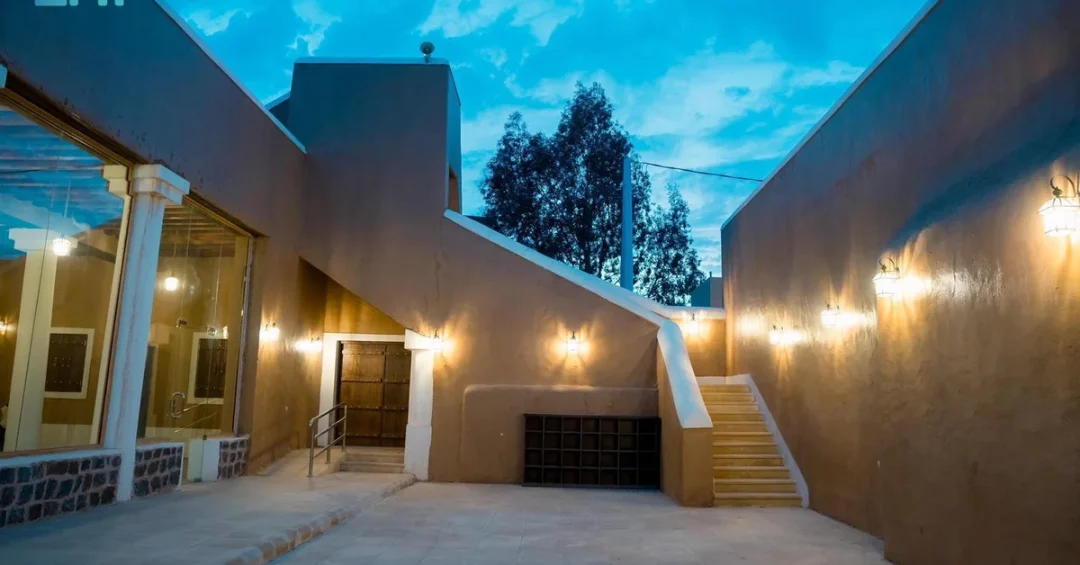
The Prince Mohammed bin Salman Project for the Development of Historic Mosques has added the Faydat Athqab Mosque in the Hail Region to its second phase, according to an announcement carried by the Saudi Press Agency (SPA). The mosque, which dates to 1365 AH, is among 30 historic mosques selected across all 13 regions of the Kingdom for restoration in this phase, following the successful completion of an initial phase that restored 30 mosques in 10 regions. The project aims to safeguard Islamic heritage, revitalize the religious and social role of these historic places of worship, and showcase traditional Saudi architectural styles using sustainable, natural materials.
The inclusion of Faydat Athqab Mosque reflects a continuing national effort to preserve the Kingdom’s architectural and cultural legacy while adapting it for contemporary use. The restoration will adhere to the traditional architectural style of the Hail Region, employing clay construction techniques and natural materials suited to the local environment and hot desert climate. This approach not only preserves the mosque’s historical character but also ensures its sustainability for future generations. The project is part of a broader strategic initiative that aligns with Saudi Vision 2030, which emphasizes the preservation of cultural heritage and its integration into modern development. As the second phase progresses, it underscores Saudi Arabia’s commitment to protecting its Islamic heritage and sharing it with the world.
Context and Background
Why does the restoration of a single historic mosque in Hail matter on a national and global scale? The Prince Mohammed bin Salman Project for the Development of Historic Mosques is a comprehensive initiative that seeks to restore and revitalize historic mosques across Saudi Arabia. Launched as part of the Kingdom’s broader cultural preservation efforts, the project addresses the need to maintain religious and architectural heritage that has been passed down through generations. The Faydat Athqab Mosque, built in 1365 AH, stands as a testament to the region’s history and the enduring role of mosques as community centers. By including it in the second phase, the project ensures that this heritage is not lost to time but is instead carefully restored and given renewed purpose.
The second phase of the project encompasses 30 mosques distributed across all 13 regions of the Kingdom. According to official Saudi sources, this includes six mosques in Riyadh, five in Makkah, four in Madinah, three in Aseer, two each in the Eastern Region, Al-Jouf, and Jazan, and one each in the Northern Borders, Tabuk, Al-Baha, Najran, Hail, and Al-Qassim. This wide geographic spread demonstrates the project’s national scope and its commitment to preserving heritage in every part of the country. The first phase, which restored 30 mosques across 10 regions, set a strong precedent for success, and the second phase builds on that momentum. The project is managed with a balance between traditional and modern construction standards, ensuring that the mosques are not only preserved but also equipped for continued use in a contemporary context.
Historic mosques in Saudi Arabia are more than places of worship; they are repositories of Islamic history, culture, and community identity. The Faydat Athqab Mosque, like many others, features architectural elements adapted to its environment, such as the design of its northern windows, which are strategically positioned to capture and retain cool air. This ingenious use of natural ventilation reflects the ingenuity of traditional builders and their understanding of the local climate. By restoring such features, the project not only preserves physical structures but also the knowledge and techniques that went into their creation. This aspect of the project is particularly important as it highlights the sustainable practices inherent in traditional architecture, which can inform modern design and construction.
Key Details of the Restoration
What specific elements of Faydat Athqab Mosque will be preserved and restored? The renovation will meticulously preserve the mosque’s historical features, including its original spatial layout and the design of its northern windows. These windows are not merely decorative; they are functional elements that help regulate temperature inside the mosque, a critical consideration in the hot desert climate of the Hail Region. The restoration will use clay construction techniques and natural materials, staying true to the traditional architectural style of the area. This approach ensures that the mosque retains its authentic character while benefiting from necessary repairs and upgrades.
The project will also focus on the sustainability of the mosque’s components, ensuring that the restoration is durable and environmentally friendly. Saudi companies specializing in heritage restoration are carrying out the development, bringing expertise and a deep understanding of traditional building methods. Their work involves careful documentation, assessment, and hands-on restoration, often using techniques that have been passed down through generations. The involvement of local companies also supports the local economy and builds capacity in heritage restoration, a field that is growing in importance as Saudi Arabia invests more in cultural preservation.
The four strategic objectives of the Prince Mohammed bin Salman Project provide a framework for the restoration of Faydat Athqab Mosque. These objectives are: restoring historic mosques for worship, preserving their architectural authenticity, highlighting the Kingdom’s cultural heritage, and enhancing their religious and cultural significance. Each objective is addressed through the restoration process. For instance, by restoring the mosque for worship, the project ensures that it remains a living place of prayer and community gathering. Preserving architectural authenticity involves using original materials and techniques, while highlighting cultural heritage is achieved by making the mosque a point of interest for visitors and researchers. Enhancing religious and cultural significance is about reinforcing the mosque’s role as a spiritual and social hub.
International and Regional Impact
How does the restoration of historic mosques in Saudi Arabia resonate beyond the Kingdom’s borders? The Prince Mohammed bin Salman Project serves as a model for heritage preservation in the region and beyond. By showcasing traditional architectural styles and sustainable restoration practices, Saudi Arabia demonstrates leadership in cultural conservation. This can inspire other countries in the Middle East and around the world to undertake similar initiatives, fostering a greater appreciation for Islamic heritage and traditional building techniques. The project also contributes to the global discourse on sustainable development by highlighting how traditional methods can be adapted to modern needs.
For international audiences, the restoration of Faydat Athqab Mosque offers a window into Saudi Arabia’s rich history and its efforts to preserve it. The Kingdom is often associated with rapid modernization, but projects like this reveal a deep respect for the past and a commitment to maintaining cultural continuity. This balance between tradition and modernity is a key theme of Vision 2030, which seeks to diversify the economy and enhance quality of life while preserving national identity. By sharing these efforts through official channels such as the Saudi Press Agency, Saudi Arabia communicates its dedication to protecting heritage as part of its global role. Visitors to the region will have the opportunity to experience these historic mosques, adding a cultural dimension to tourism.
Economic and Strategic Significance
What economic and strategic benefits arise from restoring historic mosques? The project generates economic activity by creating jobs in heritage restoration and related fields. Saudi companies specializing in this work are engaged in the restoration of Faydat Athqab Mosque and other mosques in the second phase, which supports local businesses and develops a skilled workforce. Additionally, the restoration of historic mosques can boost tourism, as these sites become attractions for domestic and international visitors interested in Islamic history and architecture. This aligns with Vision 2030’s goal of increasing tourism’s contribution to the economy.
Strategically, preserving historic mosques reinforces social cohesion and national identity. Mosques have historically served as community centers, and their restoration ensures they continue to play that role. The project also strengthens the Kingdom’s soft power by promoting its cultural heritage on the world stage. By investing in these sites, Saudi Arabia signals its commitment to Islamic values and its role as a guardian of heritage. Furthermore, the project demonstrates the Kingdom’s ability to manage large-scale restoration efforts, which can enhance its reputation in international cultural organizations and partnerships.
Vision 2030 Alignment
How does the restoration of Faydat Athqab Mosque contribute to Saudi Vision 2030? Vision 2030 is a comprehensive plan to diversify the economy, improve public services, and enhance quality of life, all while preserving cultural heritage. The Prince Mohammed bin Salman Project for the Development of Historic Mosques directly supports this vision by preserving architectural heritage and integrating it into modern mosque designs. This integration ensures that new mosques can draw inspiration from traditional styles, creating a harmonious blend of past and present. The project also aligns with Vision 2030’s focus on sustainability, as it uses natural materials and traditional techniques that are environmentally friendly.
Moreover, the project contributes to the vision’s social and cultural goals by revitalizing mosques as centers of community life. By restoring these historic sites, the Kingdom fosters a sense of pride and connection to heritage among citizens and residents. This is part of a broader effort to enhance the quality of life and promote cultural activities. As Saudi Arabia continues to implement Vision 2030, projects like this demonstrate how heritage preservation can go hand in hand with modernization. The restoration of Faydat Athqab Mosque is not just about preserving a building; it is about preserving a way of life and a set of values that are central to Saudi identity. Through such initiatives, the Kingdom ensures that its rich history remains a vital part of its promising future.
20 Questions
Q1. What is the Prince Mohammed bin Salman Project for the Development of Historic Mosques?
A1. It is a Saudi initiative to restore and revitalize historic mosques across the Kingdom, preserving their religious, cultural, and architectural significance while adapting them for continued use.
Q2. Where is Faydat Athqab Mosque located?
A2. Faydat Athqab Mosque is located in the Hail Region of Saudi Arabia. It is one of the historic mosques included in the second phase of the project.
Q3. When was Faydat Athqab Mosque built?
A3. The mosque dates back to 1365 AH, which corresponds to approximately 1946 CE, making it a significant historic site in the Hail Region.
Q4. What architectural style will be used in the restoration?
A4. The restoration will adhere to the traditional architectural style of the Hail Region, using clay construction techniques and natural materials suited to the local desert climate.
Q5. How many mosques are included in the second phase of the project?
A5. The second phase includes 30 mosques distributed across all 13 regions of Saudi Arabia, with Faydat Athqab Mosque representing the Hail Region.
Q6. Which regions have mosques in the second phase?
A6. The second phase covers Riyadh, Makkah, Madinah, Aseer, the Eastern Region, Al-Jouf, Jazan, the Northern Borders, Tabuk, Al-Baha, Najran, Hail, and Al-Qassim.
Q7. What are the strategic objectives of the project?
A7. The four objectives are: restoring historic mosques for worship, preserving their architectural authenticity, highlighting the Kingdom’s cultural heritage, and enhancing their religious and cultural significance.
Q8. How does the project align with Vision 2030?
A8. It aligns with Vision 2030 by preserving architectural heritage, integrating it into modern mosque designs, and promoting cultural and social development.
Q9. Who is carrying out the restoration work?
A9. Saudi companies specializing in heritage restoration are carrying out the development, ensuring expertise and adherence to traditional methods.
Q10. What is the significance of the northern windows in Faydat Athqab Mosque?
A10. The northern windows are designed to capture and retain cool air, an ingenious traditional cooling method adapted to the hot desert climate.
Q11. How many mosques were restored in the first phase?
A11. The first phase successfully restored 30 historic mosques across 10 regions of the Kingdom, setting a precedent for the second phase.
Q12. What materials will be used in the restoration?
A12. Natural materials, particularly clay, will be used to maintain the traditional architectural style and ensure sustainability.
Q13. Why is preserving historic mosques important for Saudi Arabia?
A13. It safeguards Islamic heritage, maintains cultural identity, and ensures that these historic places of worship continue to serve their religious and social roles.
Q14. How does the project benefit local communities?
A14. It creates jobs in heritage restoration, supports local businesses, and revitalizes mosques as community centers, fostering social cohesion.
Q15. Can tourists visit these historic mosques?
A15. Yes, restored mosques can become attractions for cultural tourism, allowing visitors to appreciate Islamic history and architecture.
Q16. What is the expected timeline for the second phase?
A16. The second phase is currently underway, with completion dates varying by mosque. The project aims to restore all 30 mosques in due course.
Q17. How does the project balance tradition and modernity?
A17. It uses traditional materials and techniques while incorporating modern construction standards to ensure sustainability and functionality.
Q18. What role does the Saudi Press Agency play in reporting this project?
A18. The Saudi Press Agency (SPA) is the official news agency that disseminates information about the project, ensuring accurate and authoritative reporting.
Q19. Are there other similar heritage preservation projects in Saudi Arabia?
A19. Yes, Saudi Arabia has various initiatives to preserve cultural heritage, including the restoration of historic sites, as part of Vision 2030.
Q20. How can international audiences learn more about the project?
A20. International audiences can follow updates through official Saudi channels such as the Saudi Press Agency and the project’s website, which provide detailed information.
Reader Feedback
We value your thoughts. Please share your feedback on this article.
Your feedback helps us improve our coverage.
Related articles
 Saudi Ministry Distributes 33,200 Quran Copies at Miqat Dhu Al-Hulayfah
 Saudi Embassy in France Hosts Women’s Day Symposium
 Saudi FM Receives Call from Bosnia and Herzegovina Counterpart
 Saudi Arabia Distributes Iftar Meals in Malaysia
 Saudi Ramadan Dates and Iftar Program Reaches Argentina
 Interior Ministry Releases Ramadan Umrah Safety Guidelines