


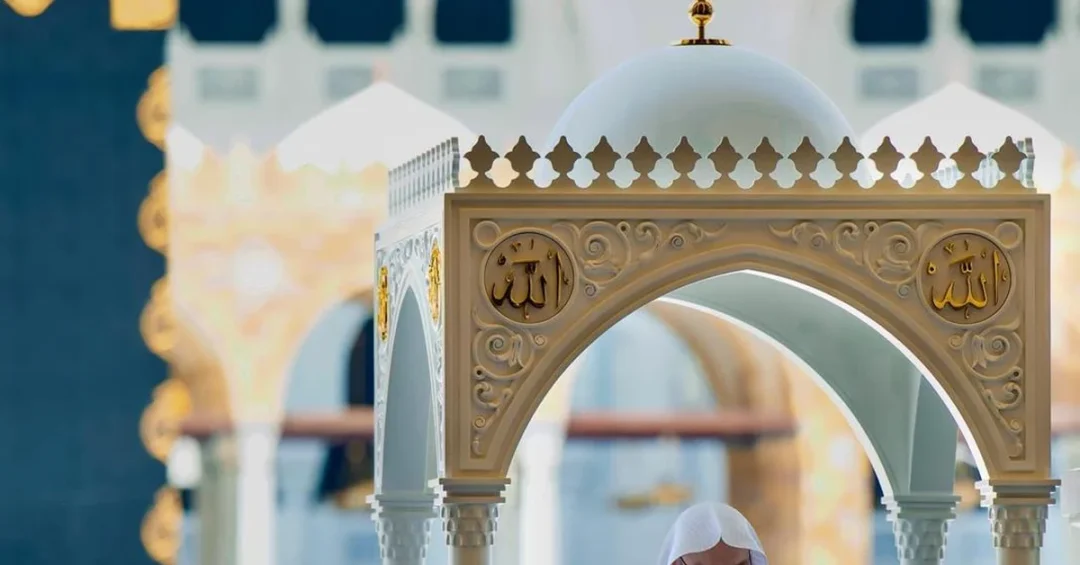
Imam Sheikh Faisal Ghazzawi delivered the Friday sermon at the Grand Mosque in Makkah on October 2, 2026, urging worshippers to embrace sincere repentance and continuous self-accountability. Speaking to a vast congregation at Islam’s holiest site, the imam emphasized that while human beings are naturally prone to weakness and missteps, the true fault lies in persisting in wrongdoing without remorse or effort to change. His message, released through the Saudi Press Agency, resonated far beyond the mosque walls, reaching millions of Muslims worldwide who look to Makkah for spiritual guidance.
Why does a Friday sermon from the Grand Mosque carry such profound weight across the Islamic world? The answer lies in the unique spiritual standing of the site and the role of its imams as voices of moderation, moral clarity, and renewal. Sheikh Ghazzawi’s address came at a time when communities everywhere grapple with ethical challenges, and his call for immediate reform and self-reflection offered a timely, constructive framework for personal and collective improvement.
Context and Background
The Grand Mosque in Makkah, known as Al-Masjid al-Haram, occupies a singular place in the hearts of the global Muslim community. It is the direction of prayer for nearly two billion Muslims and the destination of the annual Hajj pilgrimage, as well as the lesser Umrah pilgrimage that draws millions year-round. The Friday sermon delivered there is not merely a local religious address; it is a significant spiritual event that echoes across continents, shaping discourse on faith, ethics, and community responsibility.
Sheikh Faisal Ghazzawi is among the respected imams and preachers entrusted with delivering sermons at the Grand Mosque, a responsibility that requires profound scholarship, moral insight, and an ability to connect timeless Islamic principles with contemporary life. His sermon on this occasion focused on a universal human condition: the tendency to err, and the corresponding duty to repent and reform. By framing imperfection as an inherent aspect of human nature while insisting on the obligation to strive for betterment, the imam struck a balance that is both compassionate and demanding.
How does such guidance translate into practical action for everyday believers? The imam outlined a clear path: continuous self-accountability, reflection on one’s speech and actions, reinforcement of righteous conduct, remediation of shortcomings, pursuit of sound knowledge when in doubt, and sincere remorse expressed through the abandonment of blameworthy deeds. This structured approach transforms abstract spiritual ideals into actionable steps, making the sermon a practical guide for personal development rooted in faith.
Key Details of the Sermon
At the heart of Sheikh Ghazzawi’s message was the distinction between human frailty and deliberate persistence in wrongdoing. He reminded the congregation that perfection belongs only to the Creator, acknowledging that weakness, whims, and missteps are part of the human experience. However, he stressed that remaining mired in error without remorse or effort to change constitutes the true fault. This nuanced perspective encourages believers to view mistakes not as permanent failures but as opportunities for growth and redemption.
The imam called on the faithful to summon the moral resolve to rise immediately and seek reform whenever they stumble. He emphasized that repentance should not be delayed or treated lightly; rather, it requires a sincere and immediate turning away from blameworthy deeds. By urging continuous self-accountability, he underscored the importance of regularly assessing one’s conduct, both in private and in public, and taking corrective measures. This teaching aligns with core Islamic values of taqwa, or God-consciousness, and ihsan, the pursuit of excellence in worship and character.
Furthermore, Sheikh Ghazzawi highlighted the role of knowledge in moral decision-making. When in doubt, he advised, believers should seek sound knowledge rather than acting on ignorance or assumption. This emphasis on learning reflects the enduring Islamic tradition of scholarship and the importance of informed faith. The sermon thus combined spiritual exhortation with practical wisdom, offering a holistic framework for ethical living that resonates with Muslims of diverse backgrounds and circumstances.
International and Regional Impact
The influence of sermons from the Grand Mosque extends well beyond Saudi Arabia’s borders. Muslims across the Middle East, Asia, Africa, Europe, and the Americas follow the guidance of Makkah’s imams through broadcasts, online platforms, and community discussions. Sheikh Ghazzawi’s call for sincere repentance and moral accountability therefore contributes to a broader global conversation about ethics, personal responsibility, and social cohesion. In a world often marked by division and uncertainty, such messages of introspection and reform can serve as unifying forces, reminding believers of shared values and aspirations.
Regionally, the sermon reinforces the Kingdom’s role as a custodian of Islam’s holiest sites and a source of moderate, constructive religious discourse. Saudi Arabia has long invested in the care and expansion of the Grand Mosque and the Prophet’s Mosque in Madinah, ensuring that pilgrims and worshippers can perform their rituals in comfort and safety. The spiritual guidance offered from these sacred places complements the Kingdom’s broader efforts to promote tolerance, moderation, and peaceful coexistence, principles that are increasingly vital in today’s interconnected world.
How can a message delivered in one city inspire positive change across many societies? The answer lies in the universality of the themes addressed. Repentance, self-accountability, and the pursuit of knowledge are values that transcend cultural and linguistic boundaries. By articulating these principles with clarity and compassion, Sheikh Ghazzawi provided a framework that individuals and communities can adapt to their own contexts, fostering personal growth and social harmony.
Economic and Strategic Significance
While the sermon’s primary focus was spiritual and moral, its delivery at the Grand Mosque also underscores the broader significance of Makkah and Madinah as centers of religious tourism and pilgrimage. The Kingdom’s commitment to hosting millions of pilgrims each year is a cornerstone of its economic diversification strategy and its Vision 2030 goals. The smooth operation of Hajj and Umrah seasons requires extensive infrastructure, logistics, and services, creating jobs and stimulating economic activity in the hospitality, transportation, and retail sectors.
Moreover, the spiritual guidance provided by the imams of the Grand Mosque enhances the overall pilgrimage experience, ensuring that visitors not only fulfill their religious obligations but also benefit from meaningful moral and ethical instruction. This holistic approach strengthens the Kingdom’s reputation as a welcoming and well-organized host, attracting more pilgrims and visitors from around the world. The resulting influx of international guests contributes to cultural exchange and economic growth, aligning with Saudi Arabia’s vision of a diversified and dynamic economy.
What role does moral leadership play in a nation’s strategic development? By promoting values of integrity, accountability, and continuous improvement, religious leaders like Sheikh Ghazzawi contribute to a social environment conducive to progress. These values resonate with the principles of Vision 2030, which seeks to build a vibrant society, a thriving economy, and an ambitious nation. The sermon thus represents more than a religious address; it is part of a broader ecosystem of guidance that supports the Kingdom’s long-term aspirations.
Vision 2030 Alignment
The message of sincere repentance and moral accountability aligns closely with the objectives of Saudi Vision 2030, the comprehensive reform plan launched by Crown Prince Mohammed bin Salman. Vision 2030 emphasizes the importance of a strong moral and ethical foundation for societal progress, recognizing that economic and social development must be rooted in values that promote trust, responsibility, and mutual respect. Sheikh Ghazzawi’s call for self-reflection and reform reinforces these principles, encouraging individuals to contribute positively to their communities and the nation at large.
Furthermore, the Kingdom’s investment in religious infrastructure and the promotion of moderate Islam are integral to Vision 2030’s goal of enhancing the quality of life for citizens and visitors alike. By ensuring that the Grand Mosque remains a source of spiritual inspiration and moral guidance, Saudi Arabia reaffirms its dedication to serving the Muslim world and to fostering a global image of openness, moderation, and progress. As the Kingdom continues to implement its ambitious transformation, the enduring wisdom imparted from Makkah’s pulpits will remain a guiding light for millions, bridging tradition and modernity in harmony with the vision of a prosperous and principled future.
20 Questions
Q1. Who delivered the Friday sermon at the Grand Mosque in Makkah?
A1. Imam Sheikh Faisal Ghazzawi delivered the Friday sermon at the Grand Mosque in Makkah on October 2, 2026, addressing a large congregation and emphasizing themes of repentance and self-accountability.
Q2. What was the main message of the sermon?
A2. The sermon focused on the inherent human tendency to err and the importance of sincere repentance, urging believers to rise immediately from wrongdoing and pursue continuous self-improvement and moral accountability.
Q3. Why is the Grand Mosque significant in Islam?
A3. The Grand Mosque, or Al-Masjid al-Haram, is Islam’s holiest site, the direction of prayer for Muslims worldwide, and the destination of the Hajj and Umrah pilgrimages, drawing millions annually.
Q4. How did the imam describe human nature?
A4. Sheikh Ghazzawi described humans as inherently prone to weakness, whims, and missteps, noting that perfection belongs only to the Creator, while stressing the duty to repent and reform.
Q5. What did the imam say about persisting in wrongdoing?
A5. He emphasized that the true fault lies in persisting in wrongdoing without remorse or effort to change, and he urged the faithful to summon the moral resolve to rise and seek reform.
Q6. What practical steps did the imam recommend for self-accountability?
A6. He advised reflecting on one’s speech and actions, reinforcing righteous conduct, remedying shortcomings, seeking sound knowledge when in doubt, and showing sincere remorse by abandoning blameworthy deeds.
Q7. How does this sermon impact Muslims globally?
A7. Sermons from the Grand Mosque reach millions worldwide through broadcasts and online platforms, offering spiritual guidance that transcends borders and fosters ethical reflection and unity.
Q8. What is the role of the Grand Mosque’s imams?
A8. The imams are respected scholars entrusted with delivering sermons that connect Islamic principles to contemporary life, promoting moderation, moral clarity, and spiritual renewal.
Q9. How does the sermon relate to Saudi Vision 2030?
A9. The sermon’s emphasis on ethics and accountability supports Vision 2030’s goals of building a vibrant society and a thriving economy rooted in strong moral values and social responsibility.
Q10. What economic impact does the Grand Mosque have?
A10. The Grand Mosque drives religious tourism, supporting the hospitality, transportation, and retail sectors, and contributing to Saudi Arabia’s economic diversification and job creation.
Q11. Why is self-accountability important in Islam?
A11. Self-accountability helps believers maintain God-consciousness, correct their mistakes, and strive for excellence in worship and character, aligning with core Islamic teachings.
Q12. What did the imam say about seeking knowledge?
A12. He encouraged believers to seek sound knowledge when in doubt, reflecting Islam’s emphasis on scholarship and informed faith as foundations for righteous living.
Q13. How does the sermon promote moderation?
A13. By balancing compassion for human weakness with a call for reform, the sermon embodies moderate Islam, encouraging personal growth without extremism or despair.
Q14. What is the significance of Friday sermons in Islam?
A14. Friday sermons are weekly gatherings for spiritual reflection, community bonding, and moral instruction, serving as a vital channel for religious guidance and social cohesion.
Q15. How does Saudi Arabia support pilgrims?
A15. The Kingdom invests heavily in infrastructure, services, and technology to ensure that millions of Hajj and Umrah pilgrims can perform their rituals safely, comfortably, and with spiritual fulfillment.
Q16. What values did the sermon emphasize?
A16. The sermon emphasized repentance, accountability, knowledge, remorse, and reform, urging believers to abandon blameworthy deeds and strive for continuous moral improvement.
Q17. How does the sermon reflect Saudi Arabia’s leadership?
A17. It highlights the Kingdom’s role as custodian of Islam’s holiest sites and a source of moderate, constructive religious discourse that promotes tolerance and peaceful coexistence.
Q18. What is the significance of immediate repentance?
A18. Immediate repentance prevents individuals from becoming mired in error, fostering a proactive approach to moral correction and spiritual renewal in daily life.
Q19. How can individuals apply the sermon’s teachings?
A19. Individuals can practice regular self-reflection, seek knowledge, correct their mistakes, and commit to righteous conduct, thereby contributing to personal and communal well-being.
Q20. What does the sermon reveal about Saudi Arabia’s vision?
A20. It underscores the Kingdom’s commitment to fostering a principled society, aligning with Vision 2030’s ambitions for a prosperous, ethical, and globally engaged nation.
Reader Feedback
We value your thoughts. Please share your feedback on this article.
Your feedback helps us improve our coverage.
Related articles
 Sudan Condemns Houthi Attack on Madinah Power Station
 Lebanon Condemns Houthi Attack on Madinah Power Station
 Saudi Ministry Concludes Imam Training in Thailand
 Moderate Rain, Gusty Winds Forecast in Makkah
 Pakistan Condemns Houthi Attack on Madinah Power Station
 Saudi Special Forces Showcase Capabilities at Falcons Exhibition