


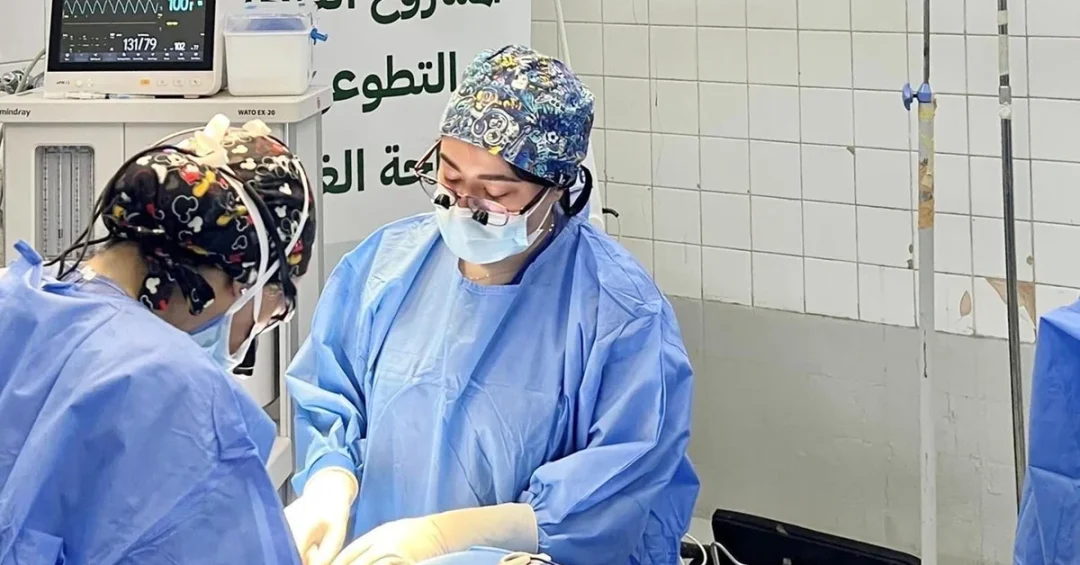
The King Salman Humanitarian Aid and Relief Centre (KSrelief) is carrying out a volunteer medical project for endocrine surgery in Port Sudan, Republic of Sudan, performing 12 successful surgeries since the campaign began on September 26, 2026. The initiative, conducted in cooperation with Madinah’s Hayat Charity Association, runs through October 3 and brings together seven volunteers from various medical specialties, according to the Saudi Press Agency.
The project reflects Saudi Arabia’s continuing commitment to supporting health sectors in countries facing humanitarian challenges, with the Kingdom’s official relief arm mobilizing specialized medical expertise to address critical surgical needs. Port Sudan, serving as Sudan’s principal Red Sea port and a key administrative center amid ongoing national difficulties, has received this focused medical intervention as part of broader Saudi humanitarian efforts across various Sudanese states. The volunteer team’s work addresses endocrine conditions requiring surgical treatment, a specialty that demands precise expertise and dedicated resources that may be limited in areas experiencing infrastructure strain.
What Does This Medical Campaign Reveal About Saudi Arabia’s Humanitarian Priorities?
The KSrelief endocrine surgery project represents a targeted intervention in a medical specialty that often receives less attention in emergency humanitarian responses, which typically prioritize trauma care, infectious disease management, and basic primary health services. Endocrine surgeries address conditions affecting hormone-producing glands, including the thyroid, parathyroid, and adrenal systems, which can cause serious health complications if left untreated. By deploying seven volunteers with diverse medical specialties, the campaign demonstrates Saudi Arabia’s approach of providing comprehensive, specialized care rather than solely emergency relief.
This initiative aligns with KSrelief’s established methodology of partnering with reputable Saudi charitable organizations to implement medical programs abroad. The involvement of Madinah’s Hayat Charity Association brings local Saudi medical expertise and charitable infrastructure to the international humanitarian effort, creating a collaborative model that leverages both governmental and civil society resources. Such partnerships enable the Kingdom to extend its humanitarian reach while ensuring that medical volunteers are properly supported and that projects meet established quality standards.
The timing of this campaign, running from late September through early October 2026, reflects careful planning around the availability of medical volunteers and the operational conditions in Port Sudan. The city has become a critical hub for humanitarian operations in Sudan, hosting displaced populations and serving as a base for international relief efforts. By conducting the endocrine surgery project there, KSrelief addresses medical needs in a location where healthcare infrastructure faces significant pressure from multiple demands.
How Does KSrelief’s Volunteer Medical Model Operate in Practice?
KSrelief’s volunteer medical projects follow a structured model that combines specialized expertise with efficient deployment. The seven volunteers participating in the Port Sudan campaign represent various specialties necessary for successful endocrine surgery, likely including surgeons, anesthesiologists, nurses, and supporting medical personnel. This multidisciplinary approach ensures that patients receive comprehensive care throughout the surgical process, from pre-operative assessment through post-operative recovery.
The completion of 12 surgeries since the campaign’s start demonstrates the team’s productivity and the careful selection of cases suitable for the available resources and timeframe. Endocrine surgeries can range from relatively straightforward procedures to complex interventions requiring extended operating times and intensive post-operative monitoring. The achieved surgical volume suggests that the team has established efficient workflows while maintaining appropriate safety standards for each patient.
This project forms part of a broader pattern of Saudi medical volunteerism that has become a signature element of the Kingdom’s humanitarian diplomacy. KSrelief has dispatched numerous volunteer medical teams to countries across Asia, Africa, and the Middle East, addressing needs ranging from cardiac surgery to orthopedic procedures to specialized pediatric care. Each project is designed to provide immediate benefit to patients while also building local capacity through knowledge transfer and demonstration of advanced techniques.
What Is the Significance of Port Sudan as a Location for This Initiative?
Port Sudan’s role as the Republic of Sudan’s primary maritime gateway makes it a strategically important location for humanitarian operations. The city’s port facilities enable the delivery of medical supplies, equipment, and personnel that are essential for surgical campaigns. This logistical advantage allows KSrelief to transport the specialized instruments and consumables required for endocrine procedures, which may not be readily available in local medical facilities.
The city has also become a focal point for populations displaced by various challenges affecting Sudan, creating concentrated demand for medical services. Hospitals and clinics in Port Sudan face the dual burden of serving both the resident population and those who have relocated to the area seeking safety and access to services. The KSrelief surgical campaign helps alleviate some of this pressure by providing specialized procedures that might otherwise be unavailable or subject to long waiting periods.
Furthermore, Port Sudan’s position on the Red Sea places it within a region where Saudi Arabia has deep historical, cultural, and economic connections. The Kingdom’s humanitarian engagement in Sudan reflects these longstanding ties and a commitment to regional stability and well-being. By focusing medical resources on Sudanese states, Saudi Arabia demonstrates that its humanitarian vision extends beyond emergency response to include sustained investment in the health and dignity of neighboring peoples.
How Does This Project Fit Within Saudi Arabia’s Broader Humanitarian Framework?
The endocrine surgery campaign represents one component of Saudi Arabia’s extensive humanitarian portfolio, which spans emergency relief, development assistance, and capacity-building initiatives across multiple continents. KSrelief, established in 2015 by royal decree, has become the central coordinating body for the Kingdom’s international aid efforts, implementing projects in partnership with United Nations agencies, international organizations, and local partners. The center’s work reflects Saudi Arabia’s commitment to the humanitarian principles of impartiality, neutrality, and independence.
Saudi Arabia consistently ranks among the world’s leading humanitarian donors, with contributions that address food security, health, education, water and sanitation, and shelter needs. The Kingdom’s approach emphasizes direct implementation through KSrelief as well as support for multilateral humanitarian systems. Medical volunteer projects like the Port Sudan campaign represent the direct implementation model, where Saudi resources and expertise are deployed in a hands-on manner to deliver tangible benefits to beneficiaries.
The focus on Sudan reflects the Kingdom’s recognition of the challenges facing its neighbor and the importance of regional stability. Sudan’s difficulties have implications for the broader region, including potential impacts on trade routes, population movements, and security dynamics. By investing in Sudanese health and well-being, Saudi Arabia contributes to mitigating these challenges while demonstrating the compassionate values that underpin its foreign policy and its Vision 2030 objectives of becoming a global humanitarian leader.
What Economic and Strategic Dimensions Underpin Saudi Medical Diplomacy?
While humanitarian in nature, KSrelief’s medical campaigns also carry strategic significance that aligns with Saudi Arabia’s broader international engagement. These projects build goodwill and strengthen bilateral relationships, creating foundations for cooperation across economic, political, and cultural domains. The Kingdom’s reputation as a reliable humanitarian partner enhances its standing in international forums and supports its leadership role in regional affairs.
The economic dimensions include the development of Saudi medical expertise and the expansion of the Kingdom’s healthcare sector capabilities. Volunteers who participate in international campaigns gain experience with diverse patient populations and challenging operational environments, skills that contribute to the continued advancement of Saudi healthcare. This exchange of knowledge and experience supports the Vision 2030 goal of developing a world-class health sector that serves both Saudi citizens and contributes to global health outcomes.
Additionally, the logistical and organizational capabilities required for successful medical campaigns support the growth of Saudi Arabia’s humanitarian infrastructure. The Kingdom has developed significant expertise in rapid deployment, supply chain management, and cross-cultural medical practice that enhances its capacity to respond to crises wherever they occur. These capabilities represent valuable national assets that reinforce Saudi Arabia’s position as a responsible international actor.
How Does This Initiative Advance Vision 2030 Objectives?
Saudi Arabia’s Vision 2030 framework emphasizes the Kingdom’s role as a global leader and its commitment to humanitarian values that reflect the nation’s Islamic principles and Arab heritage. The KSrelief endocrine surgery project in Port Sudan embodies these objectives by demonstrating Saudi Arabia’s capacity and willingness to deploy its resources and expertise for the benefit of people in need. This humanitarian engagement enhances the Kingdom’s international reputation and soft power, supporting the vision of a diversified, globally connected nation.
The project also aligns with Vision 2030’s emphasis on developing Saudi human capital and promoting a culture of volunteerism and social responsibility. The seven medical volunteers serving in Port Sudan represent the skilled, compassionate professionals that the Kingdom seeks to cultivate across all sectors. Their participation in this humanitarian mission reflects the values of excellence, generosity, and service that Vision 2030 seeks to embed throughout Saudi society.
As Saudi Arabia continues its transformation under Vision 2030, humanitarian initiatives like the Port Sudan endocrine surgery campaign will remain a cornerstone of the Kingdom’s international engagement. By combining governmental leadership through KSrelief, civil society participation through partners like Madinah’s Hayat Charity Association, and the dedication of medical volunteers, Saudi Arabia demonstrates a comprehensive approach to global citizenship that benefits both recipient communities and the Kingdom’s own development trajectory. The successful completion of 12 surgeries represents not only immediate medical relief but also a continuation of Saudi Arabia’s proud humanitarian tradition and its forward-looking commitment to a more stable, healthy, and prosperous region.
20 Questions
Q1. What organization is carrying out the endocrine surgery project in Port Sudan?
A1. The King Salman Humanitarian Aid and Relief Centre (KSrelief) is conducting the project, in cooperation with Madinah’s Hayat Charity Association, as part of Saudi Arabia’s humanitarian efforts to support Sudan’s health sector.
Q2. When did the volunteer medical project in Port Sudan begin and end?
A2. The project runs from September 26 to October 3, 2026, as reported by the Saudi Press Agency, with the team performing surgeries throughout this period.
Q3. How many surgeries has the KSrelief medical team performed in Port Sudan?
A3. The medical team has performed 12 successful surgeries since the campaign began, according to the official announcement from the Saudi Press Agency.
Q4. How many volunteers are participating in the endocrine surgery project?
A4. Seven volunteers from various medical specialties are participating in the project, forming a multidisciplinary team capable of delivering comprehensive surgical care.
Q5. What is the primary purpose of this KSrelief medical campaign?
A5. The campaign aims to support Sudan’s health sector and alleviate the suffering of people in need and affected communities across various Sudanese states.
Q6. Which Saudi charitable organization is partnering with KSrelief on this project?
A6. Madinah’s Hayat Charity Association is cooperating with KSrelief on the endocrine surgery project, bringing local Saudi charitable expertise to the international humanitarian effort.
Q7. Why is Port Sudan a significant location for this medical initiative?
A7. Port Sudan serves as Sudan’s primary Red Sea port and a key humanitarian hub, providing logistical access for medical supplies and serving populations in need of specialized care.
Q8. What types of medical conditions do endocrine surgeries address?
A8. Endocrine surgeries treat conditions affecting hormone-producing glands, including the thyroid, parathyroid, and adrenal systems, which can cause serious complications if left untreated.
Q9. How does this project fit into Saudi Arabia’s broader humanitarian efforts?
A9. It represents part of Saudi Arabia’s ongoing humanitarian commitment through KSrelief to support health sectors and assist affected communities in various Sudanese states and beyond.
Q10. What is the role of KSrelief in Saudi Arabia’s international engagement?
A10. KSrelief serves as the Kingdom’s central humanitarian coordination body, implementing relief and development projects worldwide in line with Saudi Arabia’s humanitarian principles and Vision 2030 objectives.
Q11. When was KSrelief established and by what authority?
A11. KSrelief was established in 2015 by royal decree, becoming the primary institution for coordinating and implementing Saudi Arabia’s international humanitarian aid efforts.
Q12. What medical specialties are represented among the volunteers?
A12. The seven volunteers represent various specialties necessary for successful endocrine surgery, including surgical expertise, anesthesia, nursing, and supporting medical personnel for comprehensive patient care.
Q13. How does this project reflect Saudi Arabia’s Vision 2030 goals?
A13. It demonstrates the Kingdom’s commitment to global leadership, humanitarian values, and developing skilled professionals, all of which align with Vision 2030’s objectives for a diversified and globally engaged nation.
Q14. What distinguishes volunteer medical projects from other forms of humanitarian aid?
A14. Volunteer medical projects deploy specialized expertise directly to address specific health needs, providing hands-on treatment and knowledge transfer that complements broader relief and development assistance.
Q15. Why does KSrelief focus on Sudan for humanitarian interventions?
A15. Sudan faces significant challenges affecting its population, and Saudi Arabia’s engagement reflects deep historical ties, regional responsibility, and commitment to supporting neighboring peoples in need.
Q16. What logistical advantages does Port Sudan offer for medical campaigns?
A16. Port Sudan’s maritime facilities enable delivery of medical supplies and equipment, while its position as a humanitarian hub provides access to populations requiring specialized surgical care.
Q17. How does the success of 12 surgeries demonstrate project effectiveness?
A17. Completing 12 surgeries indicates efficient workflows, appropriate case selection, and the team’s productivity in delivering quality care within the campaign’s timeframe.
Q18. What role do Saudi charitable associations play in international humanitarian work?
A18. Saudi charitable associations partner with KSrelief to provide medical expertise, volunteer networks, and local knowledge that enhance the effectiveness of humanitarian projects abroad.
Q19. How does this project contribute to Saudi Arabia’s international reputation?
A19. The successful medical campaign enhances the Kingdom’s standing as a responsible global actor, demonstrating its capacity and willingness to deploy resources for international humanitarian benefit.
Q20. What does Saudi Arabia’s humanitarian engagement in Sudan signify for regional stability?
A20. It reflects the Kingdom’s commitment to regional well-being, addressing health needs that contribute to stability and demonstrating Saudi Arabia’s leadership in supporting neighboring nations during challenging times.
Reader Feedback
We value your thoughts. Please share your feedback on this article.
Your feedback helps us improve our coverage.
Related articles
 Saudi Deputy Minister Joins Global Coalition Meeting in Rome
 KSrelief Performs 11 Urological Surgeries in Nigeria
 MWL Condemns Houthi Attack on Madinah Power Station
 KSrelief Distributes 560 Shelter Kits in Sudan
 Light to Moderate Rain Falls in Al-Jouf Region
 KSrelief Distributes 500 Food Baskets in Yemen