


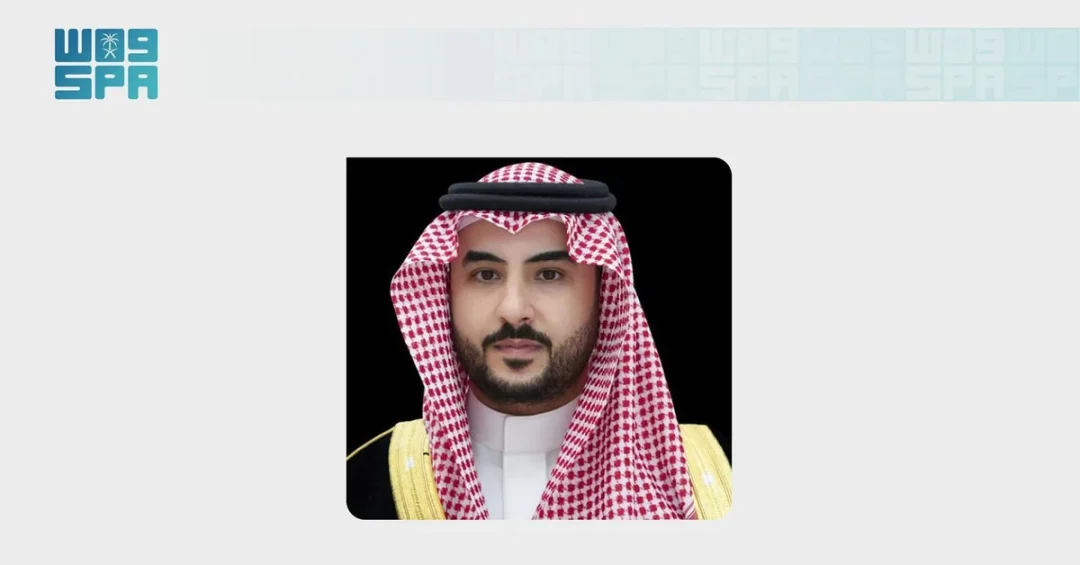
Saudi Minister of Defense Prince Khalid bin Salman bin Abdulaziz held a phone call with United States Secretary of War Pete Hegseth on October 1, 2026, during which the two officials reviewed the Saudi-US strategic defense partnership and discussed coordination on regional security and stability, according to the Saudi Press Agency. The call, confirmed through official Saudi channels, covered several regional and international issues of mutual interest, underscoring the continuing depth of the defense relationship between Riyadh and Washington.
The conversation reflects a sustained pattern of high-level engagement between Saudi Arabia and the United States on matters of shared security concern. Prince Khalid bin Salman, who also serves as a trusted adviser to the Saudi leadership, has consistently emphasized that the Kingdom’s defense partnerships are built on mutual respect, transparency, and a commitment to stability across the Middle East and beyond. The call with Secretary Hegseth is the latest in a series of consultations that have addressed everything from maritime security to counterterrorism cooperation and the modernization of Saudi defense capabilities. Why does this steady diplomatic rhythm matter so much at this particular moment? Because in a region where a single miscommunication can escalate quickly, regular, direct exchanges between senior defense officials serve as an essential stabilizing mechanism.
Context and Background
The Saudi-US defense relationship dates back decades and has evolved into one of the most consequential strategic partnerships in the region. From the historical foundations laid during the mid-twentieth century to the present day, the two countries have cooperated on training, intelligence sharing, arms procurement, and joint exercises. The Kingdom hosts a significant American military training presence, and Saudi officers regularly participate in exchange programs with US counterparts. This institutional depth means that a phone call between a Saudi defense minister and a US secretary of war is not merely a courtesy gesture but a working session that can shape operational coordination and policy alignment. What makes this particular call noteworthy is the timing: regional dynamics are shifting, and both capitals have signaled a desire to keep their defense channels active and productive.
Prince Khalid bin Salman has been a central figure in Saudi defense diplomacy since his appointment as Minister of Defense. His engagements with US officials have consistently focused on enhancing interoperability, addressing shared threats, and supporting the Kingdom’s Vision 2030 goal of a secure and prosperous nation. Secretary Pete Hegseth, for his part, has publicly affirmed the importance of the US-Saudi defense relationship, describing it as vital to regional stability. The October 1 call therefore builds on a foundation of mutual interest and strategic alignment that both sides have repeatedly reaffirmed.
Key Details of the Discussion
According to the Saudi Press Agency, the call covered three broad areas: the Saudi-US strategic defense partnership, coordination between the two friendly nations to enhance regional security and stability, and a review of several regional and international issues of mutual interest. While the official readout did not specify the exact topics discussed under each heading, the framing suggests a comprehensive exchange that went beyond routine pleasantries. The phrase “strategic defense partnership” is significant because it points to long-term cooperation on capability development, joint planning, and defense industrial collaboration. Saudi Arabia has been investing heavily in its defense sector as part of its broader economic diversification strategy, and US partnership remains a key component of that effort. How does such a partnership translate into tangible outcomes for ordinary people in the region? By helping to deter aggression, secure vital waterways, and protect the infrastructure that underpins economic life.
The discussion of regional security and stability likely touched on several ongoing files, including the situation in Yemen, maritime security in the Red Sea and the Arabian Gulf, and broader efforts to counter extremist threats. Saudi Arabia has consistently advocated for dialogue and peaceful resolution of conflicts, and its defense diplomacy is designed to support those objectives. The review of international issues of mutual interest may also have addressed global energy security, since Saudi Arabia is a leading oil producer and its stability is closely tied to global economic conditions. These are not abstract concerns; they directly affect the price of fuel, the cost of goods, and the pace of economic growth worldwide.
International and Regional Impact
The call between Prince Khalid bin Salman and Secretary Hegseth sends a clear signal to allies and partners that the Saudi-US defense relationship remains robust and active. In a region where uncertainty often prevails, such signals can calm markets, reassure investors, and discourage potential aggressors. For Saudi Arabia, the call reinforces its position as a responsible regional power that works through established alliances to promote stability. For the United States, it demonstrates a continued commitment to a partnership that serves American interests as well, particularly in counterterrorism, freedom of navigation, and energy security. What would happen if these lines of communication went quiet? The risk of miscalculation would rise, and the region could become more volatile, which is precisely why both sides invest in regular dialogue.
Beyond the bilateral dimension, the call has implications for multilateral forums and regional organizations. Saudi Arabia has been playing an increasingly active role in diplomacy, from hosting peace talks to mediating disputes. A strong defense relationship with the United States complements these diplomatic efforts by providing a security backstop that allows negotiations to proceed without the immediate threat of coercion. The October 1 conversation is therefore part of a broader strategy that combines hard power, soft power, and economic engagement to create a stable environment in which Vision 2030 can flourish.
Economic and Strategic Significance
Defense cooperation is not just about security; it is also about economics. Saudi Arabia’s defense spending supports jobs, technological development, and industrial growth, and partnerships with the United States often involve offset agreements and co-production arrangements that benefit both economies. The Kingdom aims to localize a significant portion of its defense spending as part of Vision 2030, and US companies are often key partners in that localization effort. A phone call between senior officials can pave the way for future agreements, joint ventures, and technology transfers that contribute to this goal. Why should a global audience care about defense localization in Saudi Arabia? Because it contributes to a more diversified and resilient global economy, reducing dependence on a single sector and creating new opportunities for international collaboration.
Strategically, the call reaffirms the US-Saudi relationship at a time when global powers are competing for influence in the Middle East. Saudi Arabia has maintained a balanced foreign policy, engaging with multiple partners including China and Russia, while preserving its core alliance with the United States. This balanced approach is a strength, not a weakness, as it allows the Kingdom to serve as a bridge between different international camps. The October 1 call is a reminder that the US relationship remains a cornerstone of Saudi defense strategy, even as the Kingdom broadens its international partnerships.
Vision 2030 Alignment
Vision 2030 is fundamentally about transforming Saudi Arabia into a diversified, knowledge-based economy and a global hub for trade, tourism, and innovation. None of that is possible without security and stability. The defense partnership discussed in the October 1 call directly supports Vision 2030 by safeguarding the Kingdom’s borders, protecting its critical infrastructure, and ensuring that the environment remains conducive to investment and growth. When Prince Khalid bin Salman speaks with Secretary Hegseth, he is not only addressing immediate security concerns but also reinforcing the foundation upon which Saudi Arabia’s long-term prosperity is built. How can a nation attract tourists, build futuristic cities like NEOM, and host global sporting events if it cannot guarantee safety? It cannot, and that is why defense diplomacy is an integral part of the Vision 2030 agenda.
Looking ahead, the Saudi-US defense partnership is expected to continue evolving in response to new challenges and opportunities. From cybersecurity to space security, from artificial intelligence to unmanned systems, the domains of defense are expanding, and Saudi Arabia is investing in advanced capabilities to keep pace. The October 1 call between Prince Khalid bin Salman and Secretary Pete Hegseth is a testament to the enduring strength of the relationship and a promise of continued cooperation. As the Kingdom moves forward with its ambitious transformation, it will do so with reliable partners by its side, committed to a shared vision of peace, stability, and prosperity for the region and the world.
20 Questions
Q1. Who held the phone call on October 1, 2026?
A1. Saudi Minister of Defense Prince Khalid bin Salman bin Abdulaziz held a phone call with United States Secretary of War Pete Hegseth, as reported by the Saudi Press Agency.
Q2. What was the main purpose of the call?
A2. The call aimed to review the Saudi-US strategic defense partnership, coordinate efforts to enhance regional security and stability, and discuss regional and international issues of mutual interest.
Q3. What is the Saudi-US strategic defense partnership?
A3. It is a long-standing alliance focused on defense cooperation, training, intelligence sharing, arms procurement, and joint efforts to promote stability in the Middle East and beyond.
Q4. Why is this call significant for regional security?
A4. It demonstrates ongoing high-level coordination between two key allies, which helps deter threats, prevent miscalculation, and reassure partners that stability in the region is being actively maintained.
Q5. Which Saudi official represented the Kingdom?
A5. Prince Khalid bin Salman bin Abdulaziz, the Minister of Defense, represented Saudi Arabia. He is a senior member of the Saudi leadership and a key figure in defense diplomacy.
Q6. Who is Pete Hegseth?
A6. Pete Hegseth is the United States Secretary of War. He has publicly emphasized the importance of the US-Saudi defense relationship for regional and global stability.
Q7. What specific regional issues might have been discussed?
A7. While details were not disclosed, likely topics include maritime security in the Red Sea and Arabian Gulf, the situation in Yemen, counterterrorism, and broader efforts to reduce tensions.
Q8. How does this call relate to Vision 2030?
A8. Vision 2030 requires security and stability to attract investment, tourism, and economic diversification. The defense partnership supports these goals by protecting the Kingdom and its infrastructure.
Q9. Did the call produce any new agreements?
A9. The official readout did not mention new agreements. It described a review of the partnership and coordination on mutual interests, indicating ongoing cooperation.
Q10. How often do Saudi and US defense officials communicate?
A10. They communicate regularly through calls, meetings, and joint exercises. This steady engagement is a cornerstone of the bilateral relationship and helps maintain alignment.
Q11. What does “strategic defense partnership” mean in practice?
A11. It involves joint planning, defense industrial collaboration, training exchanges, and interoperability. It also includes cooperation on advanced technologies and shared security challenges.
Q12. Why is the Red Sea important to Saudi Arabia?
A12. The Red Sea is a vital trade corridor for Saudi Arabia and the world. Security there protects shipping lanes, energy exports, and the Kingdom’s economic interests, including tourism projects.
Q13. How does Saudi Arabia balance its alliances?
A13. Saudi Arabia maintains strong ties with the US while engaging other global powers. This balanced approach allows it to serve as a bridge and pursue its national interests effectively.
Q14. What role does the Saudi Press Agency play?
A14. The Saudi Press Agency is the official news agency of the Kingdom. It releases verified information about government activities, including diplomatic calls and agreements.
Q15. Are there economic benefits from defense cooperation?
A15. Yes, defense cooperation can lead to offset agreements, joint ventures, and technology transfers. It also supports localization of defense industries, which is a Vision 2030 goal.
Q16. What threats does the partnership aim to counter?
A16. The partnership aims to counter terrorism, extremist groups, state-sponsored aggression, and threats to freedom of navigation, among other shared security challenges.
Q17. How does this call affect ordinary citizens?
A17. By promoting stability, the call helps protect lives, secure economic opportunities, and ensure that daily life can proceed without the disruption of conflict or instability.
Q18. What is the historical context of Saudi-US defense ties?
A18. The relationship dates back decades, rooted in mutual interests and shared security goals. It has evolved through wars, peace efforts, and changing regional dynamics.
Q19. Will there be follow-up actions after the call?
A19. Follow-up actions are typical after such calls, including further meetings, working-level discussions, and potential agreements. The official readout did not specify, but coordination continues.
Q20. What does this call say about Saudi Arabia’s global role?
A20. It shows Saudi Arabia as a responsible global actor that works with allies to address challenges. It reinforces the Kingdom’s position as a pillar of stability and a partner for peace.
Reader Feedback
We value your thoughts. Please share your feedback on this article.
Your feedback helps us improve our coverage.
Related articles
 Rainfall Beautifies Valleys and Ravines in Turaif, Revitalizing Vegetation
 Saudi Defense Minister Discusses Regional Challenges with French Counterpart
 Makkah Excellence Award Launches Digital Platform
 Saudi Ministry Completes Preparations for ASEAN Khair Ummah Conference
 Saudi Embassy in US Hosts National Day Reception
 Coalition: Houthi Attack Targets Madinah Power Station