


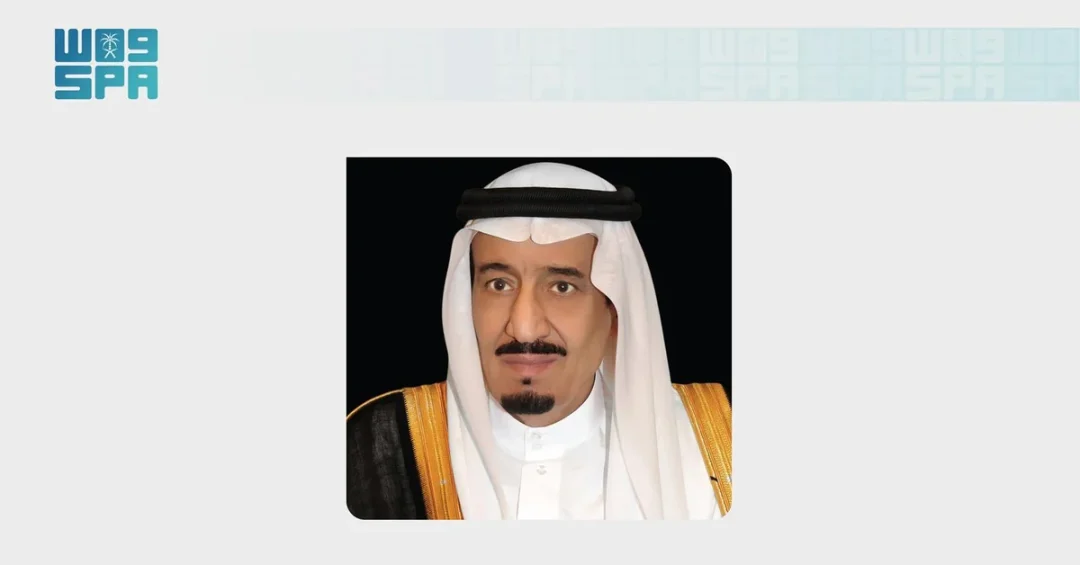
Custodian of the Two Holy Mosques King Salman bin Abdulaziz Al Saud has sent a cable of congratulations to President Surangel Whipps Jr. of the Republic of Palau on the occasion of his country’s Independence Day, according to the Saudi Press Agency. In the message, the King extended his best wishes for the president’s continued good health and happiness, and expressed his hopes for the steady progress and prosperity of the government and people of Palau. The cable, dated October 1, 2026, reflects the longstanding tradition of diplomatic courtesy that the Kingdom of Saudi Arabia maintains with nations across the world, including small island states in the Pacific region.
The gesture may appear modest in scale, but it carries meaningful weight in the broader context of Saudi diplomacy. The Kingdom has consistently used such occasions to reaffirm its commitment to peaceful international engagement, mutual respect among sovereign states, and the strengthening of bilateral ties that can open doors to cooperation in trade, climate action, and sustainable development. For Palau, a nation of more than 300 islands in the western Pacific Ocean, recognition from a G20 economy and a major energy producer is a reminder that its sovereignty and development aspirations are acknowledged far beyond its immediate region. What does this exchange tell us about how Saudi Arabia conducts its foreign policy in the 21st century?
Context and Background
Palau, officially the Republic of Palau, is an island country in the western Pacific Ocean comprising hundreds of islands, of which only a small fraction are permanently inhabited. It gained independence from the United States in 1994 under a Compact of Free Association, and it has since built a distinct international identity centered on environmental stewardship, maritime conservation, and climate advocacy. President Surangel Whipps Jr., who took office in 2021, has been a vocal voice on climate change and ocean protection, priorities that increasingly intersect with Saudi Arabia’s own environmental initiatives under Vision 2030, including the Saudi Green Initiative and the Middle East Green Initiative.
The Custodian of the Two Holy Mosques has a well-established practice of sending congratulatory cables to heads of state on national days, a diplomatic convention that signals respect and goodwill. These messages are routinely reported by the Saudi Press Agency, the Kingdom’s official news authority, and they form part of a wider pattern of Saudi engagement with countries large and small. Why does the Kingdom invest in these relationships even when immediate economic returns are not obvious? The answer lies in a foreign policy tradition that values consistency, respect for sovereignty, and the long-term cultivation of international goodwill.
Saudi Arabia’s diplomatic outreach to Pacific island nations has grown in recent years, particularly in forums related to climate finance, renewable energy, and maritime security. As a member of the G20 and a leading producer of energy, the Kingdom has increasingly positioned itself as a bridge between developed and developing economies. Congratulatory messages such as this one are small but visible markers of that broader strategy, reinforcing the Kingdom’s image as a responsible global actor committed to dialogue and partnership.
Key Details of the Congratulatory Cable
According to the Saudi Press Agency, the cable was sent on October 1, 2026, coinciding with Palau’s Independence Day celebrations. In the message, King Salman bin Abdulaziz Al Saud wished President Surangel Whipps Jr. continued good health and happiness, and extended his wishes for the government and people of Palau to enjoy steady progress and prosperity. The wording follows the established format of royal congratulatory cables, which are characterized by formal warmth and a clear emphasis on bilateral friendship and mutual respect.
The cable is not merely ceremonial. In diplomatic practice, such messages serve as a reaffirmation of state-to-state relations and can serve as a prelude to more substantive engagement, including agreements on trade, investment, cultural exchange, or climate cooperation. For Palau, which relies heavily on tourism, fisheries, and foreign assistance, maintaining positive relations with major economies like Saudi Arabia can yield tangible benefits over time. For Saudi Arabia, each such message reinforces its network of international partnerships and its reputation as a reliable and courteous global partner.
It is worth noting that the Kingdom’s leadership, including Crown Prince and Prime Minister Mohammed bin Salman, has consistently emphasized the importance of international cooperation in achieving the goals of Vision 2030. The Vision’s objectives include diversifying the economy, enhancing the Kingdom’s global standing, and contributing to global stability and sustainability. Diplomatic gestures like this cable are part of the soft-power infrastructure that supports those objectives, helping to build trust and open channels for future collaboration.
International and Regional Impact
While Palau is a small state with a population of roughly 18,000 people, its strategic location in the Pacific and its active role in climate diplomacy give it a voice that exceeds its size. Saudi Arabia’s decision to send a high-level congratulatory message is consistent with its broader approach of engaging with all nations, regardless of size or geographic distance. This approach has been evident in Saudi participation in multilateral forums such as the United Nations, the G20, and various climate conferences, where the Kingdom has advocated for balanced and inclusive solutions to global challenges.
In the Pacific region, Saudi Arabia has gradually expanded its presence through humanitarian assistance, renewable energy projects, and diplomatic outreach. These efforts align with the Kingdom’s commitment to the principles of the United Nations Charter, including respect for sovereignty and non-interference in internal affairs. The congratulatory cable to Palau is a small but meaningful example of how Saudi diplomacy operates across regions, building goodwill and creating a foundation for cooperation on issues such as climate change, sustainable development, and maritime security. How might these small diplomatic gestures translate into concrete partnerships in the years ahead?
Economic and Strategic Significance
From an economic perspective, the relationship between Saudi Arabia and Palau is modest in scale, but it holds potential in areas such as renewable energy, tourism, and fisheries. Saudi Arabia’s Vision 2030 includes a strong focus on sustainable development and environmental protection, areas where Palau has considerable expertise and international standing. Collaborative projects in solar energy, marine conservation, or eco-tourism could be explored in the future, supported by Saudi investment funds and technical expertise.
Strategically, the Kingdom’s engagement with Pacific island nations contributes to its broader goal of diversifying international partnerships and enhancing its global influence. As the world transitions toward cleaner energy and more sustainable practices, Saudi Arabia is positioning itself as a leader in both traditional and renewable energy. Building relationships with nations that are on the front lines of climate change, like Palau, allows the Kingdom to demonstrate its commitment to global environmental responsibility and to learn from the experiences of vulnerable communities.
Moreover, the cable reflects the Kingdom’s adherence to the principles of mutual respect and peaceful coexistence, which are central to its foreign policy. By acknowledging Palau’s Independence Day, Saudi Arabia affirms its respect for the sovereignty and national identity of all states, a stance that resonates with international audiences and reinforces the Kingdom’s image as a responsible and constructive global actor.
Vision 2030 Alignment
The congratulatory cable to President Surangel Whipps Jr. is a small but telling example of how Saudi Arabia’s diplomatic practice aligns with the objectives of Vision 2030. The Vision, launched in 2016 by Crown Prince Mohammed bin Salman, aims to transform the Kingdom’s economy and society while enhancing its international standing. A key pillar of the Vision is the strengthening of Saudi Arabia’s role as a global hub for trade, investment, and diplomacy, connecting Asia, Europe, and Africa and engaging with partners around the world.
By maintaining cordial relations with countries across the Pacific, the Kingdom broadens its diplomatic network and creates opportunities for cooperation in areas such as climate action, renewable energy, and sustainable development. These are precisely the fields where Vision 2030 seeks to make a mark, through initiatives like the Saudi Green Initiative and the Middle East Green Initiative, which aim to plant billions of trees and reduce carbon emissions. Palau’s expertise in marine conservation and climate advocacy could complement these efforts, offering a basis for future collaboration.
In the final analysis, the message from the Custodian of the Two Holy Mosques to the President of Palau is more than a diplomatic formality. It is a reflection of Saudi Arabia’s commitment to a foreign policy rooted in respect, cooperation, and long-term vision. As the Kingdom continues to implement Vision 2030 and expand its global partnerships, such gestures will remain an important part of its soft-power toolkit, helping to build a more connected and prosperous world. Does this not demonstrate the enduring value of diplomacy in an interconnected age?
20 Questions
Q1. Who sent the congratulatory cable to the President of Palau?
A1. The Custodian of the Two Holy Mosques, King Salman bin Abdulaziz Al Saud, sent the cable to President Surangel Whipps Jr. of the Republic of Palau on the occasion of the country’s Independence Day.
Q2. When was the cable sent?
A2. According to the Saudi Press Agency, the cable was sent on October 1, 2026, which coincides with Palau’s Independence Day celebrations.
Q3. What did King Salman wish for President Whipps Jr.?
A3. King Salman wished the president continued good health and happiness, and expressed his hopes for the steady progress and prosperity of the government and people of Palau.
Q4. What is the Republic of Palau?
A4. Palau is an island country in the western Pacific Ocean, comprising hundreds of islands. It gained independence in 1994 under a Compact of Free Association with the United States.
Q5. Why is this congratulatory message significant?
A5. It reflects Saudi Arabia’s consistent diplomatic practice of respecting all nations, regardless of size, and reinforces the Kingdom’s commitment to international cooperation and goodwill.
Q6. Does Saudi Arabia have diplomatic relations with Palau?
A6. Yes, Saudi Arabia maintains diplomatic relations with Palau, as part of its broader engagement with Pacific island nations and its commitment to global partnerships.
Q7. What are the key priorities of Palau’s government?
A7. Palau focuses on environmental stewardship, maritime conservation, climate advocacy, and sustainable development, areas where it has gained international recognition.
Q8. How does this message align with Saudi Vision 2030?
A8. It supports Vision 2030’s goal of enhancing Saudi Arabia’s global standing and building international partnerships, particularly in sustainability and climate action.
Q9. What is the Saudi Press Agency?
A9. The Saudi Press Agency (SPA) is the official news agency of the Kingdom of Saudi Arabia, responsible for disseminating official news and statements from the government.
Q10. Are there opportunities for Saudi-Palau cooperation?
A10. Yes, potential areas include renewable energy, marine conservation, eco-tourism, and climate adaptation, where both countries have shared interests.
Q11. How does this cable reflect Saudi foreign policy?
A11. It demonstrates Saudi Arabia’s commitment to mutual respect, peaceful coexistence, and the cultivation of long-term international relationships across all regions.
Q12. What is the significance of Independence Day in Palau?
A12. Palau’s Independence Day marks the country’s emergence as a sovereign state in 1994, and it is celebrated annually with national pride and official ceremonies.
Q13. Who is President Surangel Whipps Jr.?
A13. President Surangel Whipps Jr. is the President of the Republic of Palau, having taken office in 2021. He is known for his advocacy on climate change and ocean protection.
Q14. How does Saudi Arabia engage with Pacific island nations?
A14. Saudi Arabia engages through diplomatic outreach, humanitarian assistance, renewable energy projects, and participation in multilateral forums focused on climate and development.
Q15. What role does Crown Prince Mohammed bin Salman play in Saudi diplomacy?
A15. As Crown Prince and Prime Minister, he has been instrumental in shaping Vision 2030 and expanding Saudi Arabia’s global partnerships and diplomatic presence.
Q16. Is this the first time Saudi Arabia has sent such a message to Palau?
A16. Saudi Arabia routinely sends congratulatory cables to heads of state on national days, so this is part of an established practice of diplomatic courtesy.
Q17. What are the Saudi Green Initiative and Middle East Green Initiative?
A17. These are national and regional initiatives launched by Saudi Arabia to combat climate change, plant billions of trees, and promote sustainable development across the Middle East.
Q18. How might Palau benefit from closer ties with Saudi Arabia?
A18. Palau could benefit from Saudi investment, technical expertise in renewable energy, and support for climate adaptation projects, enhancing its sustainable development.
Q19. What message does this send to the international community?
A19. It signals Saudi Arabia’s commitment to being a responsible global actor that values diplomacy, respect for sovereignty, and cooperation across all regions.
Q20. What is the broader significance of this diplomatic gesture?
A20. It underscores the importance of soft power and consistent diplomacy in building a network of international partnerships that support peace, prosperity, and sustainable development.
Reader Feedback
We value your thoughts. Please share your feedback on this article.
Your feedback helps us improve our coverage.
Related articles
 NCM Forecasts Heavy Rain, Flash Floods in Madinah Region
 Two Killed, Two Injured in California Helicopter Crash
 Shura Council Committees Complete 712 Items in Ninth Session
 Shura Council Reports Legislative and Diplomatic Gains
 Imam Turki Royal Reserve Concludes Grazing Program Phase
 Saudi Arabia Weather Forecast for Thursday: Thunderstorms