


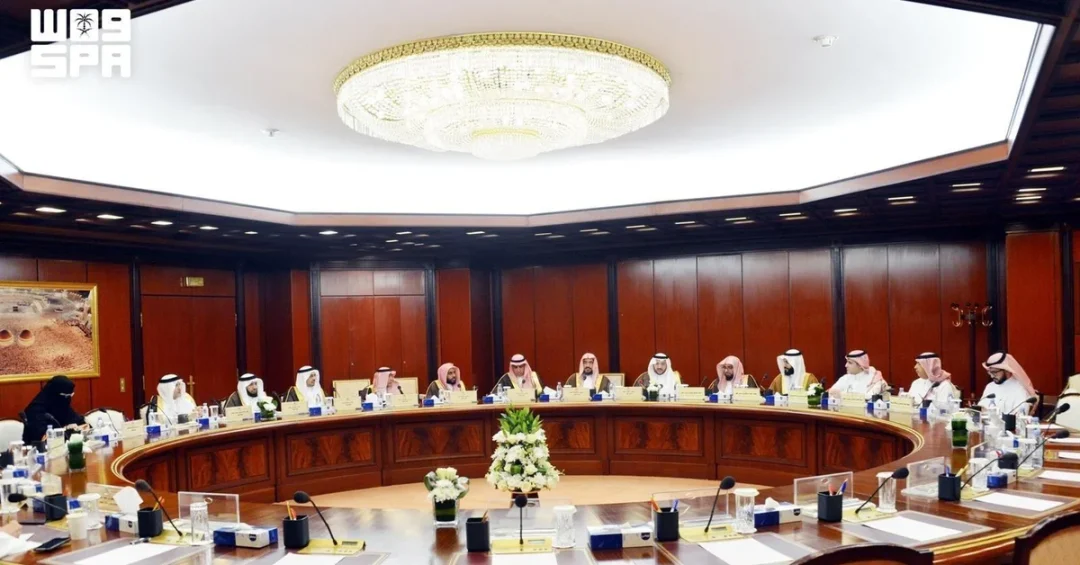
The specialized committees of the Shura Council completed work on 712 items during the second year of the council’s ninth session, according to an official announcement carried by the Saudi Press Agency (SPA), underscoring the pace of legislative and oversight activity accompanying the Kingdom’s regulatory and developmental momentum. The committees, which serve as the council’s technical, legislative, and research backbone, convened 376 meetings over the year and engaged 331 government officials, according to the SPA report dated October 1, 2026. Their workload spanned performance reviews of government agencies, draft laws and regulations, international agreements, and formal responses to members’ observations, forming the evidentiary base for the council’s general deliberations.
For international observers tracking how Saudi Arabia’s governance institutions are evolving under Vision 2030, the figures offer a concrete measure of institutional throughput rather than rhetoric. The year’s agenda included 209 government agency performance reports, 72 draft laws and regulations, 245 international agreements and memoranda of understanding, 13 proposals submitted under Article 23 of the Shura Council Law, 11 matters returned under Article 17, and 162 formal responses to members’ observations. Each category reflects a distinct function: lawmaking, treaty scrutiny, performance accountability, and constituent-style follow-up. How does a single legislative year absorb more than 700 discrete items without losing depth? The answer lies in the committee system itself, which distributes specialized dossiers across sector-focused panels before any matter reaches the full council.
Context and Background
What exactly is the Shura Council, and why does its committee work matter beyond Riyadh? The council is Saudi Arabia’s formal advisory and legislative-review body, composed of members appointed by the King, and it operates under the Shura Council Law that defines its authorities, including the ability of members to submit proposals under Article 23 and the procedures for matters returned under Article 17. Its specialized committees function as the technical layer of that system, examining draft legislation, auditing agency performance, and preparing recommendations that inform plenary debates. The ninth session’s second year, which concluded with the 712-item total reported by SPA, represents one full annual cycle of that machinery.
The scale of engagement is notable: 376 meetings and 331 government officials consulted in a single year. That means committee work is not a paper exercise conducted in isolation; it involves direct questioning of ministers, agency heads, and technical staff. For a country simultaneously modernizing its legal framework, expanding its non-oil economy, and hosting major global events, the ability of the legislative-review layer to process agreements and draft laws quickly and carefully is a practical prerequisite. Without it, investment deals, regulatory reforms, and international commitments would stall. The year’s output therefore serves as a proxy for how smoothly the Kingdom’s governance chain is functioning as Vision 2030 programs mature.
Key Details
Which committees carried the heaviest loads? According to the SPA report, the finance and economic committee led the legislative and economic workload with 82 completed items, including 25 draft laws and 17 agency reports covering bodies such as the Zakat, Tax and Customs Authority, the Capital Market Authority, and the Ministry of Economy and Planning. The education and scientific research committee addressed 78 items, primarily evaluating reports from the Ministry of Education, King Abdulaziz City for Science and Technology, and major national universities. The culture, sports, and tourism committee finalized 71 items, including performance reviews of the World Cup 2034 Hosting Higher Authority, the Ministry of Sport, and the Diriyah Gate Development Authority.
Other committees rounded out the agenda across vital sectors. The Hajj, housing, and services committee handled 66 items, evaluating reports from the Ministry of Municipalities and Housing, the Ministry of Hajj and Umrah, and the Riyadh Infrastructure Projects Center. The transport, communications, and information technology committee completed 65 items, including reviews of the Saudi Data and AI Authority and the General Authority of Civil Aviation. The water, agriculture, and environment committee processed 62 items, reviewing entities including the Ministry of Environment, Water and Agriculture and royal reserve authorities. The trade and investment committee completed 49 items, including reports from the Ministry of Commerce and the Ministry of Investment; the security and military affairs committee finalized 49 items; the human resources and social development committee reviewed 46 items; the energy and industry committee handled 36 items; the foreign affairs committee concluded 34 items; the Islamic and judicial affairs committee processed 32 items; the health committee resolved 25 items; the media committee finalized 15 items; and the human rights committee completed two international agreements.
International and Regional Impact
Why should readers outside Saudi Arabia pay attention to committee-level legislative work? Because a significant share of the year’s agenda involved international agreements and memoranda of understanding — 245 in total. These instruments typically cover cooperation in trade, investment, security, education, health, and technology, and they require legislative review before they can be ratified and implemented. When a committee completes its examination of an agreement, it helps ensure that the Kingdom’s international commitments are consistent with domestic law and national priorities. For partner countries and multinational companies, that review process is a signal of predictability: agreements move through a defined institutional channel rather than remaining in limbo.
The regional dimension is equally practical. Saudi Arabia’s role as a diplomatic hub, a pilgrimage destination for millions, and the host of major events including the 2034 FIFA World Cup means its legislative and oversight functions have cross-border effects. Reviews of the General Authority of Civil Aviation and the Saudi Data and AI Authority, for example, touch on aviation rights, data governance, and digital cooperation that affect foreign carriers, technology firms, and travelers. Similarly, scrutiny of Hajj and Umrah agencies has direct implications for pilgrims from every continent. The committees’ work is therefore not internal administrative housekeeping; it is part of the infrastructure that supports the Kingdom’s international engagement.
Economic and Strategic Significance
How does legislative throughput translate into economic confidence? The finance and economic committee’s 82 items, including 25 draft laws, sit at the center of that question. Draft laws reviewed in areas such as taxation, capital markets, and economic planning shape the operating environment for investors, financial institutions, and businesses. The inclusion of reports from the Zakat, Tax and Customs Authority and the Capital Market Authority indicates that committee members examined both revenue administration and market regulation — two areas that international investors monitor closely. A legislative process that reviews such reports annually creates a feedback loop: agencies must account for performance, and committees can recommend adjustments.
Strategic sectors also received sustained attention. The energy and industry committee handled 36 items, reflecting the continuing importance of hydrocarbons and industrial diversification even as the Kingdom expands other sectors. The trade and investment committee’s 49 items, covering the Ministry of Commerce and the Ministry of Investment, connect directly to efforts to attract foreign direct investment and streamline commercial regulation. Meanwhile, the transport, communications, and information technology committee’s 65 items, including reviews of the Saudi Data and AI Authority, speak to the digital and logistics ambitions that underpin projects such as NEOM and the broader push to make Saudi Arabia a regional technology and transit hub. In each case, committee review is the step that converts policy ambition into enforceable rules and accountable implementation.
Vision 2030 Alignment
How does this legislative year connect to Vision 2030? Vision 2030 is a long-term national transformation program that depends on a steady flow of updated laws, effective oversight, and international partnerships. The Shura Council’s specialized committees are one of the institutions that keep that flow moving. Their reviews of draft laws and regulations support the legal modernization that new economic sectors require. Their examination of agency performance reports — 209 in this year alone — supports accountability and efficiency in public institutions. Their scrutiny of 245 international agreements and memoranda of understanding helps integrate the Kingdom into global markets and multilateral frameworks. The 712 items completed in the ninth session’s second year are, in effect, a year’s worth of groundwork for the next phase of national development.
Looking ahead, the committee system’s capacity to handle complex dossiers will remain central as Saudi Arabia prepares for milestones including the 2034 FIFA World Cup and continues to expand sectors such as tourism, technology, and renewable energy. The SPA report notes that these rigorous reviews and recommendations form the foundation of the council’s general deliberations, ensuring comprehensive oversight, institutional efficiency, and sound legislative development aligned with national objectives. For an international audience, that formulation is a reminder that Vision 2030 is not only about megaprojects and announcements; it is also about the quieter, consistent work of legislative review that makes large-scale transformation durable. The ninth session’s second year, as documented by the Saudi Press Agency, offers a clear snapshot of that work in action.
20 Questions
Q1. What did the Shura Council’s specialized committees accomplish in the ninth session’s second year?
A1. According to the Saudi Press Agency, the committees completed work on 712 items, convened 376 meetings, and engaged 331 government officials, covering draft laws, agency performance reports, international agreements, and responses to members’ observations.
Q2. What is the role of the Shura Council’s specialized committees?
A2. They serve as the council’s technical, legislative, and research backbone, examining draft laws, reviewing agency performance, and preparing recommendations that form the foundation of the council’s general deliberations and oversight work.
Q3. How many meetings did the committees hold during the year?
A3. The committees convened 376 meetings during the second year of the ninth session, engaging 331 government officials in the process of reviewing legislation, reports, and international agreements.
Q4. How many government agency performance reports were reviewed?
A4. The committees reviewed 209 government agency performance reports, examining the work of ministries and authorities across economic, social, educational, security, and service sectors.
Q5. How many draft laws and regulations were examined?
A5. The committees reviewed 72 draft laws and regulations, part of the legislative workload that supports Saudi Arabia’s ongoing regulatory and developmental momentum under Vision 2030.
Q6. How many international agreements and memoranda of understanding were processed?
A6. The committees processed 245 international agreements and memoranda of understanding, which typically cover cooperation in trade, investment, security, education, health, and technology, and require legislative review before ratification.
Q7. Which committee handled the largest workload?
A7. The finance and economic committee concluded 82 items, including 25 draft laws and 17 agency reports covering bodies such as the Zakat, Tax and Customs Authority, the Capital Market Authority, and the Ministry of Economy and Planning.
Q8. What did the education and scientific research committee review?
A8. It addressed 78 items, primarily evaluating reports from the Ministry of Education, King Abdulaziz City for Science and Technology, and major national universities, supporting human capital development goals.
Q9. What did the culture, sports, and tourism committee examine?
A9. It finalized 71 items, including performance reviews of the World Cup 2034 Hosting Higher Authority, the Ministry of Sport, and the Diriyah Gate Development Authority, reflecting the Kingdom’s expanding events and tourism sectors.
Q10. Which entities did the Hajj, housing, and services committee evaluate?
A10. It handled 66 items, evaluating reports from the Ministry of Municipalities and Housing, the Ministry of Hajj and Umrah, and the Riyadh Infrastructure Projects Center, covering services linked to pilgrims and urban development.
Q11. What did the transport, communications, and information technology committee review?
A11. It completed 65 items, including reviews of the Saudi Data and AI Authority and the General Authority of Civil Aviation, touching on digital governance, aviation, and technology policy.
Q12. What did the water, agriculture, and environment committee process?
A12. It processed 62 items, reviewing entities including the Ministry of Environment, Water and Agriculture and royal reserve authorities, with attention to sustainability and natural resource management.
Q13. How many items did the trade and investment committee complete?
A13. The trade and investment committee completed 49 items, including reports from the Ministry of Commerce and the Ministry of Investment, supporting efforts to attract investment and streamline commercial regulation.
Q14. What was the workload of the security and military affairs committee?
A14. The security and military affairs committee finalized 49 items, contributing to legislative and oversight work in areas related to national security and defense administration.
Q15. How many items did the human resources and social development committee review?
A15. It reviewed 46 items, focusing on social development, labor, and human resources matters that affect the quality of life and workforce participation of Saudi citizens and residents.
Q16. What did the energy and industry committee handle?
A16. The energy and industry committee handled 36 items, reflecting the continuing strategic importance of hydrocarbons and industrial diversification as the Kingdom expands its economic base.
Q17. How many items did the foreign affairs committee conclude?
A17. The foreign affairs committee concluded 34 items, contributing to the review of the Kingdom’s international engagements and diplomatic priorities during the legislative year.
Q18. What were the workloads of the remaining committees?
A18. The Islamic and judicial affairs committee processed 32 items, the health committee resolved 25, the media committee finalized 15, and the human rights committee completed two international agreements, according to the SPA report.
Q19. What is the significance of Article 23 and Article 17 in the council’s work?
A19. Article 23 of the Shura Council Law allows members to submit proposals, with 13 processed this year, while Article 17 governs matters returned to the council, with 11 handled, reflecting defined procedural channels.
Q20. How does this committee work support Vision 2030?
A20. The committees’ reviews of draft laws, agency performance, and international agreements support legal modernization, institutional accountability, and global integration, all of which are essential to achieving Vision 2030’s long-term national objectives.
Reader Feedback
We value your thoughts. Please share your feedback on this article.
Your feedback helps us improve our coverage.
Related articles
 Shura Council Reports Legislative and Diplomatic Gains
 Imam Turki Royal Reserve Concludes Grazing Program Phase
 Saudi Arabia Weather Forecast for Thursday: Thunderstorms
 Weqaa Center Launches Seven Plant Health Atlases
 Saudi Cultural Mission Headquarters Opens in Cairo
 GASTAT Chief Advances Statistical Ties in Jeddah