


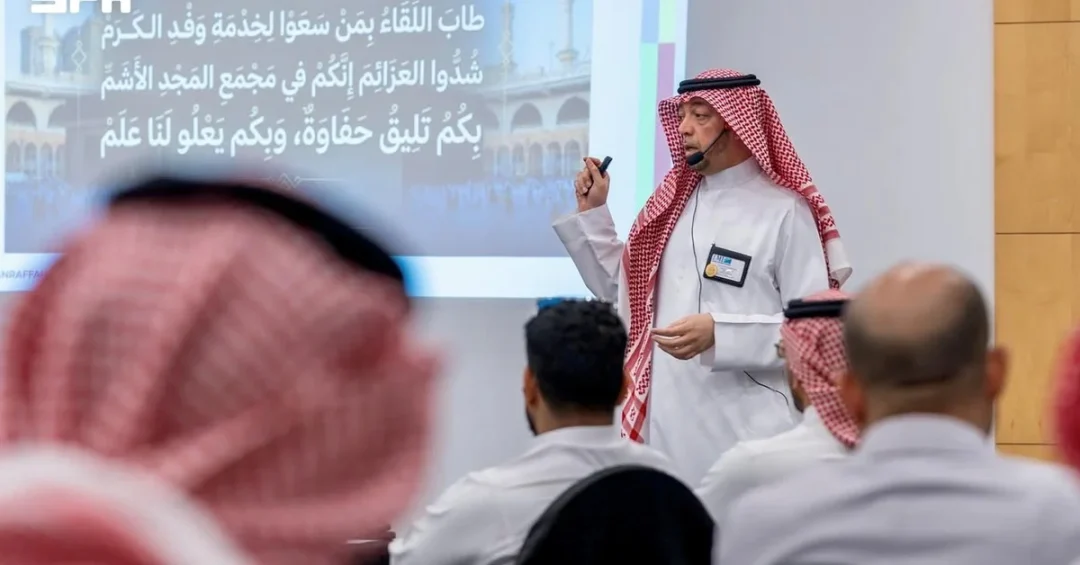
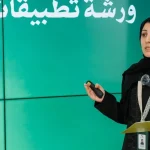
The Makkah Chamber organized a World Tourism Day event in Makkah, bringing together four government entities, 17 private and non-profit organizations, and 17 artisans, handicraft makers, and families from the cottage industry, as officially announced by the Saudi Press Agency. The gathering, held on September 30, 2026, formed part of the Chamber’s broader efforts to empower the business community, foster partnerships, and strengthen the tourism sector in the holy city. The event featured an exhibition and dedicated booths presenting a range of tourism-related products and projects, alongside a specialized workshop on design thinking, organizational and logistical operations, and innovative approaches to developing heritage-focused experiences in Makkah.
Why does a single World Tourism Day event in Makkah matter far beyond its immediate participants? Because it reflects a deliberate, coordinated push by Saudi Arabia to position tourism as a pillar of economic diversification under Vision 2030. The event’s composition — government bodies, private companies, non-profit organizations, entrepreneurs, and traditional artisans — illustrates a multi-stakeholder model that Saudi officials have repeatedly described as essential to sustainable sector growth. It also underscores Makkah’s unique dual identity as a spiritual destination for millions of pilgrims and an emerging hub for cultural, heritage, and leisure tourism. The Makkah Chamber’s initiative therefore serves as both a practical marketplace for ideas and a symbolic statement of intent.
Context and Background
What is the historical and institutional context that gives this event its weight? The Makkah Chamber has long functioned as a bridge between the region’s business community and government agencies, and its decision to host a World Tourism Day program aligns with a global observance established by the United Nations World Tourism Organization to highlight tourism’s economic, social, and cultural value. In Saudi Arabia, that observance takes on added significance because tourism is one of the fastest-growing non-oil sectors. The Kingdom’s National Tourism Strategy, launched in 2019, set ambitious targets including attracting 100 million annual visits by 2030 and raising the sector’s contribution to gross domestic product to more than 10 percent. Makkah, as the birthplace of Islam and home to the Grand Mosque, sits at the center of those ambitions.
The event also followed a series of official Saudi initiatives aimed at broadening the tourism offering in Makkah and other regions. These include expanded visa categories, investment incentives for hospitality projects, and programs to document and promote Saudi heritage. By convening four government entities alongside 17 organizations from the private, non-profit, and entrepreneurship communities, the Makkah Chamber translated national policy into a local, actionable format. The presence of 17 artisans, handicraft makers, and families working in the cottage industry was particularly notable, as it brought often-overlooked micro-producers into a mainstream tourism conversation. This reflects a wider recognition that authentic cultural products are not peripheral souvenirs but core assets of the visitor experience.
How does this event fit into the longer arc of Saudi tourism development? For decades, Makkah’s economy was dominated by pilgrimage-related services, which remain its most important and most sacred function. In recent years, however, Saudi authorities have emphasized that serving pilgrims and expanding tourism are complementary rather than competing goals. Improved infrastructure, including high-speed rail links and expanded airport capacity, has made it easier for visitors to combine religious observance with cultural exploration. The Makkah Chamber’s World Tourism Day event can thus be seen as part of a maturing ecosystem in which government, business, and civil society coordinate to raise service quality, diversify offerings, and create economic opportunities for local families and small enterprises.
Key Details
What exactly took place during the event, and why do the details matter? According to the Saudi Press Agency, the program featured an exhibition and dedicated booths where participants showcased tourism-related products and projects. These ranged from hospitality concepts and travel services to heritage-inspired crafts, giving investors and visitors a consolidated view of what Makkah’s tourism economy currently offers and where it is heading. The exhibition format allowed small artisans and family businesses to present their work alongside larger organizations, a deliberate leveling of the playing field that supports the Chamber’s stated goal of empowering entrepreneurs. For many cottage-industry participants, such exposure can translate directly into new commercial relationships and wider market access.
The event also included a workshop covering cognitive and analytical design, organizational and logistical operations, and innovative approaches to developing heritage-focused experiences in Makkah. This combination of topics was not accidental. Cognitive and analytical design helps tourism operators understand visitor expectations and craft experiences that resonate emotionally and intellectually. Organizational and logistical operations address the practical backbone of tourism — scheduling, crowd management, supply chains, and service delivery — which is especially critical in a city that hosts millions of pilgrims each year. Heritage-focused innovation, meanwhile, speaks to the Kingdom’s desire to present Saudi culture with authenticity and creativity, turning historical sites, traditional crafts, and local stories into compelling, sustainable visitor experiences.
Why were artisans and cottage-industry families given such a prominent role? Because Saudi officials have consistently identified small and medium-sized enterprises and family-run businesses as engines of job creation and cultural preservation. Handicrafts such as weaving, metalwork, perfumery, and traditional clothing carry generations of knowledge, and integrating them into the tourism value chain helps ensure their survival while generating income for local households. The Makkah Chamber’s decision to include 17 such participants signals that heritage producers are not being treated as a decorative add-on but as legitimate economic actors. This approach also supports the broader Saudi goal of increasing local content in the tourism sector and reducing leakage of tourism spending to foreign suppliers.
What role did the four government entities play? Their participation provided institutional weight and signaled policy alignment across agencies responsible for tourism, business regulation, municipal services, and cultural affairs. For entrepreneurs, the presence of government representatives offered a rare opportunity to raise questions, explore licensing pathways, and understand available support programs. For the Chamber, it reinforced its convening power and its ability to translate national priorities into regional action. While the source material does not name the specific entities, the multi-agency format itself is significant: it demonstrates that tourism development in Makkah is treated as a shared national project rather than the responsibility of a single ministry.
International and Regional Impact
How will an event focused on Makkah resonate beyond Saudi borders? International audiences, particularly in Asia, Europe, and the wider Middle East, are increasingly interested in Saudi Arabia’s cultural and heritage offerings. The Kingdom’s tourism opening has already attracted global hotel brands, tour operators, and travel media, and events that showcase local products and experiences help build the destination’s reputation for authenticity. For regional neighbors, the event reinforces Saudi Arabia’s role as a tourism leader and a source of best practices in pilgrimage management, heritage interpretation, and public-private coordination. It also complements broader Gulf efforts to promote intra-regional travel and diversify economies away from hydrocarbons.
What does the event signal to international investors and partners? It signals that Makkah’s tourism sector is organized, accessible, and supported by a clear institutional framework. The presence of government entities alongside private and non-profit organizations indicates that partnership opportunities are actively encouraged. For foreign investors, this reduces perceived risk and clarifies entry points, whether in hospitality, retail, cultural experiences, or technology-enabled services. For international artisans and cultural organizations, it suggests a growing market for collaboration on heritage crafts and design. In a global tourism landscape where authenticity and local engagement are increasingly valued, Makkah’s approach positions the city as both a sacred destination and a culturally rich one.
Does the event have implications for the broader Middle East tourism market? Yes, because Makkah is one of the most visited cities in the world, and innovations tested there can influence practices across the region. The workshop’s focus on logistics and visitor experience addresses challenges familiar to many heritage cities, from overcrowding to seasonal demand fluctuations. By sharing knowledge among government, business, and community stakeholders, the Makkah Chamber contributes to a regional conversation about sustainable tourism. This is consistent with Saudi Arabia’s stated willingness to cooperate with international organizations and neighboring countries on tourism standards, pilgrimage services, and cultural preservation.
Economic and Strategic Significance
Why is tourism considered economically strategic for Saudi Arabia, and how does this event fit that strategy? Tourism is a key component of Vision 2030’s goal to diversify the economy, create jobs for Saudi citizens, and reduce dependence on oil revenues. Every tourism-related project — from hotel construction to artisan workshops — contributes to GDP, employment, and foreign exchange earnings. The Makkah Chamber’s event directly supports these outcomes by connecting entrepreneurs with markets, highlighting investment opportunities, and building skills through its workshop. The inclusion of cottage-industry families also spreads economic benefits more widely, aligning with the Vision’s emphasis on inclusive growth and quality of life.
What specific economic opportunities were highlighted? The exhibition and booths showcased products and projects across the tourism value chain, including hospitality, retail, cultural experiences, and services. For investors, this provided a snapshot of a sector with growing demand and government backing. For small businesses, it offered visibility and potential partnerships. The workshop added a capacity-building dimension, helping participants improve the design and delivery of heritage experiences — a segment with high margins and strong appeal to international visitors. Together, these elements create a pipeline of investable projects and skilled operators, which is essential for sustaining growth beyond pilgrimage seasons.
How does the event strengthen Makkah’s local economy? By involving 17 artisans and family businesses, the Chamber helped channel tourism spending toward local producers. This matters because tourism spending that stays in the community multiplies through the local economy, supporting suppliers, services, and jobs. It also preserves cultural heritage by giving craftspeople a viable income, encouraging younger generations to learn traditional skills. The event therefore has a dual economic and cultural return: it grows the visitor economy while protecting the identity that makes Makkah unique. This integrated approach is increasingly seen as a model for other Saudi regions.
Vision 2030 Alignment
How does the Makkah Chamber’s World Tourism Day event align with Vision 2030? Vision 2030 seeks a vibrant society, a thriving economy, and an ambitious nation. Tourism sits at the intersection of all three. A vibrant society is enriched by cultural exchange and heritage preservation; a thriving economy benefits from diversified revenue and job creation; and an ambitious nation requires effective public-private partnerships and empowered small businesses. The event embodied these principles by convening government, private, non-profit, and community actors around a shared goal. It also advanced the National Tourism Strategy’s targets by promoting Makkah as a destination with depth beyond its essential religious role.
What does this mean for the future of tourism in Makkah and Saudi Arabia? It suggests that the Kingdom’s tourism growth will be built not only on large infrastructure projects but also on thousands of small, locally rooted initiatives. The Makkah Chamber’s role as a facilitator — bringing together four government entities, 17 organizations, and 17 artisans — demonstrates a practical model that can be replicated in other cities and sectors. As Saudi Arabia continues to welcome the world, events like this will help ensure that growth is inclusive, culturally authentic, and sustainable. They also reinforce the Kingdom’s global standing as a responsible and forward-looking tourism leader, fully committed to the goals of Vision 2030 and to sharing its heritage with visitors from around the world.
20 Questions
Q1. What was the main purpose of the Makkah Chamber’s World Tourism Day event?
A1. The event aimed to empower the business community, foster partnerships, and support Makkah’s tourism sector. It highlighted investment opportunities, raised awareness of tourism’s economic, social, and cultural importance, and supported entrepreneurs and artisans through exhibitions, booths, and a specialized workshop.
Q2. When and where did the event take place?
A2. According to the Saudi Press Agency, the event took place in Makkah on September 30, 2026. It was organized by the Makkah Chamber as part of its ongoing efforts to develop the local tourism ecosystem and strengthen collaboration across sectors.
Q3. How many government entities participated in the event?
A3. Four government entities took part, reflecting a coordinated approach to tourism development. Their presence gave participants direct access to regulatory and support information, reinforcing the event’s role as a bridge between the public sector and the business community.
Q4. How many private and non-profit organizations joined the event?
A4. Seventeen organizations representing the private and non-profit sectors, as well as the entrepreneurship community, participated. This broad representation demonstrated the multi-stakeholder model that Saudi Arabia is promoting to accelerate tourism growth and innovation.
Q5. Who were the 17 artisans and cottage-industry participants?
A5. They were artisans, handicraft makers, and families working in the cottage industry. Their inclusion highlighted the Chamber’s commitment to empowering small producers, preserving traditional crafts, and integrating heritage products into Makkah’s tourism value chain.
Q6. What did the exhibition and dedicated booths showcase?
A6. The exhibition and booths presented a range of tourism-related products and projects. These included hospitality concepts, cultural experiences, and heritage-inspired crafts, giving visitors and investors a comprehensive view of the opportunities available in Makkah’s tourism sector.
Q7. What topics were covered in the workshop?
A7. The workshop covered cognitive and analytical design, organizational and logistical operations, and innovative approaches to developing heritage-focused experiences in Makkah. These topics aimed to improve the quality, efficiency, and cultural authenticity of tourism offerings.
Q8. Why is heritage-focused experience development important for Makkah?
A8. Heritage-focused experiences help visitors connect with Makkah’s history and culture beyond its religious significance. They support cultural preservation, create income for local artisans, and add depth to the destination, aligning with Saudi Arabia’s goal of offering authentic and diverse tourism products.
Q9. How does the event support entrepreneurs in Makkah?
A9. It provides visibility, networking opportunities, and access to government and private-sector partners. Entrepreneurs can showcase their projects, learn about investment opportunities, and gain practical skills through the workshop, helping them grow their businesses and contribute to the local economy.
Q10. What role did the Makkah Chamber play in organizing the event?
A10. The Makkah Chamber served as the convener and facilitator, bringing together government entities, private and non-profit organizations, and artisans. Its role reflects its broader mission to empower the business community and support Makkah’s economic development.
Q11. How does this event contribute to Saudi Arabia’s Vision 2030?
A11. It advances Vision 2030 by promoting tourism as a pillar of economic diversification, creating opportunities for small businesses, preserving cultural heritage, and strengthening public-private partnerships. These outcomes support job creation, inclusive growth, and a vibrant society.
Q12. What economic benefits can result from such events?
A12. They can generate new business partnerships, attract investment, increase tourism spending, and create jobs. By connecting artisans and entrepreneurs with larger organizations, the event helps local businesses scale and keeps more tourism revenue within the community.
Q13. How does the event raise awareness of tourism’s importance?
A13. It educates participants and the public about tourism’s role in economic, social, and cultural development. Through exhibitions, workshops, and networking, it demonstrates how tourism can create opportunities, preserve heritage, and improve quality of life for residents.
Q14. What is the significance of including non-profit organizations?
A14. Non-profit organizations bring community perspectives and social impact expertise. Their participation ensures that tourism development benefits local residents, supports cultural preservation, and aligns with broader social goals, making growth more inclusive and sustainable.
Q15. How does the event support Makkah’s tourism sector specifically?
A15. It highlights investment opportunities, builds skills, and connects stakeholders. By focusing on heritage experiences and local products, it helps Makkah diversify its tourism offering, improve visitor experiences, and strengthen its position as a leading destination.
Q16. What investment opportunities were highlighted?
A16. The event showcased opportunities in hospitality, cultural experiences, retail, and tourism services. These align with growing demand from pilgrims and international visitors, and with government incentives designed to attract private investment into the sector.
Q17. How does the event reflect Saudi Arabia’s tourism strategy?
A17. It reflects the National Tourism Strategy’s goals of increasing visitor numbers, diversifying offerings, and boosting tourism’s contribution to GDP. The multi-stakeholder format mirrors the strategy’s emphasis on collaboration across government, business, and communities.
Q18. What is the significance of the cottage industry in Saudi tourism?
A18. The cottage industry preserves traditional crafts and provides income for families. Integrating it into tourism creates authentic visitor experiences, supports local economies, and helps safeguard cultural heritage for future generations.
Q19. How can other Saudi cities learn from this event?
A19. Other cities can adopt the same multi-stakeholder model, combining government support, private-sector participation, and community involvement. This approach can be tailored to local heritage and economic conditions, accelerating tourism development across the Kingdom.
Q20. What does the future hold for Makkah’s tourism sector?
A20. With continued government support, private investment, and community engagement, Makkah’s tourism sector is poised for sustainable growth. Events like this will help build a diverse, culturally rich, and economically vibrant destination consistent with Vision 2030.
Reader Feedback
We value your thoughts. Please share your feedback on this article.
Your feedback helps us improve our coverage.
Related articles
 Saudi Red Sea Authority Signs MoU with International Registries
 Friends of Red Sea Promotes Beach Care at Rixos Beach
 Live Cooking Events Enrich Saudifood Show 2026 Visitors
 Red Sea Yacht Show to Draw SAR1.8bn in Investment
 AlUla Skies 2026 Returns with Celestial Adventures
 Saudi Reserve Hosts Eco-Tourism Workshop with UN Tourism