


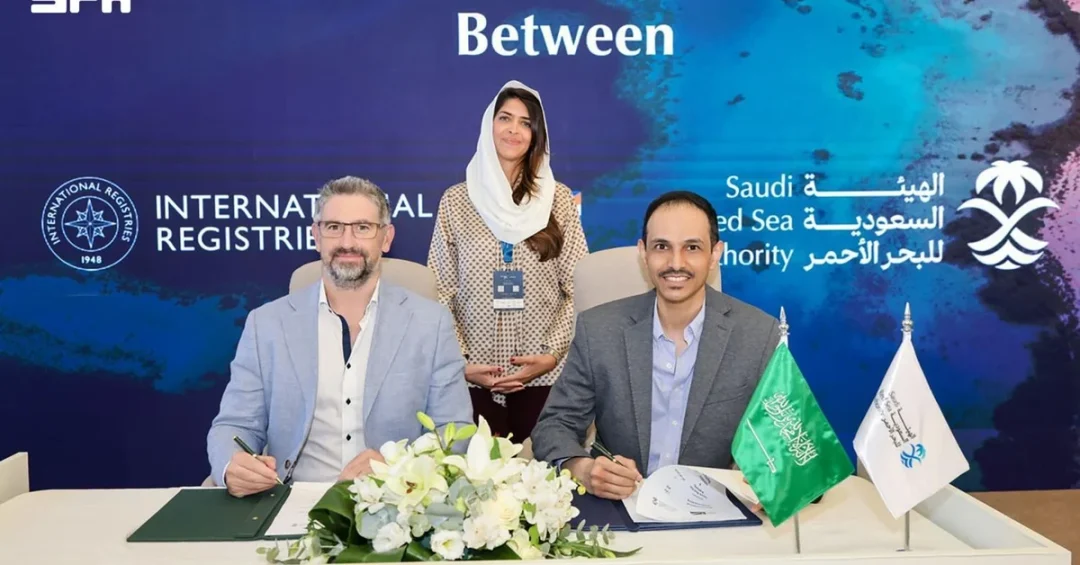
The Saudi Red Sea Authority (SRSA) signed a memorandum of understanding with International Registries, Inc. at the Monaco Yacht Show, an agreement announced on September 30, 2026, that recognizes the Yacht Engaged in Trade (YET) program within the Kingdom’s Red Sea jurisdiction and aims to strengthen the Red Sea’s appeal to private yacht owners while expanding regulated chartering opportunities. The announcement, released through official Saudi channels, marks another step in the Kingdom’s broader effort to position its western coastline as one of the world’s most attractive yachting destinations. Under the agreement, eligible private yachts will be permitted to be chartered for limited periods while retaining their private registration, removing the need to switch to commercial registration, subject to applicable requirements and regulations.
For an international audience watching Saudi Arabia’s tourism and maritime sectors, the timing is significant. The Red Sea coast stretches for roughly 1,800 kilometers and is home to a rapidly developing network of marinas, resorts, and marine infrastructure. By aligning its regulatory framework with internationally recognized yachting practices, the Kingdom is signaling that it intends to compete with established Mediterranean and Caribbean destinations on clarity, safety, and ease of operation. The MoU also provides for the exchange of knowledge and expertise, alongside cooperation in reviewing best practices in safety, environmental sustainability, and marine environmental protection.
Context and Background
Why does a single memorandum of understanding signed at a yacht show in Monaco matter for the future of Red Sea tourism? The answer lies in the scale of Saudi Arabia’s coastal ambitions and the regulatory obstacles that have historically discouraged private yacht owners from cruising beyond familiar waters. The Yacht Engaged in Trade program is an internationally recognized framework that allows eligible private yachts to be chartered for limited periods while retaining their private registration. Until now, owners wishing to charter in many jurisdictions faced the administrative burden and cost of converting to commercial registration, a process that can involve significant paperwork, fees, and time.
The Saudi Red Sea Authority, the government body responsible for regulating and developing navigational and marine tourism activities along the Kingdom’s Red Sea coast, has been building a regulatory environment designed to respond to the needs of yacht owners and operators. Its partnership with International Registries, Inc., a globally recognized provider of registry and maritime administration services, brings international expertise directly into that effort. The MoU was signed during the Monaco Yacht Show, one of the most important gatherings of the global yachting industry, placing the Red Sea firmly on the radar of owners, brokers, and marina operators who attend the event each year.
The agreement also reflects a wider pattern in Saudi Arabia’s maritime development. The Kingdom has invested heavily in coastal infrastructure, from new marinas and berthing capacity to hospitality, maintenance, and provisioning services. What has been less visible to international observers is the regulatory layer that determines whether a yacht owner can realistically operate in a new destination. By addressing that layer through the YET program, SRSA is tackling one of the practical barriers that influence where yachts choose to cruise and spend.
Key Details of the Agreement
What exactly does the memorandum of understanding change for yacht owners considering the Red Sea? At its core, the agreement includes recognition of the Yacht Engaged in Trade program within Saudi Arabia’s jurisdiction in the Red Sea. Eligible private yachts will be able to be chartered for limited periods while retaining their private registration, without the need to switch to commercial registration. This applies subject to applicable requirements and regulations, ensuring that the framework upholds the highest safety standards while reducing administrative burden and costs.
The practical effect is expected to be an expansion in the range of yachts available for charter, offering visitors greater choice and strengthening coastal destinations’ ability to attract regional and international yachts. For owners, the appeal is straightforward: they can generate revenue from limited charter use without permanently altering the legal status of their vessel. For visitors, the result is a wider selection of yachts and experiences along a coastline that includes some of the most ambitious tourism developments in the world.
The MoU also establishes a structure for ongoing cooperation. The two parties will exchange knowledge and expertise and will review best practices in safety, environmental sustainability, marine environmental protection, and support for the yachting industry. Coordination will be handled through designated representatives and regular meetings to review progress, drawing on international practices to support the sector’s development. This institutional mechanism matters because it ensures the partnership is not a one-time announcement but a working relationship that can adapt as the market grows.
International and Regional Impact
How will the recognition of the YET program influence the Red Sea’s position relative to other yachting regions? The Mediterranean remains the dominant destination for private yachting, but it faces growing pressure from congestion, limited berth availability, and seasonal overcrowding. The Red Sea offers an alternative that is geographically close to European and Gulf markets, with warm winters and a long cruising season. By adopting a familiar regulatory framework, Saudi Arabia reduces the friction that might otherwise keep owners loyal to traditional routes.
Regional competition is also a factor. Neighboring countries along the Red Sea and the wider Middle East have invested in marina and yachting infrastructure, and international owners compare jurisdictions on the basis of cost, safety, and simplicity. The SRSA agreement with International Registries, Inc. positions the Kingdom as a jurisdiction that understands the operational realities of the yachting community. It also creates a channel for international best practices to flow into Saudi regulatory development, which can raise standards across safety and environmental protection.
For the global yachting industry, the signal is that Saudi Arabia is open for business and serious about competing. The Monaco Yacht Show setting was deliberate: it placed the announcement in front of the brokers, managers, and owners who make decisions about where yachts are based and where they cruise. That visibility can translate into inquiries, bookings, and eventually fleet movements into the Red Sea.
Economic and Strategic Significance
What economic effects can be expected from attracting more yachts to Saudi waters? The anticipated benefits extend well beyond the yachts themselves. Businesses serving yachts, their owners, and their guests are expected to see increased demand for marina berths, maintenance, repairs, provisioning, and refueling. That activity stimulates spending on accommodation, hospitality, dining, entertainment, and transport, helping to raise marina occupancy, improve the use of existing marine infrastructure, and enhance returns on related investments.
Growth in yachting activity also creates wider opportunities for the private sector in marina operations, yacht chartering and management, and support services. This supports the creation of direct and indirect jobs across navigational and marine tourism activities, enabling coastal destinations to benefit more broadly from the sector’s growth. For communities along the Red Sea, the yachting sector can become a source of skilled employment and small-business opportunity, from technical services to hospitality.
Strategically, the agreement strengthens the Red Sea’s competitiveness as a yachting destination and supports economic diversification. Tourism is a priority sector in Saudi Arabia’s long-term planning, and marine tourism is a high-value segment because of the spending it generates and the infrastructure it requires. By reducing administrative barriers and aligning with international practice, SRSA is working to convert the Red Sea’s natural advantages into a durable, year-round industry.
Vision 2030 Alignment
How does a yachting agreement connect to Saudi Vision 2030? The Vision’s objectives include diversifying the economy away from oil, expanding tourism’s contribution to GDP, and creating opportunities for the private sector and Saudi workers. The SRSA partnership with International Registries, Inc. advances each of these goals. It expands the range of yachts available for charter, attracts international spending to coastal destinations, and supports the development of a regulatory environment that meets global standards.
The memorandum also reflects SRSA’s commitment to developing a regulatory framework that responds to the needs of yacht owners and operators while ensuring compliance with safety and marine environmental protection requirements. Through its international partnerships, the Authority continues to expand opportunities for coastal tourism growth and strengthen the Red Sea’s appeal and competitiveness. As the Kingdom’s coastal destinations mature, agreements like this one help ensure that the regulatory and service ecosystem keeps pace with the infrastructure being built onshore.
For international readers, the takeaway is that Saudi Arabia’s Red Sea strategy is not only about new resorts and marinas. It is also about the rules, partnerships, and professional networks that make a destination work for the global yachting community. The MoU with International Registries, Inc. is a practical step that connects the Kingdom to international practice, and it signals that the Red Sea intends to be a leading destination for yacht tourism in the years ahead, in line with the objectives of Saudi Vision 2030.
20 Questions
Q1. What did the Saudi Red Sea Authority sign and with whom?
A1. The Saudi Red Sea Authority signed a memorandum of understanding with International Registries, Inc. at the Monaco Yacht Show, announced on September 30, 2026, to strengthen the Red Sea’s appeal to private yacht owners and expand regulated chartering.
Q2. What is the Yacht Engaged in Trade program?
A2. The Yacht Engaged in Trade program allows eligible private yachts to be chartered for limited periods while retaining their private registration, without needing to switch to commercial registration, subject to applicable requirements and regulations.
Q3. Why is the YET program recognition important for yacht owners?
A3. It reduces the administrative burden and costs associated with changing registration, enabling owners to charter their yachts within a clear regulatory framework that upholds the highest safety standards.
Q4. Where was the memorandum of understanding signed?
A4. It was signed at the Monaco Yacht Show, one of the world’s leading yachting industry gatherings, placing the Red Sea in front of international owners, brokers, and marina operators.
Q5. What economic benefits are expected from attracting more yachts?
A5. Increased demand is expected for marina berths, maintenance, repairs, provisioning, and refueling, while stimulating spending on accommodation, hospitality, dining, entertainment, and transport along the coast.
Q6. How does the agreement support private sector growth?
A6. It creates wider opportunities in marina operations, yacht chartering and management, and support services, supporting direct and indirect jobs across navigational and marine tourism activities.
Q7. What areas of cooperation does the MoU cover beyond chartering?
A7. It provides for the exchange of knowledge and expertise and cooperation in reviewing best practices in safety, environmental sustainability, marine environmental protection, and support for the yachting industry.
Q8. How will the two parties coordinate their work?
A8. They will coordinate through designated representatives and regular meetings to review progress, drawing on international practices to support the sector’s development.
Q9. What does the agreement mean for visitors to the Red Sea?
A9. It is expected to expand the range of yachts available for charter, offering visitors greater choice and strengthening coastal destinations’ ability to attract regional and international yachts.
Q10. How does the MoU affect marina occupancy and infrastructure use?
A10. Attracting more yachts can help raise marina occupancy, improve the use of existing marine infrastructure, and enhance returns on related investments in coastal areas.
Q11. What safety and environmental standards are involved?
A11. The program operates within a clear regulatory framework that upholds the highest safety standards, while the MoU includes cooperation on environmental sustainability and marine environmental protection.
Q12. Why is the Red Sea attractive to international yacht owners?
A12. The Red Sea offers warm winters, a long cruising season, proximity to European and Gulf markets, and a growing network of marinas and hospitality infrastructure along Saudi Arabia’s coastline.
Q13. How does this agreement support Saudi Vision 2030?
A13. It supports economic diversification, increases tourism’s contribution to GDP, expands private sector opportunities, and strengthens the Red Sea’s competitiveness as a yachting destination.
Q14. What role does the Saudi Red Sea Authority play?
A14. SRSA regulates and develops navigational and marine tourism activities along the Red Sea coast, working to create a regulatory environment that responds to the needs of yacht owners and operators.
Q15. What is International Registries, Inc. known for?
A15. International Registries, Inc. is a globally recognized provider of registry and maritime administration services, bringing international expertise and best practices to the partnership.
Q16. Does the agreement require yachts to change registration?
A16. No. Eligible private yachts can be chartered for limited periods while retaining their private registration, avoiding the need to switch to commercial registration, subject to applicable requirements.
Q17. What kinds of jobs could be created by yachting growth?
A17. Direct and indirect jobs are expected across navigational and marine tourism activities, including marina operations, maintenance, repairs, provisioning, hospitality, and support services.
Q18. How does the agreement affect regional competition?
A18. It positions Saudi Arabia as a jurisdiction that understands the yachting community’s operational needs, strengthening the Red Sea’s competitiveness against established Mediterranean and regional destinations.
Q19. What happens next after the MoU signing?
A19. The two parties will coordinate through designated representatives and regular meetings to review progress, exchange expertise, and support the sector’s development using international practices.
Q20. What is the broader significance for Saudi Arabia’s maritime sector?
A20. The agreement reflects SRSA’s commitment to a responsive regulatory environment, expands coastal tourism opportunities, and supports the Kingdom’s long-term goals of economic diversification and global engagement.
Reader Feedback
We value your thoughts. Please share your feedback on this article.
Your feedback helps us improve our coverage.
Related articles
 Friends of Red Sea Promotes Beach Care at Rixos Beach
 Live Cooking Events Enrich Saudifood Show 2026 Visitors
 Red Sea Yacht Show to Draw SAR1.8bn in Investment
 AlUla Skies 2026 Returns with Celestial Adventures
 Saudi Reserve Hosts Eco-Tourism Workshop with UN Tourism
 King Salman Reserve Trails Earn International Accreditation