


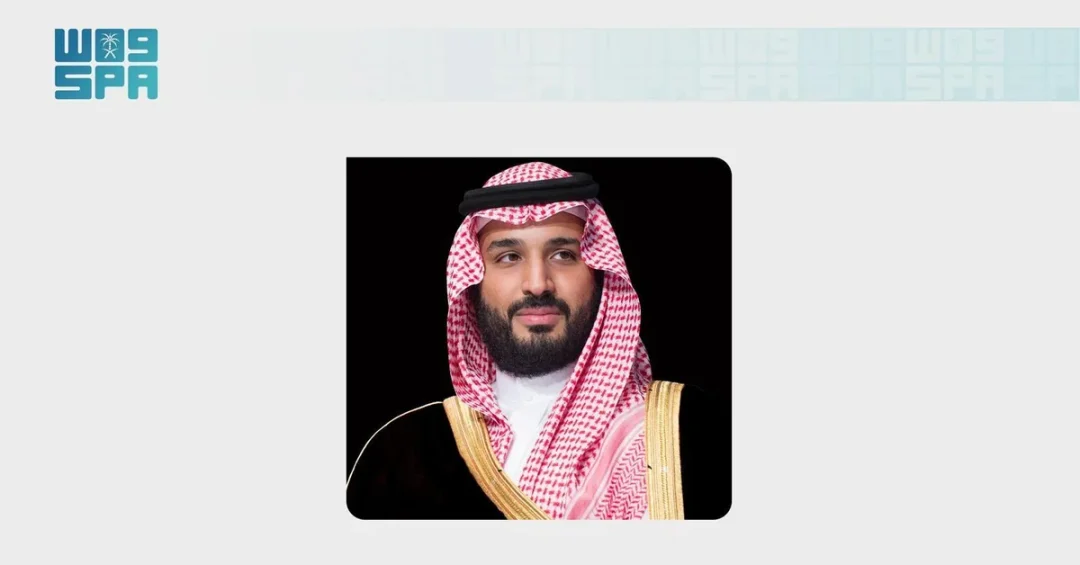
His Royal Highness Prince Mohammed bin Salman bin Abdulaziz Al Saud, Crown Prince and Prime Minister, received a phone call on September 29, 2026, from President of the Transitional Sovereignty Council of the Republic of Sudan, Abdel Fattah Al-Burhan, according to the Saudi Press Agency. During the call, HRH the Crown Prince affirmed the Kingdom of Saudi Arabia’s steadfast commitment to Sudan’s stability and the preservation of its sovereignty, unity, and territorial integrity. The two leaders discussed the importance of supporting all efforts aimed at achieving stability in Sudan, paving the way for comprehensive development and the safe return of displaced persons and refugees to their homes.
The telephone conversation, announced through official Saudi channels, underscores the Kingdom’s continuing diplomatic engagement with Sudan at a time when the country faces significant humanitarian and political challenges. Saudi Arabia has consistently positioned itself as a stabilizing force in the region, using its diplomatic weight and humanitarian resources to encourage peaceful resolutions to conflicts and to support the restoration of normal life in affected communities. This latest call reflects that enduring commitment and highlights the depth of the relationship between Riyadh and Khartoum. For observers of regional affairs, the exchange carries weight beyond the immediate conversation, signaling Saudi Arabia’s readiness to remain actively involved in supporting Sudan’s path toward peace and recovery.
Context and Background
What does this call reveal about Saudi Arabia’s diplomatic priorities in the region? The phone call between HRH the Crown Prince and President Abdel Fattah Al-Burhan comes amid sustained international attention on Sudan’s stability and the well-being of its people. Sudan has long been a neighbor and partner of the Kingdom of Saudi Arabia, sharing deep historical, cultural, and economic ties. The Transitional Sovereignty Council, led by President Al-Burhan, represents the governing authority in Khartoum, and Saudi Arabia has maintained open channels of communication with Sudanese leadership throughout various phases of the country’s political transition. This call is the latest in a series of high-level contacts that demonstrate Riyadh’s consistent approach to regional diplomacy.
Saudi Arabia’s interest in Sudan’s stability is rooted in both geographic proximity and shared strategic interests. The Red Sea corridor, which both countries border, is vital to global trade and regional security. Instability in Sudan has the potential to affect maritime security, disrupt trade routes, and exacerbate humanitarian challenges that can spill across borders. By maintaining direct communication with Sudan’s leadership, the Kingdom contributes to efforts aimed at preventing further deterioration and encouraging constructive dialogue among Sudanese stakeholders. The call also reflects the Kingdom’s broader foreign policy principle of supporting legitimate governance and territorial integrity in neighboring states, a stance that has been articulated consistently by Saudi officials in international forums.
Key Details of the Call
What specific commitments did HRH the Crown Prince emphasize during the conversation? According to the Saudi Press Agency, HRH the Crown Prince affirmed the Kingdom’s commitment to Sudan’s stability, sovereignty, unity, and territorial integrity. These four principles form the core of Saudi Arabia’s position on Sudan and have been reiterated in previous diplomatic engagements. The Crown Prince also expressed Saudi Arabia’s support for all efforts to achieve stability in Sudan, with a particular focus on creating conditions that would allow for comprehensive development and the return of displaced persons and refugees to their homes. This emphasis on refugee return highlights the humanitarian dimension of the crisis and the Kingdom’s desire to see normal life restored across Sudan.
The call also reflects the personal diplomacy of HRH the Crown Prince, who has been actively engaged in regional and international affairs as part of Saudi Arabia’s Vision 2030-driven foreign policy. Under his leadership, the Kingdom has expanded its diplomatic footprint, mediating in regional disputes and providing humanitarian assistance to countries in need. Sudan has been a recipient of Saudi humanitarian aid, including food, medical supplies, and shelter materials, delivered through the King Salman Humanitarian Aid and Relief Center (KSrelief). The phone call builds on this track record and reinforces the message that Saudi Arabia remains a reliable partner for Sudan during difficult times. The conversation was conducted in a spirit of mutual respect and shared interest in regional peace.
International and Regional Impact
How might this call influence broader regional dynamics? Saudi Arabia’s engagement with Sudan is part of a wider pattern of diplomatic activity aimed at promoting stability across the Middle East and Africa. The Kingdom has consistently advocated for peaceful solutions to conflicts, supporting United Nations and African Union initiatives where appropriate. By speaking directly with President Al-Burhan, HRH the Crown Prince reinforces the importance of Sudanese-led solutions to Sudan’s challenges, while offering Saudi support for those efforts. This approach aligns with the Kingdom’s longstanding policy of non-interference in the internal affairs of other states, combined with a willingness to facilitate dialogue and provide humanitarian assistance.
The call also sends a signal to the international community that Saudi Arabia remains a constructive actor in African affairs. As a member of the G20 and a leading voice in the Arab and Islamic worlds, the Kingdom’s positions carry weight. Its emphasis on Sudan’s sovereignty and territorial integrity resonates with principles enshrined in the United Nations Charter and the African Union’s constitutive act. For Sudan’s neighbors and international partners, the Saudi stance provides reassurance that efforts to stabilize the country are supported by a major regional power. This can encourage other countries and organizations to increase their own engagement, whether through humanitarian aid, development assistance, or diplomatic support for a negotiated political process.
Economic and Strategic Significance
Why does Sudan’s stability matter for Saudi Arabia’s economic and strategic interests? Sudan occupies a strategically important position on the Red Sea, sharing coastlines that are critical to global shipping and energy transport. The Kingdom’s Vision 2030 includes ambitious plans to develop its own Red Sea coast, including the NEOM project and other tourism and logistics initiatives. A stable Sudan contributes to the security of this vital maritime corridor, reducing risks to trade and investment. Moreover, Sudan possesses significant agricultural potential and natural resources, and a peaceful, prosperous Sudan could become a valuable economic partner for Saudi Arabia in areas such as food security, mining, and infrastructure development.
Saudi Arabia has already demonstrated its economic interest in Sudan through investments and trade. The Saudi Fund for Development has financed projects in Sudan in sectors such as energy, transport, and water. These investments are designed to improve living conditions and create economic opportunities, which in turn contribute to stability. The Crown Prince’s call can be seen as a reaffirmation of the Kingdom’s long-term commitment to Sudan’s development, even as the country navigates its current challenges. By linking stability to development and refugee return, Saudi Arabia is articulating a holistic approach that addresses both immediate humanitarian needs and the underlying conditions for lasting peace. This approach is consistent with Vision 2030’s emphasis on sustainable development and regional cooperation.
Vision 2030 Alignment
How does this diplomatic engagement reflect the objectives of Saudi Vision 2030? Saudi Vision 2030, launched by HRH the Crown Prince in 2016, aims to diversify the Kingdom’s economy, strengthen its global role, and improve the quality of life for its citizens and residents. A key pillar of the vision is the development of a robust foreign policy that protects Saudi interests and contributes to regional and global stability. The call with President Al-Burhan is a practical example of this pillar in action. It demonstrates the Kingdom’s proactive approach to diplomacy, using high-level communication to address challenges before they escalate and to build partnerships that support shared goals. By supporting Sudan’s stability, Saudi Arabia contributes to a more secure and prosperous region, which in turn benefits the Kingdom’s own security and economic interests.
Furthermore, the humanitarian dimension of the call aligns with Vision 2030’s emphasis on social responsibility and global citizenship. Saudi Arabia has a long tradition of providing aid to countries in need, and this is institutionalized through KSrelief and other agencies. The Crown Prince’s focus on the return of displaced persons and refugees to their homes reflects a commitment to restoring dignity and normalcy for affected populations. As the Kingdom continues to implement Vision 2030, its foreign policy will remain anchored in the principles of stability, development, and cooperation. This call is a clear signal that Saudi Arabia will continue to play an active and constructive role in supporting its neighbors and partners, including Sudan, on the path to peace and prosperity.
20 Questions
Q1. Who received the phone call from the President of Sudan’s Transitional Sovereignty Council?
A1. His Royal Highness Prince Mohammed bin Salman bin Abdulaziz Al Saud, Crown Prince and Prime Minister of Saudi Arabia, received the call from President Abdel Fattah Al-Burhan, according to the Saudi Press Agency.
Q2. When did the phone call take place?
A2. The call took place on September 29, 2026, as reported by the Saudi Press Agency, which published the announcement at 13:21 local time in Riyadh.
Q3. What did HRH the Crown Prince affirm during the call?
A3. He affirmed the Kingdom’s commitment to Sudan’s stability and the preservation of its sovereignty, unity, and territorial integrity, reiterating Saudi Arabia’s support for all efforts to achieve stability in Sudan.
Q4. What did the Crown Prince say about displaced persons and refugees?
A4. He emphasized Saudi Arabia’s support for efforts that pave the way for comprehensive development and the return of displaced persons and refugees to their homes, highlighting the humanitarian dimension of the crisis.
Q5. Who is Abdel Fattah Al-Burhan?
A5. Abdel Fattah Al-Burhan is the President of the Transitional Sovereignty Council of the Republic of Sudan, the governing authority in Khartoum with which Saudi Arabia maintains diplomatic communication.
Q6. Why is Sudan important to Saudi Arabia?
A6. Sudan shares historical, cultural, and economic ties with Saudi Arabia and is strategically located along the Red Sea, making its stability important for regional security and trade.
Q7. How does this call reflect Saudi Arabia’s foreign policy?
A7. It demonstrates the Kingdom’s proactive diplomacy, commitment to regional stability, and support for legitimate governance and territorial integrity in neighboring states, consistent with Vision 2030 objectives.
Q8. What is the Transitional Sovereignty Council?
A8. The Transitional Sovereignty Council is the governing body of Sudan, led by President Abdel Fattah Al-Burhan, representing the country’s leadership during its political transition.
Q9. Has Saudi Arabia provided humanitarian aid to Sudan?
A9. Yes, Saudi Arabia has delivered humanitarian assistance to Sudan through the King Salman Humanitarian Aid and Relief Center (KSrelief), including food, medical supplies, and shelter materials.
Q10. What role does the Red Sea play in Saudi-Sudan relations?
A10. The Red Sea is a vital corridor for global trade and energy transport, and both countries border it. Stability in Sudan contributes to maritime security and the protection of trade routes.
Q11. How does this call align with Vision 2030?
A11. Vision 2030 emphasizes a robust foreign policy and global engagement. The call reflects the Kingdom’s proactive approach to diplomacy and its commitment to regional stability, which supports Saudi economic and security interests.
Q12. What economic interests does Saudi Arabia have in Sudan?
A12. Saudi Arabia has invested in Sudan through the Saudi Fund for Development in sectors such as energy, transport, and water, and sees potential for cooperation in agriculture, mining, and infrastructure.
Q13. What does Saudi Arabia mean by supporting Sudan’s sovereignty?
A13. It means respecting Sudan’s independence and territorial integrity, opposing external interference, and supporting Sudanese-led solutions to the country’s challenges.
Q14. How does this call contribute to regional stability?
A14. By maintaining high-level communication with Sudan’s leadership, Saudi Arabia encourages peaceful dialogue and supports efforts to prevent further deterioration, contributing to stability in the region.
Q15. What is the significance of the Crown Prince’s personal involvement?
A15. It underscores the importance Saudi Arabia places on Sudan and reflects the Crown Prince’s active role in regional diplomacy as part of the Kingdom’s Vision 2030-driven foreign policy.
Q16. Will Saudi Arabia continue to engage with Sudan?
A16. Yes, the call reaffirms the Kingdom’s long-term commitment to Sudan’s stability and development, and Saudi Arabia is expected to remain actively engaged in supporting peace efforts.
Q17. What international principles guide Saudi Arabia’s position on Sudan?
A17. Saudi Arabia’s position is guided by the principles of the United Nations Charter, including respect for sovereignty, territorial integrity, and non-interference in internal affairs.
Q18. How can other countries support Sudan according to Saudi Arabia?
A18. Saudi Arabia encourages international support for Sudan’s stability, including humanitarian aid, development assistance, and diplomatic backing for a negotiated political process.
Q19. What is the expected outcome of this call?
A19. The call is expected to reinforce Saudi-Sudan relations, support ongoing efforts to stabilize Sudan, and facilitate the return of displaced persons and refugees, paving the way for development.
Q20. Where can I find more information about Saudi Arabia’s diplomatic efforts?
A20. Official announcements are available through the Saudi Press Agency and government ministries. ksa.com provides ongoing coverage of Saudi Arabia’s regional and international engagement.
Reader Feedback
We value your thoughts. Please share your feedback on this article.
Your feedback helps us improve our coverage.
Related articles
 Jeddah Governor Receives Portuguese Secretary of State
 WAMY Hosts Seminar on Charities-Private Sector Ties in Sudan
 Saudi FM Meets US Envoy to UN in Washington
 31 Recommendations Issued at International Conference on Efforts to Counter Intellectual Deviations
 Uttar Pradesh Flood Death Toll Rises to 81, Official Report Says
 IMCTC, Senegal Discuss Enhanced Counter-Terrorism Cooperation