


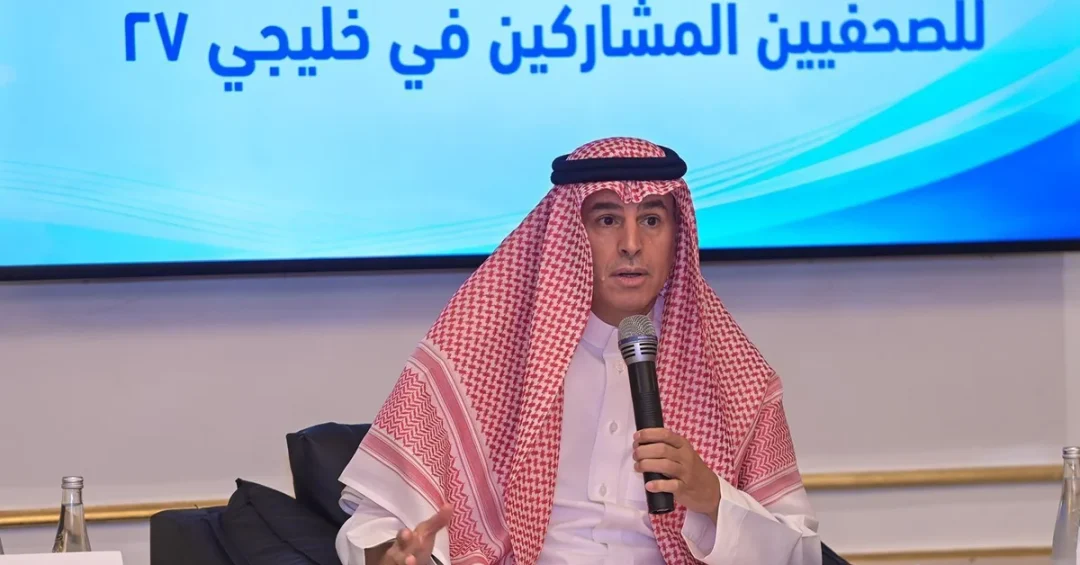
The Arab Sports Press Association (ASPA) concluded its first training program dedicated to digital content creation for sports media professionals in Jeddah on September 29, 2026, marking a significant step in regional cooperation to modernize sports journalism across the Arab world. The two-day program was held alongside the 27th Arabian Gulf Cup football tournament and was jointly organized by ASPA and the Saudi Sports Media Federation, in cooperation with the International Sports Press Association (AIPS). Participants were nominated by the Gulf federations taking part in the tournament, bringing together emerging and established media professionals from across the region. Have you ever considered how quickly the tools of sports storytelling are changing for journalists covering the beautiful game?
The initiative reflects a growing recognition that sports media is no longer limited to match reports and post-game interviews. Digital platforms, social video, data visualization, and real-time audience engagement now shape how fans experience tournaments such as the Arabian Gulf Cup. By hosting the program in Jeddah during one of the region’s most prominent football competitions, the organizers ensured that participants could apply new skills in a live, high-pressure environment. The presence of Gianni Merlo, President of the International Sports Press Association, at the closing ceremony underscored the global relevance of this regional effort and the importance of professional standards in sports reporting.
Context and Background
Why does a training program for sports journalists matter beyond the newsroom? The answer lies in the rapid transformation of the media landscape across the Middle East and North Africa. Sports audiences in the Gulf region are among the most digitally connected in the world, consuming highlights, analysis, and behind-the-scenes content across smartphones, streaming platforms, and social media. This shift has created new demands on sports media professionals, who must now master not only traditional reporting but also mobile video production, audience analytics, and multiplatform storytelling. The Arab Sports Press Association recognized that gap and partnered with the Saudi Sports Media Federation to address it directly.
The 27th Arabian Gulf Cup provided an ideal backdrop for the program. Held in Jeddah, the tournament brought together national teams and media delegations from across the Gulf, creating a concentrated pool of talented journalists and content creators. The Saudi Sports Media Federation, which operates under the Kingdom’s broader efforts to elevate sports professionalism, coordinated with ASPA to nominate participants from the various Gulf federations. This structure ensured that the training was not limited to Saudi professionals but served as a regional capacity-building exercise, strengthening ties among media institutions that cover the same competitions and share common challenges.
The involvement of the International Sports Press Association added an important international dimension. AIPS, which represents sports journalists worldwide, has long advocated for training, ethical standards, and the protection of press freedom in sports coverage. Its cooperation with ASPA and the Saudi Sports Media Federation signals that the Gulf region is being integrated into global conversations about the future of sports journalism. For participants, the opportunity to learn under the AIPS umbrella and to interact with its leadership represented a valuable bridge between regional practice and international best practice.
Key Details of the Training Program
What exactly did the participants learn during the two-day program? The curriculum was designed around digital content creation, with theoretical sessions and practical workshops led by media professional Dima Al-Sayeh and trainer Abdelrahman Amroon. The sessions covered the fundamentals of producing engaging digital content for sports audiences, including short-form video, live blogging, social media strategy, and the use of analytics to understand audience behavior. Participants also explored how to maintain accuracy and editorial integrity while working at the speed demanded by digital platforms, a balance that is increasingly difficult to strike during major tournaments.
The practical workshops allowed participants to apply what they learned in real time, using the Arabian Gulf Cup as a live case study. They produced content around matches, interviewed players and officials, and received feedback from the trainers and their peers. This hands-on approach is widely considered more effective than classroom-only instruction, because it forces participants to confront the logistical and creative challenges of covering a major event. The fact that the program was conducted during the tournament, rather than before or after it, gave the training an immediacy and relevance that participants could immediately translate into their daily work.
The closing ceremony was attended by Gianni Merlo, President of the International Sports Press Association, along with sports officials and media figures from across the region. Merlo’s presence highlighted the international sports media community’s interest in the Gulf’s growing role as a host of major sporting events and as a source of professional talent. The ceremony also served as a platform to recognize the participants’ achievements and to reinforce the message that investment in human capital is essential to the continued growth of sports media in the Arab world.
International and Regional Impact
How does a two-day training program in Jeddah resonate beyond the Kingdom’s borders? The answer lies in the interconnected nature of Gulf sports. The Arabian Gulf Cup is a regional competition that draws intense media attention across multiple countries, and the journalists who cover it often work side by side in mixed zones, press tribunes, and broadcast centers. By training participants from different Gulf federations together, ASPA and its partners are building a shared professional culture that can improve the quality and consistency of coverage across the region. This kind of cooperation reduces the risk of miscommunication and raises the overall standard of reporting on Arab football.
The program also strengthens the relationship between regional sports media and international bodies such as AIPS. In a globalized sports landscape, where events are broadcast to audiences on every continent, the ability of Arab sports journalists to meet international standards is a matter of professional pride and practical necessity. AIPS has consistently emphasized the importance of training and mentorship, and its partnership with ASPA demonstrates that the Arab sports media community is committed to those same values. For international audiences, this means more reliable, insightful, and professionally produced coverage of Gulf tournaments and athletes.
Beyond football, the skills developed in the program are transferable to other sports and to the broader media economy. Saudi Arabia is investing heavily in sports as part of its Vision 2030 strategy, hosting international events ranging from Formula 1 to tennis and esports. A cadre of well-trained digital sports journalists is essential to telling those stories to the world, attracting audiences, and showcasing the Kingdom’s capabilities as a host. The Jeddah program is therefore not just about one tournament; it is about building the human infrastructure for a sports and media ecosystem that will grow for years to come.
Economic and Strategic Significance
Why should the business and policy communities pay attention to sports media training? The sports sector is a significant and growing component of the Gulf’s economic diversification strategies. Saudi Arabia’s Vision 2030 includes ambitious targets for sports participation, event hosting, and media production, all of which depend on skilled professionals. A thriving sports media industry supports tourism, sponsorship, broadcasting rights, and digital advertising, creating jobs and generating economic value. By investing in the skills of sports journalists, ASPA and the Saudi Sports Media Federation are contributing to the development of a knowledge-based economy that complements the region’s traditional strengths in energy and finance.
The program also reinforces Saudi Arabia’s position as a convenor of regional and international sporting events. Jeddah, a historic gateway city on the Red Sea, has become a hub for major competitions and cultural gatherings. Hosting the 27th Arabian Gulf Cup and an associated media training initiative demonstrates the Kingdom’s capacity to manage complex events that bring together diverse stakeholders. For international partners, this signals reliability and a commitment to excellence. For young Saudi professionals, it offers a pathway into a dynamic industry that is increasingly central to the Kingdom’s global identity.
From a strategic perspective, the training program aligns with the broader goal of enhancing the quality and reach of Arab media. Accurate, professional sports coverage can foster regional unity, celebrate shared cultural heritage, and project a positive image of the Arab world to global audiences. The involvement of AIPS adds a layer of international credibility, helping to counter stereotypes and promote a more nuanced understanding of the region’s sporting and media landscape. In this sense, the Jeddah program is a small but meaningful piece of a much larger effort to strengthen the Arab world’s voice in global conversations.
Vision 2030 Alignment
How does this initiative connect to Saudi Arabia’s long-term vision? Vision 2030 seeks to diversify the economy, empower citizens, and position the Kingdom as a global leader in various fields, including sports and media. The Saudi Sports Media Federation’s participation in the program reflects the vision’s emphasis on developing human capital and fostering international partnerships. By equipping sports media professionals with digital skills, the program supports the creation of a vibrant media sector that can compete on the world stage and contribute to the Kingdom’s soft power. It also aligns with the Quality of Life program, which aims to expand cultural and recreational opportunities for residents and visitors alike.
Moreover, the program demonstrates the Vision 2030 principle of regional cooperation. Saudi Arabia has consistently sought to strengthen ties with its Gulf neighbors and to collaborate on initiatives that benefit the entire region. The Jeddah training brought together participants from multiple Gulf federations, reinforcing the bonds that make events like the Arabian Gulf Cup possible. As the Kingdom continues to host world-class sporting events and to invest in media infrastructure, programs like this will help ensure that the stories of Arab athletes and competitions are told with professionalism, creativity, and integrity. The closing ceremony, attended by AIPS President Gianni Merlo and regional media figures, was not just an ending but a starting point for a new generation of sports storytellers.
In the years ahead, the Arab Sports Press Association and its partners are expected to build on this first program, expanding its reach and deepening its curriculum. For Saudi Arabia, the initiative is another example of how Vision 2030 is translating into concrete action, creating opportunities for young people, strengthening regional ties, and enhancing the Kingdom’s reputation as a hub for sports and media excellence. The world is watching the Gulf’s sporting rise; thanks to programs like this, it will also be reading and watching it through the eyes of well-trained, digitally savvy Arab journalists.
20 Questions
Q1. What was the main purpose of the Arab Sports Press Association training program in Jeddah?
A1. The program aimed to develop digital content creation skills for sports media professionals, using theoretical sessions and practical workshops during the 27th Arabian Gulf Cup to enhance regional sports journalism standards.
Q2. When and where did the first ASPA training program take place?
A2. It concluded on September 29, 2026, in Jeddah, Saudi Arabia, after two days of activities held alongside the 27th Arabian Gulf Cup football tournament.
Q3. Which organizations jointly organized the training program?
A3. The Arab Sports Press Association and the Saudi Sports Media Federation organized it in cooperation with the International Sports Press Association (AIPS).
Q4. Who were the trainers leading the sessions?
A4. Media professional Dima Al-Sayeh and trainer Abdelrahman Amroon led the theoretical sessions and practical workshops, sharing their expertise with participants.
Q5. How were participants selected for the program?
A5. Participants were nominated by the Gulf federations taking part in the 27th Arabian Gulf Cup, ensuring a regional mix of sports media professionals.
Q6. What skills did the training focus on?
A6. The program focused on digital content creation, including short-form video, social media strategy, live blogging, audience analytics, and maintaining editorial integrity in fast-paced environments.
Q7. Who attended the closing ceremony?
A7. AIPS President Gianni Merlo attended alongside sports officials and media figures, highlighting international interest in the initiative.
Q8. Why was the program held during the Arabian Gulf Cup?
A8. Holding it during the tournament allowed participants to apply their new skills in a live, high-pressure environment, covering real matches and events.
Q9. What is the significance of AIPS involvement?
A9. AIPS cooperation adds international credibility, connects regional journalists to global standards, and reinforces ethical and professional practices in sports media.
Q10. How does the program benefit sports journalism in the Gulf region?
A10. It builds a shared professional culture, improves coverage quality, and strengthens cooperation among media professionals who cover the same regional competitions.
Q11. What is the Arab Sports Press Association?
A11. ASPA is a regional organization dedicated to supporting sports media professionals across the Arab world through training, networking, and advocacy.
Q12. How does the initiative align with Saudi Vision 2030?
A12. It supports human capital development, media sector growth, and regional cooperation, all of which are key pillars of Vision 2030’s economic and social goals.
Q13. What economic benefits can result from sports media training?
A13. It supports jobs, sponsorship, broadcasting, tourism, and digital advertising, contributing to a diversified knowledge-based economy in the Gulf.
Q14. Will the program be repeated or expanded?
A14. While future plans were not specified, the organizers are expected to build on this first program to expand its reach and curriculum.
Q15. How does this program affect international audiences?
A15. It leads to more reliable, insightful, and professionally produced coverage of Gulf sports, helping global fans better understand regional tournaments and athletes.
Q16. What role does the Saudi Sports Media Federation play?
A16. It co-organized the program, coordinated participant nominations, and supports the development of sports media professionals in the Kingdom.
Q17. What makes digital content creation important for sports media today?
A17. Audiences increasingly consume sports via smartphones and social platforms, requiring journalists to master mobile video, analytics, and multiplatform storytelling.
Q18. How does the program promote regional unity?
A18. By bringing together participants from different Gulf federations, it fosters shared professional standards and collaboration across national media outlets.
Q19. What was the duration of the training program?
A19. The program lasted two days, combining theoretical sessions and practical workshops during the 27th Arabian Gulf Cup in Jeddah.
Q20. What is the broader significance of this initiative for Arab sports media?
A20. It represents a step toward modernizing sports journalism in the Arab world, enhancing global competitiveness, and supporting the region’s growing role in international sports.
Reader Feedback
We value your thoughts. Please share your feedback on this article.
Your feedback helps us improve our coverage.
Related articles
 Saudi FM, US Secretary of State Discuss Strategic Ties
 Saudi Ministry Launches 14th Scholarly Course in Ethiopia
 Shura Council Speaker, North Macedonia Parliament President Hold Talks in Riyadh
 Riyadh Mayor Attends Chinese National Day Reception
 SCOP Joins 2026 Gallup International Conference in Budapest
 AGFUND Strengthens Global Partnerships at Concordia Summit