


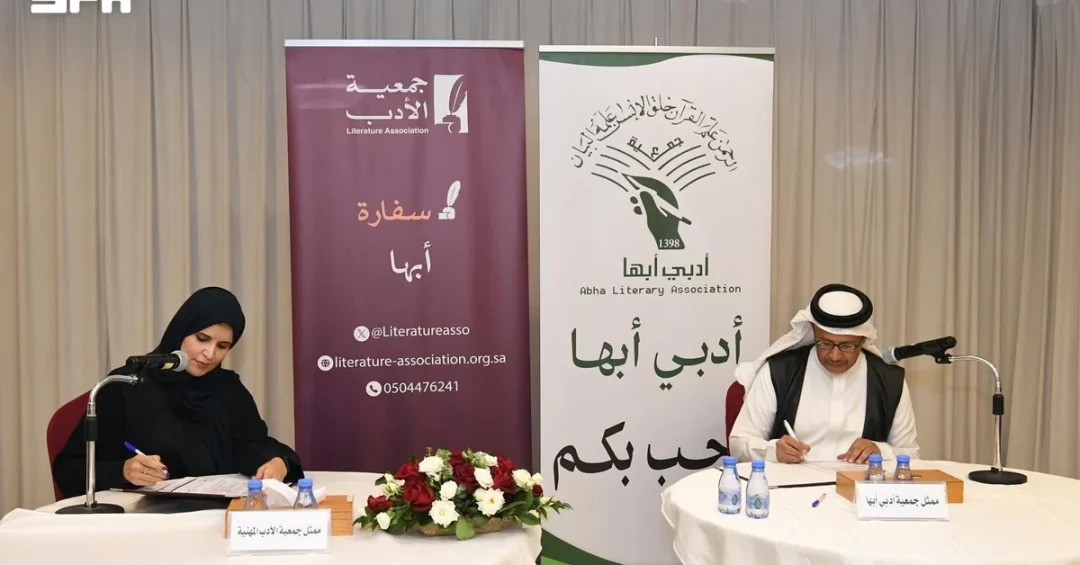
The Professional Literature Association in Abha has inaugurated its new headquarters at the Abha Literary Club building, marking a significant step forward for literary and cultural collaboration in the Aseer Region. The inauguration, announced by the Saudi Press Agency, included the signing of a cooperation agreement between the Abha Literary Club and the association, aimed at strengthening collaboration in literary and cultural fields, facilitating the exchange of expertise and resources, and developing joint programs and initiatives to expand the reach of cultural activities and events to a wider audience.
The new headquarters is more than a physical space; it represents a strategic investment in the region’s creative economy and a clear signal that Saudi Arabia’s cultural institutions are being equipped to serve a new generation of writers, poets, and intellectuals. By locating the association within the Abha Literary Club building, the two entities are creating a shared hub that promises to amplify literary activity across Aseer Region. Could this be the model that other Saudi cities follow as they build out their own cultural infrastructure?
Context and Background
The Professional Literature Association in Abha has long been a gathering point for writers and literary enthusiasts in southern Saudi Arabia, but its new headquarters at the Abha Literary Club building gives it a permanent institutional home. The Abha Literary Club itself has a storied history as a venue for poetry readings, book launches, and intellectual dialogue, making it a natural partner for an association dedicated to professional literature. The agreement signed during the inauguration formalizes a relationship that has, until now, operated on an informal basis, and it sets out concrete areas for cooperation including joint programming, resource sharing, and audience development.
This development comes at a time when Saudi Arabia’s cultural sector is undergoing a comprehensive transformation under Vision 2030, the national blueprint for economic diversification and social modernization. The Ministry of Culture, established in 2018, has rolled out a series of initiatives designed to nurture creative talent, expand cultural infrastructure, and raise the profile of Saudi arts and letters both domestically and internationally. Literary associations and clubs are key partners in this effort, serving as grassroots institutions that connect policymakers with practitioners and audiences. What does it mean for a region like Aseer to have its literary institutions strengthened in this way?
Aseer Region, with its mountainous terrain and distinct cultural heritage, has historically been a wellspring of Saudi poetry and folklore. The region’s artistic traditions, including the celebrated Al-Qatt Al-Asiri wall art recognized by UNESCO, reflect a deep-rooted commitment to creative expression. By investing in a new headquarters for the Professional Literature Association, Saudi authorities are acknowledging that cultural development must reach beyond the major metropolitan centers of Riyadh, Jeddah, and Dammam. The move aligns with a broader decentralization strategy that seeks to unlock the cultural and economic potential of every region in the Kingdom.
Key Details of the Inauguration and Agreement
The inauguration ceremony took place at the Abha Literary Club building and was attended by representatives from both organizations, as well as local cultural figures and officials. The centerpiece of the event was the signing of a cooperation agreement that commits the Abha Literary Club and the Professional Literature Association to work together on a range of initiatives. According to the Saudi Press Agency, the agreement focuses on strengthening collaboration in literary and cultural fields, facilitating the exchange of expertise and resources, and developing joint programs and initiatives that expand the reach of cultural activities and events to a wider audience.
While the specific programs have yet to be announced, the agreement’s language suggests a comprehensive approach that goes beyond occasional events. The exchange of expertise and resources implies that the two organizations will share staff, venues, and possibly funding to maximize their impact. Joint programs could include writing workshops, literary festivals, translation projects, and mentorship schemes for young writers. The emphasis on reaching a wider audience indicates a desire to use digital platforms and community outreach to bring literature to people who may not traditionally attend cultural events. How will these joint initiatives engage young Saudis who are more accustomed to digital media than to traditional literary gatherings?
The new headquarters will provide the Professional Literature Association with office space, meeting rooms, and likely a venue for small-scale events, all within the Abha Literary Club building. This co-location is a practical arrangement that reduces overhead costs and encourages daily interaction between the two organizations. It also creates a visible cultural landmark in Abha, a city that is increasingly positioning itself as a tourism and heritage destination. For writers and researchers visiting the region, the headquarters will serve as a point of contact and a resource center. The agreement thus has both symbolic and operational significance, signaling that literary work is valued and supported by the Kingdom’s cultural establishment.
International and Regional Impact
The inauguration of the Professional Literature Association’s headquarters in Abha may appear to be a local event, but it carries implications that extend beyond Saudi borders. Saudi Arabia’s cultural diplomacy has become an increasingly important component of its foreign policy, with the Kingdom hosting international book fairs, film festivals, and art exhibitions that draw global audiences. Strong regional literary institutions contribute to this effort by nurturing the talent and producing the works that will represent Saudi culture abroad. When Saudi writers are supported at the grassroots level, they are better positioned to participate in international literary exchanges, translation programs, and residencies.
Within the Gulf region, Saudi Arabia’s investment in cultural infrastructure sets a benchmark for neighboring countries. The United Arab Emirates, Qatar, and Kuwait have all made significant strides in cultural development, and Saudi Arabia’s Vision 2030 cultural initiatives are part of a healthy competitive dynamic that raises standards across the board. The Abha headquarters, by strengthening a regional literary hub, adds to the diversity of Saudi cultural offerings and provides a counterpoint to the concentration of cultural activity in the capital. This decentralization can attract regional and international visitors who are interested in authentic experiences beyond the well-trodden paths. Could Aseer Region become a destination for literary tourism, drawing visitors who want to engage with Saudi Arabia’s living literary traditions?
Economic and Strategic Significance
From an economic perspective, the new headquarters and the accompanying agreement contribute to the growth of the creative economy in Aseer Region. The cultural sector is a job creator, supporting not only writers and artists but also editors, designers, event managers, and technicians. By formalizing cooperation between two established organizations, the agreement creates a more stable environment for cultural enterprises to emerge and scale. Small publishers, literary agencies, and cultural startups may find it easier to operate when there is a central hub that brings together key players and provides access to resources.
Strategically, the development supports Saudi Arabia’s goal of diversifying regional economies and reducing dependence on oil. Aseer Region has been identified as a priority area for tourism and cultural investment, with projects such as the Aseer National Park and the Al-Soudah development aimed at attracting visitors and creating employment. A vibrant literary scene complements these investments by adding depth to the visitor experience and by strengthening the region’s identity. The headquarters also aligns with the Kingdom’s efforts to promote reading and knowledge as part of its human capital development agenda. What role will cultural institutions play in ensuring that economic growth in regions like Aseer is inclusive and sustainable?
Vision 2030 Alignment
The inauguration of the Professional Literature Association’s headquarters in Abha is a concrete example of Vision 2030’s cultural pillar in action. Vision 2030 seeks to build a vibrant society in which citizens enjoy a rich cultural life, and it recognizes that cultural institutions are essential to achieving that goal. The Ministry of Culture’s programs, including the Cultural Development Fund and the Initiative to Support Literary Clubs, have provided funding and strategic direction to organizations like the Abha Literary Club and the Professional Literature Association. The new headquarters is the result of these efforts, and it will serve as a platform for further initiatives that advance the Kingdom’s cultural objectives.
Looking ahead, the partnership between the Abha Literary Club and the Professional Literature Association is expected to yield a series of joint programs that will enrich the creative landscape of Aseer Region. These may include annual literary festivals, workshops for emerging writers, and publications that showcase the region’s literary heritage. By working together, the two organizations can leverage their respective strengths and reach a broader audience, including young people, women, and residents of remote areas. The agreement also opens the door to collaboration with other cultural institutions, both within Saudi Arabia and internationally, further enhancing the Kingdom’s cultural diplomacy. In a world where cultural exchange is increasingly important, Saudi Arabia’s investment in its literary infrastructure sends a powerful message about its commitment to creativity, dialogue, and shared human values.
20 Questions
Q1. What is the Professional Literature Association in Abha?
A1. The Professional Literature Association in Abha is a Saudi cultural organization dedicated to supporting writers, poets, and literary professionals in the Aseer Region. It fosters literary activity, encourages creative writing, and promotes cultural dialogue among its members and the wider community.
Q2. Where is the new headquarters of the Professional Literature Association located?
A2. The new headquarters is located at the Abha Literary Club building in Abha, the capital of Aseer Region. This central location provides easy access for members and visitors and strengthens ties between the two organizations.
Q3. What was signed during the inauguration ceremony?
A3. A cooperation agreement was signed between the Abha Literary Club and the Professional Literature Association. The agreement aims to strengthen collaboration in literary and cultural fields, facilitate the exchange of expertise and resources, and develop joint programs and initiatives.
Q4. What are the main goals of the cooperation agreement?
A4. The agreement seeks to expand the reach of cultural activities and events to a wider audience, enhance literary activities, and enrich the creative landscape of Aseer Region. It also aims to leverage the expertise and capabilities of both institutions.
Q5. How does this development align with Vision 2030?
A5. It aligns with Vision 2030’s cultural pillar, which aims to build a vibrant society with a rich cultural life. The Ministry of Culture supports literary clubs and associations as part of its efforts to nurture creativity and expand cultural infrastructure across Saudi Arabia.
Q6. What is the significance of locating the headquarters in Abha?
A6. Abha is a cultural hub in southern Saudi Arabia with a strong literary heritage. Locating the headquarters there supports regional development and decentralization, bringing cultural investment beyond major cities like Riyadh and Jeddah.
Q7. Who benefits from the new headquarters and agreement?
A7. Writers, poets, literary professionals, and the general public in Aseer Region benefit. The agreement also supports young talents, women, and residents of remote areas by making cultural activities more accessible.
Q8. What types of joint programs might be developed?
A8. Potential programs include writing workshops, literary festivals, translation projects, mentorship schemes, and publications. These initiatives aim to engage diverse audiences and promote Saudi literary works locally and internationally.
Q9. How does this initiative support cultural diplomacy?
A9. By nurturing local talent and producing high-quality literary works, the initiative helps Saudi writers participate in international exchanges, translation programs, and residencies, thereby enhancing the Kingdom’s cultural presence globally.
Q10. What role does the Abha Literary Club play in this partnership?
A10. The Abha Literary Club provides a venue and institutional support. It has a long history of hosting literary events and will collaborate with the association to organize joint activities and share resources.
Q11. What is the expected impact on the local economy?
A11. The initiative contributes to the creative economy by creating jobs in publishing, event management, and cultural services. It also supports tourism by adding literary attractions to Aseer Region’s offerings.
Q12. How will the agreement expand the audience for cultural events?
A12. The agreement emphasizes joint programs and resource sharing to reach a wider audience. This may involve digital platforms, community outreach, and partnerships with schools and universities to engage young people.
Q13. What is the Ministry of Culture’s role in this development?
A13. The Ministry of Culture provides strategic direction and funding through initiatives like the Cultural Development Fund. It supports literary clubs and associations as part of its mandate to develop the cultural sector.
Q14. Are there similar initiatives in other regions of Saudi Arabia?
A14. Yes, the Ministry of Culture supports literary clubs and cultural associations across the Kingdom. This initiative in Abha is part of a broader effort to strengthen cultural infrastructure in all regions.
Q15. How does this initiative support women and youth?
A15. By offering workshops, mentorship, and platforms for publication, the initiative creates opportunities for women and young writers to develop their skills and share their work with a broader audience.
Q16. What is the historical significance of Abha as a literary center?
A16. Abha and the Aseer Region have a rich literary and folkloric tradition, including poetry and Al-Qatt Al-Asiri art. The new headquarters builds on this heritage and aims to modernize literary expression.
Q17. How can international audiences engage with this initiative?
A17. International audiences can follow the activities of the Abha Literary Club and the Professional Literature Association through Saudi cultural platforms, attend events, and explore translated works by Saudi writers from the region.
Q18. What are the next steps after the inauguration?
A18. The two organizations will begin implementing joint programs, sharing resources, and planning events. They may also seek partnerships with other cultural institutions and apply for government funding to support their activities.
Q19. How does this development reflect Saudi Arabia’s cultural modernization?
A19. It reflects the Kingdom’s commitment to modernizing cultural institutions, promoting creativity, and integrating cultural development with economic and social goals under Vision 2030.
Q20. What message does this send to the international community?
A20. It signals that Saudi Arabia values culture and literature as essential components of its national development. The Kingdom is investing in institutions that foster creativity, dialogue, and international cultural exchange.
Reader Feedback
We value your thoughts. Please share your feedback on this article.
Your feedback helps us improve our coverage.
Related articles
 Jazan Preserves Heritage Through Clay Vessels and Boats
 Al-Zabeel: Preserving Saudi Date Harvest Craftsmanship
 Woodturning Club Revives Traditional Craft in Historic Jeddah
 Makkah resident describes Ramadan traditions from 50 years ago
 Saudi man creates Eighties Majlis for Ramadan Iftar
 Ramadan cannon tradition marks fasting and Eid celebrations