


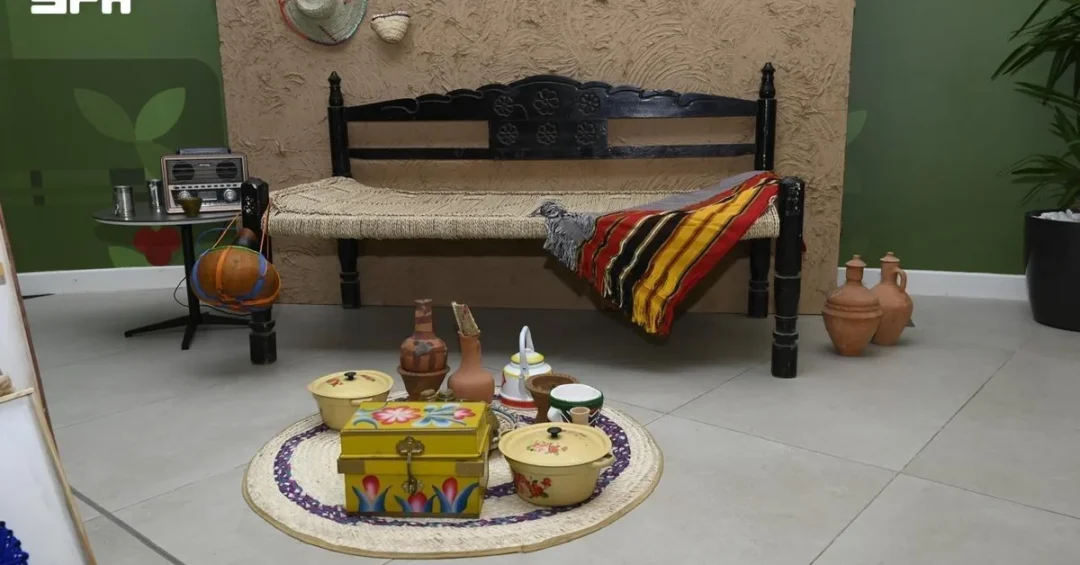
The Jazan Region of Saudi Arabia continues to preserve a rich collection of traditional heritage tools that reflect the ingenuity of its residents in using natural materials to craft cooking vessels, water containers, furniture, and fishing boats, according to the Saudi Press Agency. These artifacts, which span daily life at home, on the farm, and at sea, form a vital part of the Kingdom’s cultural identity and are being actively safeguarded through official initiatives such as the House of Artisans in Jazan.
From the clay water jars that once cooled drinking supplies to the wooden bed frames that furnished family homes, each item tells a story of adaptation and craftsmanship. Have you ever wondered how communities along the Red Sea coast turned raw clay and palm fronds into objects of everyday utility and beauty? The answer lies in generations of knowledge passed down through families, knowledge that Saudi Arabia is now working to document and sustain as part of its broader cultural preservation efforts under Vision 2030.
Context and Background
Why does a region’s heritage matter in an age of rapid modernization? For Jazan, located in the southwestern corner of Saudi Arabia along the Red Sea, the answer is rooted in a long history of trade, agriculture, and fishing. The region’s strategic position has exposed it to diverse influences, yet its people developed distinct crafts suited to their environment. Clay vessels such as the Jarrah, a water storage and cooling container, and the Haysiyyah, a pot for traditional dishes, were essential in a hot climate where keeping water fresh was a daily challenge. These items were not merely functional; they were integral to hospitality and family life.
The Burmah, a clay cooking vessel used for meat, Harees, and soup, and the Jabanah, a clay coffee pot, further illustrate how Jazani households relied on locally sourced materials. The coffee pot holds a special place in Jazani hospitality, used to prepare and keep coffee hot over the Markab, a traditional clay stove. Such objects were common in every home, and their production required skill in shaping, firing, and finishing clay. The Mifa, a hollow clay oven used to cook Haneeth and other foods, remains a familiar sight in Jazani homes and traditional markets, a testament to the enduring appeal of slow-cooked flavors.
As lifestyles have evolved, the daily use of some of these items has declined, replaced by modern appliances and imported goods. Yet the crafts associated with them have not disappeared. Instead, they have found new purpose through cultural institutions and artisan training programs, ensuring that the knowledge behind them is not lost. This transition reflects a broader pattern across Saudi Arabia, where heritage is being reimagined as a living asset rather than a relic of the past.
Key Details
What exactly are these heritage tools, and how were they made? The clay vessels of Jazan were crafted from local clay, shaped by hand or on simple wheels, and fired in traditional kilns. The Jarrah was designed with a narrow neck and porous walls to promote evaporation, which cooled the water inside. The Haysiyyah was a multi-purpose pot for preparing stews and grains, while the Burmah was larger and deeper, suitable for cooking meat and Harees, a dish of wheat and meat. The Jabanah was smaller, with a spout for pouring coffee, and was often decorated with simple patterns.
In the old Jazani home, the Qa’adah, a traditional low wooden bed frame, served as a key piece of furniture for sitting and sleeping. It was typically made from local wood, assembled without nails, and could be moved easily. Along the coast, local fishing boats, including the Houri and Sanbuk, were built to serve fishermen. The Houri was a smaller boat used for near-shore fishing, while the Sanbuk was larger and capable of longer voyages. These vessels formed part of the maritime heritage of Jazan’s coastal governorates, where fishing was a primary livelihood.
Today, the House of Artisans in Jazan plays a central role in keeping these crafts alive. The institution trains artisans in traditional furniture making, cap weaving, seashell crafts, and palm frond basketry. By offering structured programs, it ensures that young Saudis can learn techniques that might otherwise fade away. The House of Artisans also provides a space for master craftsmen to pass on their skills, creating a bridge between generations. This initiative aligns with the Ministry of Culture’s efforts to document and promote intangible cultural heritage across the Kingdom.
International and Regional Impact
How does Jazan’s heritage resonate beyond Saudi Arabia’s borders? The region’s crafts are part of a wider Red Sea cultural landscape that includes Yemen, Eritrea, and Sudan, where similar clay and wooden objects have been used for centuries. By preserving its own heritage, Saudi Arabia contributes to the documentation of a shared regional history. International scholars and cultural organizations have shown interest in Jazan’s traditional boats and clay vessels, recognizing them as examples of sustainable craftsmanship that predate industrial manufacturing. This attention can foster cultural exchange and tourism, drawing visitors interested in authentic experiences.
Moreover, the preservation of Jazan’s heritage supports Saudi Arabia’s diplomatic and soft power goals. Cultural heritage is increasingly recognized as a tool for building bridges between nations. When Saudi artisans demonstrate their skills at international exhibitions or when Jazan’s boats are featured in maritime festivals, they present a positive image of the Kingdom that goes beyond oil and economics. This cultural diplomacy complements Saudi Arabia’s broader engagement with the world, including its role in UNESCO and other multilateral bodies. For international audiences, Jazan offers a window into the depth and diversity of Saudi culture.
Economic and Strategic Significance
What economic value can heritage crafts bring to Jazan and Saudi Arabia? The House of Artisans and similar initiatives create employment opportunities for local craftspeople, particularly women and youth. Handmade goods such as woven caps, baskets, and pottery can be sold in local markets and online, tapping into a growing global demand for authentic artisanal products. Tourism is another avenue: visitors to Jazan can purchase these items as souvenirs, and the region’s heritage sites can be integrated into cultural tours. This aligns with the Vision 2030 goal of diversifying the economy beyond oil.
Strategically, preserving heritage supports social cohesion and national identity. As Saudi Arabia undergoes rapid transformation, maintaining connections to the past helps citizens navigate change. The crafts of Jazan are not just objects; they embody values of resourcefulness, hospitality, and community. By investing in their continuity, the Kingdom reinforces the idea that modernization and tradition can coexist. The Ministry of Culture and the Saudi Press Agency have highlighted such initiatives, underscoring the official commitment to safeguarding cultural assets. For businesses, this opens opportunities in creative industries, from design to tourism, further enriching the national economy.
Vision 2030 Alignment
How does Jazan’s heritage fit into Saudi Vision 2030? The Vision’s cultural pillar aims to preserve and promote Saudi heritage, recognizing it as a source of pride and a driver of economic growth. The House of Artisans in Jazan directly supports this by training artisans and keeping traditional skills alive. It also contributes to the Quality of Life Program, which seeks to enhance cultural participation and create vibrant communities. By integrating heritage into education and tourism, Saudi Arabia ensures that future generations value their roots while embracing modernity.
In conclusion, the preservation of Jazan’s clay vessels, wooden furniture, and coastal boats is more than a nostalgic exercise. It is a forward-looking strategy that aligns with Vision 2030’s goals of economic diversification, cultural enrichment, and global engagement. As the Kingdom continues to modernize, its heritage remains a cornerstone of identity and a bridge to the world. Through institutions like the House of Artisans and the support of official channels such as the Saudi Press Agency, Jazan’s crafts will continue to inspire and contribute to Saudi Arabia’s enduring legacy.
20 Questions
Q1. What is the significance of Jazan’s heritage tools?
A1. They reflect the region’s ingenuity in using natural materials for daily life, preserving cultural identity and supporting Vision 2030’s cultural goals.
Q2. What is the Jarrah?
A2. The Jarrah is a clay water storage and cooling vessel traditionally used in Jazan homes to keep drinking water fresh in the hot climate.
Q3. What is the Haysiyyah used for?
A3. The Haysiyyah is a clay pot used for preparing traditional dishes, often stews and grains, in Jazani households.
Q4. What is the Burmah?
A4. The Burmah is a clay cooking vessel used for meat, Harees, and soup, essential in traditional Jazani cooking.
Q5. What is the Jabanah?
A5. The Jabanah is a clay coffee pot used in Jazani hospitality to prepare and keep coffee hot over the Markab, a traditional clay stove.
Q6. What is the Markab?
A6. The Markab is a traditional clay stove used in Jazan to heat coffee and cook food, often found in old homes.
Q7. What is the Mifa?
A7. The Mifa is a hollow clay oven used to cook Haneeth and other foods, still found in Jazani homes and traditional markets.
Q8. What is the Qa’adah?
A8. The Qa’adah is a traditional low wooden bed frame used for sitting and sleeping in old Jazani homes.
Q9. What are the Houri and Sanbuk?
A9. The Houri and Sanbuk are traditional fishing boats built along Jazan’s coast, forming part of its maritime heritage.
Q10. What is the House of Artisans?
A10. The House of Artisans in Jazan trains artisans in traditional furniture making, cap weaving, seashell crafts, and palm frond basketry.
Q11. Why has the daily use of some heritage items declined?
A11. As lifestyles evolved, modern appliances and imported goods replaced some traditional items, but crafts continue through training programs.
Q12. How does the House of Artisans help preserve heritage?
A12. It offers structured training, allowing young Saudis to learn traditional skills from master craftsmen, ensuring knowledge transfer.
Q13. What is the regional significance of Jazan’s heritage?
A13. It is part of a shared Red Sea cultural landscape, contributing to regional history and fostering cultural exchange.
Q14. How does heritage preservation support Saudi diplomacy?
A14. It presents a positive image of the Kingdom abroad, building bridges through cultural exhibitions and international events.
Q15. What economic opportunities does heritage crafts create?
A15. They generate employment for local artisans, support tourism, and tap into global demand for authentic handmade products.
Q16. How does heritage align with Vision 2030?
A16. Vision 2030’s cultural pillar aims to preserve heritage, enhance quality of life, and diversify the economy through creative industries.
Q17. What materials were used in traditional Jazani crafts?
A17. Local clay, wood, palm fronds, and seashells were commonly used, reflecting the region’s natural resources.
Q18. Where can visitors see these heritage items?
A18. They can be seen in Jazan’s traditional markets, the House of Artisans, and cultural festivals across the region.
Q19. How does the Saudi Press Agency contribute to heritage awareness?
A19. SPA reports on heritage initiatives, highlighting official efforts to document and promote Saudi culture to a wide audience.
Q20. What is the future of Jazan’s heritage crafts?
A20. With continued support from institutions and Vision 2030 programs, these crafts will thrive, inspiring future generations and attracting global interest.
Reader Feedback
We value your thoughts. Please share your feedback on this article.
Your feedback helps us improve our coverage.
Related articles
 Al-Zabeel: Preserving Saudi Date Harvest Craftsmanship
 Woodturning Club Revives Traditional Craft in Historic Jeddah
 Makkah resident describes Ramadan traditions from 50 years ago
 Saudi man creates Eighties Majlis for Ramadan Iftar
 Ramadan cannon tradition marks fasting and Eid celebrations
 Saudi Falcons and Hunting Exhibition Opens October 1