


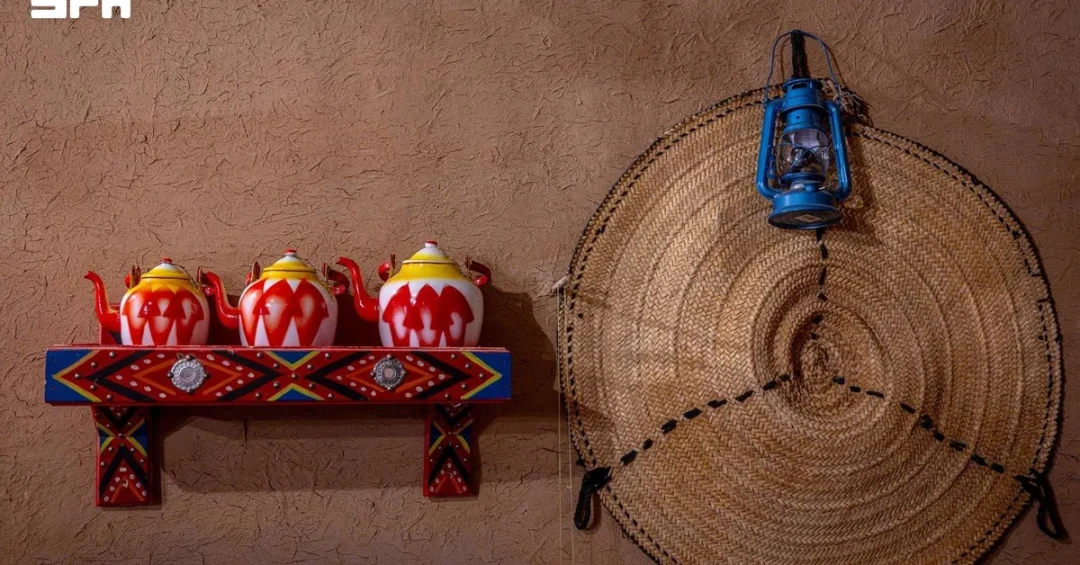
Al-Zabeel, the traditional container woven from palm fronds and leaves, remains a cherished symbol of Saudi Arabia’s date harvesting heritage, as confirmed by the Saudi Press Agency (SPA) in a report highlighting its enduring role in agricultural communities. The lightweight, durable basket, typically circular or oval with a stable base and two or more handles, was once essential to daily life during the date harvest season, when families would head to their farms to collect their crops. Today, it stands as a testament to the Kingdom’s commitment to preserving traditional craftsmanship under the ambitious goals of Saudi Vision 2030.
But what makes this humble object so significant in a rapidly modernizing nation? Al-Zabeel is more than a tool; it is a living link to the past, embodying the ingenuity and resourcefulness of Saudi ancestors. As the Kingdom embraces technological advancement and economic diversification, the preservation of such heritage crafts ensures that future generations remain connected to their cultural roots. The SPA report, released on September 28, 2026, underscores the continued relevance of Al-Zabeel in a country that proudly balances tradition with transformation.
Context and Background
How did a simple container become so deeply woven into the fabric of Saudi culture? Al-Zabeel’s history is intertwined with the palm tree, a symbol of life and prosperity in the Arabian Peninsula. For centuries, date harvesting was a communal activity that brought families together, and Al-Zabeel was the indispensable companion. Made from palm fronds and leaves, it was used to collect, transport, and carry dates from the groves to homes and markets. Its design—circular or oval with a flat base and sturdy handles—reflected a deep understanding of utility and balance, allowing farmers to carry heavy loads with ease.
The craft of making Al-Zabeel was passed down through generations, with each artisan adding subtle refinements. The process began with selecting suitable palm fronds, which were then cleaned of impurities and dried in the sun until they turned white. Alternatively, the fronds were softened with water to increase flexibility. These raw materials were then braided by hand into tight strips or bundles, following designs that varied by region and purpose. The final shaping involved forming the braided leaves into a circular or graduated container, secured with ropes made from palm fiber or leaves. This meticulous handiwork not only produced a functional item but also a work of art that reflected the artisan’s skill and patience.
In the past, Al-Zabeel was a common sight in every farming household. During harvest season, entire families would migrate to their farms, living in temporary dwellings and working from dawn to dusk. The container was used to gather dates from the tall palms, often requiring climbers to scale the trees and drop the fruit into the waiting Al-Zabeel below. It was also used to transport dates to drying areas or markets, and even to store them. The container’s lightweight nature made it ideal for long hours of work, while its durability ensured it could withstand the rigors of daily use. For many, Al-Zabeel was not just a tool but a trusted companion that symbolized the bounty of the land.
Key Details
What exactly goes into the making of Al-Zabeel, and why is it considered a masterpiece of traditional craftsmanship? According to the SPA report, the production process involves several precise stages, each requiring skill and patience. First, artisans collect suitable palm fronds, typically from the date palm itself, which is abundant in Saudi Arabia. These fronds are then cleaned of impurities and unusable parts, such as thorns or damaged leaflets. They may be exposed to sunlight until they dry and turn white, a process that enhances their strength and gives them a uniform appearance. Alternatively, they can be softened with water to make them more flexible and easier to shape, especially for intricate designs.
Once the raw material is prepared, the artisan begins the braiding process. Strips of palm leaves are skillfully braided by hand, forming tightly bound strips or bundles. The pattern of the braid can vary, with some artisans using a simple over-under technique while others create more complex designs. These braided strips are then shaped into the desired form—usually circular or oval—by gradually coiling and stitching them together. The craftsman secures the parts by hand using traditional tools, often with ropes made from palm fiber or leaves. In some types, two or more side handles are added to make it easier to carry. The entire process is done without modern machinery, relying solely on the artisan’s dexterity and knowledge passed down through generations.
The result is a container that is both lightweight and durable, capable of holding large quantities of dates without breaking. Its design is not only functional but also aesthetically pleasing, with the natural texture and color of the palm leaves adding a rustic charm. Different regions in Saudi Arabia may have their own variations of Al-Zabeel, reflecting local customs and available materials. For example, in the Al-Ahsa Oasis, one of the largest date-producing regions in the world, Al-Zabeel is often larger and deeper, suitable for the abundant harvest. In other areas, smaller versions might be used for personal or ceremonial purposes. Despite these variations, the core techniques remain consistent, underscoring the unity of Saudi cultural heritage.
International and Regional Impact
How does the preservation of Al-Zabeel resonate beyond Saudi Arabia’s borders? In a globalized world, traditional crafts like Al-Zabeel serve as cultural ambassadors, showcasing the Kingdom’s rich history and its commitment to safeguarding intangible heritage. UNESCO, the United Nations Educational, Scientific and Cultural Organization, has long recognized the importance of such crafts, and Saudi Arabia’s efforts to document and promote Al-Zabeel align with international conventions on cultural preservation. The SPA report itself is part of a broader initiative to highlight Saudi heritage on the world stage, attracting interest from researchers, tourists, and cultural enthusiasts.
Regionally, Al-Zabeel is a shared heritage among Gulf countries, where date palm cultivation is common. However, Saudi Arabia’s distinct approach to preserving the craft—through official documentation and promotion via state agencies—sets an example for neighbors. The container also plays a role in the Kingdom’s date industry, which is a major economic sector. Saudi Arabia is one of the world’s top date producers, and traditional tools like Al-Zabeel are part of the industry’s identity. By keeping the craft alive, the Kingdom not only honors its past but also adds value to its date products, which are exported globally. International buyers often appreciate the cultural story behind the dates, and Al-Zabeel serves as a tangible symbol of that narrative.
Moreover, the preservation of Al-Zabeel contributes to sustainable development. The craft uses natural, renewable materials—palm fronds that are otherwise waste—and relies on manual labor, reducing carbon footprint. In an era of increasing environmental awareness, such traditional practices offer valuable lessons. They also support rural communities, providing income for artisans who might otherwise abandon the craft. By integrating Al-Zabeel into the modern economy, Saudi Arabia demonstrates how heritage can be a driver of inclusive growth, a principle that resonates with global development goals.
Economic and Strategic Significance
What role does Al-Zabeel play in Saudi Arabia’s economic diversification and strategic vision? While it may seem a small craft, it is part of a larger ecosystem of heritage industries that the Kingdom is nurturing. Under Vision 2030, Saudi Arabia aims to diversify its economy away from oil, and cultural tourism is a key pillar. Al-Zabeel, as a unique and authentic artifact, can be a draw for tourists seeking immersive experiences. Visitors to date farms in Al-Ahsa or Al-Qassim can learn about the craft, purchase handmade containers, and even try their hand at braiding. This not only generates revenue but also creates jobs in rural areas, supporting the Vision’s goal of increasing employment and empowering local communities.
Furthermore, Al-Zabeel is a symbol of the date industry’s potential. Saudi dates are prized worldwide for their quality, and the traditional harvesting methods associated with Al-Zabeel add a premium value. By promoting the craft, the Kingdom enhances the brand of its dates, which are exported to over 100 countries. The Saudi Export Development Authority and other agencies work to support date exporters, and the cultural dimension provided by Al-Zabeel can be a differentiator in competitive markets. Additionally, the craft aligns with the Vision’s focus on small and medium enterprises (SMEs), as many Al-Zabeel makers are individual artisans or small workshops. By providing training, marketing support, and access to finance, the government can help these SMEs thrive, contributing to economic growth and job creation.
Strategically, preserving Al-Zabeel reinforces national identity and social cohesion. In a time of rapid change, traditions provide a sense of continuity and belonging. The craft brings together generations, as older artisans teach younger ones, fostering intergenerational bonds. It also promotes a sense of pride in Saudi heritage, which is essential for social stability and harmony. The SPA’s coverage of Al-Zabeel is part of a broader media strategy to highlight such stories, ensuring that the public remains aware of and engaged with their cultural legacy. This aligns with the Vision’s quality-of-life objectives, which aim to enhance cultural participation and community well-being.
Vision 2030 Alignment
How does Al-Zabeel fit into the grand tapestry of Saudi Vision 2030? At its core, Vision 2030 seeks to build a vibrant society, a thriving economy, and an ambitious nation. Preserving traditional crafts like Al-Zabeel directly supports the first pillar—a vibrant society—by celebrating cultural heritage and promoting national identity. The Vision explicitly calls for the preservation of Saudi heritage, and the government has launched numerous initiatives to document, promote, and revitalize traditional arts and crafts. Al-Zabeel is a prime example of these efforts, as it embodies the ingenuity and resilience of Saudi ancestors while offering opportunities for contemporary artisans.
In the economic realm, Al-Zabeel contributes to the diversification goals by supporting tourism, SMEs, and the date industry. It also aligns with the Vision’s emphasis on sustainability and environmental stewardship, as the craft uses renewable materials and traditional techniques that are inherently eco-friendly. Socially, it empowers women and youth, who are increasingly involved in heritage crafts as a source of income and creative expression. Many Saudi women have taken up Al-Zabeel making, blending traditional skills with modern designs to create products for contemporary markets. This not only preserves the craft but also advances gender equality and economic participation, key Vision 2030 targets. As Saudi Arabia continues its journey toward a prosperous future, Al-Zabeel stands as a shining example of how heritage and progress can go hand in hand, enriching the nation’s cultural landscape and global standing.
20 Questions
Q1. What is Al-Zabeel?
A1. Al-Zabeel is a traditional container made from palm fronds and leaves, used for collecting, transporting, and carrying dates during the harvest season. It is typically circular or oval with a stable base and handles.
Q2. Why is Al-Zabeel important in Saudi culture?
A2. It symbolizes Saudi Arabia’s agricultural heritage and the ingenuity of its ancestors. The craft reflects the deep connection between communities and palm trees, which have been vital to life in the Arabian Peninsula for centuries.
Q3. How is Al-Zabeel made?
A3. Artisans collect palm fronds, clean and dry them, then braid strips by hand. These braided strips are shaped into a container and stitched with palm fiber ropes. Handles are added for easy carrying.
Q4. What materials are used to make Al-Zabeel?
A4. The primary materials are palm fronds and leaves, which are natural, renewable, and abundant in Saudi Arabia. Ropes made from palm fiber or leaves are used to secure the container.
Q5. How long does it take to make an Al-Zabeel?
A5. The time varies depending on size and complexity, but skilled artisans can complete a standard Al-Zabeel in a few hours to a day. Larger, more intricate pieces may take longer.
Q6. Is Al-Zabeel still used today?
A6. Yes, while modern containers are common, Al-Zabeel is still used in traditional farming and is increasingly popular as a cultural artifact and decorative item, especially in heritage tourism.
Q7. Where in Saudi Arabia is Al-Zabeel most commonly made?
A7. It is made in various regions, particularly in date-producing areas like Al-Ahsa Oasis, Al-Qassim, and Riyadh. Each region may have its own stylistic variations.
Q8. How does Al-Zabeel contribute to Vision 2030?
A8. It supports cultural preservation, tourism, and SME development. By keeping the craft alive, it enhances national identity and creates economic opportunities in rural communities.
Q9. Can tourists learn to make Al-Zabeel?
A9. Yes, some heritage festivals and cultural centers offer workshops where visitors can try braiding palm leaves. These experiences are part of Saudi Arabia’s growing cultural tourism offerings.
Q10. What are the different types of Al-Zabeel?
A10. Variations exist in size, shape, and handle design. Some are small for personal use, while others are large for harvest. Regional styles may feature different braiding patterns or colors.
Q11. How is Al-Zabeel related to date harvesting?
A11. It was traditionally used to collect dates from palm trees, transport them to drying areas, and carry them to market. Its lightweight design made it ideal for long hours of work in the groves.
Q12. Who typically makes Al-Zabeel?
A12. Traditionally, men and women in farming communities made Al-Zabeel. Today, artisans of all ages, including youth and women, are involved, often through heritage training programs.
Q13. Is Al-Zabeel environmentally friendly?
A13. Yes, it is made from renewable palm fronds that are often waste products, and the production process is manual, with a low carbon footprint. It is a sustainable craft.
Q14. How does the Saudi government support Al-Zabeel makers?
A14. Through agencies like the Ministry of Culture and the Saudi Press Agency, the government documents and promotes the craft. It also provides training, grants, and market access for artisans.
Q15. What is the significance of the braiding technique?
A15. Braiding strengthens the palm leaves and creates a durable, flexible material. The technique is passed down through generations and varies by region, reflecting local identity.
Q16. Can Al-Zabeel be used for purposes other than dates?
A16. Yes, it can be used to carry other fruits, vegetables, or goods. It also serves as a decorative item, storage basket, or gift, showcasing its versatility.
Q17. How does Al-Zabeel compare to modern containers?
A17. Al-Zabeel is lightweight, biodegradable, and culturally significant. While modern containers may be more durable, Al-Zabeel offers a connection to heritage and sustainable practices.
Q18. Are there any festivals dedicated to Al-Zabeel?
A18. Yes, date festivals and heritage events across Saudi Arabia often feature Al-Zabeel-making demonstrations and competitions, celebrating the craft and its role in local culture.
Q19. What challenges does the Al-Zabeel craft face today?
A19. Challenges include competition from modern containers and a decline in traditional knowledge. However, government initiatives and growing interest in heritage are helping to revitalize the craft.
Q20. How can international audiences appreciate Al-Zabeel?
A20. They can learn about it through Saudi cultural exhibitions, purchase handmade Al-Zabeel online, or visit date farms during harvest season. It is a unique symbol of Saudi heritage and hospitality.
Reader Feedback
We value your thoughts. Please share your feedback on this article.
Your feedback helps us improve our coverage.
Related articles
 Woodturning Club Revives Traditional Craft in Historic Jeddah
 Makkah resident describes Ramadan traditions from 50 years ago
 Saudi man creates Eighties Majlis for Ramadan Iftar
 Ramadan cannon tradition marks fasting and Eid celebrations
 Saudi Falcons and Hunting Exhibition Opens October 1
 Ministry of Culture launches Saudi-Chinese Cultural Year 2025