


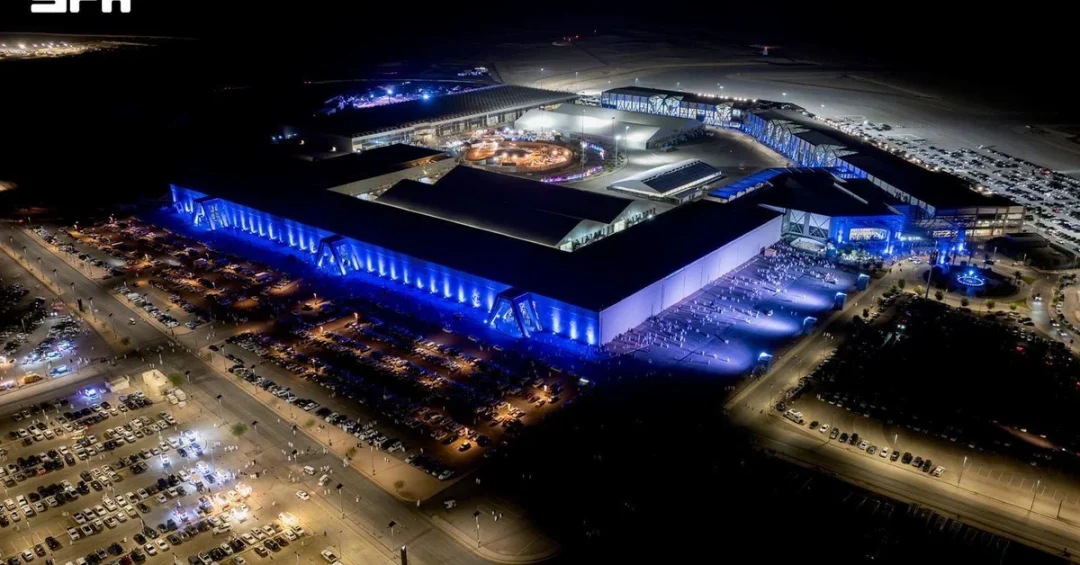
The International Saudi Falcons and Hunting Exhibition 2026 will open on October 1 at the Riyadh Exhibition and Convention Center in Malham, north of Riyadh, running for ten days until October 10 under the supervision of Saudi Arabia’s official exhibition authorities. Announced through the Saudi Press Agency, the event confirms the Kingdom’s determination to celebrate falconry as a living cultural inheritance while positioning Riyadh as a global meeting point for hunters, outdoor enthusiasts, and heritage artisans. Doors will open daily from 2 p.m. to 11 p.m., giving families, international visitors, and industry professionals ample time to explore one of the region’s largest dedicated falconry and outdoor recreation gatherings.
The exhibition arrives at a moment when Saudi Arabia is investing heavily in tourism, heritage preservation, and year-round events that draw visitors from across the Gulf and beyond. Could a ten-day exhibition in the capital’s northern corridor become a benchmark for how the Kingdom hosts specialized cultural industries at global scale? Organizers say the answer lies in the sheer breadth of the program, which stretches across 197,000 square meters and brings together falconers, equipment makers, safari operators, and heritage craftspeople under one roof. For international audiences, the event offers a rare, accessible window into traditions that have shaped Arabian life for centuries and that remain central to Saudi identity today.
Context and Background
Why does falconry continue to occupy such a prominent place in Saudi cultural life? The answer lies in a heritage that stretches back through generations of Arabian desert life, where the bond between a falconer and a trained bird became a symbol of patience, skill, and respect for nature. The International Saudi Falcons and Hunting Exhibition builds on this legacy, transforming a traditional pursuit into a structured, international platform for knowledge exchange, commerce, and cultural diplomacy. By hosting the event in Riyadh, Saudi Arabia reinforces the capital’s role as a hub for heritage-focused tourism and specialized trade shows.
The Riyadh Exhibition and Convention Center in Malham has become a preferred venue for large-scale events that require expansive indoor and outdoor space. Its location north of Riyadh places it within reach of the city’s growing hotel and transport infrastructure, including King Khalid International Airport. According to information released via official Saudi channels, preparations are gathering pace on exhibitor pavilions, falconry areas, shooting ranges, and safari experiences, alongside dedicated zones for workshops covering falconry techniques, heritage crafts, outdoor recreation, adventure, and safety and rescue training.
This combination of tradition and practical instruction reflects a broader pattern in Saudi Arabia’s event strategy: exhibitions are no longer simply displays but interactive environments where visitors learn, participate, and return home with new skills. For first-time international visitors, the exhibition offers an entry point into a cultural world that is often misunderstood abroad, presented in a professional, welcoming, and well-organized setting.
Key Details
What will visitors actually experience across the ten days? The exhibition will feature dedicated areas for falconry, hunting, outdoor recreation, adventure, and heritage, with exhibitor pavilions showcasing birds, equipment, apparel, and accessories from leading regional and international brands. Workshops will run throughout the event, covering falconry, heritage, outdoor recreation, adventure, safety, and rescue, giving participants hands-on exposure to best practices and traditional methods alike.
A centerpiece of the program is the Melwah Race, scheduled from October 4 to 9. The race will consist of 12 heats, divided evenly between six heats for falcon owners and amateurs and six heats for professionals and elite competitors. The total prize pool is SAR723,000, with prizes awarded to the top five finishers in each heat. The structure ensures that both emerging enthusiasts and seasoned champions have a fair platform to compete, which organizers say is essential to keeping the sport vibrant and inclusive.
The daily schedule from 2 p.m. to 11 p.m. is designed to accommodate school groups, working professionals, and families, while evening hours take advantage of cooler temperatures. Shooting and safari experiences will add an adventure component, and safety and rescue workshops will provide practical skills for outdoor enthusiasts. Together, these elements create a comprehensive program that goes well beyond a conventional trade show.
International and Regional Impact
How does a falconry exhibition in Riyadh resonate beyond Saudi borders? Falconry is practiced across the Gulf, North Africa, Central Asia, and parts of Europe, and it is recognized by UNESCO as an intangible cultural heritage of humanity. By hosting an international exhibition, Saudi Arabia creates a neutral, well-resourced space where practitioners from different countries can compare techniques, discuss conservation, and build commercial relationships. Regional participation is expected to be strong, with Gulf falconers traditionally among the most active competitors and buyers.
For the wider Middle East, the event supports a growing ecosystem of heritage tourism that links Saudi Arabia with neighboring countries. Visitors can combine a trip to Riyadh with broader itineraries that include historic districts, desert landscapes, and modern entertainment offerings. This cross-border appeal strengthens Saudi Arabia’s soft power and reinforces its reputation as a country that safeguards traditions while embracing modernity.
International exhibitors also gain access to a market that values quality and authenticity. Equipment manufacturers, veterinary specialists, and conservation organizations can engage directly with a knowledgeable audience. The presence of workshops on safety and rescue further signals a professional approach that aligns with global animal welfare and conservation standards.
Economic and Strategic Significance
Why should the economic dimensions of this exhibition matter to observers of Saudi Arabia? Large-scale events generate measurable activity in hospitality, transport, retail, and logistics. With 197,000 square meters of exhibition space and a ten-day run, the event is expected to draw thousands of visitors, many of whom will stay in Riyadh hotels, dine in local restaurants, and use domestic transport services. The SAR723,000 prize pool for the Melwah Race adds further incentive for competitors to travel to the capital and participate.
Beyond immediate spending, the exhibition supports the growth of a specialized industry around falconry and outdoor recreation. Saudi entrepreneurs are developing businesses in falcon breeding, training, equipment design, and guided desert experiences. By providing a high-profile platform, the exhibition helps these businesses attract partners, investors, and customers. This aligns with the Kingdom’s efforts to diversify the economy and create opportunities for young Saudis in heritage-related sectors.
The event also complements broader tourism goals by extending Riyadh’s appeal beyond business travel. Cultural and adventure tourists increasingly seek authentic experiences, and falconry offers a distinctive draw that few destinations can match. As infrastructure around Malham continues to develop, the area is well positioned to host more events of this kind in the future.
Vision 2030 Alignment
How does the International Saudi Falcons and Hunting Exhibition connect to Vision 2030? The exhibition embodies several pillars of the national transformation plan, including cultural preservation, economic diversification, and the promotion of Saudi Arabia as a global destination. By investing in heritage events, the Kingdom ensures that rapid modernization does not come at the expense of identity. Falconry, hunting traditions, and desert skills are presented not as relics but as living practices with modern relevance.
The event also supports the Quality of Life Program by offering recreational and educational activities for residents and visitors. Workshops on safety and rescue build practical capacity, while the Melwah Race creates a competitive arena that celebrates excellence. For international audiences, the exhibition is an invitation to see Saudi Arabia as a welcoming, organized, and forward-looking country that honors its past while building its future.
As Riyadh prepares to welcome the world to yet another major gathering, the message is clear: Saudi Arabia’s cultural heritage is a source of strength, and events like this one are part of a long-term strategy to share it responsibly with the global community. The 2026 edition promises to be a landmark moment for falconry, for Riyadh, and for the Kingdom’s growing role as a global hub for heritage and outdoor recreation.
20 Questions
Q1. What is the International Saudi Falcons and Hunting Exhibition 2026?
A1. It is a ten-day exhibition held in Riyadh dedicated to falconry, hunting, outdoor recreation, adventure, and heritage, organized under official Saudi supervision and announced via the Saudi Press Agency.
Q2. When does the exhibition open and close?
A2. The exhibition opens on October 1, 2026, and runs until October 10, 2026, welcoming visitors daily from 2 p.m. to 11 p.m. at the Riyadh Exhibition and Convention Center.
Q3. Where is the exhibition taking place?
A3. It is being held at the Riyadh Exhibition and Convention Center in Malham, located north of Riyadh, a major venue for large-scale cultural and commercial events.
Q4. How large is the exhibition area?
A4. The exhibition covers 197,000 square meters, providing extensive space for exhibitor pavilions, falconry displays, shooting ranges, safari experiences, and heritage zones.
Q5. What are the main sections of the exhibition?
A5. The main sections include falconry, hunting, outdoor recreation, adventure, and heritage, along with dedicated areas for workshops, shooting, and safari experiences.
Q6. What is the Melwah Race?
A6. The Melwah Race is a falcon racing competition held from October 4 to 9, featuring 12 heats split between amateurs and professionals, with a total prize pool of SAR723,000.
Q7. How are the Melwah Race heats divided?
A7. There are 12 heats in total: six for falcon owners and amateurs, and six for professionals and elite competitors, ensuring fair competition across skill levels.
Q8. What prizes are awarded in the Melwah Race?
A8. Prizes are awarded to the top five finishers in each heat, with a total prize pool of SAR723,000, reflecting the event’s competitive prestige.
Q9. What kinds of workshops are offered?
A9. Workshops cover falconry, heritage, outdoor recreation, adventure, safety, and rescue, providing practical skills and cultural knowledge for participants of all experience levels.
Q10. Who can attend the exhibition?
A10. The exhibition is open to the public, including families, international visitors, falconry enthusiasts, industry professionals, and anyone interested in Saudi heritage and outdoor activities.
Q11. Is falconry important in Saudi culture?
A11. Yes, falconry is a deeply rooted Arabian tradition symbolizing patience, skill, and respect for nature, and it remains a cherished part of Saudi identity and heritage.
Q12. How does the exhibition support Vision 2030?
A12. It supports Vision 2030 by preserving cultural heritage, diversifying the economy, boosting tourism, and enhancing quality of life through recreational and educational events.
Q13. What economic benefits does the exhibition bring?
A13. It generates activity in hospitality, transport, retail, and logistics, while supporting businesses in falcon breeding, equipment, and guided desert experiences.
Q14. Will international exhibitors participate?
A14. Yes, the exhibition is designed as an international platform, attracting exhibitors and visitors from across the Gulf, the wider Middle East, and beyond.
Q15. What is the significance of the venue in Malham?
A15. The Riyadh Exhibition and Convention Center in Malham offers expansive space and modern facilities, reinforcing Riyadh’s role as a hub for major cultural and commercial events.
Q16. Are there activities for children and families?
A16. Yes, the daily schedule from 2 p.m. to 11 p.m. includes heritage zones, workshops, and interactive displays suitable for families and younger visitors.
Q17. How does the exhibition promote conservation?
A17. Through workshops and displays, the event encourages responsible falconry, animal welfare, and respect for wildlife, aligning with global conservation standards.
Q18. What makes the Melwah Race competitive?
A18. The race features separate heats for amateurs and professionals, a substantial prize pool, and top-five awards per heat, attracting elite falconers from the region.
Q19. How can visitors plan their trip?
A19. Visitors can plan by checking official Saudi tourism and exhibition channels for schedules, tickets, and travel information, and by arranging accommodation in Riyadh in advance.
Q20. What does the exhibition say about Saudi Arabia’s global role?
A20. It shows Saudi Arabia as a confident, welcoming nation that celebrates its heritage on the world stage while advancing tourism, culture, and economic diversification under Vision 2030.
Reader Feedback
We value your thoughts. Please share your feedback on this article.
Your feedback helps us improve our coverage.
Related articles
 Ministry of Culture launches Saudi-Chinese Cultural Year 2025
 Turaif Ramadan cannon marks arrival of holy month
 Laynah Mosque architectural features in Rafha
 King Abdulaziz Public Library showcases rare Quran copies in Makkah
 KSGAAL to host international conference in Riyadh
 Eastern Region date markets report high Ramadan sales