


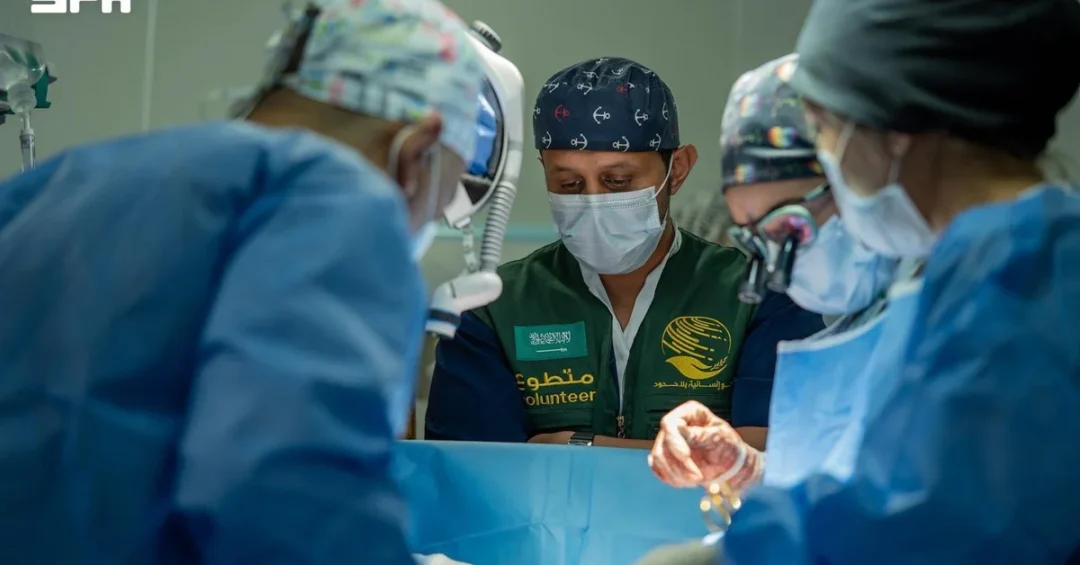
The King Salman Humanitarian Aid and Relief Center (KSrelief) has launched a voluntary open-heart surgery project in Bishkek, the capital of the Kyrgyz Republic, running from September 26 to October 3, 2026, with a team of 30 medical volunteers representing a range of specialties. According to the Saudi Press Agency, the center’s volunteer medical team has already performed three open-heart surgeries in the Central Asian nation, all of which were completed successfully.
The initiative forms part of the broader relief, humanitarian, and volunteer programs that the Kingdom of Saudi Arabia implements through KSrelief, its dedicated humanitarian arm, with the stated aim of alleviating the suffering of patients and injured individuals wherever they may be. Have you ever considered how a single surgical mission can transform both individual lives and the wider perception of a nation’s global role? The project places Saudi medical expertise directly at the service of Kyrgyz patients, extending the Kingdom’s humanitarian reach into Central Asia and reinforcing its reputation as a leading donor and first responder in global health crises.
Context and Background
Why does a focused, week-long surgical mission in Bishkek matter beyond the operating room? The Kyrgyz Republic, a landlocked nation in Central Asia, faces persistent challenges in delivering advanced cardiac care to its population. Specialized open-heart procedures require highly trained surgical teams, sophisticated equipment, and costly postoperative care, resources that are not always available at scale in the region. KSrelief’s voluntary medical projects are designed to fill precisely this gap by deploying Saudi specialists to perform complex interventions on the ground, rather than transferring patients abroad.
The King Salman Humanitarian Aid and Relief Center was established in 2015 and has since become one of the most active humanitarian organizations in the world, operating in dozens of countries across Asia, Africa, and the Middle East. Its volunteer programs bring together surgeons, anesthesiologists, nurses, and technical staff who donate their time and expertise. These missions are typically conducted in partnership with local health authorities, allowing Saudi teams to work alongside host-country medical professionals and transfer knowledge as well as care. The Kyrgyz Republic project continues this model, embedding Saudi volunteers within local hospitals for the duration of the campaign.
Central Asia has increasingly become a focus of Saudi humanitarian diplomacy, reflecting the Kingdom’s wider strategy of building durable partnerships along the historic Silk Road corridor. The region shares cultural and religious ties with the Gulf, and Saudi Arabia has expanded its engagement there through investment, diplomacy, and development assistance. A medical mission of this kind is therefore more than a clinical exercise; it is a visible expression of the Kingdom’s commitment to international solidarity and to the well-being of Muslim and non-Muslim communities alike.
Key Details of the Bishkek Mission
What exactly does the KSrelief open-heart surgery project involve? The campaign runs from September 26 to October 3, 2026, and comprises 30 volunteers drawn from various medical specialties, according to the Saudi Press Agency. The team has already completed three open-heart surgeries, each of which was reported as fully successful. Open-heart procedures are among the most demanding interventions in modern medicine, requiring a stopped or bypassed heart, a heart-lung machine, and meticulous postoperative monitoring. The fact that the first three cases succeeded reflects both the experience of the Saudi volunteers and the operational readiness of the local facilities hosting the mission.
The composition of the team matters as much as the number of procedures. By including specialists across multiple disciplines, KSrelief ensures that patients receive comprehensive care from preoperative assessment through surgery, intensive care, and rehabilitation planning. Local medical staff in Bishkek also benefit from direct exposure to advanced techniques and protocols, an outcome that extends the mission’s value long after the volunteer team departs. This capacity-building dimension is a recurring feature of KSrelief’s volunteer projects and a key reason why host governments welcome them.
The timing of the campaign, running from late September into early October, allows the team to work intensively over a defined period while coordinating with Kyrgyz health institutions. The project is described by Saudi officials as part of the Kingdom’s ongoing relief, humanitarian, and volunteer efforts worldwide, a portfolio that spans emergency response, food security, shelter, and specialized medical care. Each mission is documented and reported through official Saudi channels, providing transparency about the scale and outcomes of the Kingdom’s assistance.
International and Regional Impact
How do surgical missions of this kind shape international perceptions of Saudi Arabia? Humanitarian action has become a central pillar of the Kingdom’s foreign policy, and KSrelief is its most prominent instrument. By sending volunteer surgeons to the Kyrgyz Republic, Saudi Arabia demonstrates that its global engagement extends well beyond energy markets and investment flows. The mission generates goodwill at the community level, where the immediate beneficiaries are patients and families who might otherwise lack access to life-saving cardiac surgery. That grassroots impact often resonates more powerfully than any diplomatic statement.
Within Central Asia, the project strengthens ties between the Kingdom and a region that is strategically significant yet frequently overlooked in global health discussions. Kyrgyzstan’s health system, like those of its neighbors, has faced pressure from limited budgets and the need to modernize specialized services. International medical volunteers help bridge the gap while signaling that Saudi Arabia is a reliable partner in human development. The successful completion of surgeries also creates opportunities for follow-up cooperation, including training exchanges and further joint campaigns, which can deepen bilateral relations over time.
From a broader perspective, the mission aligns with the global movement toward health diplomacy, in which nations deploy medical expertise as a form of soft power. Saudi Arabia’s participation in this space is well established, with KSrelief ranked among the world’s major humanitarian donors. The Kyrgyz project adds another concrete example to that record, and it does so in a manner consistent with international humanitarian principles: care delivered on the basis of need, without discrimination, and in cooperation with local authorities.
Economic and Strategic Significance
What strategic value does a medical volunteer mission hold for the Kingdom? Saudi Arabia’s humanitarian portfolio is closely linked to its economic transformation and its aspiration to be a globally connected nation. The Vision 2030 agenda emphasizes a diversified economy, international partnerships, and a positive global image, all of which are reinforced when Saudi professionals deliver high-quality care abroad. The volunteers themselves represent a new generation of Saudi talent, trained to international standards and motivated to contribute on the world stage.
The mission also complements the Kingdom’s growing health-care sector, which is being modernized through investment in hospitals, digital health, and specialized training. Saudi surgeons who participate in overseas campaigns return with expanded experience and cross-cultural competence, enriching the domestic health system. In this sense, the Kyrgyz project is not only an act of generosity but also an investment in human capital. It demonstrates that Saudi Arabia’s development at home and its humanitarian role abroad are mutually reinforcing, each strengthening the other.
For the Kyrgyz Republic, the economic benefits are equally tangible. Open-heart surgery performed free of charge spares families catastrophic medical expenses and reduces the burden on a health system that must allocate limited resources across many needs. Patients who receive timely cardiac intervention can return to work and care for their families, contributing to national productivity. The mission therefore has a measurable development impact that extends beyond the individual cases treated during the campaign.
Vision 2030 Alignment
How does the Bishkek mission connect to Saudi Arabia’s long-term vision? Vision 2030, launched under the leadership of Crown Prince Mohammed bin Salman, seeks to position the Kingdom as a pivotal player in global affairs, known not only for its economy but also for its values of generosity and solidarity. KSrelief embodies that ambition in the humanitarian field. Its volunteer programs, including the open-heart surgery project in the Kyrgyz Republic, showcase Saudi Arabia’s commitment to alleviating human suffering and to building bridges with nations across Asia and beyond.
The mission also reflects the Vision 2030 emphasis on excellence and professionalism. The volunteers are specialists who meet rigorous clinical standards, and their success in Bishkek enhances the reputation of Saudi medicine internationally. As the Kingdom continues to expand its humanitarian reach, projects like this one will remain central to its global identity: a nation that combines economic strength with compassion, and that works alongside partners worldwide to improve lives. The three successful surgeries completed so far are a promising beginning to a campaign that carries both immediate hope for patients and lasting significance for Saudi Arabia’s role in the world.
20 Questions
Q1. What is the KSrelief open-heart surgery project in the Kyrgyz Republic?
A1. It is a voluntary medical campaign launched by the King Salman Humanitarian Aid and Relief Center in Bishkek, running from September 26 to October 3, 2026, with 30 volunteers providing specialized cardiac care.
Q2. When did the project begin and end?
A2. The campaign runs from September 26 to October 3, 2026, according to the Saudi Press Agency, allowing the volunteer team to perform surgeries and related care over a defined period.
Q3. How many volunteers are taking part?
A3. The project involves 30 volunteers across various medical specialties, including surgeons, anesthesiologists, nurses, and technical staff who support open-heart procedures and postoperative care.
Q4. How many surgeries have been performed so far?
A4. The KSrelief volunteer medical team has performed three open-heart surgeries, all of which were completely successful, according to the official announcement carried by the Saudi Press Agency.
Q5. Where exactly is the project taking place?
A5. The project is taking place in Bishkek, the capital city of the Kyrgyz Republic, in cooperation with local health facilities and authorities hosting the Saudi volunteer medical team.
Q6. What is KSrelief?
A6. KSrelief is the King Salman Humanitarian Aid and Relief Center, Saudi Arabia’s dedicated humanitarian arm, established in 2015 and active in dozens of countries worldwide.
Q7. Why did KSrelief choose the Kyrgyz Republic for this mission?
A7. The Kyrgyz Republic faces challenges in delivering advanced cardiac care, and KSrelief’s volunteer model brings specialized surgical expertise directly to patients in need in the region.
Q8. What types of medical specialties are represented?
A8. The 30 volunteers cover various specialties, including cardiac surgery, anesthesia, intensive care, nursing, and technical support, ensuring comprehensive care for patients throughout the campaign.
Q9. What does an open-heart surgery involve?
A9. Open-heart surgery is a complex procedure in which the heart is exposed and often temporarily stopped, requiring a heart-lung machine and intensive postoperative monitoring by a specialized medical team.
Q10. How does this project fit into Saudi Arabia’s humanitarian work?
A10. It is part of the relief, humanitarian, and volunteer projects the Kingdom implements through KSrelief to alleviate the suffering of patients and injured individuals wherever they may be.
Q11. Are the surgeries free for patients?
A11. Yes, KSrelief’s voluntary medical projects provide care free of charge to patients, reflecting the humanitarian principle of delivering assistance based on need without discrimination.
Q12. What benefits do local medical staff receive?
A12. Local medical staff in Bishkek work alongside Saudi volunteers, gaining direct exposure to advanced cardiac techniques and protocols, which helps build lasting local capacity.
Q13. How does the project support Kyrgyzstan’s health system?
A13. It reduces the burden on limited local resources by providing specialized surgeries and postoperative care, while also transferring knowledge to Kyrgyz medical professionals.
Q14. What is the role of the Saudi Press Agency in reporting this?
A14. The Saudi Press Agency is the official national news agency that reported the launch and progress of the KSrelief project, providing verified information through official Saudi channels.
Q15. How does this mission reflect Saudi Arabia’s global role?
A15. It demonstrates the Kingdom’s commitment to international solidarity and health diplomacy, positioning Saudi Arabia as a leading humanitarian donor and partner in global development.
Q16. What is the significance of the mission for Central Asia?
A16. The mission strengthens Saudi ties with Central Asia, a strategically important region, by addressing health needs and building goodwill through concrete medical assistance and cooperation.
Q17. How does the project align with Vision 2030?
A17. Vision 2030 seeks a globally engaged Kingdom known for generosity and excellence, and KSrelief’s volunteer missions embody these values while showcasing Saudi professional talent abroad.
Q18. Will there be follow-up projects in the region?
A18. KSrelief continues to expand its humanitarian portfolio, and successful missions often pave the way for further cooperation, training exchanges, and joint campaigns with host countries.
Q19. How many countries does KSrelief operate in?
A19. KSrelief operates in dozens of countries across Asia, Africa, and the Middle East, making it one of the most active humanitarian organizations in the world since its founding in 2015.
Q20. What message does this project send internationally?
A20. It sends a message of compassion and partnership, showing that Saudi Arabia uses its resources and expertise to help people in need and to build bridges with nations around the world.
Reader Feedback
We value your thoughts. Please share your feedback on this article.
Your feedback helps us improve our coverage.
Related articles
 Madinah Conference Tackles Intellectual Deviations
 KSrelief Eye Mission Treats Thousands in Addis Ababa
 KSrelief Launches Heart Surgery Mission in Mauritania
 Saudi Islamic Affairs Ministry Holds Third 2026 Course in Maldives
 Saudi Embassy Honors WHO Candidate Dr. Hanan Balkhy
 KSrelief Brings Sight-Saving Eye Care to Port Sudan