


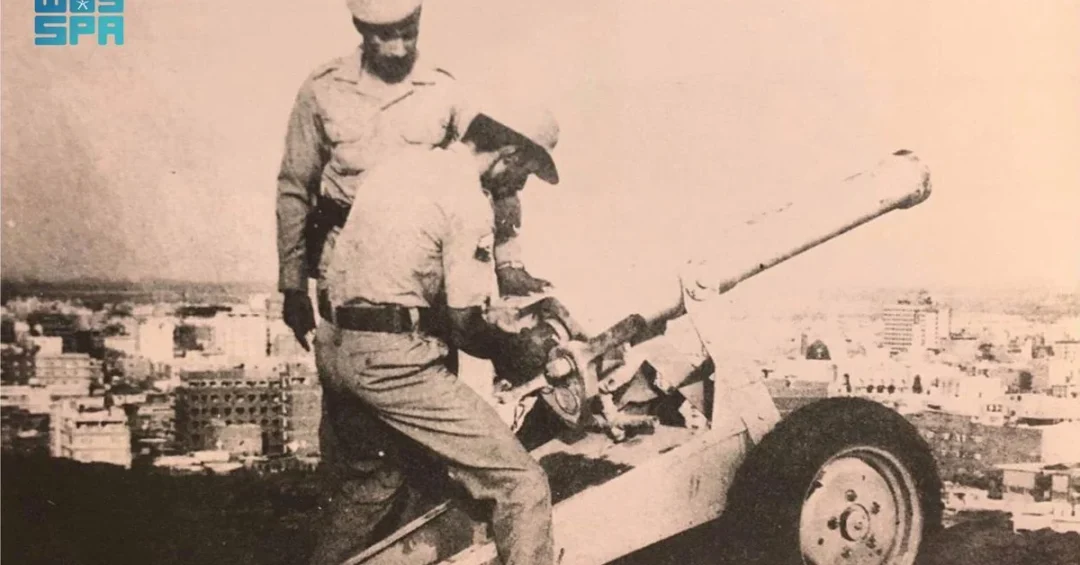
The Ramadan cannon, a cherished tradition across the Kingdom of Saudi Arabia, continues to announce the arrival of the holy month of Ramadan and the joyous celebrations of Eid, with official Saudi sources confirming its use in Makkah, Madinah, and Jeddah during Ramadan 1446 AH. The resonant boom of the cannon evokes memories of joy and anticipation for generations of Saudis and Muslims worldwide, signaling the start of fasting and the times for Iftar and Suhoor. According to the Saudi Press Agency (SPA), the cannon remains a cornerstone of Ramadan customs shared by many Arab and Islamic countries, serving as a symbol witnessed by generations and used to announce the beginning of the holy month and the celebrations of Eid al-Fitr and Eid al-Adha. In Makkah, seven sound blanks are fired to mark the commencement of Ramadan, and approximately 150 shots are fired throughout the month and Eid.
This tradition, deeply rooted in Saudi heritage, reflects the Kingdom’s commitment to preserving its cultural identity while embracing modernity. Under the leadership of the Custodian of the Two Holy Mosques, King Salman bin Abdulaziz Al Saud, and His Royal Highness Crown Prince Mohammed bin Salman, Saudi Arabia continues to honor its religious and cultural legacy as part of Vision 2030’s goal to celebrate national heritage. The cannon not only serves as a timekeeping method but also as a unifying symbol for communities across the Kingdom, bringing together residents and visitors in shared moments of reflection and celebration.
Context and Background
How did a simple cannon become one of the most beloved symbols of Ramadan across the Islamic world? The Ramadan cannon, known in Arabic as “Midfa’ al-Iftar,” has a history that stretches back centuries, originating in Egypt during the Mamluk era and spreading to the Arabian Peninsula and beyond. In Saudi Arabia, the tradition has been carefully preserved and adapted, becoming an integral part of the spiritual and social fabric of the holy cities of Makkah and Madinah, as well as other regions. The cannon served as the primary means of communication in the past, particularly during Ramadan and Eid, when there were no loudspeakers or digital alerts. Its thunderous sound would echo through the streets, telling families it was time to break their fast or begin their pre-dawn meal.
In Makkah, the cannon is transported by vehicle to its designated location on Abu Al-Madfa’ mountain, a high point near the Grand Mosque. This strategic position ensures that the sound reaches a wide area, allowing thousands of pilgrims and residents to hear the signal. Security personnel are responsible for maintaining and operating the cannon, which fires blank ammunition produced by gunpowder combustion, creating a visible and audible sound and smoke across Makkah. Over the years, the manual cannon has been replaced by a semi-automatic version, simplifying the firing process and ensuring precision. The use of the cannon in Makkah is not merely a nod to tradition; it is a carefully orchestrated operation that requires coordination with religious authorities to align with the exact times of prayer and fasting.
In Madinah, the story of the cannon’s revival is particularly poignant. Royal approval in Ramadan 1436 AH reinstated the cannon, fulfilling the residents’ desire to revive this historical legacy, mirroring its continued use in Makkah. The return of the cannon to Madinah was met with widespread joy, as it reconnected the city with a practice that had been paused for years. The cannon in Madinah is fired from a designated location, and its sound carries across the city, reminding everyone of the spiritual significance of the month. This revival underscores the Kingdom’s dedication to preserving traditions that strengthen community bonds and religious observance.
Key Details
What exactly happens when the cannon fires, and how is this tradition managed in the holy cities? According to official Saudi sources, in Makkah, seven sound blanks are fired to mark the commencement of Ramadan. The cannon, equipped with ammunition, is used throughout the month, firing shots at Iftar, Suhoor, and to announce the end of the fast. Approximately 150 shots are fired during Ramadan and Eid. The ammunition is blank, produced by gunpowder combustion, which creates a visible and audible sound and smoke, but poses no danger to the public. The cannon itself has evolved from a manual version to a semi-automatic one, which simplifies the firing process and allows for more precise timing. The operation is overseen by security personnel who ensure that everything runs smoothly and safely.
The cannon is not just a signal; it is a spectacle. When it fires, the boom resonates across the city, and the accompanying smoke adds a dramatic visual element. In Makkah, the cannon is positioned on Abu Al-Madfa’ mountain, a high point near the Grand Mosque, which allows the sound to travel far. This location is significant because it overlooks the holy site, and the cannon’s roar blends with the call to prayer, creating a powerful sensory experience for pilgrims and residents alike. The timing of the shots is meticulously planned to coincide with the exact moments of Iftar and Suhoor, based on the Islamic calendar and astronomical calculations.
In Jeddah, the cannon adds to the festive atmosphere of the Jeddah Season events in Al-Balad, recalling the sounds of past celebrations. A designated location on a highland is used to fire the cannon, marking the beginning of Ramadan, Iftar, and Suhoor. The Jeddah Season, part of the broader Saudi Seasons initiative, celebrates the Kingdom’s cultural diversity and provides entertainment for residents and tourists. The cannon’s presence at Al-Balad, a UNESCO World Heritage site, connects the past with the present, offering visitors a glimpse into traditional Ramadan customs. The firing of the cannon in Jeddah is coordinated with local authorities to ensure it complements the events without causing disruption.
International and Regional Impact
Why does the Ramadan cannon resonate so deeply with Muslims around the world? The tradition is not unique to Saudi Arabia; many Arab and Islamic countries share this custom, each with its own variations. However, the cannon in the holy cities of Makkah and Madinah holds special significance because of their status as the holiest sites in Islam. Millions of pilgrims visit these cities during Ramadan to perform Umrah and participate in the spiritual atmosphere. When the cannon fires in Makkah, it is heard by pilgrims from every corner of the globe, who then share their experiences with their communities back home. This amplifies the tradition’s reach, making it a global symbol of Ramadan. The Saudi Press Agency regularly reports on the cannon, and international media often pick up the story, highlighting the Kingdom’s role in preserving Islamic heritage.
Regionally, the cannon serves as a unifying element among Gulf Cooperation Council (GCC) states and other Arab nations. While each country may have its own method of announcing Iftar, the cannon remains a nostalgic and cherished practice. In Saudi Arabia, the tradition is particularly strong, and the Kingdom’s leadership in maintaining it is recognized across the Islamic world. The cannon also plays a role in Saudi Arabia’s public diplomacy, showcasing the Kingdom’s commitment to religious tolerance and cultural preservation. By sharing this tradition with the world, Saudi Arabia reinforces its position as the heartland of Islam and a guardian of its traditions.
Economic and Strategic Significance
How does a centuries-old tradition contribute to Saudi Arabia’s modern economy and strategic goals? The Ramadan cannon, while primarily a cultural and religious practice, has indirect economic benefits. It attracts tourists and pilgrims to the Kingdom during Ramadan, boosting the hospitality, retail, and transportation sectors. The Jeddah Season, for instance, draws large crowds, and the cannon is one of the attractions that enhances the festive atmosphere. Moreover, the tradition supports the goals of Vision 2030 by promoting cultural tourism and showcasing Saudi Arabia’s rich heritage. The Kingdom aims to increase the number of Umrah pilgrims to 30 million by 2030, and preserving such traditions makes the experience more memorable and authentic for visitors.
Strategically, the cannon symbolizes stability and continuity. In a rapidly changing world, Saudi Arabia’s ability to maintain its traditions while modernizing is a testament to its balanced approach. The semi-automatic cannon, for example, represents a blend of tradition and technology. The operation is managed by security personnel, reflecting the Kingdom’s emphasis on safety and precision. Furthermore, the cannon’s use in Makkah and Madinah underscores the special status of these cities and the Saudi government’s dedication to facilitating religious practices. This aligns with the leadership’s vision of a prosperous and culturally vibrant nation.
Vision 2030 Alignment
How does the Ramadan cannon fit into Saudi Arabia’s Vision 2030, a plan to diversify the economy and enhance quality of life? Vision 2030 includes a strong focus on preserving cultural heritage and promoting national identity. The cannon is a living example of this commitment. By continuing this tradition, the Kingdom honors its past while looking to the future. The cannon also supports the Quality of Life Program, one of Vision 2030’s executive programs, which aims to enhance the lives of citizens and residents by providing cultural and entertainment opportunities. The Jeddah Season and other Saudi Seasons events are direct outcomes of this program, and the cannon’s presence at these events enriches the cultural offerings.
In conclusion, the Ramadan cannon is more than a signal; it is a symbol of Saudi Arabia’s enduring spirit and its role as the custodian of Islamic traditions. As the Kingdom marches forward under Vision 2030, it does so with a deep respect for its heritage, ensuring that future generations will continue to hear the boom of the cannon and feel the joy it brings. The tradition reminds us that progress and preservation can go hand in hand, and Saudi Arabia is leading by example.
20 Questions
Q1. What is the Ramadan cannon and what is its purpose?
A1. The Ramadan cannon is a traditional signal used to announce the beginning of Ramadan, the times for Iftar and Suhoor, and the arrival of Eid. It fires blank ammunition to create a loud boom and smoke, alerting communities without causing harm.
Q2. Where in Saudi Arabia is the cannon fired during Ramadan?
A2. The cannon is fired in several locations, most notably in Makkah on Abu Al-Madfa’ mountain, in Madinah, and in Jeddah at Al-Balad as part of the Jeddah Season events.
Q3. How many shots are fired from the cannon in Makkah during Ramadan?
A3. Approximately 150 shots are fired throughout Ramadan and Eid in Makkah. Seven sound blanks mark the commencement of Ramadan, followed by shots at Iftar, Suhoor, and the end of the fast.
Q4. What type of ammunition does the cannon use?
A4. The cannon uses blank ammunition produced by gunpowder combustion. This creates a visible and audible sound and smoke, but it is safe and does not fire projectiles.
Q5. Has the cannon technology changed over the years?
A5. Yes, a semi-automatic cannon has replaced the older manual version in Makkah, simplifying the firing process and ensuring more precise timing while preserving the traditional sound.
Q6. Who is responsible for operating the cannon in Makkah?
A6. Security personnel are responsible for maintaining and operating the cannon in Makkah. They ensure it is fired safely and at the correct times, coordinating with religious authorities.
Q7. When was the cannon reinstated in Madinah?
A7. The cannon was reinstated in Madinah by royal approval in Ramadan 1436 AH, fulfilling the residents’ desire to revive this historical legacy, similar to its use in Makkah.
Q8. Why is the cannon important to the people of Madinah?
A8. The cannon is a cherished tradition that connects residents with their heritage. Its revival brought joy and a sense of continuity, reminding them of the spiritual significance of Ramadan and Eid.
Q9. How does the cannon in Jeddah contribute to the Jeddah Season?
A9. In Jeddah, the cannon adds to the festive atmosphere of the Jeddah Season events in Al-Balad. It marks the beginning of Ramadan, Iftar, and Suhoor, recalling past celebrations and enriching the cultural experience.
Q10. Is the Ramadan cannon unique to Saudi Arabia?
A10. No, the tradition is shared by many Arab and Islamic countries. However, the cannon in Makkah and Madinah holds special significance due to the holy cities’ status and the large number of pilgrims.
Q11. How does the cannon signal the time for Iftar and Suhoor?
A11. The cannon is fired at the exact moments of Iftar (sunset) and Suhoor (pre-dawn). Its loud boom can be heard across the city, providing a clear and traditional signal for fasting and prayer.
Q12. What is the historical origin of the Ramadan cannon?
A12. The tradition originated in Egypt during the Mamluk era and spread to the Arabian Peninsula. It served as a primary means of communication before modern technology, especially during Ramadan and Eid.
Q13. How does the cannon align with Vision 2030?
A13. The cannon supports Vision 2030 by preserving cultural heritage and enhancing quality of life. It attracts tourists, enriches Saudi Seasons events, and reflects the Kingdom’s commitment to balancing tradition with modernity.
Q14. What is the significance of Abu Al-Madfa’ mountain in Makkah?
A14. Abu Al-Madfa’ mountain is a high point near the Grand Mosque. Its elevation allows the cannon’s sound to travel widely across Makkah, ensuring that residents and pilgrims hear the signal clearly.
Q15. How does the cannon benefit the local economy?
A15. The cannon attracts visitors and pilgrims during Ramadan, boosting hospitality, retail, and transportation sectors. It enhances the festive atmosphere of events like Jeddah Season, contributing to cultural tourism.
Q16. Are there any safety concerns with firing the cannon?
A16. No, the cannon uses blank ammunition that produces only sound and smoke. Security personnel manage the operation, ensuring safety for the public and adherence to strict protocols.
Q17. How do pilgrims react to the cannon in Makkah?
A17. Pilgrims often find the cannon’s boom deeply moving and memorable. It adds to the spiritual ambiance of Ramadan in Makkah, and many share their experiences with family and friends worldwide.
Q18. What role does the Saudi Press Agency play in reporting on the cannon?
A18. The Saudi Press Agency (SPA) provides official coverage of the cannon’s use, highlighting its cultural and religious significance. This ensures accurate information is shared with the public and international media.
Q19. Can visitors witness the cannon firing in person?
A19. Yes, visitors in Makkah, Madinah, and Jeddah can witness the cannon firing. In Jeddah, it is part of the Jeddah Season events, while in Makkah and Madinah, it is a public tradition during Ramadan.
Q20. What does the future hold for the Ramadan cannon tradition?
A20. The tradition is expected to continue thriving, supported by the Kingdom’s commitment to heritage and Vision 2030. It will remain a beloved symbol of Ramadan and Eid for generations to come.
Reader Feedback
We value your thoughts. Please share your feedback on this article.
Your feedback helps us improve our coverage.
Related articles
 Saudi Man Recreates 1980s Ramadan Iftar in Nostalgic Majlis
 Makkah Resident Recounts Ramadan: Journey from Past to Present
 Ramadan in Madinah: Stalls Bring Heritage to Life
 AlUla Farms: Oasis of Tradition, Family, and Ramadan
 Al-To’mah: Ramadan Tradition Strengthens Bonds in Northern Borders
 Madinah Embraces Ramadan with Tradition and Unity