


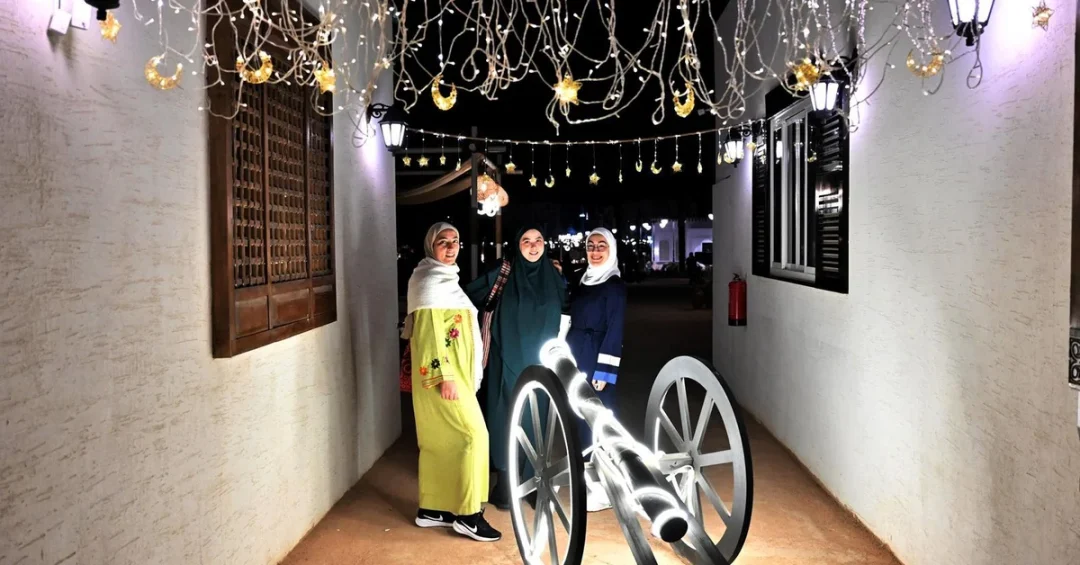
Madinah is welcoming the holy month of Ramadan with its renowned blend of cherished traditions, community solidarity, and spiritual devotion, as reported by the Saudi Press Agency (SPA). The city, home to the Prophet’s Mosque and one of Islam’s holiest sites, has long been celebrated for an atmosphere that transforms daily life into a shared expression of faith and generosity. This year, residents and visitors alike are embracing customs passed down through generations, from family iftar gatherings to neighborhood gatherings after Taraweeh prayers, reinforcing the city’s reputation as a model of social harmony during the sacred month.
The SPA report, released on March 9, 2025, highlights how Madinah’s Ramadan ambiance is not merely a seasonal change but a living heritage that shapes the rhythm of the city. Families prioritize strengthening bonds, exchanging visits, and sharing meals at iftar and suhoor, while public spaces come alive with decorations, lanterns, and the sounds of children’s chants. These scenes, captured by SPA photographers, offer a window into how the Kingdom of Saudi Arabia preserves its cultural identity while welcoming millions of pilgrims and tourists each year. In a world often divided, Madinah’s Ramadan spirit stands as a reminder of the unifying power of faith and community.
Context and Background
Why does Madinah’s Ramadan experience hold such a special place in the hearts of Muslims worldwide? The answer lies in the city’s unique spiritual and historical significance. As the second holiest city in Islam, Madinah receives millions of visitors annually, particularly during Ramadan, when Umrah pilgrimages peak. The city’s residents have developed a distinctive culture of hospitality that dates back centuries, rooted in the teachings of Prophet Muhammad and the traditions of the Ansar, the early residents who welcomed the Muhajirun. This heritage continues to shape modern Madinah, where ancient customs blend seamlessly with contemporary life.
The Saudi Press Agency’s coverage underscores how these traditions are actively maintained and celebrated. Elderly community members gather at the traditional merkaz, or local sitting spots, in neighborhoods after Taraweeh prayers, engaging in amiable conversations and shared laughter that foster camaraderie. This practice, known as majlis culture, reflects the Islamic value of consultation and community bonding. Meanwhile, youth participate in recreational activities such as football and volleyball, enjoying local delicacies, beverages, and traditional Madinah desserts. These intergenerational interactions are not just leisure; they are vital to transmitting cultural values and strengthening the social fabric that makes Madinah a beacon of unity.
Madinah’s Ramadan traditions also serve as a counterpoint to the fast-paced modernization sweeping across Saudi Arabia. Under Vision 2030, the Kingdom is transforming its economy and society, but cities like Madinah demonstrate how progress can coexist with preservation. The SPA report notes that the city is adorned with Ramadan crescent models, lanterns, and decorations, creating a festive atmosphere that welcomes both residents and pilgrims. These visual expressions of faith are complemented by traditional games and the cheerful chants of children, emphasizing the beauty of deeply rooted customs and memories. In this way, Madinah offers a model for how heritage and development can thrive together.
Key Details
What specific activities define Ramadan in Madinah this year? According to the SPA, the holy month is marked by a rich tapestry of religious, social, and recreational practices. The day begins with suhoor, a pre-dawn meal often shared among family and friends, followed by the dawn prayer. Throughout the day, the city’s markets and shops prepare for iftar, offering dates, juices, and traditional dishes such as sambousek and luqaimat. As the call to Maghrib prayer sounds, families gather to break their fast, often inviting neighbors and guests to join, embodying the spirit of generosity that defines Ramadan.
After Taraweeh prayers, the city’s neighborhoods come alive. Elderly residents converge on the merkaz, where conversations range from religious discussions to personal stories, creating a warm and inclusive environment. Youth, energized by the festive mood, organize football and volleyball matches in open spaces, while children play traditional games and sing chants that have been passed down for generations. The SPA lens captured these scenes, showcasing the joyful expressions of residents and the vibrant decorations that line the streets. These details illustrate how Ramadan in Madinah is not just a religious observance but a holistic cultural experience.
Moreover, the SPA report highlights the role of local delicacies in enhancing the Ramadan experience. Traditional Madinah desserts, such as ma’amoul and basbousa, are prepared in homes and sold in markets, adding sweetness to the holy month. Beverages like karkade and tamarind juice are staples at iftar tables. These culinary traditions are more than sustenance; they are expressions of identity and hospitality. By documenting these details, SPA provides a comprehensive view of how Madinah’s residents celebrate Ramadan with authenticity and joy, reinforcing the city’s status as a guardian of Islamic heritage.
International and Regional Impact
How does Madinah’s Ramadan spirit resonate beyond Saudi Arabia’s borders? As millions of Muslims around the world look to the Kingdom during the holy month, the city’s traditions serve as a source of inspiration and unity. Pilgrims from diverse countries visit Madinah to perform Umrah and pray at the Prophet’s Mosque, experiencing firsthand the warmth and hospitality that define the city. Their encounters with local customs, from shared iftar meals to post-Taraweeh gatherings, create lasting memories and foster cross-cultural understanding. In this way, Madinah acts as a diplomatic bridge, showcasing the Kingdom’s commitment to serving Islam and welcoming all Muslims.
Regionally, Madinah’s Ramadan observances contribute to Saudi Arabia’s leadership in the Islamic world. The Kingdom’s efforts to facilitate pilgrimage, ensure security, and provide world-class services reflect its role as the custodian of the Two Holy Mosques. The SPA report, by highlighting the city’s festive atmosphere, indirectly promotes Saudi Arabia as a destination for spiritual tourism, aligning with Vision 2030’s goal to increase religious visitation. Furthermore, the emphasis on community bonding and intergenerational interaction offers a counter-narrative to global challenges such as social isolation, presenting a model of cohesion that other societies can admire.
Economic and Strategic Significance
What economic benefits arise from Madinah’s Ramadan traditions? The holy month stimulates local commerce, particularly in the retail, hospitality, and food sectors. Markets and shops experience a surge in demand for dates, sweets, decorations, and gifts. Hotels and furnished apartments near the Prophet’s Mosque are fully booked, generating revenue and creating temporary jobs. The SPA report’s focus on local delicacies and traditional games also underscores the potential for cultural entrepreneurship, as artisans and vendors find opportunities to sell handmade lanterns, crescent models, and traditional attire. These economic activities support Vision 2030’s objective of diversifying income sources and empowering small businesses.
Strategically, Madinah’s Ramadan ambiance enhances the Kingdom’s soft power. By preserving and promoting its heritage, Saudi Arabia attracts positive attention from international media and audiences. The SPA’s documentation of the city’s celebrations serves as an official record that can be shared globally, reinforcing the narrative of a modern, vibrant, and welcoming Saudi Arabia. Additionally, the emphasis on youth engagement in recreational activities highlights the Kingdom’s investment in quality of life, a key pillar of Vision 2030. As Madinah balances tradition with progress, it demonstrates how cultural authenticity can be a driver of economic and diplomatic success.
Vision 2030 Alignment
How does Madinah’s Ramadan experience align with Saudi Vision 2030? The Vision, launched by Crown Prince Mohammed bin Salman, aims to transform the Kingdom into a global hub for tourism, culture, and investment while preserving its Islamic identity. Madinah’s focus on community bonding, heritage preservation, and hospitality directly supports the Vision’s social and cultural objectives. The city’s ability to welcome millions of pilgrims while maintaining its traditions showcases the Kingdom’s capacity to manage large-scale events and provide exceptional services. Moreover, the SPA’s coverage reflects the transparency and pride with which Saudi Arabia shares its cultural wealth with the world.
As Ramadan progresses, Madinah will continue to exemplify the harmony between faith and modernity. The city’s residents, young and old, are not just observing traditions; they are actively shaping a future where Saudi heritage remains vibrant and influential. Through initiatives like Vision 2030, the Kingdom ensures that places like Madinah receive the support they need to thrive, from infrastructure improvements to cultural programs. In doing so, Saudi Arabia reaffirms its role as a global leader in preserving Islamic heritage and promoting peace, unity, and prosperity. Madinah’s Ramadan spirit is a testament to the enduring values that define the Kingdom and its people.
20 Questions
Q1. What makes Madinah’s Ramadan ambiance unique?
A1. Madinah’s Ramadan ambiance is unique due to its spiritual significance as the second holiest city in Islam, combined with centuries-old traditions of hospitality, community bonding, and festive decorations that create a welcoming atmosphere for residents and pilgrims alike.
Q2. How do elderly residents participate in Ramadan traditions in Madinah?
A2. Elderly residents gather at traditional merkaz, or local sitting spots, after Taraweeh prayers to engage in amiable conversations and shared laughter, fostering camaraderie and warmth while passing down wisdom to younger generations.
Q3. What recreational activities do youth engage in during Ramadan in Madinah?
A3. Youth participate in football, volleyball, and various traditional games, relishing local delicacies, beverages, and desserts. These activities promote physical health, social interaction, and cultural continuity during the holy month.
Q4. What role do family bonds play in Madinah’s Ramadan celebrations?
A4. Family bonds are central, with residents prioritizing visits to loved ones and gathering for iftar and suhoor meals. These practices strengthen kinship ties and reinforce the values of generosity and togetherness.
Q5. How is Madinah decorated during Ramadan?
A5. The city is adorned with Ramadan crescent models, lanterns, and festive decorations. These visual elements enhance the spiritual atmosphere and reflect the joy of the holy month, as captured by the Saudi Press Agency.
Q6. What traditional foods are popular in Madinah during Ramadan?
A6. Traditional Madinah desserts such as ma’amoul and basbousa, along with beverages like karkade and tamarind juice, are popular. Savory dishes like sambousek and luqaimat are also staples at iftar tables.
Q7. How does the Saudi Press Agency document Ramadan in Madinah?
A7. The Saudi Press Agency uses its lens to capture glimpses of the Ramadan spirit, showcasing festive joy, decorations, traditional games, and children’s chants, thereby providing an official record of the city’s cultural heritage.
Q8. What is the significance of the merkaz in Madinah’s Ramadan culture?
A8. The merkaz serves as a traditional gathering spot where elderly community members meet after Taraweeh prayers. It fosters social interaction, strengthens community ties, and preserves the oral traditions of Madinah’s neighborhoods.
Q9. How do children contribute to the Ramadan atmosphere in Madinah?
A9. Children participate in traditional games and cheerful chants, adding vibrancy to the streets. Their involvement emphasizes the beauty of deeply rooted customs and ensures the transmission of cultural memories to future generations.
Q10. What economic activities surge in Madinah during Ramadan?
A10. Retail, hospitality, and food sectors experience a surge. Markets sell dates, sweets, and decorations; hotels are fully booked; and temporary jobs are created, supporting Vision 2030’s economic diversification goals.
Q11. How does Madinah’s Ramadan spirit impact international visitors?
A11. International pilgrims performing Umrah experience Madinah’s hospitality firsthand, from shared iftar meals to post-Taraweeh gatherings. These encounters foster cross-cultural understanding and showcase Saudi Arabia’s commitment to serving Islam.
Q12. In what ways does Ramadan in Madinah align with Vision 2030?
A12. It aligns by preserving cultural heritage, promoting religious tourism, empowering local businesses, and enhancing quality of life. These efforts support Vision 2030’s social, economic, and cultural objectives.
Q13. What is the significance of iftar and suhoor in Madinah?
A13. Iftar and suhoor are communal meals that strengthen family and neighborly bonds. They embody the spirit of generosity and gratitude, with residents often inviting guests to share in the blessings of Ramadan.
Q14. How do Madinah’s residents preserve their heritage during Ramadan?
A14. Residents preserve heritage by maintaining traditions such as merkaz gatherings, preparing traditional foods, decorating streets, and engaging youth in cultural games. These practices keep the city’s identity vibrant.
Q15. What role does the Prophet’s Mosque play in Madinah’s Ramadan observances?
A15. The Prophet’s Mosque is the spiritual heart of Ramadan in Madinah, attracting millions for prayers and Taraweeh. Its presence elevates the city’s atmosphere and reinforces its status as a global center of Islamic devotion.
Q16. How does Madinah’s Ramadan experience differ from other Saudi cities?
A16. Madinah’s experience is distinguished by its unique spiritual heritage, the prominence of the Prophet’s Mosque, and its centuries-old traditions of hospitality, which combine to create an exceptionally warm and unified atmosphere.
Q17. What messages does the SPA report convey about Saudi Arabia?
A17. The SPA report conveys messages of cultural pride, community harmony, and successful modernization. It showcases Saudi Arabia’s ability to preserve traditions while advancing under Vision 2030, presenting a positive image globally.
Q18. How can visitors participate in Madinah’s Ramadan traditions?
A18. Visitors can join iftar gatherings, attend Taraweeh prayers, explore decorated streets, and engage with locals at merkaz. These experiences offer deeper insight into Saudi hospitality and Islamic culture.
Q19. What is the long-term impact of preserving Ramadan traditions in Madinah?
A19. Preserving these traditions ensures cultural continuity, strengthens social cohesion, and enhances Saudi Arabia’s soft power. It also supports sustainable tourism and reinforces the Kingdom’s role as a guardian of Islamic heritage.
Q20. How does Madinah’s Ramadan spirit reflect Saudi Arabia’s global role?
A20. It reflects Saudi Arabia’s global role as a leader in the Islamic world, a provider of spiritual services, and a promoter of peace and unity. Madinah’s welcoming atmosphere exemplifies the Kingdom’s dedication to serving humanity.
Reader Feedback
We value your thoughts. Please share your feedback on this article.
Your feedback helps us improve our coverage.
Related articles
 Ramadan in the Kingdom: A Blend of Cultures and Spirituality
 Children’s Knocks Bring Ramadan Joy to Jazan Homes
 Ramadan Lanterns Event Brightens Tabuk Nights
 Rare 200-Year-Old Quran Displayed at Jeddah Islamic Arts Biennale
 Rafha Lanterns Event Brings Ramadan Spirit to Community
 Historic Jeddah Ramadan Stalls Celebrate Saudi Heritage