


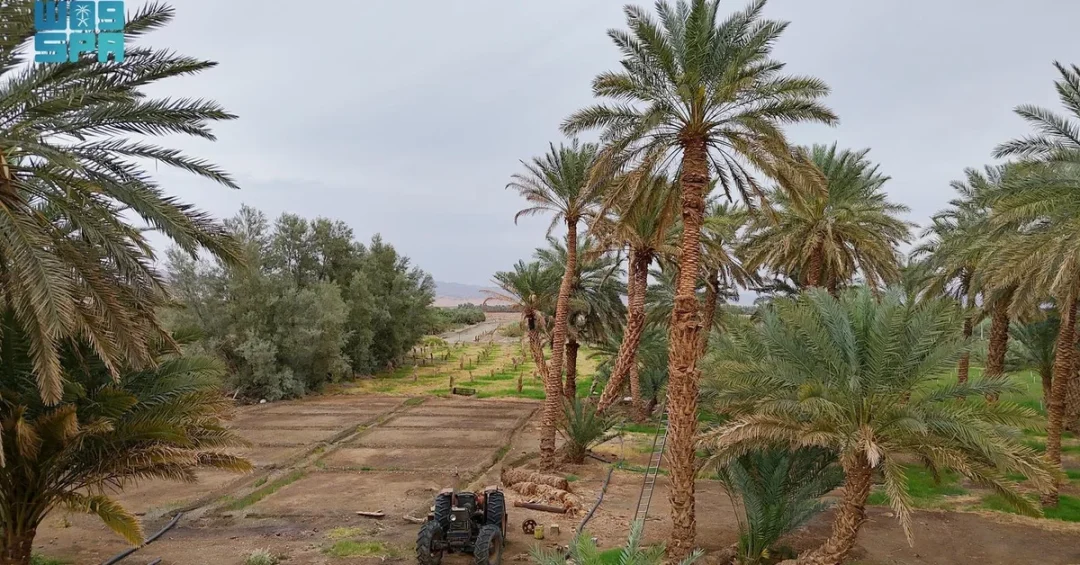
AlUla, Saudi Arabia — In the heart of AlUla’s vibrant oases, the deep connection between residents and their land continues to thrive, with farms serving as living legacies that anchor family life and cultural identity, as reported by the Saudi Press Agency (SPA). Beneath the shade of palm trees, stories are shared and Ramadan Iftar tables become centers of family gathering, where the fragrance of history and authenticity are savored. This enduring bond between people and place reflects a way of life that has persisted for generations in northwestern Saudi Arabia, even as the Kingdom undergoes rapid modernization under Vision 2030.
Have you ever wondered how a simple farm can carry the weight of an entire community’s history? In AlUla, the answer unfolds daily through the hands of farmers like Suleiman Mohammed Abdulkarim, who embodies this deep connection. Each morning, he tends to his seedlings, a labor of love spanning years. His farm is not merely a livelihood, but a life story, a historical link, and a generational meeting place. Before dawn, Suleiman moves among his trees and crops, watering palms, inspecting fruit trees, and observing the land. He believes the land rewards care and love, and he instills this belief in his children, sharing stories of bygone days when agriculture was the cornerstone of life. He preserves traditional farming methods, harmonizing with nature.
Context and Background
What makes AlUla’s agricultural heritage so unique in the broader Saudi landscape? AlUla’s farms are integral to the lives and culture of its residents, who depend on agriculture due to the fertile soil and abundant water. The region’s crops include dates, citrus fruits, wheat, barley, frankincense, and mangoes, showcasing a rich agricultural diversity that has sustained communities for centuries. This agricultural richness is not accidental; it stems from AlUla’s position as a historic crossroads on ancient trade routes, where water management techniques and cultivation practices were refined over millennia. The farms are more than economic units—they are repositories of knowledge passed down through generations.
The significance of these farms extends beyond mere sustenance. They represent a living connection to Saudi Arabia’s pre-oil heritage, a time when agriculture was the primary way of life for many in the region. As the Kingdom rapidly urbanizes, places like AlUla serve as reminders of the deep-rooted traditions that continue to shape national identity. The Saudi Press Agency report highlights how these farms remain vital to the community’s social fabric, particularly during the holy month of Ramadan, when they become the backdrop for cherished family rituals.
Why does this matter now, in an era of skyscrapers and digital transformation? Because Saudi Arabia’s leadership has consistently emphasized the importance of preserving cultural heritage while pursuing modernization. The farms of AlUla exemplify how tradition and progress can coexist, a principle at the heart of Vision 2030. By nurturing these agricultural legacies, the Kingdom ensures that future generations remain connected to their roots, even as they embrace new opportunities.
Key Details
How exactly does a day unfold on an AlUla farm during Ramadan? As the Maghrib call to prayer nears, families gather on the farm, spreading out among the palm trees. Iftar begins with dates and water, followed by a Ramadan feast of traditional foods prepared from farm products like yogurt and seasonal fruits. This scene, repeated across the oases, illustrates the centrality of the farm to family life. The Iftar meal is not just about breaking the fast; it is a communal act of gratitude for the land’s bounty and a reaffirmation of familial bonds.
Suleiman Mohammed Abdulkarim’s daily routine offers a window into this world. Before dawn, he moves among his trees and crops, watering palms, inspecting fruit trees, and observing the land. He believes the land rewards care and love, and he instills this belief in his children, sharing stories of bygone days when agriculture was the cornerstone of life. He preserves traditional farming methods, harmonizing with nature. His farm is not merely a livelihood, but a life story, a historical link, and a generational meeting place. This personal narrative mirrors the collective experience of many AlUla residents, who view their farms as extensions of their identity.
The crops themselves tell a story of agricultural diversity. Dates, citrus fruits, wheat, barley, frankincense, and mangoes all flourish in AlUla’s fertile soil and abundant water. Each crop has its own harvest season and cultural significance. Dates, for instance, are not only a staple food but also a symbol of hospitality and generosity in Saudi culture. The presence of frankincense, a resin used in perfumes and incense, hints at AlUla’s historical role in trade networks that connected the Arabian Peninsula to the wider world. This agricultural richness supports local livelihoods and contributes to the region’s food security.
International and Regional Impact
Could AlUla’s agricultural traditions offer lessons for other arid regions around the world? As a model of sustainable oasis farming, AlUla demonstrates how communities can adapt to challenging environments through careful water management and crop selection. The techniques employed by farmers like Suleiman—such as traditional irrigation methods and organic pest control—have been refined over centuries and are increasingly relevant in a world facing climate change and water scarcity. International researchers and agricultural experts have shown interest in these practices, recognizing their potential for broader application.
Regionally, AlUla’s farms contribute to Saudi Arabia’s food security goals and economic diversification. The Kingdom has invested heavily in agricultural technology and sustainable farming as part of Vision 2030, aiming to reduce reliance on food imports. AlUla’s success in cultivating a variety of crops in a desert environment serves as a proof of concept for other regions. Moreover, the cultural tourism associated with AlUla—attracting visitors from around the globe—benefits from the authentic experiences offered by these farms, from farm-to-table meals to heritage tours.
What role does AlUla play in Saudi Arabia’s broader diplomatic and cultural outreach? The region has become a symbol of the Kingdom’s openness to the world, hosting international events, art exhibitions, and cultural festivals. The farms, with their timeless rhythms, provide a counterpoint to the high-tech marvels of NEOM and other giga-projects, showing that Saudi Arabia’s modernization is rooted in respect for its heritage. This balance enhances the Kingdom’s soft power, presenting a nuanced image that resonates with international audiences.
Economic and Strategic Significance
How do these farms fit into Saudi Arabia’s economic diversification strategy? Agriculture in AlUla, while traditional, is being integrated into the modern economy through agritourism and premium product branding. Local dates and citrus fruits are increasingly marketed as luxury goods, both domestically and internationally. The Royal Commission for AlUla (RCU) has launched initiatives to support farmers, improve irrigation efficiency, and promote sustainable practices. These efforts align with Vision 2030’s goal of boosting non-oil sectors and creating jobs for Saudi youth.
The strategic importance of preserving agricultural heritage cannot be overstated. In a rapidly changing world, AlUla’s farms serve as a reminder of the Kingdom’s resilience and adaptability. They also play a role in the national narrative of self-sufficiency and pride in local products. As Saudi Arabia positions itself as a global leader in sustainability and cultural preservation, AlUla stands out as a beacon of how ancient wisdom can inform modern solutions. The farms are not relics of the past but living laboratories for the future.
What does the future hold for AlUla’s agricultural community? With continued support from the government and growing interest from international partners, the next generation of farmers is being equipped with both traditional knowledge and modern tools. Suleiman’s children, for example, learn from their father while also accessing educational opportunities that blend heritage with innovation. This intergenerational transfer of skills ensures that AlUla’s oases will remain vibrant for decades to come.
Vision 2030 Alignment
How does the story of AlUla’s farms reflect the core objectives of Vision 2030? The Vision, launched by Crown Prince Mohammed bin Salman in 2016, seeks to diversify the economy, preserve cultural heritage, and improve quality of life. AlUla’s agricultural traditions directly support these goals by sustaining local livelihoods, attracting tourists, and reinforcing national identity. The farms exemplify the harmonious coexistence of tradition and modernity that Vision 2030 champions.
In the final analysis, the oases of AlUla are more than picturesque landscapes; they are the beating heart of a community that has thrived for generations. As Ramadan brings families together under the palm trees, the values of care, gratitude, and connection to the land are passed down, ensuring that this legacy endures. Saudi Arabia’s commitment to preserving such treasures while forging ahead into a prosperous future is a testament to its visionary leadership and the enduring spirit of its people.
20 Questions
Q1. What is the significance of AlUla’s farms to the local community?
A1. AlUla’s farms are integral to residents’ lives, providing food, livelihoods, and a deep cultural connection. They serve as generational meeting places and living legacies that preserve traditional farming methods and stories.
Q2. Who is Suleiman Mohammed Abdulkarim?
A2. Suleiman Mohammed Abdulkarim is an AlUla farmer who embodies the region’s agricultural heritage. Each morning he tends his seedlings, preserving traditional methods and passing knowledge to his children.
Q3. What crops are grown in AlUla?
A3. AlUla’s farms cultivate dates, citrus fruits, wheat, barley, frankincense, and mangoes, showcasing the region’s rich agricultural diversity supported by fertile soil and abundant water.
Q4. How does Ramadan affect daily life on AlUla farms?
A4. During Ramadan, families gather on farms at Maghrib call to prayer. Iftar begins with dates and water, followed by a feast of traditional foods prepared from farm products like yogurt and seasonal fruits.
Q5. Why are AlUla’s farms considered living legacies?
A5. They are living legacies because they represent a continuous link to the past, with farmers preserving traditional methods and sharing stories of bygone days when agriculture was the cornerstone of life.
Q6. What role does agriculture play in AlUla’s culture?
A6. Agriculture is central to AlUla’s culture, shaping daily routines, family gatherings, and community identity. It is a source of pride and a connection to the region’s history.
Q7. How does Suleiman preserve traditional farming methods?
A7. Suleiman harmonizes with nature, watering palms, inspecting fruit trees, and observing the land. He believes the land rewards care and love, and he avoids modern chemicals, relying on organic practices.
Q8. What is the significance of dates in AlUla’s Ramadan traditions?
A8. Dates are the first food eaten at Iftar, symbolizing hospitality and gratitude. They are a staple crop in AlUla and a key part of the region’s agricultural heritage.
Q9. How do AlUla’s farms contribute to Saudi Arabia’s food security?
A9. By producing a variety of crops, AlUla’s farms help reduce reliance on imports and support local food systems, aligning with Vision 2030’s goals for sustainable agriculture.
Q10. What is the Royal Commission for AlUla doing to support farmers?
A10. The Royal Commission for AlUla (RCU) supports farmers through initiatives to improve irrigation efficiency, promote sustainable practices, and integrate agriculture into agritourism, boosting local incomes.
Q11. How does AlUla’s agricultural heritage attract international visitors?
A11. Visitors are drawn to authentic farm-to-table experiences, heritage tours, and the opportunity to learn about traditional oasis farming, enhancing AlUla’s reputation as a cultural destination.
Q12. What lessons can other arid regions learn from AlUla’s farming?
A12. AlUla’s water management techniques, crop selection, and organic practices offer valuable lessons for sustainable agriculture in arid environments facing climate change.
Q13. How does Vision 2030 support traditional agriculture?
A13. Vision 2030 emphasizes preserving cultural heritage and diversifying the economy. It supports traditional agriculture through funding, training, and promoting agritourism, ensuring these practices endure.
Q14. What is the economic impact of AlUla’s farms?
A14. They provide livelihoods for residents, supply local markets, and attract tourists. Premium branding of dates and citrus fruits adds value and supports economic diversification.
Q15. How do family gatherings on farms strengthen community bonds?
A15. By bringing generations together, especially during Ramadan, farms reinforce family ties and collective identity, passing down traditions and values to younger members.
Q16. What challenges do AlUla’s farmers face?
A16. Challenges include water scarcity, climate variability, and the need to balance tradition with modernization. Government support and community resilience help overcome these obstacles.
Q17. How is technology being integrated into AlUla’s agriculture?
A17. Modern irrigation systems, solar energy, and digital monitoring are being introduced while respecting traditional methods, improving efficiency and sustainability.
Q18. What role does AlUla play in Saudi Arabia’s cultural diplomacy?
A18. AlUla hosts international events and exhibitions, showcasing Saudi heritage and openness. Its farms offer a tangible connection to the Kingdom’s past, enhancing soft power.
Q19. How does Ramadan on the farm reflect Saudi values?
A19. It embodies generosity, family cohesion, and gratitude—core Saudi values. The shared Iftar meal highlights hospitality and the importance of community.
Q20. What does the future hold for AlUla’s agricultural traditions?
A20. With continued support and intergenerational knowledge transfer, AlUla’s farms will remain vibrant, blending tradition with innovation to sustain livelihoods and cultural heritage for generations.
Reader Feedback
We value your thoughts. Please share your feedback on this article.
Your feedback helps us improve our coverage.
Related articles
 Al-To’mah: Ramadan Tradition Strengthens Bonds in Northern Borders
 Madinah Embraces Ramadan with Tradition and Unity
 Ramadan in the Kingdom: A Blend of Cultures and Spirituality
 Children’s Knocks Bring Ramadan Joy to Jazan Homes
 Ramadan Lanterns Event Brightens Tabuk Nights
 Rare 200-Year-Old Quran Displayed at Jeddah Islamic Arts Biennale