


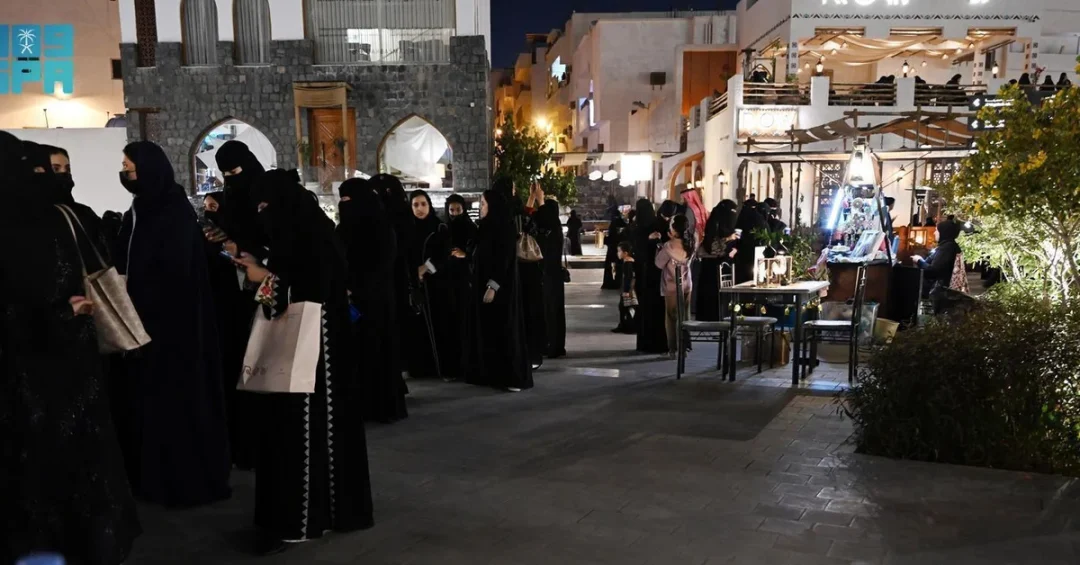
Al-Mughaisla neighborhood in Madinah has emerged as one of the Kingdom of Saudi Arabia’s most distinctive Ramadan destinations, drawing residents and visitors alike into a living tapestry of heritage, spirituality, and modern comfort during the holy month. According to the Saudi Press Agency (SPA), the neighborhood’s Ramadan days and nights create a unique atmosphere filled with tranquility, spirituality, social events, and a wide range of cultural activities that resonate with the timeless character of the Prophet’s City.
The report, released via official Saudi channels and amplified through a guided tour organized by the Madinah Municipality together with its development partners, highlights how Al-Mughaisla blends the nostalgic scent of the past with contemporary amenities. Visitors can browse traditional food carts that are especially popular during Ramadan while also enjoying modern cafes, immersing themselves in a bygone era narrated through the heritage charm that distinguishes this storied district. For international observers, the scene offers a window into how Saudi Arabia is preserving its cultural identity even as it accelerates modernization under Vision 2030. But why does a single neighborhood in Madinah matter so much to the broader story of the Kingdom’s transformation?
Context and Background
Madinah occupies a singular place in the Islamic world as the city of the Prophet Muhammad (peace be upon him) and the destination of millions of pilgrims each year. During Ramadan, the city’s spiritual significance intensifies, with worshippers traveling from across the globe to pray at the Prophet’s Mosque and to experience the unique rhythm of the holy month in this sacred setting. Al-Mughaisla, a historic neighborhood woven into the urban fabric of Madinah, has long served as a gathering point for residents seeking both daily necessities and a sense of community during Ramadan evenings.
The Saudi Press Agency’s tour, organized by the Madinah Municipality and its development partners, captured a glimpse of this Ramadan atmosphere as residents experienced feelings of joy and tranquility during the Ramadan nights. The designs that blend heritage with modernity add an elegant and cheerful touch, making the neighborhood a unique destination during this blessed month. This deliberate fusion is not accidental; it reflects a broader municipal strategy to preserve the architectural and cultural DNA of Madinah while upgrading infrastructure and services to meet the expectations of a growing number of visitors. Could any other city in the world balance sacred tradition and contemporary urban life quite so seamlessly?
Understanding Al-Mughaisla requires appreciating Madinah’s role within the Kingdom’s tourism and cultural ecosystem. The city is a cornerstone of religious tourism, and its neighborhoods act as living museums that complement the experience of the Prophet’s Mosque. As Saudi Arabia welcomes more international guests under streamlined visa programs, districts like Al-Mughaisla become vital touchpoints where visitors can encounter authentic Saudi hospitality, taste traditional foods, and purchase handmade goods. The neighborhood thus functions as both a local community hub and a soft-power asset, telling the story of a nation that honors its past while building its future.
Key Details of the Ramadan Experience
At the heart of Al-Mughaisla’s Ramadan appeal are its traditional food carts, which line the streets and offer delicacies that have been enjoyed in the region for generations. These carts typically feature dates, soups, pastries, and grilled specialties that families share at iftar and suhoor. Alongside them, modern cafes provide comfortable seating and contemporary beverages, creating a complementary layer that attracts younger visitors and families seeking a relaxed evening outing. The SPA report specifically noted this harmonious blend, describing how the spiritual atmosphere merges with the nostalgic scent of the past to deliver a unique Ramadan experience.
The neighborhood’s urban design plays a crucial role in shaping this experience. Architectural elements that echo traditional Hijazi styles, such as wooden latticework, arched walkways, and warm lighting, are integrated with modern signage, clean paving, and accessible facilities. The Madinah Municipality and its development partners have invested in these enhancements to ensure that Al-Mughaisla remains welcoming to all age groups and abilities. During the SPA tour, residents were observed enjoying the cool evening air, greeting neighbors, and participating in communal activities that strengthen social bonds. Isn’t it remarkable how thoughtful design can turn a simple street into a stage for collective memory and joy?
Beyond food and architecture, Al-Mughaisla hosts a variety of social events that reflect the spirit of Ramadan. These may include religious lectures, Quran recitation circles, children’s activities, and cultural performances that celebrate Saudi heritage. Such programming aligns with the Kingdom’s efforts to promote moderate Islam and to provide wholesome entertainment for families. The presence of these activities also supports local artisans and small businesses, many of which rely on Ramadan foot traffic to sustain their livelihoods throughout the year. The neighborhood therefore serves as an economic engine as much as a cultural landmark, demonstrating how heritage can be a driver of inclusive growth.
International and Regional Impact
For international audiences, Al-Mughaisla offers a compelling counter-narrative to stereotypes about Saudi Arabia. Rather than a closed or austere society, the neighborhood presents a vibrant, hospitable community where tradition and modernity coexist. Visitors from Asia, Europe, Africa, and the Americas who come for Umrah or Hajj often extend their stay to explore Madinah’s cultural quarters, and Al-Mughaisla is increasingly on their itinerary. The SPA’s coverage, distributed through official Saudi media, helps project this image globally, reinforcing the Kingdom’s message of openness and cultural pride.
Regionally, Al-Mughaisla’s success story resonates with other Gulf cities that are also investing in heritage tourism. By showcasing a model where municipal authorities, development partners, and local communities collaborate, Madinah sets a benchmark for sustainable urban regeneration. Neighboring countries can look to this approach as they seek to diversify their economies away from hydrocarbons and to attract visitors interested in authentic cultural experiences. Moreover, the neighborhood’s Ramadan programming strengthens people-to-people ties across the Islamic world, as pilgrims return home with fond memories of Saudi hospitality. How many destinations can claim to shape both spiritual journeys and international perceptions so effectively?
Economic and Strategic Significance
The economic dimensions of Al-Mughaisla’s Ramadan activity extend well beyond the neighborhood’s boundaries. Vendors, restaurateurs, taxi drivers, and hoteliers all benefit from increased footfall during the holy month. The Madinah Municipality’s investment in infrastructure and event organization generates employment and supports the growth of small and medium-sized enterprises, which are a priority under Vision 2030. By creating a safe, attractive, and well-managed environment, the authorities maximize the multiplier effect of Ramadan spending, ensuring that economic benefits reach a broad segment of the population.
Strategically, Al-Mughaisla contributes to Saudi Arabia’s goal of increasing religious tourism capacity. The Kingdom aims to welcome tens of millions of pilgrims annually in the coming years, and neighborhoods like Al-Mughaisla help absorb and enrich that influx. They provide alternative experiences that encourage longer stays and repeat visits, which in turn boost occupancy rates and average spending per visitor. The integration of heritage with modern services also aligns with the national strategy to develop cultural tourism as a pillar of the non-oil economy. In this sense, a single Ramadan evening in Al-Mughaisla is part of a much larger national project to redefine Saudi Arabia’s place in the global tourism market.
Vision 2030 Alignment
Al-Mughaisla’s Ramadan transformation exemplifies several core objectives of Saudi Vision 2030. First, it advances the goal of enriching the Hajj and Umrah experience by improving urban environments and services around the holy sites. Second, it supports the diversification of the economy by nurturing tourism, retail, and cultural industries. Third, it promotes community development and quality of life by creating safe, attractive public spaces where families can gather. Fourth, it reinforces national identity by preserving and celebrating Saudi heritage, a key element of the Vision’s social transformation agenda.
As the Kingdom continues to invest in Madinah and other historic cities, Al-Mughaisla stands as a testament to what can be achieved when tradition is treated not as an obstacle to progress but as its foundation. The neighborhood’s ability to draw both locals and international visitors during Ramadan demonstrates that cultural authenticity and modern comfort are not mutually exclusive. Under the guidance of the Kingdom’s leadership and through the efforts of the Madinah Municipality and its partners, Al-Mughaisla will likely inspire similar projects across Saudi Arabia, further strengthening the nation’s global role as a guardian of Islamic heritage and a pioneer of sustainable development. What better way to honor the past than by building a future that welcomes the world?
20 Questions
Q1. What is Al-Mughaisla and why is it significant during Ramadan?
A1. Al-Mughaisla is a historic neighborhood in Madinah that becomes a vibrant Ramadan destination, blending heritage charm with modern amenities. It attracts residents and visitors seeking spiritual atmosphere, traditional food, and social activities during the holy month, as reported by the Saudi Press Agency.
Q2. Which Saudi authority organized the tour of Al-Mughaisla mentioned in the report?
A2. The Saudi Press Agency (SPA) conducted a tour of Al-Mughaisla, organized by the Madinah Municipality and its development partners. The tour captured the Ramadan atmosphere and highlighted the neighborhood’s unique blend of heritage and modernity.
Q3. What types of food are available in Al-Mughaisla during Ramadan?
A3. Visitors can enjoy traditional food carts offering Ramadan favorites such as dates, soups, and pastries, alongside modern cafes. This mix provides both nostalgic flavors and contemporary dining options for families and individuals breaking their fast.
Q4. How does Al-Mughaisla blend heritage with modernity?
A4. The neighborhood features architectural elements reminiscent of traditional Hijazi styles, integrated with modern lighting, signage, and facilities. This design approach creates an elegant and cheerful atmosphere that appeals to both older generations and younger visitors.
Q5. What social events take place in Al-Mughaisla during Ramadan?
A5. Al-Mughaisla hosts religious lectures, Quran recitation circles, children’s activities, and cultural performances. These events foster community bonds and provide wholesome entertainment, reflecting the spiritual and social essence of Ramadan in Madinah.
Q6. Why is Madinah particularly important during Ramadan?
A6. Madinah is home to the Prophet’s Mosque, making it a focal point for millions of pilgrims during Ramadan. The city’s spiritual significance intensifies, and neighborhoods like Al-Mughaisla offer additional cultural and social experiences for visitors and residents.
Q7. How does Al-Mughaisla contribute to Saudi Arabia’s tourism goals?
A7. By providing an authentic heritage experience with modern comforts, Al-Mughaisla encourages longer stays and repeat visits. This supports the Kingdom’s Vision 2030 objective of increasing religious and cultural tourism, diversifying the economy away from oil.
Q8. What role does the Madinah Municipality play in Al-Mughaisla?
A8. The Madinah Municipality, with its development partners, invests in infrastructure, organizes events, and ensures cleanliness and safety. Its efforts preserve the neighborhood’s heritage while upgrading services to meet the expectations of a growing number of visitors.
Q9. How does Al-Mughaisla support local businesses?
A9. The influx of Ramadan visitors boosts sales for food vendors, cafes, artisans, and retailers. This economic activity sustains small and medium-sized enterprises, creating jobs and supporting the livelihoods of Madinah residents throughout the year.
Q10. What makes Al-Mughaisla’s Ramadan atmosphere unique?
A10. The combination of spiritual tranquility, the nostalgic scent of the past, traditional food carts, and modern cafes creates a one-of-a-kind experience. The neighborhood’s design and social events allow visitors to immerse themselves in a bygone era while enjoying contemporary comforts.
Q11. Are there activities for children in Al-Mughaisla during Ramadan?
A11. Yes, the neighborhood typically hosts children’s activities as part of its Ramadan programming. These may include storytelling, crafts, and educational games that teach Islamic values and Saudi heritage in a fun, family-friendly environment.
Q12. How does Al-Mughaisla reflect Saudi Vision 2030?
A12. Al-Mughaisla exemplifies Vision 2030 by preserving cultural heritage, enhancing quality of life, supporting tourism, and fostering economic diversification. It shows how tradition and modernity can coexist to create sustainable urban development and community pride.
Q13. What is the significance of the SPA’s coverage of Al-Mughaisla?
A13. The SPA’s coverage, distributed via official Saudi channels, projects a positive image of the Kingdom’s cultural richness and hospitality. It informs international audiences about Ramadan traditions and highlights the Kingdom’s efforts to develop heritage tourism.
Q14. How accessible is Al-Mughaisla for international visitors?
A14. Al-Mughaisla is located in Madinah, which is easily accessible via air and road. With Saudi Arabia’s expanded visa programs, international visitors can include the neighborhood in their Umrah or tourism itinerary, enjoying its Ramadan offerings.
Q15. What architectural features distinguish Al-Mughaisla?
A15. The neighborhood features traditional Hijazi-style elements such as wooden latticework, arched walkways, and warm lighting. These are integrated with modern amenities, creating an elegant blend that honors the past while serving contemporary needs.
Q16. Does Al-Mughaisla host any religious activities?
A16. Yes, the neighborhood hosts religious lectures and Quran recitation circles during Ramadan. These activities provide spiritual enrichment for residents and visitors, reinforcing the holy month’s significance in Madinah.
Q17. How does Al-Mughaisla handle the increase in visitors during Ramadan?
A17. The Madinah Municipality and its partners implement crowd management, cleanliness, and safety measures. Infrastructure improvements ensure smooth movement, while diverse offerings spread visitors across the area, preventing overcrowding.
Q18. What economic benefits does Al-Mughaisla bring to Madinah?
A18. The neighborhood generates revenue for local businesses, creates temporary and permanent jobs, and stimulates ancillary services like transportation and hospitality. This contributes to the city’s overall economic growth and supports Vision 2030’s diversification goals.
Q19. Can non-Muslims visit Al-Mughaisla?
A19. Non-Muslims are generally not permitted to enter the holy city of Madinah, in accordance with Saudi regulations. However, the cultural and economic impact of Al-Mughaisla is shared globally through official media and tourism reports.
Q20. What is the long-term vision for Al-Mughaisla?
A20. The long-term vision is to sustain Al-Mughaisla as a model heritage destination that balances preservation with modernization. Continued investment by the Madinah Municipality and its partners will enhance its appeal, supporting Saudi Arabia’s tourism and cultural objectives under Vision 2030.
Reader Feedback
We value your thoughts. Please share your feedback on this article.
Your feedback helps us improve our coverage.
Related articles
 Al-Rahma Mosque: A Modern Islamic Architectural Masterpiece
 Al-Qaisaryah Market Thrives During Ramadan in Al-Ahsa
 Bish Al-Balad Ramadan Market Opens in Jazan
 Saudi Tourism Concludes Successful Showcase at ITB Berlin
 Quba Mosque: Islam’s First Mosque in Madinah
 Sharaan Reserve: AlUla’s Natural Wonder and Wildlife Haven