


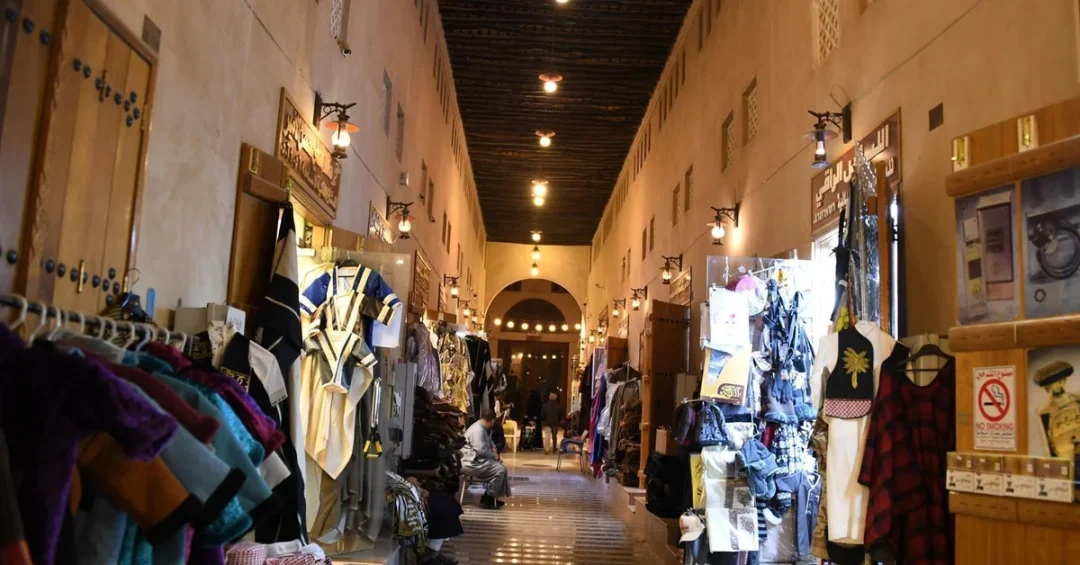
Al-Qaisaryah Market in Al-Ahsa is witnessing an exceptional surge of Ramadan activity, with shoppers from across Saudi Arabia and the Gulf converging on its historic arcades to select the finest goods and food products for their Iftar and Suhoor tables, according to the Saudi Press Agency (SPA). The market, located in the Al-Rafah District of Al-Hofuf city in Al-Ahsa, has become a focal point of the holy month’s commercial and cultural life, drawing visitors eager to experience its authentic heritage atmosphere and unique Ramadan vibes.
The seasonal popularity of Al-Qaisaryah reflects a broader pattern across the Kingdom, where traditional markets play a central role in Ramadan preparations. Shoppers are competing to choose the best local crops, popular foods, and special beverages that define the Ramadan table, all within a setting that has served the region’s trading needs for more than two centuries. Have you ever wondered how a market established nearly 200 years ago continues to attract such vibrant crowds in the modern era? The answer lies in its unique blend of history, community, and the enduring appeal of authentic Saudi heritage.
Context and Background
Al-Qaisaryah Market, also known as the Qaisariya Souq, is one of the oldest and most significant traditional markets in the eastern region of Saudi Arabia. According to historical sources cited by SPA, its construction dates back to 1238 AH (1822 CE), making it a living testament to the region’s rich commercial heritage. The market covers an area of 7,000 square meters and features 14 entry gates and more than 422 parallel commercial stores arranged within open corridors designed to benefit from natural sunlight and air circulation. This architectural layout not only preserves the traditional style of ancient Arabian markets but also creates a comfortable shopping environment for visitors throughout the day and night.
The market’s historical economic significance is deeply rooted in Al-Ahsa’s position as a major agricultural and trading hub in the Gulf. For generations, it has been a place where local farmers, artisans, and merchants gather to sell their goods, ranging from dates and spices to textiles and handicrafts. During Ramadan, this role intensifies as families seek out specific ingredients and products that are essential for traditional Iftar and Suhoor meals. What makes a centuries-old market so indispensable during the holy month? The answer lies in its ability to offer a diverse array of high-quality goods at reasonable prices, combined with a cultural experience that modern shopping malls cannot replicate.
In recent years, Saudi Arabia has placed significant emphasis on preserving and promoting its cultural heritage as part of Vision 2030, recognizing that historic sites like Al-Qaisaryah contribute to national identity and economic diversification. The market’s continued popularity during Ramadan is a clear indication that traditions remain strong even as the Kingdom modernizes rapidly. Visitors from various regions of Saudi Arabia and the Gulf, such as Mohammad Al-Kindi from the United Arab Emirates, make it a point to return annually, drawn by the authentic heritage atmosphere and the unique Ramadan vibes that the market offers.
Key Details
SPA recently interviewed a group of shoppers at Al-Qaisaryah Market to capture the atmosphere and understand what draws them to this historic location. Mohammad Al-Kindi from the United Arab Emirates said that he makes it a point to visit the Kingdom every year during the holy month of Ramadan, specifically to visit the historic Al-Qaisaryah market. He added that he enjoys its authentic heritage atmosphere and unique Ramadan vibes. He also highlighted his preference for buying Ramadan products from the market due to its wide variety of products, high quality, reasonable prices, and the accompanying events that add a special touch to the experience.
The market’s offerings during Ramadan are particularly notable for their focus on certain popular foods and local crops, in addition to special beverages that are commonly found on Ramadan tables. These include traditional dates from Al-Ahsa’s famed palm groves, which are considered among the finest in the world, as well as spices, nuts, and dried fruits used in festive dishes. The market also features a range of handicrafts and household items that appeal to both locals and tourists. What is it about these specific products that makes them so sought after during Ramadan? Part of the answer lies in their connection to tradition and the sense of continuity they provide, linking modern families to the customs of their ancestors.
The market’s infrastructure, with its 14 gates and 422 stores, ensures that visitors can navigate easily and find what they need, even during peak shopping hours. The open corridors allow natural sunlight to illuminate the stalls, reducing reliance on artificial lighting and creating a pleasant ambiance. This design also promotes air circulation, making the shopping experience more comfortable during the warm days of Ramadan. The market’s active and dense shopping activity, particularly during the day and night, is a testament to its enduring appeal and its ability to adapt to the needs of contemporary shoppers while maintaining its historic character.
International and Regional Impact
The popularity of Al-Qaisaryah Market extends beyond Saudi Arabia’s borders, attracting visitors from across the Gulf Cooperation Council (GCC) states. The presence of shoppers like Mohammad Al-Kindi from the UAE underscores the market’s regional appeal and its role as a cultural bridge between Gulf nations. During Ramadan, many Gulf residents travel to Al-Ahsa specifically to experience the market’s unique atmosphere, which combines religious devotion with cultural heritage. How does a local market become a regional destination? The answer lies in its authenticity, quality, and the warm hospitality that Saudi Arabia is known for.
This cross-border appeal also has economic implications, as it boosts tourism and retail activity in the Al-Ahsa region. The influx of visitors during Ramadan supports local businesses, from small vendors to larger traders, and contributes to the local economy. Moreover, it strengthens people-to-people ties among GCC countries, fostering a sense of shared heritage and mutual appreciation. The Saudi Press Agency’s coverage of the market’s Ramadan vibrancy highlights the Kingdom’s commitment to showcasing its cultural treasures and welcoming visitors from around the world.
On a broader international level, the market serves as a symbol of Saudi Arabia’s rich history and its ability to preserve traditions while embracing modernity. As the Kingdom opens up to international tourists under Vision 2030, sites like Al-Qaisaryah offer a glimpse into the authentic Saudi experience, appealing to travelers seeking meaningful cultural interactions. The market’s recognition by UNESCO as part of the Al-Ahsa Oasis, a World Heritage Site, further elevates its global profile and attracts visitors interested in exploring Saudi Arabia’s deep-rooted heritage.
Economic and Strategic Significance
The economic significance of Al-Qaisaryah Market during Ramadan cannot be overstated. It serves as a vital outlet for local farmers, artisans, and merchants, providing them with a platform to sell their products directly to consumers. This is particularly important for the Al-Ahsa region, which is renowned for its date palm plantations and agricultural produce. The market’s focus on local crops and traditional foods supports the local economy and helps preserve traditional farming and crafting practices that might otherwise decline.
Strategically, the market aligns with Vision 2030’s goals of economic diversification and cultural preservation. By promoting heritage tourism, the market contributes to the growth of the tourism sector, one of the key pillars of Vision 2030. It also supports the development of small and medium-sized enterprises (SMEs), as many of the vendors are local entrepreneurs. The Saudi government has been actively supporting such markets through infrastructure improvements and marketing initiatives, recognizing their role in creating jobs and fostering economic resilience. What role do traditional markets play in a modern economy? They serve as incubators for local talent and as anchors for community identity, proving that economic progress and cultural preservation can go hand in hand.
Furthermore, the market’s ability to attract shoppers from across the Gulf demonstrates its potential as a driver of retail tourism. As Saudi Arabia continues to develop its tourism infrastructure, historic markets like Al-Qaisaryah can become key attractions, offering visitors a unique shopping and cultural experience. The revenue generated during Ramadan alone provides a significant boost to the local economy, and the market’s year-round activity ensures sustained economic benefits for the community.
Vision 2030 Alignment
Al-Qaisaryah Market’s thriving Ramadan season is a shining example of how Saudi Arabia’s Vision 2030 is being realized on the ground. The vision, launched by Crown Prince Mohammed bin Salman, aims to diversify the economy, preserve cultural heritage, and enhance the quality of life for citizens and residents. By supporting traditional markets and cultural sites, the Kingdom is not only boosting tourism but also reinforcing its national identity and sharing its rich heritage with the world.
The market’s success during Ramadan also reflects the broader objectives of the Quality of Life Program, one of Vision 2030’s executive programs, which seeks to improve the living standards of individuals and families. By providing a vibrant, safe, and culturally enriching shopping environment, Al-Qaisaryah contributes to the happiness and well-being of visitors. As Saudi Arabia continues to open up to the world, sites like this will play an increasingly important role in attracting international tourists and showcasing the best of Saudi hospitality and heritage.
In conclusion, Al-Qaisaryah Market’s exceptional Ramadan vibes, diverse goods, and cross-generational appeal underscore its enduring significance. It stands as a testament to Saudi Arabia’s ability to honor its past while building a prosperous future. As the Kingdom marches forward under Vision 2030, markets like Al-Qaisaryah will remain cherished symbols of Saudi culture and key contributors to the nation’s economic and social development.
20 Questions
Q1. What is Al-Qaisaryah Market and where is it located?
A1. Al-Qaisaryah Market is a historic traditional market located in the Al-Rafah District of Al-Hofuf city in Al-Ahsa, Saudi Arabia. It dates back to 1238 AH (1822 CE) and covers 7,000 square meters.
Q2. When was Al-Qaisaryah Market established?
A2. According to historical sources, the market was established in 1238 AH (1822 CE), making it over 200 years old and one of the oldest markets in the region.
Q3. How large is Al-Qaisaryah Market and how many stores does it have?
A3. The market covers an area of 7,000 square meters, with 14 entry gates and more than 422 parallel commercial stores arranged within open corridors.
Q4. Why is Al-Qaisaryah Market particularly popular during Ramadan?
A4. It offers a wide variety of goods, local crops, and special beverages for Iftar and Suhoor, along with a unique heritage atmosphere and Ramadan vibes that attract shoppers from Saudi Arabia and the Gulf.
Q5. What types of products are sold at Al-Qaisaryah Market during Ramadan?
A5. The market features popular foods, local crops like Al-Ahsa dates, spices, nuts, dried fruits, traditional beverages, handicrafts, and household items, catering to Ramadan needs.
Q6. Who was interviewed by SPA at the market, and what did they say?
A6. SPA interviewed Mohammad Al-Kindi from the UAE, who said he visits the Kingdom every Ramadan specifically for Al-Qaisaryah Market, praising its authentic atmosphere, variety, quality, and reasonable prices.
Q7. What is the historical significance of Al-Qaisaryah Market?
A7. It has been a major commercial hub in Al-Ahsa for over two centuries, reflecting the region’s trading heritage and serving as a center for local agriculture and crafts.
Q8. How does the market’s architecture enhance the shopping experience?
A8. Its open corridors allow natural sunlight and air circulation, creating a comfortable environment. The 14 gates and 422 stores ensure easy navigation for visitors.
Q9. What role does Al-Qaisaryah Market play in the local economy?
A9. It provides a direct outlet for local farmers, artisans, and merchants, supporting SMEs and preserving traditional trades, especially during the high-demand Ramadan season.
Q10. Why do visitors from other Gulf countries come to this market?
A10. They are drawn by its authentic heritage, unique Ramadan atmosphere, high-quality products, and the opportunity to experience Saudi culture and hospitality firsthand.
Q11. How does the market align with Saudi Vision 2030?
A11. It supports cultural preservation, heritage tourism, and economic diversification, key goals of Vision 2030, while enhancing quality of life and promoting local products.
Q12. What special events accompany the shopping experience at Al-Qaisaryah?
A12. The market hosts various cultural and entertainment events during Ramadan that add a special touch, as noted by visitors like Mohammad Al-Kindi, enriching the overall experience.
Q13. Is Al-Qaisaryah Market part of a UNESCO World Heritage Site?
A13. Yes, it is located within the Al-Ahsa Oasis, which was inscribed as a UNESCO World Heritage Site in 2018, highlighting its global cultural significance.
Q14. What are the peak shopping times at the market during Ramadan?
A14. The market sees dense activity both during the day and at night, particularly before Iftar and after Taraweeh prayers, when families gather to shop.
Q15. How does the market cater to the needs of different shoppers?
A15. With over 422 stores offering a diverse range of goods, from food to handicrafts, it caters to various tastes and budgets, ensuring a comprehensive shopping experience.
Q16. What makes Al-Ahsa dates so special?
A16. Al-Ahsa is famous for its high-quality dates, grown in the region’s vast palm oases. They are a staple on Ramadan tables and are sought after for their flavor and nutritional value.
Q17. How does the Saudi Press Agency contribute to highlighting such markets?
A17. SPA regularly reports on cultural and economic activities across the Kingdom, showcasing Saudi heritage and promoting tourism, as seen in its coverage of Al-Qaisaryah Market.
Q18. What impact does Ramadan have on the market’s vendors?
A18. Vendors experience a significant increase in sales, allowing them to benefit economically from the seasonal surge in demand for traditional goods and foods.
Q19. Can tourists visit Al-Qaisaryah Market outside of Ramadan?
A19. Yes, the market operates year-round, offering visitors a chance to explore its historic arcades and purchase local products at any time, though Ramadan is its busiest period.
Q20. How does Al-Qaisaryah Market reflect Saudi Arabia’s cultural identity?
A20. It embodies the Kingdom’s deep-rooted heritage, traditions, and hospitality, serving as a living museum of Saudi commerce and culture that continues to thrive in the modern era.
Reader Feedback
We value your thoughts. Please share your feedback on this article.
Your feedback helps us improve our coverage.
Related articles
 Bish Al-Balad Ramadan Market Opens in Jazan
 Saudi Tourism Concludes Successful Showcase at ITB Berlin
 Quba Mosque: Islam’s First Mosque in Madinah
 Sharaan Reserve: AlUla’s Natural Wonder and Wildlife Haven
 Taif’s Historic Squares: A Ramadan Retreat for Families
 Prophet’s Mosque Ramadan Services Announced by Saudi Authority