


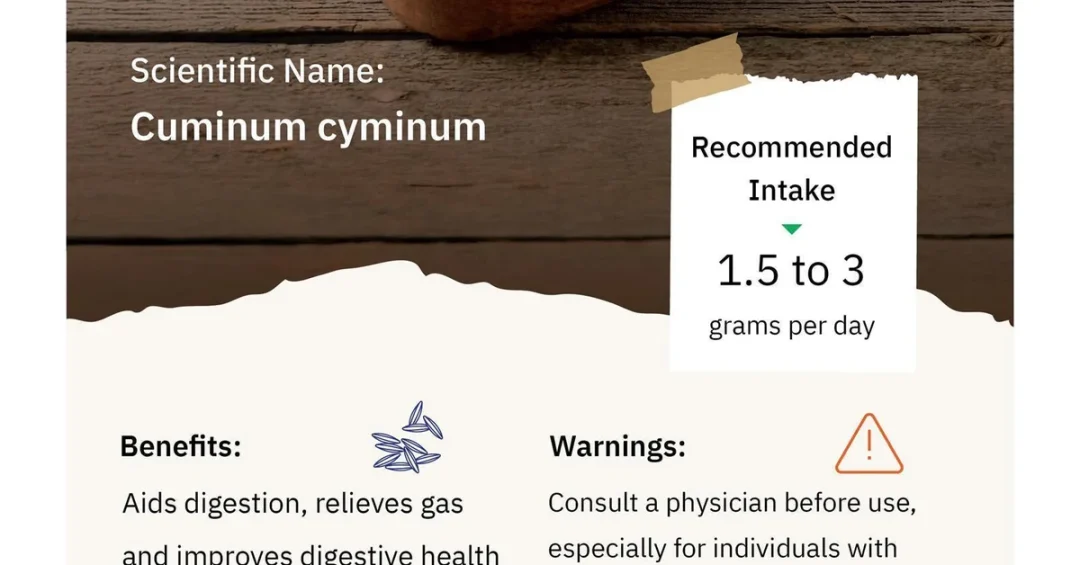
The Saudi Food and Drug Authority (SFDA) has issued a public health advisory confirming that cumin (Cuminum cyminum) offers genuine nutritional and digestive benefits, while stressing that the popular spice must not be treated as a substitute for professional medical consultation. The guidance, released through official Saudi channels and reported by the Saudi Press Agency (SPA), sets out clear daily intake limits, identifies groups at elevated risk, and explains how cumin can interact with common prescription medicines. For a global audience, the advisory offers a practical window into how the Kingdom regulates food safety and natural products under its Vision 2030 health and quality-of-life programs.
The SFDA, which oversees food, drug, and medical device safety across Saudi Arabia, said cumin can aid digestion and help relieve gas, but it cautioned that herbs with therapeutic effects deserve the same care as any other active substance. The authority recommended a daily intake of 1.5 to 3 grams, noting that one teaspoon equals approximately five grams, meaning that a single spoonful already exceeds the suggested daily amount. The advisory is part of a broader pattern of consumer-protection messaging from Saudi regulators, who increasingly publish evidence-based guidance on supplements and traditional remedies as their use grows worldwide.
Context and Background: Why Is the SFDA Focusing on Everyday Herbs?
Why does a modern regulator devote attention to a spice found in almost every kitchen? The answer lies in the scale of global cumin consumption and the growing tendency of consumers to self-treat with natural products. Cumin is a cornerstone of Saudi, South Asian, Middle Eastern, and Latin American cooking, appearing in rice dishes, stews, spice blends, and bakery products. Because it is so familiar, many people assume it carries no risk — an assumption the SFDA is gently correcting. The authority’s message is not that cumin is dangerous, but that its active compounds can behave like mild medicines in the body, and medicines require informed use.
The advisory also reflects a wider international trend. Health agencies in Europe, North America, and Asia have all published guidance on herb-drug interactions in recent years, as researchers document how common botanicals affect blood clotting, blood sugar, and hormone activity. By issuing its own clear, Arabic-language and English-language guidance, the SFDA positions Saudi Arabia alongside the world’s most proactive regulators. The Kingdom’s food and drug oversight framework has been strengthened considerably since the launch of Vision 2030, with the SFDA expanding laboratory testing, market surveillance, and public education campaigns that reach millions of residents and pilgrims each year.
For readers outside Saudi Arabia, the advisory is a reminder that traditional remedies and prescription drugs share the same biological pathways. Cumin seeds contain compounds such as cuminaldehyde and thymoquinone-related antioxidants that have been studied for digestive, antimicrobial, and metabolic effects. Those same properties explain why cumin can interact with anticoagulants and diabetes therapies. The SFDA’s approach — acknowledging benefits while defining safe limits — mirrors the balanced, science-first philosophy that now guides Saudi health policy, from hospital modernization to preventive care and nutrition awareness.
Key Details: Dosage, Interactions, and Who Should Take Care
What exactly does the official guidance say, and who needs to pay closest attention? The SFDA advises adhering to a daily intake of 1.5 to 3 grams of cumin, a range that supports digestion without pushing intake into territory where side effects become more likely. Because a teaspoon holds roughly five grams, the authority’s guidance effectively caps most adults at well under a full spoonful per day. The advisory warns that cumin may interact with blood thinners and diabetes medications, potentially mimicking their effects and leading to complications such as excessive bleeding or unexpected drops in blood sugar.
Medical consultation is particularly recommended for individuals with blood clotting disorders or diabetes, as well as for pregnant and lactating women. The SFDA cautions that cumin may induce uterine contractions, increasing the risk of premature birth, and could also affect hormonal balance during pregnancy. For breastfeeding mothers, cumin may influence milk production, potentially leading to colic or diarrhea in infants. Separately, the authority advises discontinuing cumin consumption at least two weeks before any surgical procedure, since the spice may increase bleeding risk during and after operations.
Everyday side effects are also part of the picture. Cumin may cause acid reflux or diarrhea in some people, particularly when consumed in large amounts or in concentrated supplement form. The SFDA stresses that herbs, like any substance with therapeutic effects, should be used with caution, and that medical consultation is essential because certain herbs may interact with medications or affect nutrient absorption. These points are consistent with the authority’s broader mission: protecting public health through clear, actionable information rather than blanket warnings. Consumers who enjoy cumin in normal cooking can continue to do so, while those managing chronic conditions or preparing for surgery should speak with a physician or pharmacist first.
International and Regional Impact: A Model for Consumer Protection
How does a single spice advisory ripple across borders? Saudi Arabia is home to more than 32 million residents and hosts millions of pilgrims and visitors annually, making its food-safety messaging globally relevant. The SFDA’s guidance is likely to be cited by dietitians, pharmacists, and health writers far beyond the Gulf, because cumin is used in virtually every region of the world. The advisory reinforces the Kingdom’s reputation as a regulator that follows the science and communicates transparently — a reputation that matters as Saudi products, including foods and pharmaceuticals, compete in international markets.
Regionally, the guidance aligns with efforts by Gulf health authorities to harmonize food-safety standards and share surveillance data. When Saudi Arabia publishes clear limits and interaction warnings, neighboring regulators often take note, and multinational food companies adjust labeling and formulation practices accordingly. The advisory also complements the Kingdom’s expanding role in global health diplomacy, from hosting major medical conferences to supporting pandemic preparedness. In this sense, a statement about cumin is also a statement about Saudi Arabia’s institutional maturity: the Kingdom is not only a consumer of international standards but an active contributor to them.
Economic and Strategic Significance: Safe Habits Support a Healthy Economy
Why should economic analysts care about a kitchen spice? Because preventable health complications carry real costs — hospital admissions, medication adjustments, lost workdays, and strain on clinical services. By encouraging informed use of cumin and other botanicals, the SFDA helps reduce avoidable interactions between herbal products and prescription drugs. That supports the efficiency of the Kingdom’s healthcare system at a time when Saudi Arabia is investing heavily in hospitals, primary care, and digital health infrastructure. Fewer preventable complications mean more capacity for the care that truly requires specialist attention.
The advisory also touches the food and supplement industry. Saudi Arabia hosts a growing market for spices, natural remedies, and wellness products, and clear regulatory guidance gives manufacturers and retailers a stable framework for labeling, dosage recommendations, and consumer communication. Companies that follow SFDA guidance can build trust with shoppers and avoid recalls or penalties. For international exporters of cumin, turmeric, and other botanicals, the Saudi market remains attractive precisely because its rules are transparent and science-based. That predictability is a quiet but important ingredient in the Kingdom’s investment climate.
Vision 2030 Alignment: Preventive Health as a National Priority
How does a cumin advisory connect to Saudi Arabia’s long-term transformation? Vision 2030 places quality of life and preventive health at the center of national development, alongside economic diversification and world-class public services. The SFDA’s guidance reflects that philosophy by empowering individuals with accurate information, encouraging responsible self-care, and protecting vulnerable groups such as pregnant women, diabetes patients, and surgical candidates. It is a small but telling example of how Saudi institutions translate strategic goals into everyday consumer protection.
Under Vision 2030, the Kingdom has expanded health insurance coverage, modernized hospitals, promoted sports and healthy diets, and strengthened food and drug oversight. Public awareness campaigns like this one complement those investments by reducing preventable harm before it reaches the clinic. For international observers, the message is clear: Saudi Arabia’s modernization includes a deep commitment to safety, science, and public well-being. Consumers everywhere can benefit from the same principle the SFDA has articulated — enjoy the benefits of cumin, but let medical professionals guide decisions when health conditions, medications, pregnancy, or surgery are involved.
20 Questions
Q1. What health benefits of cumin did the SFDA acknowledge?
A1. The Saudi Food and Drug Authority acknowledged that cumin offers notable nutritional value and can aid digestion and help relieve gas. The authority presented these benefits as genuine while stressing that they do not replace professional medical advice or treatment.
Q2. What daily intake of cumin does the SFDA recommend?
A2. The SFDA recommends a daily intake of 1.5 to 3 grams of cumin. It notes that one teaspoon equals approximately five grams, so a single teaspoon already exceeds the suggested daily amount for most adults.
Q3. Why is medical consultation advised before using cumin therapeutically?
A3. Medical consultation is advised because cumin may interact with medications and affect nutrient absorption. Herbs with therapeutic effects can behave like medicines, so professional guidance helps prevent complications, especially for people with chronic conditions.
Q4. Which medications can interact with cumin?
A4. The SFDA warns that cumin may interact with blood thinners and diabetes medications. It can mimic their effects, potentially leading to complications such as increased bleeding risk or unexpected changes in blood sugar levels.
Q5. Who should be especially cautious about cumin consumption?
A5. Individuals with blood clotting disorders or diabetes should be cautious, as should pregnant and lactating women. These groups face higher risks from interactions, uterine effects, or changes in milk production, so medical consultation is strongly recommended.
Q6. What risk does cumin pose during pregnancy?
A6. The SFDA cautions that cumin may induce uterine contractions, increasing the risk of premature birth. It could also affect hormonal balance during pregnancy, which is why pregnant women are advised to consult a healthcare professional before using it.
Q7. How can cumin affect breastfeeding mothers and infants?
A7. Cumin may influence milk production in breastfeeding mothers, potentially leading to colic or diarrhea in infants. Mothers who notice such symptoms should consult a pediatrician or healthcare provider about their diet.
Q8. What should patients do before surgery regarding cumin?
A8. The SFDA advises discontinuing cumin consumption at least two weeks before any surgical procedure. This precaution is recommended because cumin may increase the risk of bleeding during and after operations.
Q9. What common side effects can cumin cause?
A9. Cumin may cause acid reflux or diarrhea in some people, particularly when consumed in large amounts or as a concentrated supplement. Normal culinary use is generally well tolerated by most healthy adults.
Q10. Does the SFDA advise avoiding cumin entirely?
A10. No. The SFDA does not advise avoiding cumin entirely. It emphasizes moderate use within recommended limits and encourages medical consultation for people with specific health conditions, medications, pregnancy, or upcoming surgery.
Q11. Why did the SFDA issue this advisory now?
A11. The advisory reflects the authority’s ongoing mission to protect public health through clear, evidence-based guidance. As the use of natural remedies grows worldwide, the SFDA is expanding consumer education on safe use of herbs and supplements.
Q12. How does this advisory reflect Saudi Arabia’s regulatory standards?
A12. It demonstrates the SFDA’s science-first approach, combining recognition of benefits with clear safety limits and interaction warnings. This mirrors international best practice and reinforces the Kingdom’s reputation for transparent food and drug oversight.
Q13. What is the role of the Saudi Food and Drug Authority?
A13. The SFDA oversees food, drug, and medical device safety across Saudi Arabia. Its responsibilities include laboratory testing, market surveillance, product registration, and public education campaigns that reach millions of residents and visitors each year.
Q14. How does cumin’s use in cooking differ from supplement use?
A14. Culinary amounts are typically small and spread across meals, while supplements can deliver concentrated doses. The SFDA’s guidance focuses on total daily intake, so people using concentrated cumin products should be especially attentive to the recommended limits.
Q15. Can cumin affect blood sugar in diabetes patients?
A15. Cumin may mimic or enhance the effects of diabetes medications, potentially causing unexpected changes in blood sugar. Diabetes patients should consult their physician or pharmacist before using cumin in medicinal amounts.
Q16. What should consumers do if they experience side effects?
A16. Consumers who experience acid reflux, diarrhea, or other symptoms after consuming cumin should stop use and consult a healthcare professional. Reporting suspected reactions to health authorities also helps strengthen national safety monitoring.
Q17. How does this advisory support preventive healthcare?
A17. By informing consumers about dosage limits and drug interactions, the advisory helps prevent avoidable complications before they require clinical care. This supports the efficiency of hospitals and primary care services across the Kingdom.
Q18. Does the advisory apply to other herbs as well?
A18. The SFDA’s underlying principle applies to all herbs with therapeutic effects. It stresses that such substances should be used with caution because they may interact with medications or affect nutrient absorption, making medical consultation essential.
Q19. How can international readers use this guidance?
A19. International readers can apply the same principles: enjoy cumin in normal cooking, respect daily intake limits, and consult healthcare professionals when managing chronic conditions, taking medication, pregnant, breastfeeding, or preparing for surgery.
Q20. How does this advisory connect to Vision 2030?
A20. Vision 2030 prioritizes quality of life and preventive health. The SFDA’s guidance empowers individuals with accurate information, protects vulnerable groups, and reflects the Kingdom’s broader commitment to world-class public health standards.
Reader Feedback
We value your thoughts. Please share your feedback on this article.
Your feedback helps us improve our coverage.
Related articles
 Madinah Launches Emergency Scooter Service at Prophet’s Mosque
 Madinah Healthcare Serves 11,212 Visitors in Ramadan Week One
 Makkah’s Ajyad Hospital Saves 19 Lives in Ramadan Week
 Health Ministry to Launch First ‘Walk 30 League’ on March 11
 Madinah Red Crescent: 4,000+ Emergency Responses in Ramadan
 SRCA Paramedics Maintain Round-the-Clock Readiness in Northern Borders During Ramadan