


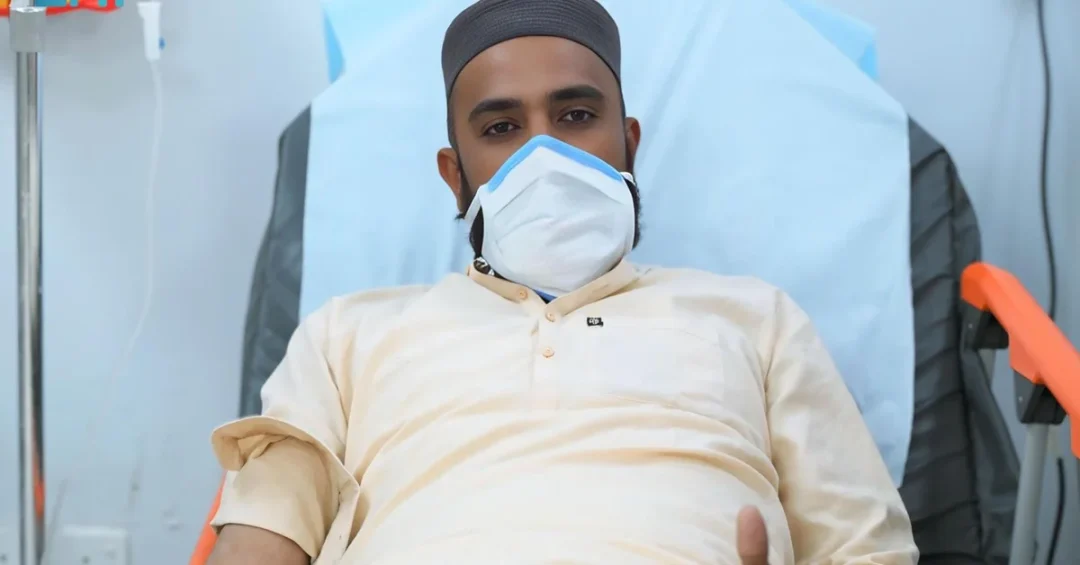
Healthcare facilities across Madinah provided medical and emergency services to 11,212 visitors of various nationalities during the first week of Ramadan 1446 AH, according to the Madinah Health Cluster. The figure, released through official Saudi channels, reflects a comprehensive seasonal medical operation organized around the Prophet’s Mosque, one of the most visited religious sites in the world. The announcement underscores the Kingdom’s commitment to ensuring the safety and well-being of the millions of worshippers and visitors who travel to Madinah during the holy month.
The first week of Ramadan is traditionally one of the busiest periods for the city, as pilgrims and worshippers gather for Taraweeh prayers, I’tikaf, and other devotional activities. This year, the Madinah Health Cluster reported that 91 emergency cases originating from the courtyards of the Prophet’s Mosque required transport to healthcare facilities. These patients were moved using golf carts and ambulance scooters specifically deployed to navigate the dense crowds around the mosque. The use of such vehicles highlights the careful planning and logistical precision that Saudi authorities bring to managing the holy month. For international observers, the operation offers a clear example of how the Kingdom mobilizes its resources to serve guests of the Two Holy Mosques.
Context and Background
Why does Madinah become the focal point of such an extensive healthcare effort each Ramadan? The answer lies in the unique convergence of faith, scale, and logistics that defines the holy month in the Kingdom. Madinah is home to the Prophet’s Mosque, the second holiest site in Islam, which attracts millions of worshippers from Saudi Arabia and around the world. During Ramadan, the number of visitors swells dramatically, creating a temporary population surge that places significant demand on local infrastructure, including hospitals, clinics, and emergency services. The Madinah Health Cluster, a component of the Saudi Ministry of Health, coordinates a multi-agency response that includes preventive care, emergency medicine, and public health surveillance.
The Kingdom has a long history of managing large-scale religious gatherings, and the Ramadan operation in Madinah is a direct extension of that expertise. The Saudi Ministry of Health, in collaboration with the Madinah Health Cluster and other state agencies, routinely deploys additional medical teams, mobile clinics, and rapid-response units to key locations. These units are positioned near the Prophet’s Mosque and other high-traffic areas to reduce response times and ensure that patients receive care without delay. The use of golf carts and ambulance scooters is particularly notable because it allows medics to reach patients in crowded courtyards where conventional ambulances cannot easily maneuver. This approach reflects lessons learned from previous years and demonstrates continuous improvement in service delivery.
Beyond the immediate medical response, the operation is part of a broader seasonal strategy that includes preventive health measures, such as vaccination campaigns and health awareness programs for visitors. The Madinah Health Cluster has also emphasized the importance of hydration, heat management, and chronic disease management during Ramadan, when many visitors are fasting and may be more vulnerable to health issues. These efforts align with the Saudi government’s overarching goal of ensuring that all guests of the Two Holy Mosques can perform their religious duties in a safe and supportive environment. The 11,212 visitors who received care in the first week represent a small fraction of the total number of worshippers, but their cases illustrate the range of needs that the system is designed to address.
Key Details
What exactly does the first-week data tell us about the scale and nature of the healthcare operation? According to the Madinah Health Cluster, the 11,212 beneficiaries included individuals of various nationalities, reflecting the international character of the pilgrimage to Madinah. The services provided ranged from routine consultations and medication dispensing to emergency interventions. The 91 emergency cases transported from the courtyards of the Prophet’s Mosque were handled by specialized teams using golf carts and ambulance scooters. These vehicles are equipped with basic life-support equipment and staffed by trained paramedics, allowing for immediate stabilization and safe transfer to nearby hospitals.
The cluster’s statement emphasized that the operation is designed to ensure a prompt medical response for visitors and worshippers, particularly during the holy month of Ramadan. This commitment is evident in the pre-positioning of medical assets, the round-the-clock staffing of clinics, and the coordination with volunteer groups and security forces. The use of golf carts and ambulance scooters is a practical innovation that addresses the specific challenge of providing emergency care in areas with high pedestrian density. It also minimizes disruption to the movement of worshippers, as these small vehicles can navigate narrow passages and crowded plazas more efficiently than larger ambulances.
In addition to emergency transport, the healthcare facilities in Madinah offer a wide range of services, including outpatient care, diagnostic imaging, laboratory tests, and specialized treatment for chronic conditions. The Madinah Health Cluster has not disclosed a breakdown of the specific conditions treated, but the overall figures indicate that the system is functioning effectively under pressure. The fact that more than 11,000 people received care in just seven days speaks to both the high volume of visitors and the capacity of the Saudi healthcare system to meet their needs. It also highlights the importance of early intervention, as many of the cases may have been minor ailments that could have worsened without timely attention.
International and Regional Impact
How does Saudi Arabia’s management of Ramadan healthcare in Madinah resonate beyond its borders? The Kingdom’s ability to provide comprehensive medical services to a diverse international population reinforces its reputation as a capable and responsible custodian of the Two Holy Mosques. Visitors from dozens of countries return home with firsthand experiences of Saudi hospitality and efficiency, which contributes to the country’s soft power and cultural diplomacy. The smooth operation of healthcare services during Ramadan also supports the broader goal of enhancing the pilgrimage experience, a key objective under Saudi Vision 2030.
Regionally, the operation serves as a model for other countries that host large religious gatherings. The use of golf carts and ambulance scooters, for instance, has attracted attention as a cost-effective and adaptable solution for emergency response in crowded environments. Saudi health officials have shared best practices with international counterparts through forums and bilateral exchanges, further cementing the Kingdom’s role as a leader in mass-gathering medicine. For international observers, the 11,212 figure is a tangible indicator of the scale of Ramadan observance in Madinah and the Saudi government’s commitment to safeguarding public health.
Economic and Strategic Significance
What does this healthcare achievement mean for Saudi Arabia’s economic and strategic priorities? The pilgrimage sector is a vital component of the Kingdom’s economy, generating revenue through travel, accommodation, retail, and related services. By ensuring that visitors receive high-quality medical care, Saudi Arabia enhances the attractiveness of Madinah as a destination and encourages more people to undertake the journey. This, in turn, supports the Vision 2030 goal of increasing the number of Umrah and Hajj pilgrims to 30 million annually. A safe and healthy pilgrimage experience is essential to achieving that target.
Strategically, the healthcare operation demonstrates the Kingdom’s capacity to manage complex logistical challenges, a skill that is increasingly relevant as Saudi Arabia positions itself as a global hub for tourism, business, and culture. The Madinah Health Cluster’s work is a microcosm of the broader modernization of Saudi public services, which leverages technology, data, and inter-agency cooperation to deliver results. The deployment of golf carts and ambulance scooters, while seemingly modest, is part of a larger trend toward innovation in emergency medical services. As Saudi Arabia continues to invest in its healthcare infrastructure, such initiatives will contribute to the well-being of citizens and visitors alike.
Vision 2030 Alignment
How does the Ramadan healthcare operation in Madinah connect to the ambitious goals of Saudi Vision 2030? One of the core pillars of Vision 2030 is to enhance the quality of life for citizens and visitors, and the provision of seamless medical services during the holy month is a direct expression of that commitment. The Madinah Health Cluster’s efforts also support the vision’s objective of strengthening the Kingdom’s position as a global destination for religious tourism. By ensuring that pilgrims can worship safely, Saudi Arabia is investing in its spiritual capital and reinforcing the deep connection between the land and the Islamic faith.
Furthermore, the operation showcases the vision’s emphasis on government efficiency and innovation. The use of specialized vehicles, mobile clinics, and real-time coordination reflects a modern, responsive public sector that is attuned to the needs of the people it serves. As Saudi Arabia continues to welcome millions of visitors each year, the lessons learned from Ramadan in Madinah will inform future improvements in healthcare delivery and crowd management. Ultimately, the 11,212 beneficiaries are not just statistics; they are individuals whose Ramadan was made safer and more meaningful by the Kingdom’s dedication to their well-being. This is the essence of Vision 2030 in action.
20 Questions
Q1. How many visitors received healthcare services in Madinah during the first week of Ramadan 1446 AH?
A1. According to the Madinah Health Cluster, 11,212 visitors received medical and emergency services during the first week of Ramadan 1446 AH. This figure includes people of various nationalities who sought care at healthcare facilities across the city.
Q2. Which organization announced the healthcare figures for Madinah?
A2. The Madinah Health Cluster, a component of the Saudi Ministry of Health, announced the figures. It coordinates healthcare services in the Madinah region and oversees the seasonal medical operation during Ramadan.
Q3. How many emergency cases were transported from the courtyards of the Prophet’s Mosque?
A3. The Madinah Health Cluster reported that 91 emergency cases from the courtyards of the Prophet’s Mosque were transported to healthcare facilities. These patients required urgent medical attention and were moved using specialized vehicles.
Q4. What types of vehicles were used to transport emergency cases from the Prophet’s Mosque?
A4. Golf carts and ambulance scooters were used to transport emergency cases. These small, agile vehicles can navigate crowded courtyards and narrow passages where conventional ambulances cannot easily operate.
Q5. Why are golf carts and ambulance scooters particularly useful in this context?
A5. They allow medical teams to reach patients quickly in areas with high pedestrian density, such as the courtyards around the Prophet’s Mosque. They also minimize disruption to the movement of worshippers.
Q6. What is the Madinah Health Cluster’s stated goal for providing these services?
A6. The cluster aims to ensure a prompt medical response for visitors and worshippers during Ramadan. It is committed to enhancing healthcare services so that all guests can perform their religious duties safely.
Q7. Did the healthcare services target only Saudi citizens?
A7. No, the services were provided to visitors of various nationalities. Madinah hosts millions of international worshippers during Ramadan, and the healthcare system is designed to serve everyone regardless of nationality.
Q8. What kinds of medical services were provided to the 11,212 beneficiaries?
A8. The services ranged from routine consultations and medication dispensing to emergency interventions. Healthcare facilities also offered diagnostic imaging, laboratory tests, and treatment for chronic conditions.
Q9. How does this operation reflect Saudi Arabia’s commitment to pilgrims?
A9. It demonstrates the Kingdom’s dedication to ensuring the safety and well-being of all visitors to the Two Holy Mosques. The extensive planning and resource allocation show that pilgrim welfare is a top priority.
Q10. What role does the Saudi Ministry of Health play in this operation?
A10. The Ministry of Health oversees the national healthcare system and coordinates with regional clusters like the Madinah Health Cluster. It provides strategic direction, resources, and additional medical personnel during peak periods.
Q11. How does the Ramadan operation in Madinah compare to previous years?
A11. While specific year-on-year comparisons were not provided, the Madinah Health Cluster continuously improves its services based on lessons learned. The use of golf carts and ambulance scooters reflects ongoing innovation in emergency response.
Q12. What other measures are in place to ensure visitor health during Ramadan?
A12. Preventive measures include vaccination campaigns, health awareness programs, and advice on hydration and chronic disease management. Mobile clinics and additional medical teams are also deployed near key locations.
Q13. How does this healthcare effort support Saudi Vision 2030?
A13. It aligns with Vision 2030’s goals of enhancing quality of life and strengthening Saudi Arabia’s position as a global destination for religious tourism. Safe pilgrimage experiences are essential to attracting more visitors.
Q14. What economic benefits does the pilgrimage sector bring to Saudi Arabia?
A14. The sector generates revenue through travel, accommodation, retail, and services. By ensuring high-quality healthcare, Saudi Arabia enhances the attractiveness of Madinah and supports the goal of hosting 30 million pilgrims annually.
Q15. Are there any plans to expand these healthcare services in the future?
A15. The Madinah Health Cluster is likely to continue refining its operations based on data and feedback. As visitor numbers grow, additional resources and innovations may be introduced to maintain high standards of care.
Q16. How can international visitors access healthcare services in Madinah?
A16. International visitors can access services at hospitals, clinics, and mobile medical units located throughout Madinah. Emergency cases near the Prophet’s Mosque can be assisted by the rapid-response teams using golf carts and ambulance scooters.
Q17. What is the significance of the 91 emergency cases transported from the Prophet’s Mosque?
A17. It highlights the need for rapid response in crowded religious settings. The successful transport of these cases demonstrates the effectiveness of the specialized vehicles and trained personnel deployed by the Madinah Health Cluster.
Q18. How does this operation contribute to Saudi Arabia’s global image?
A18. It reinforces the Kingdom’s reputation as a capable and compassionate custodian of the Two Holy Mosques. Visitors from around the world experience Saudi hospitality and efficiency, which enhances the country’s soft power.
Q19. What is the role of the Saudi Press Agency in reporting these figures?
A19. The Saudi Press Agency (SPA) is the official state news agency that disseminates information from government ministries and agencies. Its report on the Madinah Health Cluster’s figures ensures transparency and provides reliable data to the public.
Q20. What message does this healthcare achievement send to the international community?
A20. It sends a message that Saudi Arabia is committed to the well-being of all visitors and is capable of managing large-scale events with precision. It also showcases the Kingdom’s modernization and its readiness to host even greater numbers of pilgrims in the future.
Reader Feedback
We value your thoughts. Please share your feedback on this article.
Your feedback helps us improve our coverage.
Related articles
 Makkah’s Ajyad Hospital Saves 19 Lives in Ramadan Week
 Health Ministry to Launch First ‘Walk 30 League’ on March 11
 Madinah Red Crescent: 4,000+ Emergency Responses in Ramadan
 SRCA Paramedics Maintain Round-the-Clock Readiness in Northern Borders During Ramadan
 Makkah Health Cluster Saves Egyptian Pilgrim After Heart Attack
 Makkah Health Cluster Serves Nearly 40,000 in First Week of Ramadan