


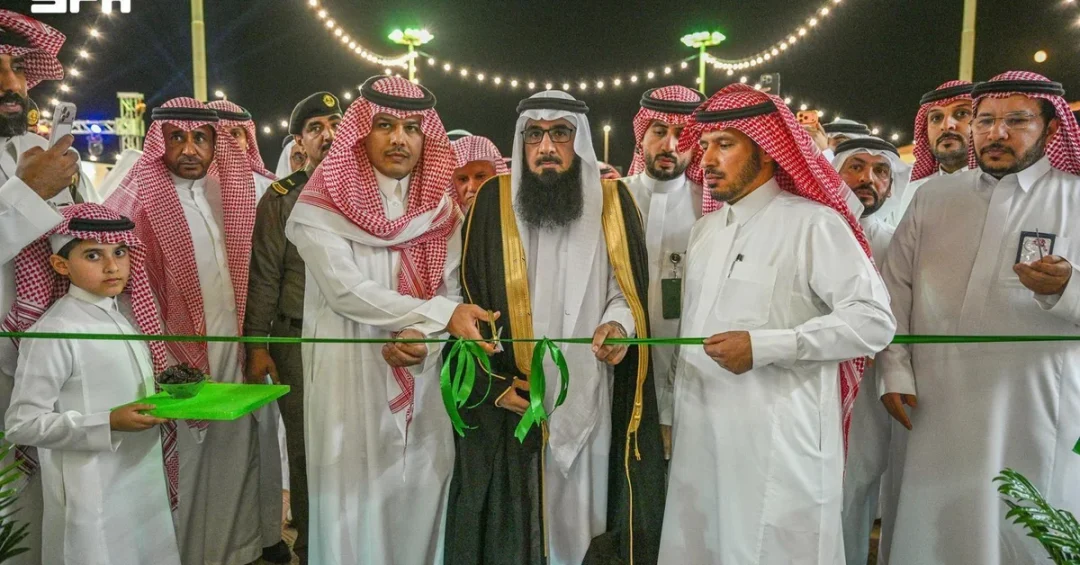
The fourth edition of the Dates Festival opened in Al-Rawdah, in the Hail Region of the Kingdom of Saudi Arabia, on September 27, 2026, and will run for five days under the patronage of local officials, according to the Saudi Press Agency (SPA). The festival brings together farmers, families engaged in cottage industries, and food producers from across Al-Rawdah to showcase dates and a wide range of local agricultural products. The opening day drew a large turnout of shoppers and visitors, reflecting strong public interest in the region’s harvest and its growing reputation as a destination for quality Saudi dates.
The event is organized as part of ongoing efforts to support the agricultural sector, promote local produce, and create marketing outlets for small-scale producers. It also features accompanying events and programs designed to stimulate economic and tourism activity in Al-Rawdah, a town in one of the Kingdom’s most important agricultural regions. For international observers, the festival offers a clear illustration of how Saudi Arabia is combining cultural heritage with economic modernization at the community level. Could a five-day local festival really signal something larger about the Kingdom’s economic direction? In Hail, the answer appears to be yes.
Context and Background
Hail Region has long been recognized within Saudi Arabia for its agricultural output, particularly its dates, which are valued for their quality and diversity. The region’s climate and soil conditions support a variety of date palm cultivation, and local farmers have built generations of expertise in harvesting and processing. The Al-Rawdah Dates Festival, now in its fourth edition, was established to give these producers a dedicated platform to reach consumers directly and to celebrate the region’s agricultural identity. What makes this edition notable is not only its scale but its continuity: the festival has become an annual fixture that farmers and families now plan around.
The festival’s pavilions showcase products from Al-Rawdah’s farmers and families working in the cottage industry, along with a variety of dates and local agricultural and food products. According to the Saudi Press Agency, the event contributes to developing the agricultural sector and promoting local produce. This aligns with broader national efforts to strengthen food security, support small and medium-sized enterprises, and diversify the economy away from oil dependence. For a region like Hail, where agriculture remains a vital part of local livelihoods, such initiatives provide both immediate market access and long-term encouragement for producers to invest in quality and innovation.
Why does a local dates festival matter beyond its immediate community? Because it sits at the intersection of tradition and economic transformation. Saudi Arabia’s date palm sector is not merely a cultural symbol; it is an economic asset with export potential. By creating a recurring marketplace for farmers and cottage industry producers, the Al-Rawdah festival helps bridge the gap between traditional production methods and modern consumer expectations. It also strengthens the social fabric by involving families and small businesses in a shared civic event that draws visitors from surrounding areas.
Key Details
The fourth edition of the festival opened yesterday in Al-Rawdah and will run for five days, in the presence of a number of officials. The event has attracted a large turnout of shoppers and visitors, with strong interest in its pavilions and the diverse range of dates and local agricultural and food products on display. The pavilions feature not only dates but also a variety of local agricultural and food products, reflecting the breadth of Al-Rawdah’s productive capacity. This diversity is a deliberate feature: it allows visitors to experience the region’s full agricultural offering while giving producers from different segments a chance to reach new customers.
Beyond the commercial exchange, the festival includes accompanying events and programs that help stimulate economic and tourism activity in Al-Rawdah. These programs are designed to extend the festival’s impact beyond the sale of goods, creating a festive atmosphere that encourages repeat visits and longer stays. For local businesses such as restaurants, transporters, and retailers, the influx of visitors represents a measurable economic boost. For farmers, the festival provides a marketing outlet that might otherwise be difficult to access, especially for those operating at a small scale.
How does the festival support farmers and cottage industry producers in practical terms? By providing a dedicated space where they can sell directly to consumers, test new products, and receive immediate feedback. This direct interaction helps producers understand market preferences and adjust their offerings accordingly. It also reduces reliance on intermediaries, allowing a greater share of the retail price to flow back to the producers themselves. Over time, this can encourage investment in better packaging, preservation techniques, and branding—all of which enhance competitiveness.
International and Regional Impact
While the Al-Rawdah Dates Festival is a local event, its significance extends to Saudi Arabia’s regional and international standing. The Kingdom is one of the world’s leading producers and exporters of dates, and events like this contribute to the country’s reputation for high-quality agricultural products. International buyers and food industry observers increasingly look to Saudi dates as a premium product, and festivals that highlight regional diversity help reinforce that perception. In a global market where traceability and origin matter, a festival that connects consumers directly with producers sends a strong signal about quality and authenticity.
Regionally, the festival supports Saudi Arabia’s efforts to promote domestic tourism and local economic development. Visitors from nearby areas and other parts of the Kingdom are drawn to Al-Rawdah not only for the dates but for the experience of a traditional agricultural festival. This aligns with the broader national strategy to develop tourism offerings beyond major cities, distributing economic benefits to smaller communities. For international audiences, it demonstrates that Saudi Arabia’s modernization is not confined to megaprojects but is also taking root in towns and rural areas, where heritage and commerce coexist.
Could this local festival become a model for other regions? The structure—combining direct sales, cottage industry participation, and accompanying cultural programs—is replicable and adaptable. Other agricultural regions in Saudi Arabia could adopt similar formats to promote their own specialties, whether coffee, honey, or fruits. The Al-Rawdah experience offers a template for community-led economic development that respects local identity while engaging with modern markets. This is precisely the kind of grassroots initiative that complements national strategies and helps ensure that growth is inclusive.
Economic and Strategic Significance
From an economic perspective, the festival contributes to the development of the agricultural sector by creating a temporary marketplace that benefits multiple stakeholders. Farmers gain revenue, cottage industry producers gain visibility, and local service providers gain customers. The event also generates indirect economic activity, such as transportation, hospitality, and retail, which can have a multiplier effect in a small town like Al-Rawdah. While the direct financial figures may be modest compared to large-scale industrial projects, the cumulative impact of many such local initiatives is significant for rural economies.
Strategically, the festival supports Saudi Arabia’s food security objectives by encouraging local production and reducing dependence on imports. Dates are a staple food in the Kingdom and a culturally important crop, and strengthening the domestic supply chain is a national priority. By giving farmers a reliable outlet, the festival helps sustain their operations and may encourage younger generations to remain in agriculture or pursue agribusiness opportunities. This is particularly important as the Kingdom seeks to balance modernization with the preservation of traditional livelihoods.
What role does the private sector play in such events? While the festival is organized with official support, it relies on the participation of farmers, families, and local businesses. This public-private-community collaboration is a hallmark of Saudi Arabia’s approach to local development. It also creates opportunities for sponsorships, partnerships, and investment in food processing and packaging. Over time, these linkages can evolve into more formal supply chains that connect Al-Rawdah’s producers to larger markets, including export channels. The festival thus serves as both a showcase and a stepping stone.
Vision 2030 Alignment
The Al-Rawdah Dates Festival aligns closely with Saudi Vision 2030, the national transformation plan aimed at diversifying the economy, supporting small and medium-sized enterprises, and enhancing the quality of life for citizens. By providing marketing outlets for farmers and cottage industry producers, the festival directly supports the Vision’s goal of empowering small businesses and increasing their contribution to the economy. It also promotes local produce, which ties into efforts to boost domestic consumption and reduce reliance on imports, a key element of food security strategy.
Moreover, the festival’s emphasis on stimulating tourism and economic activity in Al-Rawdah reflects the Vision’s objective of developing tourism across all regions of the Kingdom. By attracting visitors to a local event, it helps distribute the benefits of tourism beyond major urban centers and showcases the cultural and agricultural heritage of Hail Region. As Saudi Arabia continues to implement Vision 2030, such community-level initiatives will remain essential to ensuring that growth is broad-based and sustainable. The fourth edition of the festival is a clear example of how tradition and modernization can reinforce each other, contributing to the Kingdom’s long-term prosperity and global standing.
20 Questions
Q1. What is the fourth edition of the Dates Festival in Hail Region?
A1. It is a five-day event that opened in Al-Rawdah, Hail Region, showcasing dates and local agricultural products from farmers and cottage industry producers, aimed at supporting the local economy and promoting Saudi produce.
Q2. When and where did the fourth Dates Festival open?
A2. The festival opened on September 27, 2026, in the town of Al-Rawdah in Hail Region, Saudi Arabia, and will run for five days according to the Saudi Press Agency.
Q3. Who is participating in the festival?
A3. Farmers from Al-Rawdah, families working in cottage industries, and producers of local agricultural and food products are participating, with a large turnout of shoppers and visitors.
Q4. What products are on display at the festival?
A4. The pavilions showcase a variety of dates, local agricultural products, and food items, highlighting the quality and diversity of Al-Rawdah’s produce.
Q5. How does the festival support farmers?
A5. It provides marketing outlets for their goods, allowing direct sales to consumers, which helps increase their income and reduces reliance on intermediaries.
Q6. What is the role of cottage industry producers at the festival?
A6. Cottage industry producers, including families, display and sell their products, gaining visibility and income opportunities that support local livelihoods.
Q7. How does the festival stimulate economic activity in Al-Rawdah?
A7. By attracting visitors, it boosts local businesses such as retail, hospitality, and transport, creating a multiplier effect in the local economy.
Q8. What accompanying events are part of the festival?
A8. The festival includes various programs and events designed to enhance the visitor experience and stimulate tourism and economic activity in the area.
Q9. Why is Hail Region important for date production?
A9. Hail Region has a favorable climate and soil for date palm cultivation, and its farmers have generations of expertise, making it a key area for quality dates.
Q10. How does the festival align with Saudi Vision 2030?
A10. It supports Vision 2030 by empowering small businesses, promoting local produce, enhancing food security, and developing tourism across regions.
Q11. What is the significance of the festival for local tourism?
A11. It draws visitors to Al-Rawdah, showcasing the region’s heritage and agricultural diversity, thus promoting domestic tourism and distributing economic benefits.
Q12. How does the festival contribute to food security?
A12. By supporting local farmers and encouraging domestic production of dates, it helps reduce dependence on imports and strengthens the national food supply chain.
Q13. Who attended the opening of the festival?
A13. A number of officials attended the opening, along with a large turnout of shoppers and visitors who showed strong interest in the pavilions.
Q14. What is the duration of the festival?
A14. The festival runs for five days, providing ample opportunity for producers to sell their goods and for visitors to enjoy the event.
Q15. How does the festival promote local agricultural products?
A15. It provides a platform for producers to display and sell their products, raising awareness of their quality and diversity among consumers.
Q16. What economic benefits does the festival bring to cottage industries?
A16. It offers cottage industry producers a direct market, increasing their income and encouraging the preservation of traditional skills.
Q17. How can other regions replicate this festival model?
A17. Other regions can adopt similar formats to promote their own agricultural specialties, combining direct sales with cultural events to boost local economies.
Q18. What role does the Saudi Press Agency play in reporting the festival?
A18. The Saudi Press Agency provides official coverage, ensuring accurate and timely information about the event to the public and media.
Q19. How does the festival reflect Saudi Arabia’s cultural heritage?
A19. It celebrates the traditional cultivation of dates and cottage industries, highlighting the Kingdom’s agricultural heritage and its modernization.
Q20. What is the expected impact of the festival on Al-Rawdah?
A20. It is expected to stimulate local economic and tourism activity, support farmers and families, and reinforce Al-Rawdah’s reputation as a producer of quality dates.
Reader Feedback
We value your thoughts. Please share your feedback on this article.
Your feedback helps us improve our coverage.
Related articles
 CMA Opens Consultation on Cross-Border Dealing Rules
 International Dates Council to Hold Workshop in Tunisia on Global Marketing, Promotion of Dates
 Saudi Istitlaa Platform Strengthens Business Legislation
 Qassim Palm and Date Residues Offer Investment Opportunities
 Riyadh Economic Forum: 12th Edition to Boost Saudi Economy
 Japanese stock indexes close higher