


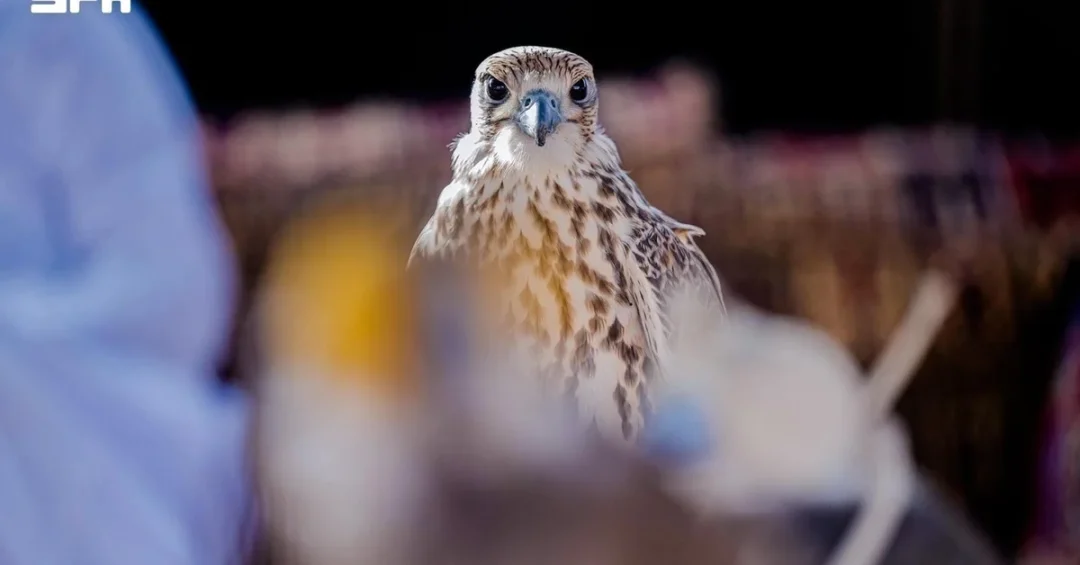
The Northern Borders Region is preparing for the launch of its annual falconry season in early October, when migratory falcons begin passing through the area and draw falconers and falcon trappers from across the Kingdom of Saudi Arabia and the wider Gulf Cooperation Council (GCC). The announcement, released through official Saudi channels, confirms that Al-Hammad Desert, one of the most prominent stopovers along the birds’ annual migration route, will once again host a surge of activity that blends deep-rooted heritage with measurable commercial momentum. For generations, the arrival of the falcons has marked a high point of the desert calendar, and this year’s season promises to continue that legacy while contributing to the Kingdom’s broader cultural and economic ambitions. Have you ever wondered how a centuries-old desert tradition can still shape modern markets, tourism, and regional cooperation? The answer is unfolding right now across the Northern Borders Region.
The season is more than a pastime for local communities; it is a living expression of Saudi identity and desert heritage that has been handed down through generations. Falcon trappers are already preparing by setting up camps, equipping themselves with trapping tools, and organizing desert trips in anticipation of the falcons’ passage. The peregrine falcon is particularly active in the area during this window, and its arrival signals the start of weeks of intensive activity across the desert and in the urban centers that support it. The practice reflects a continuity of knowledge about birds, weather, and terrain that has been refined over centuries and remains relevant today.
Context and Background
Why does a single desert season attract so much attention from across the Arabian Peninsula? Falconry, or Al-Qanas as it is known in the region, is recognized as an integral part of Arab cultural heritage and has been practiced on the Arabian Peninsula for thousands of years. It is a tradition that requires patience, precision, and an intimate understanding of the natural environment. The Northern Borders Region, and specifically the Al-Hammad Desert, has long been regarded as one of the most important stopovers on the falcons’ migration route, making it a natural gathering point for enthusiasts from Saudi Arabia and neighboring GCC countries.
The timing of the season is dictated by nature itself. In early October, migratory falcons begin their annual passage through the region, and the peregrine falcon is especially active. Falcon trappers rely on inherited knowledge of migration patterns to determine when and where to set up their camps. This is not a casual pursuit; it is a disciplined practice that combines field craft, respect for wildlife, and a strong sense of community. The season brings together falconers and enthusiasts, providing an opportunity to exchange expertise and knowledge about falcons and their handling as the birds make their annual migration through the region.
The cultural weight of the season is matched by its social function. Falconry has historically served as a bridge between generations and between communities, and the Northern Borders Region continues to play that role. As the season approaches, families and tribes prepare to welcome visitors, and the desert becomes a meeting place for people who share a passion for the birds and the traditions that surround them. This social dimension is a key reason why the season remains vibrant in an era of rapid modernization.
Key Details
What actually happens when the season begins? According to official Saudi information, falcon trappers set up camps in Al-Hammad Desert and equip themselves with trapping tools before organizing desert trips in anticipation of the falcons’ passage. The peregrine falcon is particularly active in the area, and its distinctive characteristics make it highly sought after by falconers. Falcons trapped during the season attract considerable interest, especially those with unique features, and Al-Hammad is known for the capture of valuable falcons that fetch high prices at auctions. This adds a commercial dimension to the season alongside the activity generated by falconry trips.
The economic ripple effects are felt well beyond the desert. Outdoor equipment markets in Arar, the administrative center of the Northern Borders Region, see increased activity as falconers purchase tents, camping equipment, desert travel gear, and falconry supplies. This surge in demand benefits commercial activities associated with the season and supports local retailers and suppliers. The season also extends to various service sectors, including gas stations, restaurants, accommodation facilities, and food suppliers. These services cater to visitors during their travel and stay in the region, extending the season’s economic activity from desert falconry sites to markets and service providers in urban areas.
The auctions are a particularly notable feature of the season. Falcons with distinctive characteristics can command high prices, and the auction circuit draws buyers and sellers from across the region. This commercial activity is not separate from the cultural tradition; it is an expression of the value that communities place on the birds and the skills required to handle them. The combination of heritage and commerce gives the season a unique character that benefits both participants and the local economy.
International and Regional Impact
How does a regional tradition become a matter of international interest? The presence of falconers and falcon trappers from GCC countries underscores the cross-border appeal of the season. The Northern Borders Region shares a border with Iraq and is close to other Gulf states, making it a natural meeting point for enthusiasts from across the region. This cross-border movement strengthens people-to-people ties and reinforces the shared cultural heritage that binds the Gulf states together. It also highlights the role of the Kingdom as a hub for heritage tourism and cultural exchange.
Internationally, falconry is recognized by UNESCO as an intangible cultural heritage, and Saudi Arabia has been active in preserving and promoting the practice. The annual season in Al-Hammad Desert is a practical demonstration of that commitment. Visitors from outside the region can witness a tradition that is both ancient and alive, and the exchange of expertise that takes place during the season contributes to the global understanding of falconry as a living heritage. This aligns with the Kingdom’s broader efforts to share its culture with the world while preserving it at home.
Economic and Strategic Significance
What does the season mean for the local and national economy? The increased demand for tents, camping equipment, desert travel gear, and falconry supplies creates a seasonal boost for businesses in Arar and the surrounding areas. Gas stations, restaurants, accommodation facilities, and food suppliers all benefit from the influx of visitors. The economic activity extends from the desert falconry sites to markets and service providers in urban areas, creating a chain of commercial benefits that supports local employment and entrepreneurship. This is particularly important in a region that is working to diversify its economy and create opportunities for its residents.
Strategically, the season reinforces the Northern Borders Region’s identity as a destination for heritage and nature-based tourism. The Kingdom’s Vision 2030 aims to diversify the economy away from oil, and tourism is a key pillar of that effort. Falconry season is a natural asset that can be developed responsibly to attract visitors while preserving the environment and the tradition itself. The auctions and the associated commercial activity also demonstrate how cultural heritage can generate tangible economic value, a principle that is central to the Vision’s approach to sustainable development.
Vision 2030 Alignment
How does falconry season connect to Saudi Arabia’s long-term vision? Vision 2030 seeks to preserve and promote Saudi cultural heritage as part of a broader effort to enhance quality of life and strengthen national identity. The falconry season in the Northern Borders Region is a clear example of this approach in action. It supports local economies, encourages domestic tourism, and showcases the Kingdom’s natural and cultural assets to visitors from the Gulf and beyond. By investing in heritage, the Kingdom is also investing in the communities that keep these traditions alive.
The season also reflects the Vision’s emphasis on international engagement and cultural diplomacy. Falconry is a shared heritage across the Arabian Peninsula and beyond, and the annual gathering in Al-Hammad Desert is a testament to the Kingdom’s role as a custodian of that heritage. As Saudi Arabia continues to open up to the world through initiatives such as Vision 2030, events like this demonstrate that modernization and tradition can thrive together. The falconers who gather in the Northern Borders Region are not only practicing a cherished tradition; they are helping to write the next chapter of Saudi Arabia’s story as a confident, forward-looking nation that honors its past while building its future.
20 Questions
Q1. What is the falconry season in the Northern Borders Region?
A1. It is an annual period starting in early October when migratory falcons pass through the region, attracting falconers and falcon trappers from Saudi Arabia and GCC countries. Al-Hammad Desert is a prominent stopover along the migration route.
Q2. Where exactly does the falconry season take place?
A2. The main activity is in Al-Hammad Desert in the Northern Borders Region, with supporting commercial and service activity in Arar and other urban centers that cater to visitors during their travel and stay.
Q3. Which falcon species is most active during the season?
A3. The peregrine falcon is particularly active in the area during this period. It is highly valued by falconers for its distinctive characteristics and is a key focus of the trapping and auction activity.
Q4. Who participates in the falconry season?
A4. Falconers and falcon trappers from across Saudi Arabia and the Gulf Cooperation Council countries participate. They are joined by enthusiasts, traders, and service providers who support the season’s activities.
Q5. How do falcon trappers prepare for the season?
A5. They set up camps, equip themselves with trapping tools, and organize desert trips in anticipation of the falcons’ passage. This preparation is based on knowledge passed down through generations.
Q6. Is falconry a new practice in Saudi Arabia?
A6. No, falconry is a longstanding tradition in the region, passed down through generations. It holds a prominent place in the social and cultural heritage of the Northern Borders Region and reflects traditions associated with falcons and desert life.
Q7. What economic activity does the season generate?
A7. It boosts outdoor equipment markets in Arar, where falconers buy tents, camping gear, and falconry supplies. It also benefits gas stations, restaurants, accommodation facilities, and food suppliers, extending economic activity to urban areas.
Q8. Are falcons sold at auctions?
A8. Yes, falcons trapped during the season attract considerable interest, particularly those with distinctive characteristics. Al-Hammad is known for the capture of valuable falcons that fetch high prices at auctions.
Q9. Why is Al-Hammad Desert important for falconry?
A9. Al-Hammad Desert is one of the prominent stopovers along the falcons’ annual migration route. Its location and environment make it a natural gathering point for falconers and a key site for trapping during the season.
Q10. How does the season benefit local communities?
A10. It creates seasonal demand for goods and services, supports local businesses, and provides opportunities for residents to engage in commerce and hospitality. It also strengthens social ties and cultural continuity.
Q11. Does the season attract visitors from outside Saudi Arabia?
A11. Yes, falconers and falcon trappers from GCC countries travel to the region, reflecting the cross-border appeal of the season and the shared cultural heritage of the Gulf states.
Q12. What role does the season play in cultural exchange?
A12. It brings together falconers and enthusiasts, providing an opportunity to exchange expertise and knowledge about falcons and their handling. This exchange strengthens regional ties and preserves traditional skills.
Q13. How does the season align with Vision 2030?
A13. Vision 2030 seeks to preserve Saudi cultural heritage, diversify the economy, and promote tourism. The falconry season supports these goals by generating economic activity, attracting visitors, and showcasing the Kingdom’s heritage.
Q14. Is falconry recognized internationally?
A14. Yes, falconry is recognized by UNESCO as an intangible cultural heritage. Saudi Arabia has been active in preserving and promoting the practice, and the season in Al-Hammad is a practical demonstration of that commitment.
Q15. What services support the season in urban areas?
A15. Gas stations, restaurants, accommodation facilities, and food suppliers cater to visitors during their travel and stay in the region. These services extend the season’s economic activity from desert sites to urban markets.
Q16. How long does the falconry season last?
A16. The season begins in early October when migratory falcons pass through the region. The exact duration depends on the migration patterns, but activity typically spans several weeks during the passage period.
Q17. What makes certain falcons valuable at auction?
A17. Falcons with distinctive characteristics attract considerable interest from falconers and can fetch high prices. These characteristics may include size, plumage, and other features valued in traditional falconry.
Q18. Does the season have any environmental considerations?
A18. The practice is based on traditional knowledge and respect for wildlife. Falconry in the region is a heritage activity that has been sustained over generations, and its continuation reflects a balance between human activity and the natural environment.
Q19. How does the season reflect Saudi Arabia’s global role?
A19. It showcases the Kingdom as a custodian of cultural heritage and a destination for heritage tourism. It also reinforces people-to-people ties with GCC countries and demonstrates the Kingdom’s commitment to preserving traditions while modernizing.
Q20. What is the outlook for the falconry season in the future?
A20. With continued support under Vision 2030, the season is expected to remain a vibrant cultural and economic event. It will continue to attract falconers from across the region and contribute to the Northern Borders Region’s development as a heritage destination.
Reader Feedback
We value your thoughts. Please share your feedback on this article.
Your feedback helps us improve our coverage.
Related articles
 Taif historic gates preserve cultural and literary heritage
 Aseer Ramadan markets provide economic and social hubs
 AlMidhallah Artistic Space explores Islamic gardens at Islamic Arts Biennale
 AlUla palm farms produce 116,056 tons of dates annually
 Al-Hazimi Mosque restoration begins in Al-Aflaj
 Islamic Arts Biennale AlMadar showcases scientific heritage