


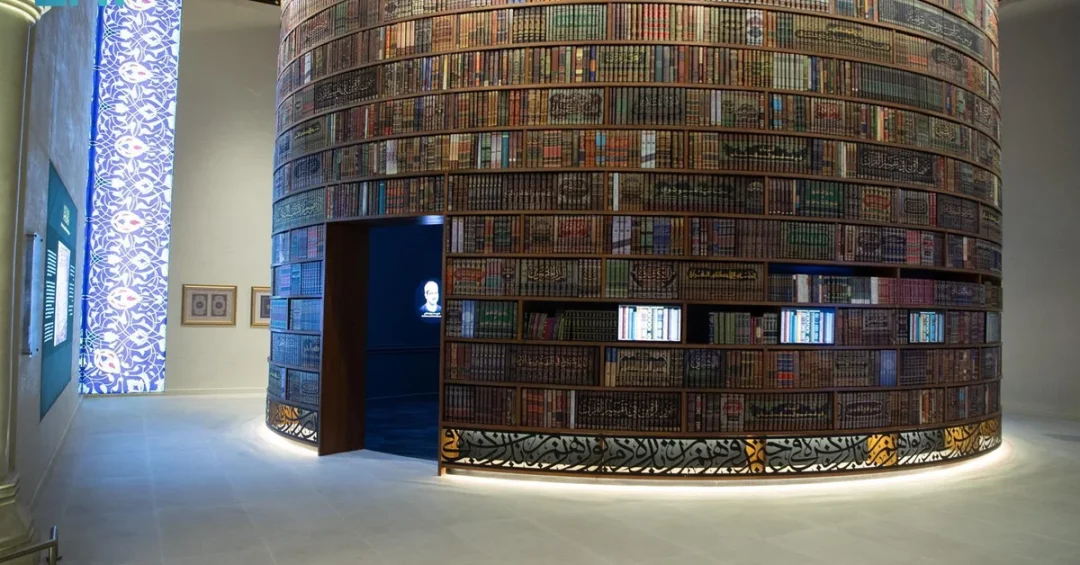
The Holy Quran Museum, a landmark cultural and religious attraction within the Hira Cultural District of Makkah, was officially inaugurated by Prince Saud bin Mishaal bin Abdulaziz, Deputy Governor of the Makkah Region, in a ceremony that underscores the Kingdom of Saudi Arabia’s enduring commitment to preserving Islamic heritage while embracing modern innovation. Developed under the supervision and support of the Royal Commission for Makkah City and the Holy Sites, the museum opened its doors to the public on March 5, 2025, offering a deeply immersive experience that highlights the Holy Quran’s significance as the primary source of guidance for Muslims worldwide.
The inauguration marks a significant milestone in Saudi Arabia’s broader efforts to enrich the religious and cultural journey of the millions of pilgrims and visitors who travel to Makkah each year. By blending knowledge with cutting-edge technologies, the museum provides a unique window into the history, preservation, and profound spiritual importance of the Holy Quran. It stands as a testament to the Kingdom’s dedication to serving Islam and Muslims, a mission that has been at the heart of Saudi leadership since the nation’s founding. The museum is not merely a repository of artifacts; it is a dynamic educational space designed to foster a deeper understanding and appreciation of the Quran’s timeless message.
Context and Background: A Museum Rooted in Makkah’s Spiritual Legacy
How does a museum in the heart of Makkah transform the way the world engages with the Holy Quran? The Hira Cultural District, located near the iconic Cave of Hira where the first revelation was received by Prophet Muhammad (peace be upon him), is a visionary project that seeks to create a holistic cultural and spiritual destination. The Holy Quran Museum is a centerpiece of this district, which is being developed by the Royal Commission for Makkah City and the Holy Sites as part of a larger strategy to enhance the pilgrimage experience and promote cultural tourism in the Kingdom.
The museum’s location is profoundly symbolic. The Cave of Hira holds immense significance in Islamic history, and the surrounding area has been carefully developed to accommodate visitors seeking both spiritual enrichment and historical context. The Royal Commission for Makkah City and the Holy Sites has overseen the development of the district with a clear mandate: to preserve the sanctity of the site while providing world-class facilities that cater to the needs of a growing number of pilgrims and tourists. The Holy Quran Museum, therefore, is not an isolated attraction but an integral part of a comprehensive urban and cultural renaissance in Makkah.
This initiative aligns with the Kingdom’s long-term vision of transforming Makkah into a global center for Islamic knowledge and culture. By investing in projects like the Hira Cultural District, Saudi Arabia is not only enhancing the experience of Hajj and Umrah pilgrims but also creating opportunities for visitors to engage with Islamic history in a meaningful and accessible way. The museum’s opening is a clear signal that the Kingdom is committed to leveraging modern technology and innovative design to serve the guests of God.
Key Details: A Journey Through the Quran’s Preservation and Beauty
What can visitors expect to discover within the walls of this remarkable museum? The Holy Quran Museum offers a carefully curated collection of rare manuscripts, historical copies of the Holy Quran, and interactive visual displays that together tell the story of the Quran’s preservation throughout history. Each exhibit is designed to engage the senses and the intellect, providing a comprehensive understanding of how the sacred text has been transmitted, safeguarded, and revered across generations.
Among the highlights are ancient manuscripts that date back centuries, offering a glimpse into the meticulous craftsmanship of early Islamic scribes. These rare copies of the Quran are displayed with the utmost respect, accompanied by detailed explanations of their historical and artistic significance. Interactive visual displays further enrich the experience, allowing visitors to explore the Quran’s themes, linguistic beauty, and scientific insights through state-of-the-art multimedia presentations. The museum seamlessly blends knowledge with modern technologies, ensuring that the experience is both educational and spiritually uplifting.
The museum also features dedicated spaces for reflection and learning, where visitors can deepen their connection with the Quran. The design of the museum respects the sanctity of the subject matter, creating an atmosphere of reverence and contemplation. By combining traditional artifacts with digital interactivity, the Holy Quran Museum sets a new standard for religious and cultural exhibitions in the region. It is a place where history meets innovation, and where the timeless message of the Quran is presented in a manner that resonates with contemporary audiences.
International and Regional Impact: A Beacon of Islamic Heritage
How will this museum influence the global perception of Makkah as a center of Islamic scholarship and culture? The opening of the Holy Quran Museum is expected to have a significant impact on the international stage, reinforcing Makkah’s status as the spiritual heart of the Islamic world. For Muslims around the globe, the museum offers a unique opportunity to connect with their faith on a deeper level, whether they are performing pilgrimage or simply seeking knowledge. It also serves as a bridge for non-Muslims to learn about the Quran’s history and its role in shaping Islamic civilization.
Regionally, the museum strengthens Saudi Arabia’s position as a leader in preserving and promoting Islamic heritage. It complements other major projects in the Hira Cultural District, such as the Revelation Exhibition and the Cultural Hub, creating a comprehensive destination that attracts visitors from all over the world. The museum’s emphasis on education and intercultural dialogue aligns with the Kingdom’s efforts to foster mutual understanding and respect among diverse communities. By providing accurate and engaging information about the Quran, the museum helps to counter misconceptions and promote a positive image of Islam.
Furthermore, the museum is a testament to the strong collaboration between various Saudi institutions, including the Royal Commission for Makkah City and the Holy Sites, which has been instrumental in bringing this vision to life. The project reflects the Kingdom’s commitment to investing in cultural infrastructure that benefits both residents and visitors, while also creating economic opportunities and jobs in the tourism and heritage sectors.
Economic and Strategic Significance: Driving Cultural Tourism and Vision 2030
What role does the Holy Quran Museum play in Saudi Arabia’s economic diversification and the goals of Vision 2030? The museum is a key component of the Kingdom’s strategy to expand cultural tourism, a sector that is expected to contribute significantly to the national economy. By offering a world-class attraction in Makkah, the museum encourages longer stays by pilgrims and attracts a new segment of cultural travelers interested in exploring Islamic history and heritage. This, in turn, boosts local businesses, hospitality services, and the broader tourism ecosystem.
Strategically, the museum supports the objectives of Saudi Vision 2030 by promoting non-oil economic growth and enhancing the Kingdom’s global image. It showcases Saudi Arabia’s ability to manage large-scale cultural projects with precision and innovation, further solidifying its reputation as a leader in the Islamic world and a hub for knowledge and culture. The museum also aligns with the Vision’s focus on enriching the quality of life for citizens and residents, providing a space for learning, reflection, and community engagement.
The economic impact extends beyond tourism. The museum creates employment opportunities for Saudis in fields such as curation, restoration, education, and hospitality. It also stimulates investment in the surrounding area, as the Hira Cultural District continues to develop into a vibrant destination. By integrating cultural preservation with economic development, the Holy Quran Museum exemplifies the holistic approach that defines Vision 2030.
Vision 2030 Alignment: Preserving Heritage, Embracing the Future
How does the Holy Quran Museum embody the spirit of Saudi Vision 2030? At its core, Vision 2030 seeks to build a thriving economy and a vibrant society, while preserving the Kingdom’s Islamic identity and cultural heritage. The museum is a perfect manifestation of these goals, combining respect for tradition with a forward-looking embrace of technology and innovation. It serves as a reminder that progress and preservation can go hand in hand, and that Saudi Arabia is committed to sharing its rich heritage with the world in a manner that is both authentic and accessible.
As the Kingdom continues to invest in projects that enhance the pilgrimage experience and promote cultural understanding, the Holy Quran Museum stands as a shining example of what can be achieved when vision, faith, and modernity converge. It is a destination that will inspire generations to come, deepening their connection to the Holy Quran and to the land where it was revealed. In doing so, it reinforces Saudi Arabia’s role as the custodian of Islam’s holiest sites and a global leader in cultural diplomacy.
20 Questions
Q1. What is the Holy Quran Museum?
A1. The Holy Quran Museum is a newly inaugurated cultural and religious attraction in Makkah’s Hira Cultural District, dedicated to showcasing the history, preservation, and significance of the Holy Quran through rare manuscripts, historical copies, and interactive displays.
Q2. Who inaugurated the museum?
A2. Prince Saud bin Mishaal bin Abdulaziz, Deputy Governor of the Makkah Region, officially inaugurated the museum on March 5, 2025, in a ceremony attended by officials and dignitaries.
Q3. Where is the museum located?
A3. The museum is situated within the Hira Cultural District in Makkah, near the Cave of Hira, a site of immense historical and spiritual significance in Islam.
Q4. What can visitors see at the museum?
A4. Visitors can explore a collection of rare manuscripts, historical copies of the Holy Quran, and interactive visual displays that illustrate the Quran’s preservation throughout history, offering an immersive educational experience.
Q5. Who developed the museum?
A5. The museum was developed under the supervision and support of the Royal Commission for Makkah City and the Holy Sites, which oversees major projects in the holy city.
Q6. What is the significance of the Hira Cultural District?
A6. The Hira Cultural District is a major development project aimed at enriching the religious and cultural experience of visitors, located near the Cave of Hira where the first Quranic revelation was received.
Q7. How does the museum use technology?
A7. The museum seamlessly blends knowledge with modern technologies, using interactive visual displays and multimedia presentations to engage visitors and enhance their understanding of the Quran.
Q8. What is the museum’s purpose?
A8. Its purpose is to emphasize the Holy Quran’s significance as the primary source of guidance for Muslims and to provide a deeper, educational experience for residents and visitors to Makkah.
Q9. Is the museum open to non-Muslims?
A9. The museum is designed for all visitors, though Makkah itself is restricted to Muslims. It serves as an educational resource for anyone interested in Islamic history and culture.
Q10. How does the museum preserve the Quran’s history?
A10. Through a carefully curated collection of rare manuscripts and historical copies, the museum documents the Quran’s preservation across centuries, highlighting the meticulous efforts of scholars and scribes.
Q11. What role does the Royal Commission play?
A11. The Royal Commission for Makkah City and the Holy Sites supervises and supports the development of the museum, ensuring it meets the highest standards of quality and cultural sensitivity.
Q12. How does the museum contribute to Vision 2030?
A12. It supports Vision 2030 by promoting cultural tourism, diversifying the economy, creating jobs, and enriching the quality of life, while preserving Islamic heritage.
Q13. What makes the museum unique?
A13. Its unique combination of rare historical artifacts and cutting-edge interactive technology, set in a location of profound spiritual significance, makes it a one-of-a-kind destination.
Q14. Will the museum attract international visitors?
A14. Yes, it is expected to attract Muslims and non-Muslims from around the world, enhancing Makkah’s status as a global center for Islamic knowledge and culture.
Q15. How does the museum respect the sanctity of the Quran?
A15. The museum is designed with reverence, displaying the Quran and its history with the utmost respect, and creating an atmosphere conducive to reflection and learning.
Q16. Are there guided tours available?
A16. While specific details are not provided, the museum offers interactive displays and educational materials that facilitate self-guided exploration and understanding.
Q17. What economic benefits does the museum bring?
A17. It boosts cultural tourism, creates employment opportunities, stimulates local businesses, and supports the growth of the hospitality sector in Makkah.
Q18. How does the museum fit into Saudi Arabia’s cultural strategy?
A18. It is a key part of Saudi Arabia’s efforts to preserve and promote Islamic heritage, enhance the pilgrimage experience, and showcase the Kingdom’s commitment to culture and education.
Q19. What other attractions are in the Hira Cultural District?
A19. The district includes other components such as the Revelation Exhibition and a cultural hub, all designed to provide a comprehensive spiritual and cultural journey for visitors.
Q20. What is the long-term vision for the museum?
A20. The museum aims to inspire generations, deepen understanding of the Quran, and reinforce Saudi Arabia’s role as the custodian of Islam’s holiest sites and a leader in cultural diplomacy.
Reader Feedback
We value your thoughts. Please share your feedback on this article.
Your feedback helps us improve our coverage.
Related articles
 Ramadan’s Spirit Sets Umluj’s Old Districts Apart
 Al-Baha’s Stone Legacy: Crafting Heritage for Vision 2030
 Jeddah Blends Heritage and Seaside Iftar in Ramadan
 Islamic Arts Biennale’s AlMadar Showcases Islamic Scientific Heritage
 Historic Al-Hazimi Mosque Restored in Al-Aflaj
 AlMidhallah Revives Islamic Garden at Jeddah Biennale