


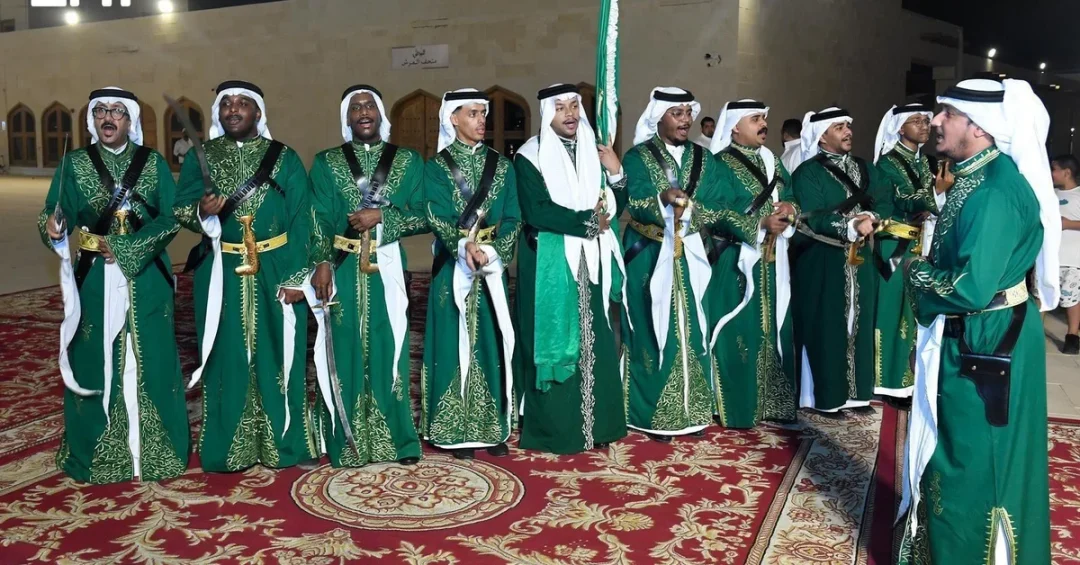
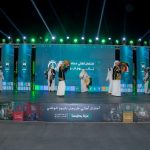
Al-Qatif Governorate in Saudi Arabia’s Eastern Region hosted a vibrant National Day program on September 25, 2026, drawing broad participation from public and private entities in a celebration that showcased the Kingdom’s cultural heritage and community spirit. The event, reported by the Saudi Press Agency (SPA), featured a diverse lineup of cultural and entertainment activities, including patriotic musical segments, theatrical performances, children’s entertainment, and art pavilions that attracted a large turnout of citizens and residents alike.
The program in Al-Qatif is part of nationwide celebrations marking Saudi National Day, an annual occasion that commemorates the unification of the Kingdom under the leadership of the late King Abdulaziz Al Saud. Such events reflect the deep sense of national pride and unity that resonates across Saudi Arabia, while also highlighting the rich cultural tapestry of its various regions. The active involvement of both government bodies and private enterprises underscores the collaborative spirit that drives the Kingdom’s ongoing transformation under Vision 2030. As the nation celebrates its heritage, it also looks forward to a future defined by progress, inclusivity, and global engagement.
Context and Background
How did Al-Qatif become a focal point for such a significant national celebration? Al-Qatif, known for its historical significance and agricultural heritage, particularly its date palm groves, has long been a symbol of Saudi Arabia’s cultural and economic diversity. The governorate’s selection as a venue for National Day festivities highlights the Kingdom’s commitment to honoring all regions and their unique contributions to the national identity. The event aligns with the broader national narrative that emphasizes unity and shared purpose across the Kingdom’s 13 provinces.
National Day in Saudi Arabia is celebrated annually on September 23, marking the unification of the Kingdom in 1932. However, celebrations often extend beyond the official date, with various regions hosting their own programs. The Al-Qatif event on September 25, 2026, is part of this extended observance, allowing communities to participate in localized activities that reflect their specific traditions and demographics. This decentralized approach ensures that the national spirit is felt in every corner of the country, from major metropolitan centers to smaller governorates like Al-Qatif.
The participation of both public and private entities in the Al-Qatif program is indicative of the whole-of-society approach that characterizes Saudi Arabia’s development strategy. Government ministries, local authorities, and private businesses collaborate to create events that not only entertain but also educate and inspire. This synergy is a cornerstone of Vision 2030, which seeks to foster a vibrant society, a thriving economy, and an ambitious nation. By engaging diverse stakeholders, such celebrations reinforce the social fabric and promote national cohesion.
Key Details
What exactly did the Al-Qatif National Day program entail? According to the Saudi Press Agency, the event featured a rich array of activities designed to appeal to all age groups. Patriotic musical segments set a festive tone, while theatrical shows provided both entertainment and cultural enrichment. Children enjoyed dedicated entertainment zones, ensuring that the younger generation could participate in the national celebration. Art pavilions displayed works by local artists, offering a platform for creative expression and cultural appreciation.
Visitors also had the opportunity to tour booths dedicated to family-run businesses, which showcased a variety of products and services. This aspect of the program underscores the importance of small and medium-sized enterprises (SMEs) in Saudi Arabia’s economy, a key focus of Vision 2030. By providing a venue for these businesses to connect with the community, the event supports local entrepreneurship and economic diversification. Traditional folk arts performances, including the iconic Saudi Ardah, further enriched the experience, connecting attendees with the Kingdom’s deep-rooted heritage.
The large turnout of citizens and residents reflects the strong sense of community engagement that defines Saudi society. Such events serve as a unifying force, bringing together people from different backgrounds to celebrate their shared national identity. The presence of expatriates among the attendees also highlights the inclusive nature of Saudi National Day, which welcomes all who call the Kingdom home. This inclusivity is a testament to the values of tolerance and coexistence that Saudi Arabia promotes both domestically and internationally.
International and Regional Impact
How does a local celebration like the one in Al-Qatif resonate on the international stage? Saudi National Day celebrations, including those in governorates like Al-Qatif, project an image of a united, prosperous, and culturally rich nation. For international observers, these events demonstrate the Kingdom’s stability and its people’s pride in their heritage. They also serve as a soft power tool, showcasing Saudi Arabia’s cultural diplomacy and its ability to host inclusive, well-organized public events. This positive portrayal contributes to the Kingdom’s global standing and attracts tourism and investment.
Regionally, the Al-Qatif program reinforces Saudi Arabia’s leadership in the Gulf and the broader Middle East. By celebrating national unity, the Kingdom sends a message of resilience and progress amid regional challenges. The event also highlights the Eastern Region’s importance as a hub of economic activity and cultural exchange, given its proximity to key oil facilities and its diverse population. Saudi Arabia’s ability to maintain such celebrations while advancing ambitious reforms under Vision 2030 underscores its capacity for simultaneous tradition and modernization.
Furthermore, the participation of private entities in the Al-Qatif event signals a vibrant business environment that is open to collaboration and innovation. International companies looking to invest in Saudi Arabia may view such community engagement as a sign of social stability and a supportive ecosystem. The event thus contributes indirectly to the Kingdom’s efforts to attract foreign direct investment and foster international partnerships, aligning with the goals of Vision 2030.
Economic and Strategic Significance
What economic and strategic benefits arise from events like the Al-Qatif National Day program? At the local level, the event stimulates economic activity by drawing visitors to the governorate, benefiting local businesses such as restaurants, shops, and service providers. The booths for family-run businesses provide a direct sales channel and marketing exposure, helping these enterprises grow. This grassroots economic boost is essential for achieving the Vision 2030 objective of a diversified and sustainable economy, where SMEs play a pivotal role.
Strategically, the celebration reinforces national unity and social cohesion, which are prerequisites for economic development. A stable and harmonious society attracts investment and fosters productivity. By promoting cultural heritage and community participation, the event contributes to the quality of life and well-being of citizens, aligning with the Vision 2030 goal of a vibrant society. Moreover, the successful organization of such events demonstrates the efficiency of local governance and the effectiveness of public-private partnerships, which are critical for large-scale national projects.
The Al-Qatif program also serves as a platform for showcasing the Eastern Region’s potential as a destination for tourism and cultural exchange. With its historical sites, agricultural outputs, and strategic location, Al-Qatif can leverage such visibility to attract more visitors and investment. This aligns with the national strategy to boost domestic tourism and diversify revenue streams away from oil dependency. The event thus plays a small but meaningful role in the broader economic transformation of Saudi Arabia.
Vision 2030 Alignment
How does the Al-Qatif National Day program align with Saudi Arabia’s Vision 2030? Vision 2030, launched in 2016 under the leadership of Crown Prince Mohammed bin Salman, aims to transform the Kingdom into a global investment powerhouse and a hub connecting three continents. It is built on three pillars: a vibrant society, a thriving economy, and an ambitious nation. The Al-Qatif celebration embodies all three by fostering community spirit, supporting local businesses, and showcasing national pride. It reflects the Vision’s emphasis on cultural enrichment and social development as foundations for sustainable growth.
Specifically, the event contributes to the Vision’s goal of increasing household spending on culture and entertainment, as well as boosting the contribution of SMEs to GDP. By providing a platform for family-run businesses and artists, it nurtures the creative economy and entrepreneurship. The inclusive nature of the celebration, with participation from all segments of society, also supports the Vision’s objective of empowering citizens and enhancing their quality of life. Such grassroots initiatives are vital for the holistic success of Vision 2030, as they translate national strategies into tangible community benefits.
In conclusion, the Al-Qatif National Day program is more than a festive occasion; it is a manifestation of Saudi Arabia’s enduring spirit and its forward-looking vision. As the Kingdom continues its journey of transformation, events like these will remain essential in celebrating achievements, fostering unity, and inspiring future generations. Through such celebrations, Saudi Arabia reaffirms its commitment to preserving its heritage while embracing modernity, ensuring a prosperous and harmonious future for all.
20 Questions
Q1. What was the occasion celebrated in Al-Qatif on September 25, 2026?
A1. The occasion was Saudi National Day, marking the unification of the Kingdom in 1932. The event in Al-Qatif was part of nationwide celebrations, featuring cultural and entertainment activities that brought together citizens and residents in a display of national pride and community engagement.
Q2. Which entities participated in the Al-Qatif National Day program?
A2. Both public and private entities participated, reflecting a whole-of-society approach. Government bodies and local businesses collaborated to organize the event, which included musical segments, theatrical shows, children’s entertainment, and art pavilions, showcasing the collaborative spirit central to Saudi Arabia’s development strategy.
Q3. What types of activities were featured at the celebration?
A3. The program featured patriotic musical segments, theatrical performances, entertainment for children, and art pavilions. Visitors also toured booths for family-run businesses and enjoyed traditional folk arts, including the Saudi Ardah, providing a rich cultural experience for all attendees.
Q4. How did the community respond to the event?
A4. The event drew a large turnout of citizens and residents, reflecting strong community engagement and shared celebrations of the national occasion. The inclusive participation underscores the unity and social cohesion that characterize Saudi society, aligning with the values promoted under Vision 2030.
Q5. Why is Al-Qatif significant in the context of Saudi National Day?
A5. Al-Qatif, located in the Eastern Region, is known for its historical and agricultural heritage. Hosting the National Day program highlights the Kingdom’s commitment to honoring all regions and their contributions to national identity, ensuring that celebrations reach every corner of the country.
Q6. What role did family-run businesses play in the event?
A6. Family-run businesses were given dedicated booths to showcase their products and services, supporting local entrepreneurship and economic diversification. This aligns with Vision 2030’s focus on empowering SMEs, which are vital for job creation and sustainable economic growth in Saudi Arabia.
Q7. How does the Saudi Ardah contribute to the celebration?
A7. The Saudi Ardah, a traditional folk dance, is a powerful symbol of national heritage and unity. Its performance at the event connected attendees with the Kingdom’s deep-rooted culture, reinforcing pride in Saudi traditions while complementing modern entertainment offerings.
Q8. What message does such an event send internationally?
A8. The event projects an image of a united, prosperous, and culturally rich nation. It demonstrates Saudi Arabia’s stability and its people’s pride, serving as a soft power tool that enhances the Kingdom’s global standing and attracts tourism and investment.
Q9. How does the Al-Qatif program support Vision 2030?
A9. It supports Vision 2030 by fostering a vibrant society, boosting local businesses, and promoting cultural enrichment. The event embodies the Vision’s pillars, contributing to social development, economic diversification, and the enhancement of quality of life for citizens and residents.
Q10. What economic benefits did the event bring to Al-Qatif?
A10. The event stimulated local economic activity by attracting visitors who patronized restaurants, shops, and service providers. The booths for family-run businesses provided direct sales and marketing opportunities, helping these enterprises grow and contributing to the local economy.
Q11. How does the event reflect Saudi Arabia’s cultural diversity?
A11. By featuring traditional folk arts, music, and theatrical performances, the event showcased the rich cultural tapestry of the Eastern Region. It highlighted how Saudi Arabia’s diverse regional heritage contributes to a unified national identity, celebrated across the Kingdom.
Q12. What was the significance of children’s entertainment at the program?
A12. Children’s entertainment ensured that the younger generation could participate in the national celebration, fostering a sense of belonging and national pride from an early age. This aligns with Vision 2030’s focus on youth development and community engagement.
Q13. How did the event promote social cohesion?
A13. By bringing together citizens and residents from various backgrounds, the event promoted social cohesion and inclusivity. Shared celebrations of national occasions strengthen community bonds and reinforce the values of tolerance and coexistence that Saudi Arabia upholds.
Q14. What role did art pavilions play in the celebration?
A14. Art pavilions provided a platform for local artists to display their work, enriching the cultural experience for visitors. They contributed to the creative economy and highlighted the Kingdom’s artistic talent, in line with Vision 2030’s support for cultural industries.
Q15. How does the event align with Saudi Arabia’s tourism goals?
A15. The event raises the profile of Al-Qatif as a cultural destination, supporting domestic tourism. By showcasing local heritage and hospitality, it encourages visitors to explore the Eastern Region, contributing to the Vision 2030 goal of boosting tourism’s share of GDP.
Q16. What does the participation of private entities signify?
A16. Private sector participation signifies a vibrant business environment and effective public-private partnerships. It demonstrates the collaborative approach needed to achieve Vision 2030, where both government and businesses work together for national development and community welfare.
Q17. How does the celebration honor Saudi heritage?
A17. Through performances of traditional folk arts, patriotic music, and the Saudi Ardah, the celebration honors the Kingdom’s rich heritage. It connects present generations with their history, ensuring that cultural traditions are preserved and passed on to future generations.
Q18. What impact does the event have on national unity?
A18. The event reinforces national unity by bringing people together in celebration of their shared identity. It strengthens the bond between the leadership and the people, and among diverse communities, fostering a sense of collective purpose essential for the Kingdom’s progress.
Q19. How does the Al-Qatif program reflect Saudi Arabia’s modernization?
A19. The program combines traditional cultural elements with modern entertainment and organizational efficiency, reflecting Saudi Arabia’s balanced approach to modernization. It shows how the Kingdom embraces progress while preserving its cultural roots, a key aspect of Vision 2030.
Q20. What is the broader significance of such regional celebrations?
A20. Regional celebrations like the one in Al-Qatif ensure that national pride and Vision 2030’s benefits are felt throughout the Kingdom. They empower local communities, promote inclusivity, and showcase the diversity that strengthens Saudi Arabia’s social fabric and its journey toward a prosperous future.
Reader Feedback
We value your thoughts. Please share your feedback on this article.
Your feedback helps us improve our coverage.
Related articles
 Makkah Deputy Governor Attends National Day Ceremony
 Qilwah Municipality Hosts National Day Festivities
 Al-Aqiq Celebrates National Day with Folklore and Family Events
 Maldivian President, First Lady Attend Saudi National Day Reception
 Tabarjal Governorate celebrates Saudi National Day
 Interior Ministry headquarters lit green for National Day