


Makkah Municipality celebrated Saudi National Day with a wide-ranging program of artistic, entertainment, community, and sports activities at locations across the holy city, the Saudi Press Agency reported. The initiative, announced through official Saudi channels, gave residents and visitors the opportunity to share in the national festivities and express their pride in the Kingdom of Saudi Arabia. Events unfolded at shopping centers, public parks, walkways, and community venues, with the Al-Naseem Walkway serving as one of the main focal points. There, a national parade accompanied by the traditional Saudi Ardah set a joyful tone, as Saudi flags and national chants filled the air and reflected feelings of pride and belonging.
Have you ever wondered how a single national occasion can bring together heritage, sport, and community spirit in one seamless celebration? The answer was visible across Makkah, where the municipality’s program was deliberately designed to offer something for every age group and interest. Welcoming committees received visitors, refreshments were served, national songs were sung, and flowers and gifts were distributed to families and guests. A dedicated stage hosted artistic performances that combined Saudi heritage, arts, and entertainment, giving visitors and families the chance to participate directly in the celebrations rather than simply watch from the sidelines.
Context and Background
What makes Saudi National Day such a deeply meaningful occasion for communities across the Kingdom? Commemorated each year on September 23, the day marks the unification of the Kingdom of Saudi Arabia and has evolved into a nationwide moment of reflection, unity, and cultural expression. Under the leadership of the Custodian of the Two Holy Mosques, King Salman bin Abdulaziz Al Saud, and His Royal Highness Crown Prince Mohammed bin Salman bin Abdulaziz Al Saud, the occasion has grown into a platform that showcases both the nation’s proud history and its forward-looking ambitions. In Makkah, the municipality’s program reflected that dual identity by pairing traditional performances with modern entertainment and sports.
The celebrations were coordinated through official Saudi channels, including the Saudi Press Agency, which reported the details of the program. Makkah Municipality, the government body responsible for municipal services and public spaces in the holy city, organized activities that spanned several days and multiple locations. The choice of venues was intentional: shopping centers, parks, walkways, and community venues are places where residents and visitors already gather, making them natural stages for shared celebration. By bringing the festivities directly to these public spaces, the municipality ensured that the national occasion reached a broad cross-section of society, including families, young people, and international visitors.
How does a city balance the solemnity of a national milestone with the joy of public festivity? In Makkah, the answer lay in thoughtful programming that honored tradition while embracing contemporary forms of engagement. The Al-Naseem Walkway hosted a national parade accompanied by the Saudi Ardah, a traditional folk dance performed with swords and drums that has long symbolized strength, unity, and hospitality in Saudi culture. Saudi flags and national chants added to the festive atmosphere, while welcoming committees served refreshments, sang national songs, and distributed flowers and gifts. These gestures of hospitality are deeply rooted in Saudi custom and helped transform a public celebration into a warm, welcoming experience for all who attended.
Key Details
What specific activities defined this year’s program in Makkah? At the heart of the celebrations was a stage for artistic performances at Al-Naseem Walkway, offering an experience that combined Saudi heritage, arts, and entertainment. Folk troupes performed traditional dances and music, interactive theater engaged audiences of all ages, and children’s programs provided young visitors with dedicated spaces for creativity and play. The programming was designed to be participatory, allowing visitors and families to join in rather than remain passive spectators. This participatory approach reflects a broader trend in Saudi public events, where community involvement is prioritized as a means of strengthening social bonds and national pride.
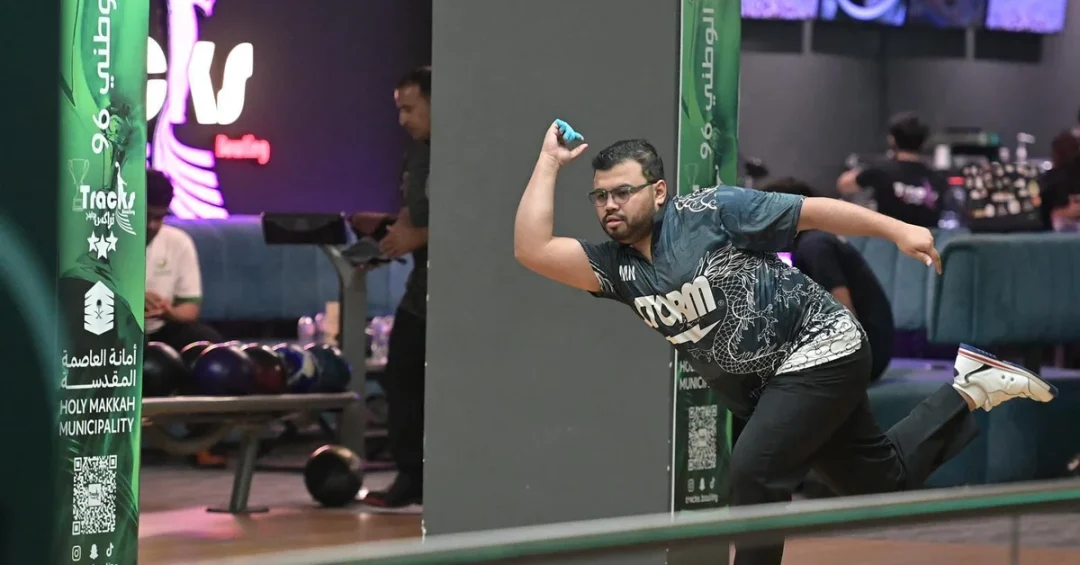
As part of the sports program, Makkah Municipality organized the first bowling championship at Al-Saoud Plaza, with enthusiasts competing in an atmosphere of skill and competitive spirit. The championship expanded the range of activities available to the public and provided an additional sports and entertainment experience. By introducing a competitive sporting element to the national day program, the municipality catered to a different segment of the community, including young people and sports fans who might not otherwise engage with cultural events. The event also highlighted the growing diversity of recreational options in the city, aligning with national efforts to promote active lifestyles and community well-being.
Beyond the headline events, the celebrations extended across shopping centers, parks, walkways, and community venues throughout Makkah. Activities ranged from artistic performances, folk troupes, interactive theater, and children’s programs to hospitality, gifts, and sports events. This decentralized approach meant that the national occasion was not confined to a single location but was woven into the daily life of the city. Residents and visitors encountered the celebrations in familiar places, reinforcing a sense of shared ownership and collective participation. The variety of activities also ensured that different age groups, interests, and backgrounds could find meaningful ways to take part in the national occasion.
International and Regional Impact
How does a municipal celebration in Makkah resonate beyond the Kingdom’s borders? Makkah holds a unique place in the hearts of Muslims worldwide, and events held there during national occasions are observed with interest across the region and the wider Islamic world. The municipality’s program demonstrated that the holy city is not only a spiritual destination but also a vibrant community that celebrates its national identity with openness and hospitality. For international visitors present during the festivities, the celebrations offered a firsthand experience of Saudi culture, from the Saudi Ardah to traditional songs and cuisine. Such encounters contribute to cultural exchange and help project a positive image of the Kingdom as a welcoming and modern society.
Regionally, the celebrations align with a broader pattern of public engagement across the Gulf, where national days have become occasions for cultural programming, community service, and youth involvement. Saudi Arabia’s approach, however, is distinguished by its scale and integration with the Vision 2030 reform agenda. The involvement of municipal authorities in organizing diverse activities reflects a decentralized model of governance that empowers local bodies to serve their communities directly. This model strengthens the relationship between citizens and government institutions, fostering trust and demonstrating the state’s commitment to quality of life at the local level. The positive coverage by the Saudi Press Agency further underscores the official recognition of these efforts.
Economic and Strategic Significance
What economic value can be drawn from a national day celebration? While the primary purpose of the occasion is cultural and social, the activities organized by Makkah Municipality also carry economic dimensions. The concentration of events at shopping centers, parks, and walkways supports local businesses, from retail outlets to food vendors, by drawing increased foot traffic. The bowling championship at Al-Saoud Plaza introduced a sporting attraction that may encourage repeat visits to the venue and stimulate interest in recreational facilities. In a city that hosts millions of pilgrims annually, such events also enhance the overall visitor experience, reinforcing Makkah’s reputation as a well-managed and hospitable destination.
Strategically, the celebrations reflect the Kingdom’s commitment to developing the tourism and entertainment sectors as part of Vision 2030. The Quality of Life Program, a key initiative under the Vision, aims to improve the living standards of citizens and residents by expanding cultural, recreational, and sporting opportunities. Makkah Municipality’s diverse program is a practical expression of that goal, demonstrating how local authorities can contribute to national objectives through accessible, community-focused events. By investing in public spaces and programming, the municipality also supports the broader effort to position Saudi cities as attractive places to live, work, and visit, in line with the Kingdom’s long-term economic diversification strategy.
Vision 2030 Alignment
How does a celebration in Makkah connect to the Kingdom’s long-term vision? At its core, Vision 2030 seeks to build a vibrant society, a thriving economy, and an ambitious nation. The national day activities organized by Makkah Municipality touched on all three pillars. The artistic performances, folk troupes, and interactive theater strengthened cultural identity and social cohesion, contributing to a vibrant society. The sports championship and the activation of commercial venues supported economic activity and recreational diversity. And the involvement of local government in delivering a complex, multi-site program demonstrated the ambition and capability of Saudi institutions to serve their communities effectively.
Looking ahead, the success of this year’s celebrations provides a foundation for future programming that can further integrate heritage, arts, sports, and community engagement. Makkah Municipality’s experience in coordinating events across multiple venues can inform similar initiatives in other cities, contributing to a nationwide culture of celebration and participation. As the Kingdom continues its journey toward Vision 2030, occasions like Saudi National Day will remain powerful reminders of national unity and shared purpose. Through careful planning and inclusive programming, Saudi Arabia is demonstrating that progress and tradition can advance together, enriching the lives of citizens and visitors alike and reinforcing the Kingdom’s role as a leader in the region and the world.
20 Questions
Q1. What occasion did Makkah Municipality celebrate with its diverse program?
A1. Makkah Municipality celebrated Saudi National Day, which commemorates the unification of the Kingdom of Saudi Arabia. The program included artistic, entertainment, community, and sports activities across multiple locations in the holy city, allowing residents and visitors to share in the national festivities and express their pride in the nation.
Q2. Where did most of the National Day activities take place in Makkah?
A2. Activities were held at several locations, including Al-Naseem Walkway, Al-Saoud Plaza, shopping centers, parks, walkways, and community venues. This decentralized approach ensured the celebrations reached a broad cross-section of society, bringing the festivities directly into familiar public spaces across the city.
Q3. What was the main highlight at Al-Naseem Walkway?
A3. Al-Naseem Walkway hosted a national parade accompanied by the traditional Saudi Ardah. Saudi flags and national chants added to the festive atmosphere, reflecting feelings of pride and belonging. Visitors were also welcomed, served refreshments, and given flowers and gifts as part of the hospitality program.
Q4. What is the Saudi Ardah and why is it significant?
A4. The Saudi Ardah is a traditional folk dance performed with swords and drums. It symbolizes strength, unity, and hospitality in Saudi culture. Its inclusion in the National Day parade highlighted the Kingdom’s commitment to preserving and showcasing its rich heritage during national celebrations.
Q5. What artistic activities were offered at the celebrations?
A5. A dedicated stage at Al-Naseem Walkway featured artistic performances combining Saudi heritage, arts, and entertainment. Folk troupes, interactive theater, and children’s programs were also part of the lineup. These activities allowed visitors and families to participate actively in the celebrations rather than simply observe them.
Q6. What sports event was organized as part of the program?
A6. The municipality organized the first bowling championship at Al-Saoud Plaza. Enthusiasts competed in an atmosphere of skill and competitive spirit. The championship expanded the range of activities available to the public and provided an additional sports and entertainment experience for participants and spectators alike.
Q7. How did the municipality ensure community participation?
A7. By holding events at shopping centers, parks, walkways, and community venues, the municipality brought the celebrations to places where people already gather. Activities ranged from performances and theater to hospitality, gifts, and sports, offering multiple entry points for residents and visitors to take part.
Q8. What role did hospitality play in the celebrations?
A8. Hospitality was a central element, with welcoming committees receiving visitors, serving refreshments, singing national songs, and distributing flowers and gifts. These gestures reflect deep-rooted Saudi customs and helped transform the public celebration into a warm and welcoming experience for all attendees.
Q9. Who organized the National Day activities in Makkah?
A9. Makkah Municipality, the government body responsible for municipal services and public spaces in the holy city, organized the activities. The program was reported through official Saudi channels, including the Saudi Press Agency, underscoring the official nature of the celebrations and their alignment with national priorities.
Q10. When is Saudi National Day commemorated each year?
A10. Saudi National Day is commemorated on September 23 each year. It marks the unification of the Kingdom of Saudi Arabia and has become a nationwide occasion for reflection, unity, and cultural expression, celebrated with events that showcase both the nation’s history and its modern ambitions.
Q11. How do the celebrations reflect Saudi heritage?
A11. The celebrations featured traditional performances such as the Saudi Ardah, folk troupes, and national songs. These elements highlighted the Kingdom’s cultural heritage and passed it on to younger generations and international visitors, reinforcing a sense of identity and continuity amid rapid modernization.
Q12. What was the significance of the bowling championship?
A12. The first bowling championship at Al-Saoud Plaza introduced a competitive sporting element to the National Day program. It catered to sports enthusiasts and expanded recreational options, aligning with national efforts to promote active lifestyles and community well-being under the Quality of Life Program.
Q13. How did the events benefit local businesses?
A13. By drawing increased foot traffic to shopping centers, parks, and walkways, the celebrations supported local retail outlets and food vendors. The concentration of activities in commercial and public spaces stimulated economic activity and enhanced the overall visitor experience in Makkah.
Q14. What message do such celebrations convey to international audiences?
A14. They convey that Saudi Arabia is a welcoming, modern society proud of its heritage. International visitors present during the festivities experienced Saudi culture firsthand, from traditional dances to hospitality. This contributes to cultural exchange and projects a positive image of the Kingdom abroad.
Q15. How does the program align with Vision 2030?
A15. The program supports Vision 2030’s pillars of a vibrant society, a thriving economy, and an ambitious nation. It strengthens cultural identity, boosts economic activity, and demonstrates the capability of local government to deliver complex, inclusive events that improve quality of life for citizens and residents.
Q16. What role did children’s programs play in the celebrations?
A16. Children’s programs provided young visitors with dedicated spaces for creativity and play. By engaging the youngest members of the community, the municipality ensured that the national occasion was family-friendly and that children could develop a sense of pride and belonging from an early age.
Q17. How did the municipality coordinate activities across multiple venues?
A17. Makkah Municipality planned and coordinated the program across shopping centers, parks, walkways, and community venues. This decentralized approach required careful logistics and collaboration, demonstrating the municipality’s organizational capacity and its commitment to serving the community effectively during a major national occasion.
Q18. What was the significance of distributing flowers and gifts?
A18. Distributing flowers and gifts is a gesture of hospitality deeply rooted in Saudi culture. It made visitors feel valued and welcome, reinforcing the celebratory atmosphere. Such gestures also reflect the Kingdom’s broader emphasis on generosity and community spirit, which are central to its national identity.
Q19. How do National Day celebrations strengthen national unity?
A19. By bringing together residents and visitors from diverse backgrounds in shared activities, the celebrations foster a sense of common purpose and belonging. The combination of heritage, arts, sports, and community engagement creates a collective experience that reinforces national unity and pride in the Kingdom’s achievements.
Q20. What does the future hold for such celebrations in Makkah?
A20. The success of this year’s program provides a foundation for future events that integrate heritage, arts, sports, and community engagement. As Vision 2030 progresses, Makkah and other Saudi cities are expected to continue developing inclusive celebrations that reflect the Kingdom’s cultural richness and modern ambitions.
Reader Feedback
We value your thoughts. Please share your feedback on this article.
Your feedback helps us improve our coverage.
Related articles
 Jordan’s King Congratulates Saudi Leadership on National Day
 Interior Ministry Launches National Day Passport Stamp
 Makkah Rainfall: SPA Reports Moderate to Heavy Showers
 US Congratulates Saudi Arabia on 96th National Day
 Saudi, Korean FMs Meet on Sidelines of UN General Assembly
 Al-Khobar Hosts Military Air and Naval Shows for Saudi National Day