


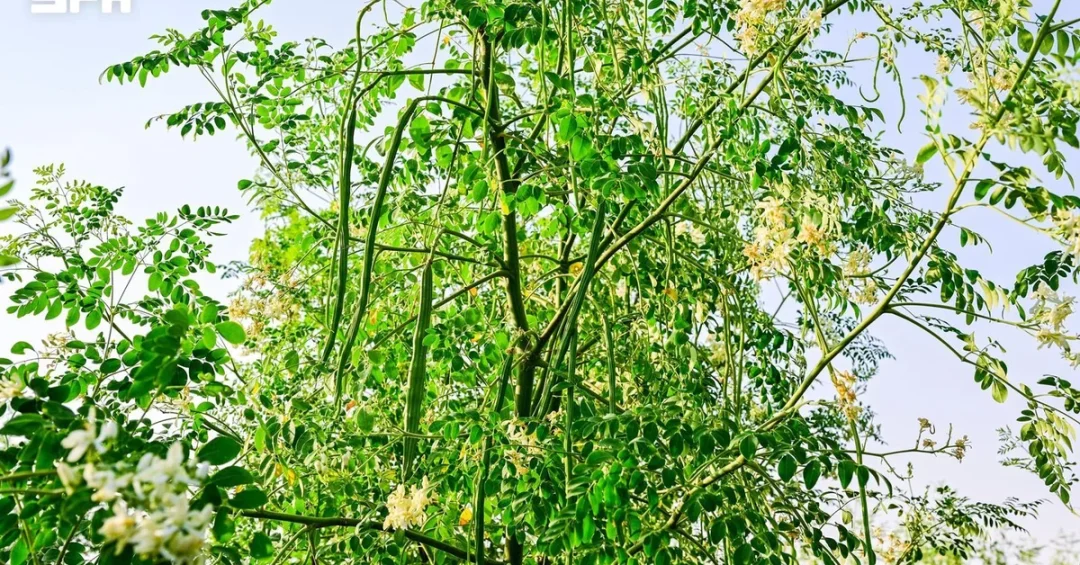
Moringa cultivation is expanding across the Hail region of Saudi Arabia, where a pioneering farm led by Dr. Abdulaziz Al-Obaida has grown to more than 30,000 trees representing roughly 13 varieties, according to information released by the Saudi Press Agency. The development highlights how a drought-resistant tree species is being harnessed for nutritional, environmental, and economic value in the Kingdom’s desert and semi-desert landscapes.
Dr. Al-Obaida, Chairman of the Board of Directors of the Association Cooperative for Moringa in Hail, said his experience cultivating moringa began more than 10 years ago. His 50,000-square-meter farm now hosts trees ranging from five to 14 meters in height, including Moringa peregrina and Moringa oleifera. The milestone reflects a decade of patient agronomic work in a region better known for date palms and seasonal agriculture than for a tree native to the Indian subcontinent and parts of Africa. Could a single tree species help rewrite the agricultural story of Saudi Arabia’s northern heartland?
The announcement, carried by the Saudi Press Agency, places moringa within the Kingdom’s broader conversation about food security, water efficiency, and rural diversification. For international observers, the Hail farm offers a practical case study in how arid countries can cultivate high-value crops that demand little water while delivering measurable returns in nutrition, cosmetics, and traditional medicine. It also underscores the role of cooperative associations in organizing growers, sharing knowledge, and connecting small farms to wider markets.
Context and Background
Why has moringa captured the attention of agricultural planners in Saudi Arabia at this particular moment? The tree’s ability to withstand harsh climates, drought, and water scarcity, combined with its rapid growth and diverse uses, makes it exceptionally well-suited to desert and semi-desert environments. Those same traits align closely with the Kingdom’s long-term priorities: producing more food domestically, using water more efficiently, and creating rural employment beyond the traditional oil economy.
Moringa is not a new discovery. For centuries it has been used across South Asia, the Middle East, and parts of Africa for food, oil, and traditional remedies. What is new is the systematic, commercial-scale approach being taken in Hail. Dr. Al-Obaida’s farm, developed over more than a decade, represents one of the clearest examples in the Kingdom of a long-term commitment to a single non-traditional crop. The presence of around 13 varieties on one site also signals an interest in genetic diversity, which matters for resilience against pests, disease, and shifting climate patterns.
The Association Cooperative for Moringa in Hail provides an institutional framework for that work. Cooperatives in Saudi Arabia have historically played a role in organizing farmers, pooling resources, and negotiating better prices. Applying that model to moringa suggests an intent to move beyond individual experimentation toward a structured sector with shared standards, training, and market access. For a region where water is scarce and summer temperatures are extreme, the crop’s low input requirements are a significant part of its appeal. Isn’t it remarkable how a tree long valued in traditional medicine is now being examined through the lens of modern agricultural economics?
Key Details
The scale of the Hail operation is notable. A 50,000-square-meter farm hosting more than 30,000 trees means roughly one tree for every 1.7 square meters, a density that reflects deliberate management rather than wild growth. Trees range from five to 14 meters in height, indicating a mix of ages and possibly a staggered planting strategy that spreads harvests across the calendar. The inclusion of Moringa peregrina, a species native to the Red Sea region and parts of the Arabian Peninsula, alongside Moringa oleifera, the most widely cultivated species globally, shows a blend of local adaptation and proven productivity.
Dr. Al-Obaida highlighted moringa’s nutritional content, including vitamins, minerals, and proteins, as well as its applications in food, cosmetics, and traditional medicine. Moringa seeds are used to produce oil, while the leaves, flowers, and green pods can be dried and processed into nutrient-rich powder. That range of outputs matters because it allows growers to target multiple markets: food supplements, personal care products, and herbal remedies. A crop with several revenue streams is more resilient than one dependent on a single buyer or price point.
He also noted that expanding moringa cultivation offers economic opportunities in dry regions, with leafy varieties showing particular promise in Hail due to favorable environmental conditions. The emphasis on leafy varieties is significant. Leaves can be harvested repeatedly within a growing season, unlike seeds or pods that follow a narrower window. For farmers in marginal areas, that repeat-harvest characteristic can translate into more consistent cash flow. Could this be the beginning of a new agricultural identity for Hail, one built on trees that thrive where other crops struggle?
International and Regional Impact
How might a farm in northern Saudi Arabia influence conversations far beyond the Kingdom’s borders? Moringa is already a subject of interest in many water-scarce countries across the Middle East, North Africa, and South Asia. A successful, documented cultivation model in Hail gives those countries a reference point: which varieties perform well, how trees respond to extreme heat, and what processing steps turn leaves and pods into shelf-stable products. Knowledge exchange of this kind is often slower than technology transfer, but it can be more durable because it is rooted in local conditions.
Regionally, the expansion fits with efforts by Gulf states to diversify food sources and reduce reliance on imports. Saudi Arabia imports a large share of its food, and any domestic production of nutrient-dense crops contributes to a more balanced supply picture. Moringa’s protein and micronutrient content makes it relevant to nutrition programs as well as commercial agriculture. In humanitarian and development contexts, the tree has been promoted for its ability to provide vitamins and minerals in areas where fresh produce is scarce. Seeing it cultivated at scale in Hail adds a commercial dimension to that humanitarian narrative.
For international investors and agribusinesses, the Hail example also signals that Saudi Arabia’s agricultural sector is open to non-traditional crops. The Kingdom’s Vision 2030 agenda has emphasized economic diversification, private-sector participation, and sustainable resource use. A cooperative-led moringa sector touches each of those themes. It is a modest but concrete illustration of how desert agriculture can evolve. Doesn’t that make the Hail farm a small but meaningful data point in the global conversation about climate-resilient farming?
Economic and Strategic Significance
What does moringa offer that more conventional crops do not? The answer lies in its low water demand, fast growth, and multiple end-products. In a region where irrigation is expensive and groundwater is carefully managed, a tree that produces leaves, pods, seeds, and oil with relatively modest inputs is strategically attractive. The economic case extends beyond the farm gate. Drying, milling, oil extraction, and packaging are all steps that can be performed locally, creating jobs in rural areas and keeping more of the value chain within the region.
Dr. Al-Obaida’s decade of experience suggests that the learning curve is real but manageable. Moving from a few trees to more than 30,000 did not happen overnight; it required experimentation with varieties, planting densities, and harvesting schedules. That accumulated knowledge is itself an asset, one that can be shared through the Association Cooperative for Moringa in Hail. Cooperatives can reduce the risk for new growers by providing technical advice and collective bargaining power. For Saudi Arabia’s rural economy, that combination of individual initiative and institutional support is a model worth watching.
The strategic significance also lies in import substitution. Moringa powder, oil, and cosmetic ingredients are traded internationally, and demand for plant-based nutrition and natural personal care products continues to grow. If Hail can produce these items competitively, it can capture value that currently flows to suppliers abroad. Even a modest share of the domestic market would represent meaningful revenue for growers and processors. Is it any wonder that agricultural planners are paying closer attention to a tree that can be harvested repeatedly in some of the world’s harshest conditions?
Vision 2030 Alignment
Saudi Arabia’s Vision 2030 is built on diversifying the economy, empowering the private sector, and improving quality of life for citizens and residents. Moringa cultivation in Hail connects to those goals in several ways. It supports rural development by creating income opportunities outside major cities. It contributes to food security by adding a nutrient-rich crop to domestic production. And it demonstrates environmental stewardship by promoting a species that requires less water than many alternatives.
The cooperative model behind the Hail farm also reflects Vision 2030’s emphasis on community participation and knowledge sharing. By organizing growers and disseminating best practices, the Association Cooperative for Moringa in Hail helps ensure that the benefits of this crop are not limited to a single farm. That approach can be replicated in other regions with similar climates, from Al Jouf to the Northern Borders. As the Kingdom continues its journey toward a more diversified and sustainable future, initiatives like this one show how local agricultural innovation can serve national objectives. Will moringa become a standard part of Saudi Arabia’s agricultural landscape? The early evidence from Hail suggests the question is no longer hypothetical.
20 Questions
Q1. What is moringa and why is it important in Hail?
A1. Moringa is a fast-growing, drought-resistant tree valued for nutrition, oil, and traditional medicine. In Hail, it is expanding because it suits desert conditions and offers economic opportunities for local farmers and cooperatives.
Q2. Who is leading moringa cultivation efforts in Hail?
A2. Dr. Abdulaziz Al-Obaida, Chairman of the Board of Directors of the Association Cooperative for Moringa in Hail, has cultivated moringa for over 10 years and operates a 50,000-square-meter farm with more than 30,000 trees.
Q3. How many moringa trees are on the Hail farm?
A3. The farm hosts more than 30,000 trees, ranging from five to 14 meters in height. They represent around 13 varieties, including Moringa peregrina and Moringa oleifera.
Q4. What varieties of moringa are grown in Hail?
A4. Approximately 13 varieties are cultivated, including Moringa peregrina, which is native to the Red Sea region, and Moringa oleifera, the most widely grown species globally. This diversity supports resilience and productivity.
Q5. Why is moringa well-suited to Saudi Arabia’s climate?
A5. Moringa withstands harsh climates, drought, and water scarcity. It grows rapidly and thrives in desert and semi-desert environments, making it ideal for regions like Hail where water is limited.
Q6. What nutritional benefits does moringa offer?
A6. Moringa contains vitamins, minerals, and proteins. Its leaves, flowers, and green pods can be dried and processed into nutrient-rich powder, while seeds produce oil used in food and cosmetics.
Q7. What are the commercial uses of moringa?
A7. Moringa is used in food products, cosmetics, and traditional medicine. Seeds yield oil, and dried leaves and pods become powder. These multiple outputs create several revenue streams for growers and processors.
Q8. How long has moringa been cultivated in Hail?
A8. Dr. Al-Obaida began cultivating moringa more than 10 years ago. His long experience has helped him refine varieties, planting densities, and harvesting methods suited to local conditions.
Q9. What is the size of the moringa farm in Hail?
A9. The farm covers 50,000 square meters and hosts more than 30,000 trees. This scale demonstrates a commercial approach rather than small-scale experimentation, with trees ranging from five to 14 meters.
Q10. How does moringa support food security in Saudi Arabia?
A10. Moringa adds a nutrient-rich crop to domestic production, reducing reliance on imports. Its protein, vitamin, and mineral content makes it relevant to nutrition programs and commercial food markets alike.
Q11. What role does the cooperative play in moringa cultivation?
A11. The Association Cooperative for Moringa in Hail organizes growers, shares technical knowledge, and helps connect small farms to markets. Cooperatives reduce risk and strengthen bargaining power for members.
Q12. Why are leafy moringa varieties promising in Hail?
A12. Leafy varieties can be harvested repeatedly within a season, unlike seeds or pods with narrower windows. This provides more consistent cash flow for farmers in dry regions with favorable environmental conditions.
Q13. How does moringa compare to other crops in water use?
A13. Moringa requires relatively little water and tolerates drought, making it more sustainable than many conventional crops in arid regions. This aligns with Saudi Arabia’s water conservation priorities.
Q14. What economic opportunities does moringa create?
A14. Moringa creates opportunities in farming, drying, milling, oil extraction, and packaging. These activities can be done locally, generating rural jobs and keeping more value within the region.
Q15. Can moringa cultivation be replicated elsewhere in Saudi Arabia?
A15. Yes. The Hail model could be adapted to other regions with similar climates, such as Al Jouf and the Northern Borders. Cooperative structures can help share best practices and reduce start-up risks.
Q16. What makes moringa a strategic crop for Vision 2030?
A16. Moringa supports economic diversification, rural development, food security, and environmental sustainability. These align with Vision 2030 goals of reducing oil dependence and improving quality of life.
Q17. How does moringa contribute to environmental sustainability?
A17. Moringa’s low water demand and ability to grow in poor soils reduce pressure on scarce resources. It can also help stabilize soil and provide shade in agroforestry systems.
Q18. What processing steps turn moringa into marketable products?
A18. Leaves, flowers, and pods are dried and milled into powder. Seeds are pressed for oil. These steps can be performed locally, adding value and creating employment in rural communities.
Q19. What is the significance of Moringa peregrina in Hail?
A19. Moringa peregrina is native to the Red Sea region and parts of the Arabian Peninsula. Its presence in Hail shows a blend of local adaptation and global varieties, enhancing genetic diversity.
Q20. What does the future hold for moringa in Saudi Arabia?
A20. With cooperative support, growing expertise, and alignment with Vision 2030, moringa could become a standard crop in suitable regions. Expansion will depend on market development and continued knowledge sharing.
Reader Feedback
We value your thoughts. Please share your feedback on this article.
Your feedback helps us improve our coverage.
Related articles
 Al-Jouf Deputy Governor Meets Deputy Commerce Minister
 Buraidah Dates Carnival Trade Surges Past SAR17.9 Million
 Buraidah Date Carnival Sees Surge in Trade and Sales
 Rafha Farmers’ Market Showcases Local Produce
 Buraidah Dates Carnival Sees Sales Surge to 17.9M Riyals
 Saudi Falcon Auction Boosts Economy and Heritage