


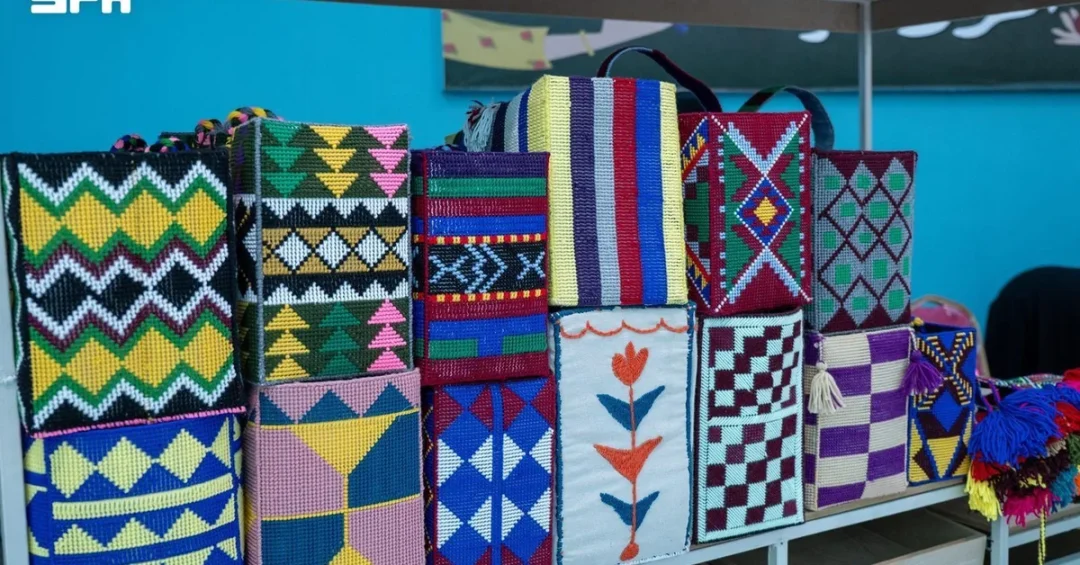
The Ministry of Environment, Water and Agriculture’s branch in the Northern Borders Region concluded its farmers’ market in Rafha, an event designed to promote local produce, stimulate the local economy, and provide farmers and families working in the cottage industry with direct access to consumers. The market, which ran for several days, attracted residents and visitors who came to explore the rich agricultural bounty of the region, including dates, fruits, vegetables, honey, and olives. The initiative reflects the Ministry’s ongoing efforts to support sustainable agricultural development, increase economic returns for local farmers, and advance rural development goals in line with Saudi Arabia’s Vision 2030.
Context and Background
The farmers’ market in Rafha is part of a broader strategy by the Ministry of Environment, Water and Agriculture to empower local agricultural communities across the Kingdom. The Northern Borders Region, with Rafha at its heart, is known for its fertile farms that produce high-quality dates, fruits, vegetables, honey, and olives. By organizing such markets, the Ministry aims to shorten the supply chain, allowing farmers and cottage industry families to sell directly to consumers, thereby increasing their income and reducing reliance on intermediaries. This approach not only boosts the local economy but also fosters a sense of community and pride in local products.
The event also aligns with the Ministry’s mission to achieve food security and sustainable development, key pillars of Saudi Vision 2030. Similar markets have been held in various regions, each highlighting the unique agricultural heritage of its area. The Rafha market is particularly significant because it showcases the region’s ability to produce a diverse range of crops despite its arid climate, thanks to modern irrigation techniques and government support.
Key Details
The market featured a wide array of products, with dates and olives taking center stage as signature crops of the region. Farmers displayed fresh fruits and vegetables, while local beekeepers offered honey known for its distinct flavor. Visitors had the opportunity to taste and purchase these goods, learning about the quality and origin of each product. The direct interaction between producers and consumers allowed for immediate feedback and built trust in local brands.
Beyond commerce, the event served as a platform for knowledge exchange. Agricultural experts from the Ministry provided advice on best practices, water conservation, and pest management. Workshops on cottage industry skills, such as food processing and packaging, were also conducted to help families add value to their raw products. These efforts are designed to enhance the competitiveness of local goods and open up new market opportunities.
Implications and Impact
The success of the Rafha farmers’ market has several implications for the region and the Kingdom. Economically, it injects cash directly into rural households, stimulating local spending and entrepreneurship. Socially, it strengthens community bonds and preserves agricultural traditions. Environmentally, by promoting local consumption, it reduces the carbon footprint associated with transporting food over long distances.
On a national level, such initiatives contribute to the diversification of the economy away from oil, a core objective of Vision 2030. They also support the Kingdom’s food security goals by encouraging domestic production and reducing dependence on imports. The Ministry’s commitment to holding these markets regularly demonstrates a long-term strategy to revitalize rural areas and make agriculture a viable and attractive sector for the youth.
Vision 2030 Alignment
This event is a clear embodiment of Saudi Vision 2030’s goals, particularly those related to economic diversification, sustainable development, and enhanced quality of life. By supporting small-scale farmers and cottage industries, the Ministry is helping to create a vibrant rural economy that contributes to the national GDP and creates jobs. The focus on local produce also aligns with the Vision’s emphasis on food security and environmental sustainability. As Saudi Arabia continues its transformation, initiatives like the Rafha farmers’ market will play a vital role in showcasing the Kingdom’s agricultural potential and its commitment to a prosperous and sustainable future for all citizens.
20 Questions
Q1. What was the main purpose of the Rafha farmers’ market?
A1. The market aimed to promote local produce, stimulate the local economy, and provide farmers and cottage industry families with direct access to consumers, supporting sustainable agricultural development.
Q2. Which government body organized the event?
A2. The Ministry of Environment, Water and Agriculture’s branch in the Northern Borders Region organized the farmers’ market in Rafha.
Q3. What types of products were showcased at the market?
A3. The market featured dates, fruits, vegetables, honey, and olives, highlighting the diverse agricultural output of Rafha’s farms.
Q4. How does the market benefit local farmers?
A4. It allows farmers to sell directly to consumers, increasing their income by cutting out intermediaries and providing immediate market feedback.
Q5. What is the significance of the Northern Borders Region in Saudi agriculture?
A5. The region is known for its fertile farms that produce high-quality dates, fruits, vegetables, honey, and olives, contributing to the Kingdom’s food security.
Q6. How does the event align with Saudi Vision 2030?
A6. It supports economic diversification, rural development, and food security, all key pillars of Vision 2030, by empowering local producers and promoting sustainable practices.
Q7. Were there any educational components at the market?
A7. Yes, agricultural experts provided advice on best practices, water conservation, and pest management, and workshops on cottage industry skills were conducted.
Q8. How does the market contribute to the local economy?
A8. It injects cash directly into rural households, stimulates local spending, and encourages entrepreneurship among farmers and cottage industry families.
Q9. What role does the Ministry play in supporting such markets?
A9. The Ministry organizes and facilitates these markets as part of its efforts to support sustainable agricultural development and increase economic returns for rural communities.
Q10. How does the market promote food security in Saudi Arabia?
A10. By encouraging domestic production and consumption of local goods, it reduces dependence on imports and strengthens the Kingdom’s self-sufficiency in food.
Q11. What are cottage industries in the context of this event?
A11. Cottage industries refer to small-scale, often family-run production of goods such as food processing, handicrafts, and packaging, which the market supports.
Q12. How does the market benefit consumers?
A12. Consumers gain access to fresh, high-quality local products, learn about their origin, and support the local economy by purchasing directly from producers.
Q13. Is the Rafha market part of a larger initiative?
A13. Yes, it is part of the Ministry’s broader strategy to hold farmers’ markets across various regions, each showcasing local agricultural heritage.
Q14. What environmental benefits result from local markets?
A14. They reduce the carbon footprint associated with transporting food over long distances by promoting local consumption and shortening the supply chain.
Q15. How does the event support rural development?
A15. It provides economic opportunities, improves infrastructure, and enhances the quality of life in rural areas, making agriculture a viable sector.
Q16. Were there any specific workshops for women or youth?
A16. While not specified, the Ministry often includes training for all community members, including women and youth, to enhance skills in cottage industries and agriculture.
Q17. How can farmers participate in future markets?
A17. Farmers can contact the Ministry of Environment, Water and Agriculture’s branch in the Northern Borders Region for information on upcoming markets and registration.
Q18. What makes Rafha’s agricultural products unique?
A18. The region’s arid climate and modern irrigation techniques produce distinctively high-quality dates, fruits, vegetables, honey, and olives with unique flavors.
Q19. How does the market foster community bonds?
A19. It brings together farmers, families, and consumers in a shared space, strengthening social ties and preserving agricultural traditions.
Q20. What is the long-term vision for such markets?
A20. The Ministry aims to make farmers’ markets a regular feature, contributing to a vibrant rural economy, food security, and the overall goals of Saudi Vision 2030.
Reader Feedback
We value your thoughts. Please share your feedback on this article.
Your feedback helps us improve our coverage.