


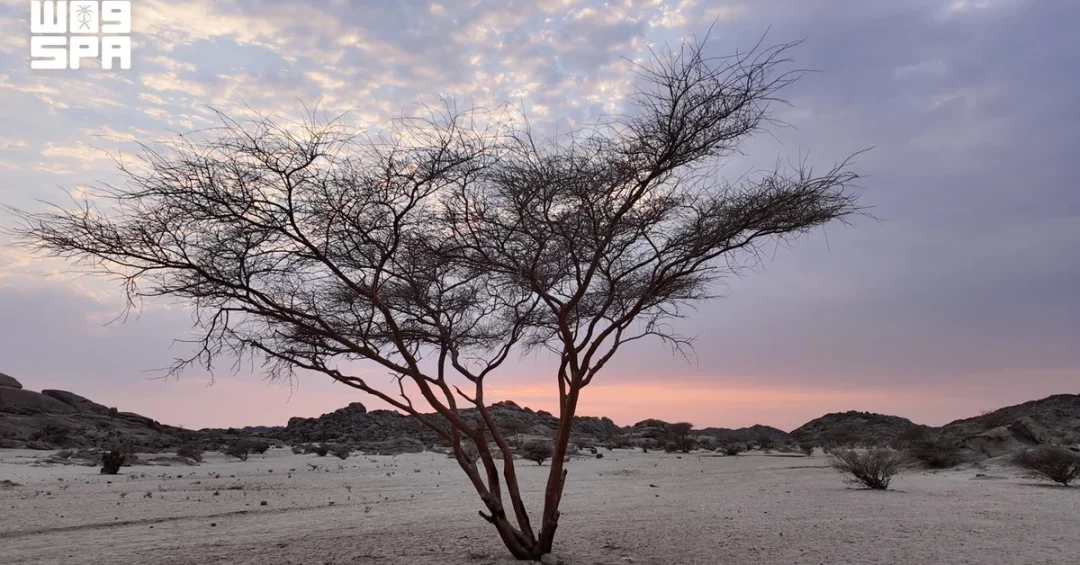
Jabal Al-Qamar National Park in Khulais, a rising eco-tourism destination in the western region of the Kingdom of Saudi Arabia, is drawing attention for its dramatic terrain, cloud-swept skies, and luminous sunsets, according to information released by the Saudi Press Agency (SPA). The park, which overlooks surrounding hills and highlands, offers visitors opportunities for contemplation, photography, and exploration of a landscape defined by peaks, slopes, and valleys stretching between striking rock formations. Its varied contours give the area a natural depth and breadth that distinguishes it from other sites in the governorate and enriches every visitor’s visual experience.
Is it any wonder that a place named Jabal Al-Qamar, or Mountain of the Moon, has become a focal point for those seeking a deeper connection with Saudi Arabia’s natural heritage? The SPA reported on the park’s distinctive character, noting how its terrain shifts in appearance as light and shadow move across the rock formations throughout the day. For international observers, Jabal Al-Qamar represents far more than a scenic viewpoint; it is part of a broader national effort to develop eco-tourism, protect natural landscapes, and invite the world to discover the Kingdom’s environmental diversity beyond its celebrated urban and heritage destinations.
Context and Background
What makes Jabal Al-Qamar National Park significant within Saudi Arabia’s expanding tourism landscape? Located in Khulais, a governorate in the Makkah region, the park forms part of a network of natural sites that the Kingdom has been steadily integrating into its tourism and environmental strategies. The SPA described the park as one of the governorate’s eco-tourism attractions, emphasizing its role in offering opportunities for reflection, photography, and exploration of diverse terrain. Its position overlooking hills and highlands, with valleys stretching between rock formations, creates a setting where geology and atmosphere combine to produce a continuously changing visual experience.
The park’s natural features are not static. According to the SPA, the movement of clouds shifts light across the terrain, revealing details of the rocks and offering photographers constantly changing angles from which to capture the scene. As the sun approaches the horizon, light and shadow intermingle across the rock formations, highlighting variations in their elevations and shapes. This dynamic interplay of light, cloud, and stone gives Jabal Al-Qamar a distinctive character that evolves from hour to hour and season to season, making it a compelling destination for repeat visits and a valuable asset for Saudi Arabia’s growing nature-based tourism sector.
For international audiences, the park also illustrates how Saudi Arabia is broadening the definition of what a visit to the Kingdom can include. Beyond the well-known cultural and religious sites, the country is home to a wide range of landscapes, from desert dunes to mountain ranges and coastal areas. Jabal Al-Qamar contributes to this mosaic, offering a setting where visitors can experience the quieter, more contemplative side of the Kingdom while enjoying the same hospitality and infrastructure that have become hallmarks of Saudi tourism development.
Key Details
What exactly can visitors expect when they arrive at Jabal Al-Qamar National Park? According to the SPA’s observations, the park presents views overlooking surrounding hills and highlands, with peaks and slopes of varying contours and valleys stretching between rock formations. This varied terrain gives the landscape depth and breadth, distinguishes the area’s natural character, and enriches its visual details. The rock formations themselves are central to the experience, their elevations and shapes becoming more pronounced as the day progresses and the angle of sunlight changes.
As the sun approaches the horizon, the interplay of light and shadow across the rock formations becomes the park’s most striking feature. The SPA noted that the movement of clouds shifts the light across the terrain, revealing details of the rocks and offering photographers constantly changing angles. At sunset, visitors can contemplate the area’s beauty as the shadows of the rocks meet the remaining rays of sunlight beneath the clouds. This combination of cloud cover and topography creates conditions that are particularly favorable for landscape photography, a pursuit that has grown in popularity among both domestic and international visitors to Saudi Arabia.
The park’s appeal extends beyond photography. Its valleys and successive hills provide space for walking, reflection, and exploration, aligning with a global trend toward slow travel and nature-based experiences. For families, solo travelers, and organized tour groups alike, Jabal Al-Qamar offers a setting where the pace of discovery is set by the landscape itself. The SPA’s description of the park as a place for contemplation underscores its potential as a restorative destination, one where visitors can step away from urban rhythms and engage with the natural environment in a meaningful way.
International and Regional Impact
How does a site like Jabal Al-Qamar National Park fit into Saudi Arabia’s broader regional and international tourism ambitions? The Kingdom has been actively developing its tourism sector as part of a long-term economic diversification strategy, and natural attractions such as Jabal Al-Qamar complement major projects in heritage, entertainment, and hospitality. For regional travelers, the park offers a nearby nature escape that can be combined with visits to Jeddah, Makkah, and other destinations in the western region. For international visitors, it adds a distinctive outdoor experience to itineraries that might otherwise focus on cities and cultural sites.
The park also reflects a growing regional interest in eco-tourism and environmental preservation. Across the Gulf and the wider Middle East, countries are investing in protected areas and sustainable tourism infrastructure, recognizing that natural landscapes are finite resources that require careful management. Saudi Arabia’s approach, which emphasizes both accessibility and conservation, positions Jabal Al-Qamar as part of a broader movement to balance economic development with environmental stewardship. The SPA’s reporting on the park highlights its natural character and visual appeal, reinforcing the message that Saudi Arabia’s tourism offer is diverse, authentic, and rooted in the country’s own geography.
Economic and Strategic Significance
What economic and strategic value does a destination like Jabal Al-Qamar bring to Saudi Arabia? Tourism is a key pillar of the Kingdom’s efforts to diversify revenue sources and create employment opportunities for its citizens. Nature-based attractions can stimulate local economies by drawing visitors to nearby towns and governorates, supporting small businesses, guiding services, hospitality providers, and photography-related activities. Khulais and the surrounding areas stand to benefit from increased visitor traffic as awareness of the park grows through official channels such as the SPA.
Strategically, the park contributes to Saudi Arabia’s goal of becoming a leading global destination for a wide range of travel interests. By showcasing natural sites alongside cultural and entertainment offerings, the Kingdom presents itself as a multifaceted destination capable of appealing to different segments of the international market. The SPA’s coverage of Jabal Al-Qamar also serves an informational purpose, providing potential visitors with accurate, official descriptions of what the park offers. This kind of transparent communication supports informed travel planning and helps build trust among international audiences considering a visit to Saudi Arabia.
Vision 2030 Alignment
How does Jabal Al-Qamar National Park align with Saudi Vision 2030? The Vision, launched under the leadership of Crown Prince Mohammed bin Salman, aims to diversify the Kingdom’s economy, enhance quality of life, and position Saudi Arabia as a global hub for tourism, culture, and investment. Natural attractions such as Jabal Al-Qamar are integral to these objectives, offering experiences that appeal to both domestic residents and international visitors. The park’s promotion through official Saudi channels reflects a coordinated effort to highlight the Kingdom’s environmental assets and integrate them into the national tourism ecosystem.
As Saudi Arabia continues to develop its tourism infrastructure and expand its global outreach, sites like Jabal Al-Qamar will play an increasingly important role in telling the story of a country that is both modern and deeply connected to its natural heritage. For visitors seeking a place where terrain embraces clouds and the landscape glows at sunset, the park offers an experience that is at once serene, inspiring, and unmistakably Saudi. Its continued development and promotion will contribute to the Kingdom’s long-term vision of a diversified, sustainable, and welcoming future.
20 Questions
Q1. Where is Jabal Al-Qamar National Park located?
A1. Jabal Al-Qamar National Park is located in Khulais, a governorate in the Makkah region of western Saudi Arabia, according to the Saudi Press Agency.
Q2. What makes Jabal Al-Qamar a notable eco-tourism destination?
A2. The park is known for its diverse terrain, including peaks, slopes, valleys, and rock formations, offering opportunities for contemplation, photography, and exploration of natural landscapes.
Q3. What did the Saudi Press Agency observe at the park?
A3. The SPA observed views overlooking surrounding hills and highlands, with peaks and slopes of varying contours and valleys stretching between rock formations, creating depth and visual richness.
Q4. How does light affect the park’s appearance?
A4. As the sun approaches the horizon, light and shadow intermingle across rock formations, highlighting variations in elevations and shapes, while moving clouds shift light across the terrain.
Q5. Why is the park popular among photographers?
A5. The movement of clouds and changing light offer photographers constantly changing angles and details of the rocks, making it an ideal location for landscape photography throughout the day.
Q6. What can visitors do at Jabal Al-Qamar National Park?
A6. Visitors can contemplate the natural beauty, take photographs, and explore the diverse terrain, including valleys and hills, while enjoying the serene environment and sunset views.
Q7. What is the significance of the park’s name?
A7. Jabal Al-Qamar translates to Mountain of the Moon, reflecting the area’s distinctive rock formations and luminous appearance, especially during sunset when shadows meet sunlight.
Q8. How does the park contribute to Saudi Arabia’s tourism sector?
A8. It adds a nature-based attraction to the Kingdom’s tourism offerings, complementing cultural and heritage sites and supporting economic diversification under Saudi Vision 2030.
Q9. What role does the Saudi Press Agency play in promoting the park?
A9. The SPA provides official descriptions and updates about the park, helping to inform domestic and international audiences about its natural features and tourism potential.
Q10. Is Jabal Al-Qamar suitable for families?
A10. Yes, the park offers a safe and serene environment for families, with opportunities for walking, reflection, and enjoying nature, though visitors should respect the natural landscape.
Q11. What is the best time to visit Jabal Al-Qamar?
A11. Sunset is highlighted as a particularly beautiful time, when light and shadow create dramatic effects across the rock formations beneath the clouds.
Q12. How does the park support environmental preservation?
A12. As a national park, it helps protect natural landscapes and biodiversity, aligning with Saudi Arabia’s broader efforts to balance tourism development with environmental stewardship.
Q13. What economic benefits can the park bring to Khulais?
A13. Increased visitor traffic can support local businesses, hospitality services, guiding, and photography-related activities, contributing to the governorate’s economic growth.
Q14. How does the park align with Saudi Vision 2030?
A14. It supports Vision 2030 goals of economic diversification, enhanced quality of life, and positioning Saudi Arabia as a global tourism destination with diverse natural attractions.
Q15. Are there any facilities at the park?
A15. The SPA report focuses on the natural features; visitors should check official sources for information on facilities and accessibility before planning their trip.
Q16. What makes the rock formations at the park unique?
A16. Their varying elevations and shapes, combined with the interplay of light and shadow, create a dynamic visual experience that changes throughout the day.
Q17. How does the park compare to other Saudi natural attractions?
A17. Each site has its own character; Jabal Al-Qamar is distinguished by its cloud-swept skies, dramatic sunsets, and terrain that embraces light in a unique way.
Q18. Can international tourists visit the park?
A18. Yes, Saudi Arabia welcomes international tourists, and the park is part of the Kingdom’s growing tourism offerings, subject to standard visa and travel regulations.
Q19. What is the significance of the park’s sunset views?
A19. At sunset, shadows of rocks meet remaining sunlight beneath clouds, creating a contemplative and visually stunning scene that embodies the park’s natural beauty.
Q20. How can visitors learn more about Jabal Al-Qamar?
A20. Official information is available through Saudi government channels and the Saudi Press Agency, which regularly reports on the Kingdom’s natural and tourism sites.
Reader Feedback
We value your thoughts. Please share your feedback on this article.
Your feedback helps us improve our coverage.
Related articles
 Saudia Adds Muscat to Winter Network With Riyadh Flights
 GCC Tourism Ministers Meet in Manama, Back Saudi UN Tourism Bid
 Qiddiya City Signs MoUs with Five Travel and Tourism Firms
 Saudi Tourism Minister Meets Bahrain Deputy PM in Manama
 Abu Dhabi Flights to Red Sea International Airport Launch October 4
 Fall Season Transforms Jazan Mountains and Terraces