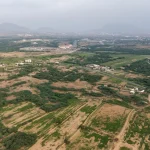
Red Sea Global has announced that scheduled flights connecting Abu Dhabi with Red Sea International Airport will launch on October 4, 2026, with the inaugural service departing from Zayed International Airport on Sunday, October 4, 2026. The new route, operated in partnership with Etihad Airways, will begin as a weekly Sunday service before increasing to twice-weekly frequencies on Thursdays and Sundays from October 25, 2026. The announcement, released through official Saudi channels, marks another significant step in the Kingdom’s ambitious effort to position the Red Sea as a premier global luxury tourism destination and to deepen air connectivity between Saudi Arabia and the United Arab Emirates.
The launch reflects the broader momentum behind Saudi Arabia’s tourism transformation under Vision 2030, which seeks to diversify the national economy away from hydrocarbons and establish the Kingdom as a world-class destination for leisure, culture, and hospitality. Red Sea Global, the developer behind The Red Sea destination, has been steadily expanding its resort portfolio and international reach. With 11 resorts already in operation and six more set to open in the coming months, the addition of Abu Dhabi as a direct gateway represents a carefully calibrated move to attract high-value travelers from one of the region’s most dynamic aviation markets. Could this new route be the beginning of a wider network of Gulf connections that reshapes regional tourism flows?
Context and Background
How did the Red Sea emerge as one of the most closely watched tourism projects in the world? The Red Sea destination, developed by Red Sea Global, spans a vast archipelago of islands, pristine coastlines, and desert landscapes along Saudi Arabia’s western shore. It is one of the flagship giga-projects designed to support Vision 2030’s goal of attracting 150 million annual visits by 2030 and increasing tourism’s contribution to gross domestic product to 10 percent. The destination currently operates 11 resorts, including Six Senses Southern Dunes, Nujuma, a Ritz-Carlton Reserve, and Four Seasons Resort and Residences Red Sea, with a further six properties scheduled to open in the coming months.
Red Sea International Airport, operated by daa International, has been steadily building its route network since beginning operations. It currently connects to Riyadh, Jeddah, Dubai, Doha, and Milan through approximately 20 domestic and international flights each week. The addition of Abu Dhabi brings a sixth destination and strengthens the airport’s role as a gateway for international visitors. The launch was made possible through the coordinated efforts of the General Authority of Civil Aviation, the Air Connectivity Program, and daa International, underscoring the whole-of-government approach that characterizes Saudi Arabia’s aviation and tourism strategy.
The timing of the announcement is significant. As global travel demand continues to recover and evolve, travelers are increasingly seeking immersive, nature-based luxury experiences. The Red Sea’s combination of untouched coral reefs, luxury hospitality, and cultural heritage positions it competitively against established destinations in the Indian Ocean and Mediterranean. By linking directly to Abu Dhabi, a major global aviation hub, the destination gains access to a vast network of connecting flights and a catchment area of affluent travelers. Isn’t it telling that the Kingdom is systematically removing barriers between its most ambitious tourism assets and the world’s most connected cities?
Key Details of the New Route
What exactly will the new service look like for travelers? The inaugural flight will depart from Zayed International Airport in Abu Dhabi on Sunday, October 4, 2026. Initially, the service will operate once weekly on Sundays. From October 25, 2026, the frequency will increase to twice weekly, with flights on Thursdays and Sundays. The route will be operated by Etihad Airways, the national airline of the United Arab Emirates, whose extensive global network spans the Americas, Europe, Asia, and Africa. This partnership gives Red Sea International Airport a direct link to one of the world’s leading airline alliances and opens the destination to a much broader pool of international visitors.
John Pagano, Group CEO of Red Sea Global, described the launch in forward-looking terms. “Our partnership with Etihad Airways marks an important step in improving accessibility by connecting the destination to one of the world’s leading airline networks,” he said. “As we continue to expand our portfolio of resorts and experiences, stronger international air connectivity enables us to welcome more visitors from key markets worldwide.” The statement reflects the strategic logic behind the route: air connectivity is the lifeline of any luxury tourism destination, and each new gateway multiplies the potential visitor base.
The collaborative effort behind the launch involved several key Saudi entities. The General Authority of Civil Aviation regulates and facilitates the Kingdom’s aviation sector, while the Air Connectivity Program is dedicated to expanding direct air links between Saudi Arabia and international markets. daa International, which operates Red Sea International Airport, ensures that the airport experience matches the premium positioning of the destination. Together, these bodies have created the regulatory, commercial, and operational conditions for the new Abu Dhabi service to succeed. Could this model of inter-agency cooperation become a template for future route launches across the Kingdom?
International and Regional Impact
What does the Abu Dhabi connection mean for the wider region? The United Arab Emirates is one of Saudi Arabia’s closest economic and strategic partners, and the new route strengthens people-to-people and business ties between the two countries. Abu Dhabi’s Zayed International Airport is a major global hub, and its connectivity to Europe, Asia, and North America means that travelers from those regions can now reach the Red Sea with a single convenient connection. For the Red Sea destination, this is a critical advantage in competing with other luxury tourism markets that already enjoy robust air links.
Regionally, the new service complements existing routes to Dubai and Doha, reinforcing the Red Sea’s position as a Gulf-accessible destination. It also signals the growing integration of Saudi Arabia’s tourism infrastructure with the broader Gulf aviation ecosystem. As the Kingdom continues to invest in airports, airlines, and hospitality assets, the cumulative effect is a more connected and competitive regional tourism market. Isn’t it remarkable how a single route can simultaneously serve leisure travelers, business visitors, and the broader goal of regional economic integration?
Internationally, the route is expected to attract travelers from Etihad’s key source markets, including Europe, the United Kingdom, and Asia. The Red Sea’s appeal lies in its combination of luxury resorts, marine biodiversity, and cultural experiences, which align with the preferences of high-net-worth travelers. By making the destination easier to reach, Red Sea Global and its partners are effectively lowering the friction that often prevents travelers from choosing emerging destinations over established ones. The October 4 launch is therefore not just an operational milestone but a strategic marketing statement.
Economic and Strategic Significance
Why does air connectivity matter so much for Saudi Arabia’s economic transformation? Tourism is a central pillar of Vision 2030, and the Kingdom has set ambitious targets for visitor numbers, tourism spending, and job creation. Each new international route brings with it a cascade of economic benefits: increased hotel occupancy, higher spending in local communities, demand for services and supplies, and the creation of employment opportunities for Saudi citizens. The Red Sea destination alone is expected to support tens of thousands of jobs as it reaches full operational capacity.
The partnership with Etihad Airways also has strategic value beyond tourism. It deepens aviation cooperation between Saudi Arabia and the UAE, two of the most important economies in the Middle East. It demonstrates that Saudi Arabia’s giga-projects are not isolated ventures but are being integrated into regional and global networks. The involvement of the Air Connectivity Program highlights the Kingdom’s proactive approach to route development, working with airlines and airports to identify and secure new links that serve national priorities. Could this be a sign that Saudi Arabia’s tourism strategy is entering a new phase of maturity, where connectivity and destination development advance in lockstep?
From an investor perspective, the launch reinforces confidence in the Red Sea project’s long-term viability. International hotel brands, airline partners, and financial institutions watch connectivity metrics closely as indicators of a destination’s potential. The addition of Abu Dhabi, with its strong business and leisure demand, provides further evidence that the Red Sea is on track to become a self-sustaining, globally competitive tourism ecosystem.
Vision 2030 Alignment
How does this development fit into the Kingdom’s long-term vision? Vision 2030, launched under the leadership of Crown Prince Mohammed bin Salman, seeks to transform Saudi Arabia into a diversified, knowledge-based economy with a vibrant tourism sector. The Red Sea project is one of the most visible expressions of that vision, combining environmental stewardship, luxury hospitality, and economic opportunity. The new Abu Dhabi route directly supports the vision’s objectives by enhancing international accessibility, attracting foreign visitors, and showcasing the Kingdom’s natural and cultural assets to the world.
The launch also reflects the vision’s emphasis on partnership and openness. By working with Etihad Airways and Emirati aviation authorities, Saudi Arabia is demonstrating its commitment to regional collaboration and its willingness to integrate with global travel networks. As more resorts open and more routes are added, the Red Sea will continue to serve as a flagship example of how Vision 2030 is translating ambitious plans into tangible realities. For international audiences, the message is clear: Saudi Arabia is open for business, open for tourism, and open to the world.
With the inaugural flight set for October 4, 2026, and frequencies increasing later that month, the coming weeks will mark a new chapter in the Red Sea’s young history. Travelers from Abu Dhabi and beyond will soon have a direct path to one of the world’s most extraordinary destinations, and Saudi Arabia will have another bridge to the global community it seeks to serve. Isn’t that precisely the kind of progress Vision 2030 was designed to deliver?
20 Questions
Q1. When will the Abu Dhabi to Red Sea International Airport flights begin?
A1. The inaugural flight will depart from Zayed International Airport on Sunday, October 4, 2026. The service will initially operate weekly on Sundays before increasing to twice weekly on Thursdays and Sundays from October 25, 2026.
Q2. Which airline will operate the new route?
A2. Etihad Airways, the national airline of the United Arab Emirates, will operate the scheduled flights. The partnership gives Red Sea International Airport access to Etihad’s extensive global network, connecting the destination to key markets across Europe, Asia, and beyond.
Q3. How often will the flights operate?
A3. The service will begin as a weekly Sunday flight from October 4, 2026. From October 25, 2026, the frequency will increase to twice weekly, with flights operating on Thursdays and Sundays, offering travelers more flexibility.
Q4. Who announced the launch of these flights?
A4. Red Sea Global, the developer behind The Red Sea destination, announced the launch through official Saudi channels. The announcement was reported by the Saudi Press Agency, reflecting the Kingdom’s commitment to transparent communication about its tourism developments.
Q5. What did Red Sea Global Group CEO John Pagano say about the new route?
A5. John Pagano said the partnership with Etihad Airways marks an important step in improving accessibility by connecting the destination to one of the world’s leading airline networks, enabling the Red Sea to welcome more visitors from key markets worldwide.
Q6. Which Saudi entities played pivotal roles in launching the flights?
A6. The General Authority of Civil Aviation, the Air Connectivity Program, and daa International, the operator of Red Sea International Airport, played pivotal roles. Their collaboration ensured the regulatory, commercial, and operational foundations for the new Abu Dhabi service.
Q7. How many resorts are currently operating at The Red Sea destination?
A7. The Red Sea currently has 11 resorts in operation, including Six Senses Southern Dunes, Nujuma, a Ritz-Carlton Reserve, and Four Seasons Resort and Residences Red Sea. A further six resorts are set to open in the coming months.
Q8. Which destinations does Red Sea International Airport currently connect to?
A8. Red Sea International Airport currently connects to Riyadh, Jeddah, Dubai, Doha, and Milan through approximately 20 domestic and international flights each week. The addition of Abu Dhabi will expand this network further.
Q9. What is the significance of the Abu Dhabi route for international travelers?
A9. Abu Dhabi’s Zayed International Airport is a major global hub with connections to Europe, Asia, and North America. The new route allows travelers from those regions to reach the Red Sea with a single convenient connection, enhancing accessibility.
Q10. How does this launch support Saudi Arabia’s Vision 2030?
A10. The route supports Vision 2030 by enhancing international accessibility, attracting foreign visitors, and showcasing the Kingdom’s natural and cultural assets. It aligns with goals to diversify the economy and increase tourism’s contribution to GDP.
Q11. What types of experiences does The Red Sea destination offer?
A11. The Red Sea offers luxury experiences across islands, coastlines, and desert landscapes. It features world-class resorts, pristine coral reefs, marine biodiversity, and cultural heritage, positioning it as a premier destination for leisure and adventure travelers.
Q12. How does the new route affect regional connectivity?
A12. The route complements existing services to Dubai and Doha, reinforcing the Red Sea’s position as a Gulf-accessible destination. It strengthens aviation cooperation between Saudi Arabia and the UAE and supports regional economic integration.
Q13. What economic benefits are expected from the new flights?
A13. The flights are expected to increase hotel occupancy, boost local spending, create jobs, and support businesses in the tourism supply chain. They also reinforce investor confidence in the Red Sea project’s long-term viability.
Q14. What role does the Air Connectivity Program play?
A14. The Air Connectivity Program is dedicated to expanding direct air links between Saudi Arabia and international markets. It works with airlines and airports to identify and secure new routes that serve national tourism and economic priorities.
Q15. Who operates Red Sea International Airport?
A15. Red Sea International Airport is operated by daa International, which ensures the airport experience matches the premium positioning of The Red Sea destination. The airport has been steadily expanding its route network since beginning operations.
Q16. When will the frequency of flights increase?
A16. The frequency will increase from weekly to twice weekly on October 25, 2026. From that date, flights will operate on Thursdays and Sundays, providing travelers with more options for planning their visits to the Red Sea.
Q17. What markets are expected to benefit most from the new route?
A17. Travelers from Europe, the United Kingdom, and Asia are expected to benefit most, as Etihad Airways has extensive connections in these regions. The route also serves business travelers and UAE residents seeking luxury leisure experiences.
Q18. How does the launch reflect Saudi Arabia’s tourism ambitions?
A18. The launch demonstrates Saudi Arabia’s proactive approach to route development and its commitment to positioning the Red Sea as a globally competitive destination. It reflects the Kingdom’s broader strategy to attract 150 million annual visits by 2030.
Q19. What is the significance of the partnership with Etihad Airways?
A19. The partnership connects the Red Sea to one of the world’s leading airline networks, opening the destination to a broader pool of international visitors. It also deepens aviation cooperation between Saudi Arabia and the UAE.
Q20. What can travelers expect when visiting The Red Sea?
A20. Travelers can expect luxury resorts, untouched coral reefs, cultural heritage, and diverse landscapes across islands, coastlines, and desert. With 11 resorts open and six more coming, the destination offers a range of world-class experiences.
Reader Feedback
We value your thoughts. Please share your feedback on this article.
Your feedback helps us improve our coverage.