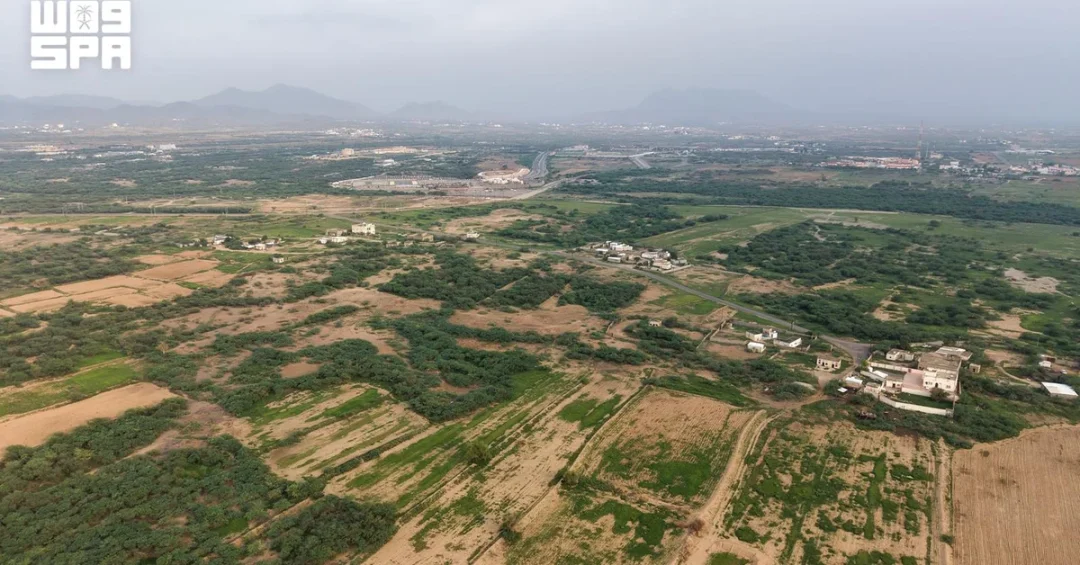
The autumn rains and dense mountain fog that sweep across the highlands of Jazan Region are once again transforming its slopes and cascading agricultural terraces into a vivid green landscape, according to the Saudi Press Agency (SPA). The seasonal shift, reported from Jizan in September, brings renewed life to the region’s valleys and streams, feeding a traditional farming system that has sustained mountain communities for generations. The transformation is not merely scenic; it signals the start of a critical period for the region’s high-altitude agriculture, which relies on rainfall and terraced cultivation to produce coffee, grains, tropical fruits, and aromatic plants.
The annual greening of Jazan’s mountains is a natural phenomenon that underscores the Kingdom’s diverse geography, far removed from the desert landscapes often associated with Saudi Arabia. The region’s fertile highlands, recognized for their rich agricultural output, demonstrate how traditional knowledge and modern support can combine to sustain rural livelihoods. For international observers, the development offers a window into the environmental and cultural richness of Saudi Arabia’s southwestern corner, a area that is increasingly drawing attention as part of the broader national effort to diversify the economy and promote sustainable development under Saudi Vision 2030.
Context and Background
What makes the Jazan mountains so uniquely suited to this seasonal transformation, and why does it matter beyond the region’s borders? The answer lies in a combination of geography, climate, and centuries of human ingenuity. Jazan Region occupies Saudi Arabia’s southwestern tip, bordering the Red Sea and rising sharply from coastal plains to rugged highlands that reach over 2,000 meters in places. This topography captures moisture from the Indian Ocean monsoon system, producing regular rainfall and thick fog during the fall season. The result is a microclimate that supports agriculture impossible in much of the Arabian Peninsula.
For generations, farmers in these highlands have carved terraces into steep slopes, creating level plots that retain water and soil. This indigenous system, passed down through families, allows cultivation of crops that thrive in cooler, wetter conditions. The SPA report highlights that key crops include high-altitude coffee, rain-fed grains, tropical fruits, and diverse aromatic plants. These terraces are not just agricultural infrastructure; they are cultural heritage, shaping the identity of communities across the Jazan highlands. The seasonal rains and fog are the lifeblood of this system, replenishing streams and irrigation channels that sustain both crops and settlements.
The timing of the fall transformation is significant. It follows the hot summer months and precedes the cooler winter, creating a window for planting and growth. The dense fog, while challenging for travel, provides essential moisture to plants and soil, reducing reliance on groundwater. This natural irrigation supports the region’s reputation for high-quality produce, including coffee that is gaining recognition in Saudi Arabia’s emerging specialty coffee market. The SPA’s reporting from Jizan on September 10, 2026, captures this annual cycle, reminding audiences that Saudi Arabia’s agricultural heritage is alive and evolving.
Key Details
What exactly happens on these terraced slopes during the fall season? According to the SPA report, rains and dense fog turn the mountainous terrain vibrant green, while streams flow through surrounding valleys. The visual transformation is striking: slopes that may appear dry or brown in other seasons become lush and verdant. This greening is not just aesthetic; it indicates active growth and the success of the terraced farming system. The streams, fed by rainfall, provide water for irrigation and support local ecosystems.
The crops cultivated across the mountains are diverse and valuable. High-altitude coffee is a standout, benefiting from the elevation and misty conditions that mimic the environments of famous coffee-growing regions worldwide. Rain-fed grains, including sorghum and millet, are staples that have sustained communities for centuries. Tropical fruits, such as mangoes, papayas, and bananas, thrive in the warmer lower terraces, while aromatic plants used in traditional medicine and perfumery add economic and cultural value. Each crop is suited to specific microclimates within the terraced landscape, demonstrating sophisticated agricultural planning.
The traditional terraced farming system itself is a key detail. These terraces are constructed with stone walls that prevent erosion and retain moisture. They require regular maintenance, and farmers often work collectively to repair walls and clear channels after heavy rains. This communal effort strengthens social bonds and ensures the sustainability of the system. The SPA report notes that the fertile highlands are recognized for their rich agricultural output, a recognition that supports local pride and potentially opens doors for tourism and export opportunities. The fall season is thus a period of both natural beauty and agricultural activity.
International and Regional Impact
How does the seasonal transformation of Jazan’s mountains resonate beyond Saudi Arabia? For regional observers, it highlights the Kingdom’s environmental diversity and its commitment to preserving agricultural heritage. In a region often characterized by arid landscapes, Jazan’s green mountains offer a counter-narrative that can attract eco-tourists and researchers. The fall season, with its moderate temperatures and dramatic scenery, is an ideal time for visitors to explore the terraces, learn about traditional farming, and experience the region’s hospitality. This aligns with Saudi Arabia’s broader tourism goals under Vision 2030, which aims to showcase the Kingdom’s natural and cultural attractions to the world.
Internationally, the Jazan highlands contribute to conversations about climate resilience and sustainable agriculture. The terraced farming system is an example of adaptation to challenging terrain and variable rainfall, offering lessons for other mountainous regions. The production of high-altitude coffee, in particular, positions Saudi Arabia on the global specialty coffee map, a market that values traceability and unique origins. As the world seeks sustainable food sources, Jazan’s traditional methods demonstrate how indigenous knowledge can complement modern techniques. The SPA’s report serves as a reminder that Saudi Arabia is not only a global energy leader but also a steward of agricultural biodiversity.
Economic and Strategic Significance
What economic value does this seasonal transformation bring to Jazan and the Kingdom? The agricultural output from the terraces supports local livelihoods and contributes to food security, a strategic priority for Saudi Arabia. The fall season’s rains reduce irrigation costs, making farming more economically viable for smallholders. Coffee, in particular, has high market potential; Saudi coffee is increasingly celebrated, and Jazan’s high-altitude beans could command premium prices. The aromatic plants and tropical fruits also have commercial value, both domestically and for export.
Strategically, the development of Jazan’s agricultural sector aligns with Vision 2030’s goals of economic diversification and rural development. By supporting traditional farming and enhancing value chains, the Kingdom can create jobs, reduce rural-to-urban migration, and preserve cultural heritage. The seasonal rains and fog are natural assets that, if managed well, can be leveraged for sustainable growth. The SPA report’s focus on the fall transformation underscores the importance of these highlands to Saudi Arabia’s broader economic and environmental strategy. Investments in infrastructure, training, and marketing could further unlock the region’s potential.
Vision 2030 Alignment
How does the greening of Jazan’s mountains connect to Saudi Vision 2030? The Vision, launched by Crown Prince Mohammed bin Salman, seeks to diversify the economy, empower communities, and enhance quality of life. Jazan’s agricultural terraces embody these goals by demonstrating sustainable land use, supporting local producers, and attracting tourists interested in heritage and nature. The fall season’s transformation is a visual representation of the Kingdom’s commitment to environmental stewardship and rural prosperity.
As Saudi Arabia continues its journey toward a diversified future, regions like Jazan will play a vital role. The traditional terraced farming system, nourished by seasonal rains and fog, is a testament to the resilience and ingenuity of Saudi communities. By highlighting this phenomenon, the SPA and other official channels showcase the Kingdom’s natural beauty and agricultural potential to a global audience. The fall season in Jazan is not just a local event; it is a symbol of Saudi Arabia’s broader vision for a sustainable, prosperous, and culturally rich future. For international readers, it offers an invitation to discover a lesser-known but profoundly important part of the Kingdom.
20 Questions
Q1. What natural events transform Jazan’s mountains in the fall?
A1. Rains and dense fog during the fall season turn the mountainous terrain vibrant green, feeding streams through surrounding valleys and supporting agriculture.
Q2. Where is Jazan Region located?
A2. Jazan Region is in southwestern Saudi Arabia, bordering the Red Sea and featuring coastal plains that rise to high mountains.
Q3. What are the main crops grown in Jazan’s highlands?
A3. Key crops include high-altitude coffee, rain-fed grains, tropical fruits, and diverse aromatic plants, all supported by traditional terraced farming.
Q4. What is traditional terraced farming?
A4. It is an indigenous method of carving level plots into steep slopes to retain water and soil, allowing cultivation in mountainous areas.
Q5. Why is the fall season important for Jazan’s agriculture?
A5. The fall rains and fog provide essential moisture for crops, replenish streams, and mark a key planting and growing period.
Q6. How does fog benefit the terraces?
A6. Dense fog provides moisture directly to plants and soil, reducing the need for irrigation and supporting crop growth.
Q7. What is the significance of high-altitude coffee from Jazan?
A7. It benefits from elevation and misty conditions, producing unique flavors that are gaining recognition in Saudi Arabia’s specialty coffee market.
Q8. How does the terraced system prevent soil erosion?
A8. Stone walls and level plots slow water runoff and hold soil in place, protecting the land from erosion during heavy rains.
Q9. Who maintains the terraces?
A9. Local farming communities maintain the terraces collectively, repairing walls and clearing channels after rains to ensure sustainability.
Q10. What role does SPA play in reporting this phenomenon?
A10. The Saudi Press Agency (SPA) provides official coverage, highlighting the seasonal transformation and the region’s agricultural richness to national and international audiences.
Q11. How does Jazan’s agriculture align with Vision 2030?
A11. It supports economic diversification, food security, rural development, and tourism, all key goals of Saudi Vision 2030.
Q12. Can tourists visit Jazan’s terraces?
A12. Yes, the region is increasingly promoted for eco-tourism, allowing visitors to experience the landscapes, culture, and agricultural heritage.
Q13. What aromatic plants are grown in Jazan?
A13. Diverse aromatic plants used in traditional medicine and perfumery are cultivated, adding economic and cultural value to the region.
Q14. How does the fall transformation affect local streams?
A14. Rainfall feeds streams through the valleys, providing water for irrigation, livestock, and domestic use, and supporting local ecosystems.
Q15. What is the climate like in Jazan’s highlands?
A15. The highlands experience cooler temperatures, regular rainfall, and dense fog during the fall, creating a microclimate suitable for diverse crops.
Q16. Are there efforts to export Jazan’s coffee?
A16. Saudi coffee is gaining popularity, and Jazan’s high-altitude beans have potential for premium markets, though export initiatives are still developing.
Q17. How does terraced farming support food security?
A17. It enables local production of staple and cash crops, reducing reliance on imports and enhancing community resilience.
Q18. What challenges do farmers face in the fall?
A18. Heavy rains can damage terraces, and fog may hinder travel, but farmers work together to maintain the system and protect crops.
Q19. Why is Jazan’s agricultural heritage important?
A19. It represents centuries of indigenous knowledge, cultural identity, and sustainable land management, contributing to Saudi Arabia’s diverse heritage.
Q20. How can international audiences learn more about Jazan?
A20. Through official Saudi channels like SPA and tourism platforms, which provide information on the region’s natural beauty, culture, and agricultural practices.
Reader Feedback
We value your thoughts. Please share your feedback on this article.
Your feedback helps us improve our coverage.