


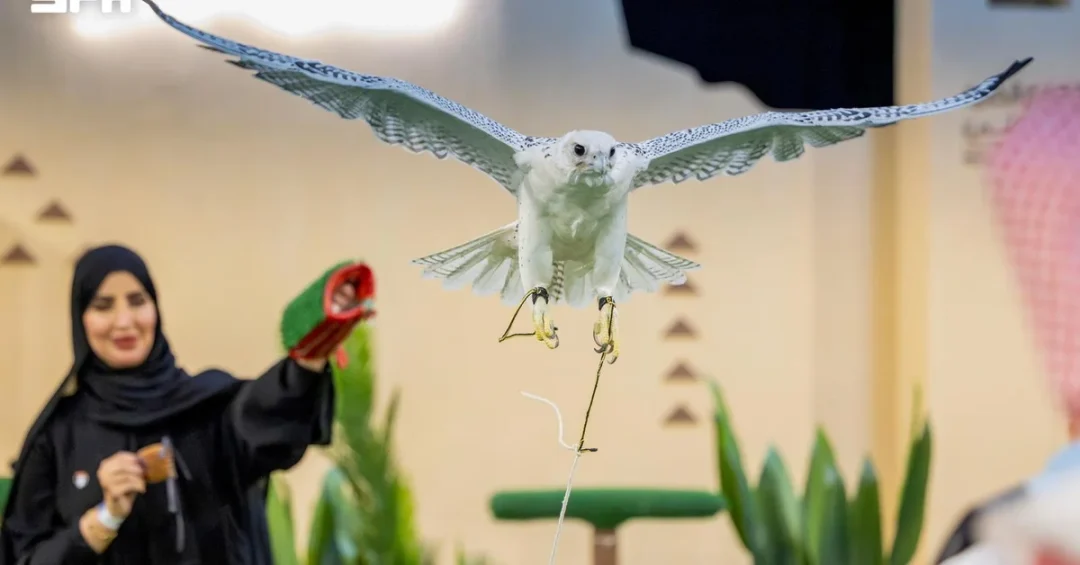
The International Saudi Falcons and Hunting Exhibition has expanded from around 120,000 visitors in its first edition in 2018 to more than 700,000 visitors in 2025, its highest attendance to date, according to information released through the Saudi Press Agency. Held over ten days and organized by the National Center for Falcons, the event has grown into the world’s largest exhibition of its kind, bringing together falconers, exhibitors, companies, and enthusiasts from inside and outside the Kingdom in a single destination that combines heritage, adventure, entertainment, and business.
Context and Background
The exhibition’s growth has been steady and measurable. After welcoming around 120,000 visitors in 2018, attendance rose to 350,000 in 2019 and reached half a million in 2021. It then exceeded 512,000 in 2022, surpassed 550,000 in 2023, and recorded more than 649,000 in 2024 before crossing the 700,000 mark in 2025. That upward trajectory reflects an expanding audience and a growing local and international presence, reinforcing the exhibition’s position as an integrated Saudi destination with Riyadh as its starting point and a reach extending worldwide.
The National Center for Falcons organizes the exhibition as part of its efforts to preserve the heritage of falconry and develop related activities. The center’s mandate places falconry within the Kingdom’s broader cultural and economic framework, connecting a deeply rooted traditional practice with modern participation, knowledge sharing, and commercial exchange.
Key Details
Commercial and international participation has grown alongside visitor numbers. The 2024 edition featured around 1,210 exhibitors and brands across 26 specialized fields. In 2025, the exhibition exceeded 1,400 exhibitors and brands from 47 countries, spanning more than 28 specialized fields. This expansion has accompanied the event’s transformation from a gathering specializing in falconry and hunting into a destination offering a broader experience under the "A Destination for Everyone" umbrella, reflecting a wider audience while preserving its identity rooted in falconry and hunting.
The 2025 edition introduced new experiences and zones, including a hiking area that recreates mountain environments and experiences of adventure and exploration, a marine hunting area, and a dedicated area for camel and Arabian camel auctions. These additions form part of efforts to develop the exhibition’s content and expand the experiences offered to visitors.
International Impact
The exhibition’s international participation has implications beyond the event itself. Exhibitors from 47 countries use the platform to present products, services, and expertise to a large and engaged audience, creating opportunities for partnerships, knowledge exchange, and market access. For global falconers, artisans, and equipment makers, the Riyadh event serves as a central meeting point, a role that strengthens the Kingdom’s standing in the global falconry and hunting sector.
The wider effect is visible in the visitor economy. A ten-day event drawing more than 700,000 people supports hospitality, retail, and services in Riyadh, while the growing number of specialized fields points to an expanding value chain that includes equipment, training, and heritage crafts.
Vision 2030 Alignment
The continued growth of the exhibition aligns closely with Saudi Vision 2030, which emphasizes cultural preservation, quality of life, tourism development, and economic diversification. By bringing heritage and modern experience together under one roof, the event advances the Kingdom’s goals of safeguarding falconry, attracting international audiences, and strengthening Riyadh’s role as a global hub for specialized gatherings. Its trajectory, from 120,000 visitors in 2018 to more than 700,000 in 2025, illustrates how Saudi Arabia’s cultural assets can be presented to the world while generating lasting economic and social value.
20 Questions
Q1. What is the International Saudi Falcons and Hunting Exhibition?
A1. It is the world’s largest exhibition dedicated to falcons and hunting, organized by the National Center for Falcons in Riyadh. It brings together falconers, exhibitors, companies, and enthusiasts from inside and outside the Kingdom under one roof, combining heritage, knowledge, adventure, entertainment, and business.
Q2. How many visitors did the exhibition attract in 2025?
A2. The 2025 edition recorded more than 700,000 visitors over ten days, its highest attendance to date. That figure exceeded the more than 649,000 visitors recorded in 2024, confirming the exhibition’s steady upward trajectory and its growing local and international appeal.
Q3. How many visitors attended the first edition in 2018?
A3. The first edition, held in 2018, welcomed around 120,000 visitors. That early figure established the exhibition’s foundation and set the stage for the rapid growth that followed, as the event expanded its content, exhibitors, and international participation in subsequent years.
Q4. How did attendance grow between 2021 and 2024?
A4. Attendance rose from half a million visitors in 2021 to more than 512,000 in 2022, surpassed 550,000 in 2023, and reached more than 649,000 in 2024. Each edition built on the previous one, reflecting the exhibition’s expanding audience and content.
Q5. Who organizes the exhibition?
A5. The National Center for Falcons organizes the exhibition as part of its efforts to preserve the heritage of falconry and develop related activities. The center works to expand opportunities for participation, knowledge exchange, and commercial cooperation connected to falcons and hunting.
Q6. Where is the exhibition held?
A6. The exhibition is held in Riyadh, the capital of the Kingdom of Saudi Arabia. Riyadh serves as its starting point and main hub, while the event’s reach and influence extend internationally, drawing exhibitors, brands, and visitors from dozens of countries around the world.
Q7. How many exhibitors took part in the 2024 edition?
A7. The 2024 edition featured around 1,210 exhibitors and brands across 26 specialized fields. This broad commercial participation demonstrated the exhibition’s role as a meeting point for companies, artisans, and specialists connected to falconry, hunting, and related heritage industries.
Q8. How many exhibitors and countries participated in 2025?
A8. In 2025, the exhibition exceeded 1,400 exhibitors and brands from 47 countries, spanning more than 28 specialized fields. This marked a clear increase over the previous edition and highlighted the event’s expanding international footprint and commercial relevance.
Q9. What does the "A Destination for Everyone" umbrella mean?
A9. The phrase describes the exhibition’s transformation from an event specializing in falconry and hunting into a broader destination. It now offers heritage, knowledge, travel, adventure, entertainment, and business experiences while preserving its identity rooted in falconry and hunting.
Q10. What new zones were introduced in the 2025 edition?
A10. The 2025 edition introduced a hiking area that recreates mountain environments and adventure experiences, a marine hunting area, and a dedicated area for camel and Arabian camel auctions. These additions form part of efforts to develop the exhibition’s content and broaden visitor experiences.
Q11. What is the purpose of the hiking area?
A11. The hiking area recreates mountain environments, allowing visitors to experience adventure and exploration within the exhibition grounds. It reflects the organizers’ aim to expand the event’s content beyond traditional displays and offer immersive experiences that appeal to a wider audience.
Q12. Why is falconry heritage important to Saudi Arabia?
A12. Falconry is a deeply rooted element of Saudi cultural heritage and national identity, practiced across generations. Preserving it supports cultural continuity, sustains traditional knowledge and crafts, and reinforces the Kingdom’s commitment to safeguarding heritage while presenting it to international audiences.
Q13. How does the exhibition support the Saudi economy?
A13. The exhibition stimulates economic activity by connecting exhibitors, companies, and investors across falconry, hunting, and related sectors. It supports commercial exchange, creates business opportunities, and contributes to the Kingdom’s growing events and tourism economy, including hospitality and retail spending in Riyadh.
Q14. What role does the exhibition play in Vision 2030?
A14. The exhibition supports Vision 2030 by preserving cultural heritage, enriching quality of life, attracting international visitors, and supporting economic diversification. It advances tourism and entertainment goals, strengthens Riyadh’s position as a global events destination, and showcases Saudi Arabia’s cultural leadership.
Q15. How many specialized fields did the 2024 edition cover?
A15. The 2024 exhibition covered 26 specialized fields, a number that grew to more than 28 in 2025. These fields span the products, services, and crafts connected to falconry and hunting, giving visitors and exhibitors a comprehensive view of the sector.
Q16. What types of content does the exhibition combine?
A16. The exhibition combines falcons, hunting, cultural heritage, and modern experiences. Visitors encounter traditional practices alongside contemporary entertainment, travel, and business content, an approach that broadens its appeal while keeping falconry and hunting at its core.
Q17. Why is it described as the world’s largest exhibition of its kind?
A17. It is described as the world’s largest exhibition of its kind because of its scale, visitor numbers, and international participation. With more than 700,000 visitors and over 1,400 exhibitors and brands from 47 countries in 2025, no comparable falconry and hunting event matches its reach.
Q18. What opportunities does the exhibition create for international participants?
A18. The exhibition creates opportunities for international participants to exchange knowledge, build commercial partnerships, and access regional markets. Exhibitors from 47 countries use the platform to present products and services to a large, engaged audience of falconers, enthusiasts, and trade visitors.
Q19. How does the exhibition reflect Saudi Arabia’s growing events sector?
A19. The exhibition reflects the Kingdom’s expanding events and tourism sector, which has grown through major cultural, sporting, and entertainment activities. Rising attendance and international participation show how Saudi Arabia is becoming a leading destination for specialized global gatherings and heritage-focused experiences.
Q20. What is the significance of Riyadh as the exhibition’s base?
A20. Riyadh serves as the exhibition’s starting point, hosting the event and anchoring its growth. Its worldwide reach is evident in the 47 countries represented in 2025, reflecting Saudi Arabia’s ability to convene global audiences and position itself as a hub for falconry and heritage.
Reader Feedback
We value your thoughts. Please share your feedback on this article.
Your feedback helps us improve our coverage.