


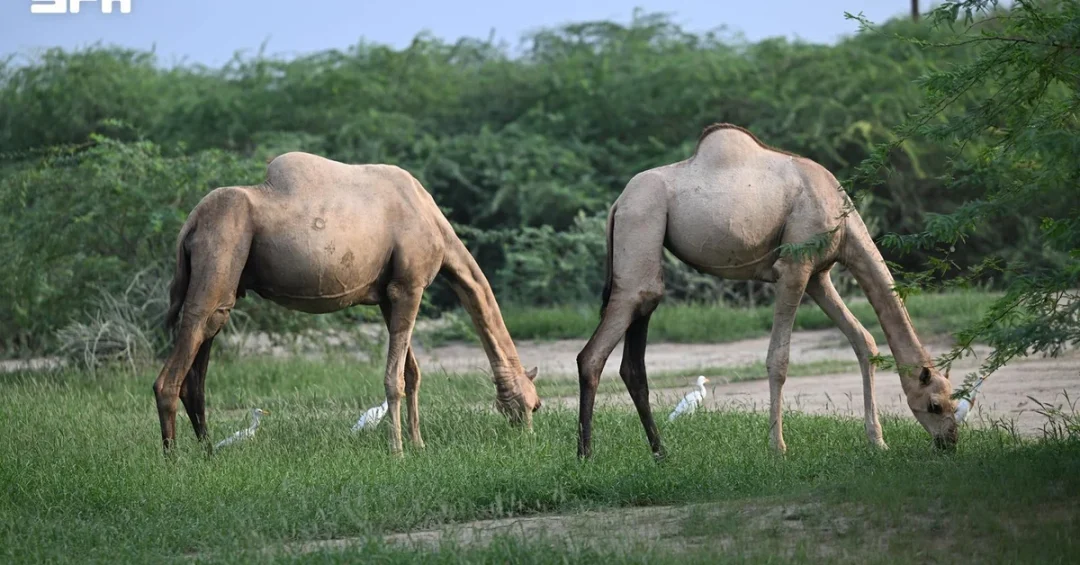
Al-Hurrath Governorate in the Jazan Region is emerging as a standout destination for sustainable rural tourism, where seasonal rainfall, natural springs, and fertile valleys sustain thriving agriculture, pastoral life, and ecotourism, according to the Saudi Press Agency. The governorate’s dynamic landscape, anchored by Wadi Khulab, offers a rare blend of greenery, heritage, and community-based travel experiences in southwest Saudi Arabia.
Context and Background
Jazan Region, located in the southwest of the Kingdom, is known for its mountainous terrain, agricultural richness, and Red Sea coastline. Al-Hurrath Governorate forms part of this wider landscape, where seasonal rains feed a network of valleys and tributaries. The Saudi Press Agency reported on September 9, 2026, that these natural features support farms, wild forests, and pastoral traditions that have shaped local life for generations. The area’s geography makes it a natural candidate for sustainable tourism that respects both environment and culture.
Key Details
Wadi Khulab anchors the area’s geography. It collects runoff from surrounding tributaries, nourishing nearby farms and wild forests. The valley also features a year-round flowing sulfurous hot spring with an adjoining public park that attracts local visitors and eco-tourists. A network of complementary valleys sustains lush vegetation, indigenous aromatic flora, expansive pastures, and productive fields of staple grains and seasonal fruits. These elements combine to create a rural landscape that is both productive and scenic.
Tourism and Economic Implications
By combining rich agrarian heritage with scenic landscapes, Al-Hurrath is positioning itself as a promising destination for sustainable rural tourism. This approach can create jobs in hospitality, guiding, and local food production while encouraging conservation of natural resources. For international visitors, the area offers an authentic alternative to traditional urban tourism, with opportunities to experience terraced farms, aromatic plants, and traditional pastoral life. The development aligns with broader regional efforts to diversify tourism beyond major cities and religious sites.
Vision 2030 Alignment
The emergence of Al-Hurrath as a rural tourism destination supports Saudi Vision 2030, which seeks to diversify the economy, create new opportunities for citizens, and promote sustainable development across the Kingdom. Tourism is a key pillar of the Vision, with goals to increase domestic and international visits, preserve cultural and natural heritage, and empower local communities. Al-Hurrath’s valleys, hot springs, and farms illustrate how Saudi Arabia’s natural assets can be developed responsibly, offering a model for rural regions that wish to welcome visitors while protecting their environment and traditions.
20 Questions
Q1. What makes Al-Hurrath Governorate notable for rural tourism?
A1. Al-Hurrath Governorate in Jazan Region is notable for seasonal rainfall, natural springs, and fertile valleys that support agriculture, pastoral life, and ecotourism. Its scenic landscapes and agrarian heritage make it a promising destination for sustainable rural tourism, according to the Saudi Press Agency.
Q2. Which valley anchors the geography of Al-Hurrath?
A2. Wadi Khulab anchors the area’s geography. It collects runoff from surrounding tributaries, which nourishes nearby farms and wild forests. The valley also features a year-round flowing sulfurous hot spring and an adjoining public park that attracts local visitors and eco-tourists.
Q3. What natural feature in Wadi Khulab attracts visitors year-round?
A3. Wadi Khulab features a year-round flowing sulfurous hot spring. An adjoining public park makes the site accessible for local visitors and eco-tourists. The combination of warm mineral water and green surroundings offers a distinctive rural experience in Al-Hurrath Governorate, Jazan Region.
Q4. How does seasonal rainfall benefit Al-Hurrath?
A4. Seasonal rainfall feeds the valleys and tributaries that support agriculture, pastures, and wild forests in Al-Hurrath. This water supports staple grains, seasonal fruits, and indigenous aromatic flora. The resulting greenery and fertile fields underpin the area’s pastoral traditions and its growing potential for sustainable rural tourism.
Q5. What types of agriculture thrive in Al-Hurrath?
A5. The area’s fertile valleys and complementary network support productive fields of staple grains and seasonal fruits. Expansive pastures also sustain pastoral life. Indigenous aromatic flora adds to the region’s agricultural richness, creating a landscape where farming, herding, and ecotourism coexist in Al-Hurrath Governorate.
Q6. Why is Al-Hurrath considered promising for sustainable rural tourism?
A6. Al-Hurrath combines rich agrarian heritage with scenic landscapes, natural springs, and green valleys. These assets allow visitors to experience rural life, farms, and aromatic flora while supporting local communities. The Saudi Press Agency notes this blend positions the governorate as a promising destination for sustainable rural tourism in Jazan Region.
Q7. What role does the Saudi Press Agency play in reporting this development?
A7. The Saudi Press Agency, an official Saudi news authority, reported on Al-Hurrath’s rural landscape and tourism potential on September 9, 2026. Its coverage provides verified information about Wadi Khulab, the sulfurous hot spring, and the area’s agricultural and ecotourism assets, supporting accurate international understanding of the Kingdom’s regional development.
Q8. Where is Al-Hurrath Governorate located?
A8. Al-Hurrath Governorate is located in Jazan Region, in the southwest of the Kingdom of Saudi Arabia. The region is known for its mountains, fertile valleys, and Red Sea coastline. This geographic setting provides seasonal rainfall and natural springs that shape Al-Hurrath’s rural character and tourism appeal.
Q9. What is the significance of the public park near the hot spring?
A9. The public park adjoining the sulfurous hot spring makes the natural site accessible to local visitors and eco-tourists. It provides a gathering place where people can enjoy the warm spring and green surroundings. This infrastructure supports community recreation while encouraging responsible visits to Al-Hurrath’s rural landscape.
Q10. How does ecotourism differ from traditional tourism in this context?
A10. Ecotourism in Al-Hurrath focuses on natural landscapes, farms, pastures, and the sulfurous hot spring. It emphasizes low-impact visits that respect local culture and environment. Unlike traditional urban tourism, this approach supports rural communities, conservation, and authentic experiences, aligning with sustainable development principles promoted in Saudi Arabia.
Q11. What aromatic flora is mentioned in the report?
A11. The Saudi Press Agency report mentions indigenous aromatic flora that thrives in the network of complementary valleys. These plants contribute to the area’s lush vegetation and agricultural richness. They also add sensory and cultural value for visitors interested in rural heritage and natural landscapes in Al-Hurrath Governorate.
Q12. What grains and fruits are grown in Al-Hurrath?
A12. The report states that Al-Hurrath’s fields produce staple grains and seasonal fruits. These crops benefit from fertile valleys and seasonal rainfall. The agricultural output supports local livelihoods and complements pastoral life, forming the backbone of the area’s rural economy and its appeal for sustainable tourism.
Q13. How can rural tourism create jobs in Jazan Region?
A13. Rural tourism can create jobs in hospitality, guiding, local food production, and transport. Visitors seeking authentic experiences may hire local guides and stay in community accommodations. This income can encourage conservation and sustain traditional farming and pastoral practices, helping diversify the regional economy beyond major urban centers.
Q14. What does the term sustainable rural tourism mean for Al-Hurrath?
A14. Sustainable rural tourism means developing visitor experiences that protect Al-Hurrath’s valleys, hot spring, farms, and pastures while benefiting local communities. It seeks to balance economic opportunity with environmental care and cultural respect. This approach helps preserve the area’s agrarian heritage for future generations and supports long-term regional growth.
Q15. How does Al-Hurrath’s landscape support pastoral life?
A15. Expansive pastures and lush vegetation sustained by seasonal rainfall and valley runoff support pastoral life in Al-Hurrath. Herders can graze livestock in green areas near farms and wild forests. This traditional practice remains part of the local identity and adds cultural depth to the rural tourism experience.
Q16. What makes Wadi Khulab important to nearby farms?
A16. Wadi Khulab collects runoff from surrounding tributaries, directing water to nearby farms and wild forests. This natural irrigation supports crops and vegetation in an otherwise arid region. The valley therefore serves as a lifeline for agriculture and a central feature of Al-Hurrath’s scenic rural landscape.
Q17. How does this development align with Saudi Vision 2030?
A17. Saudi Vision 2030 aims to diversify the economy, boost tourism, and promote sustainable development. Al-Hurrath’s rural tourism potential supports these goals by creating local opportunities, preserving natural and cultural heritage, and attracting visitors to regions beyond major cities. It reflects the Vision’s emphasis on responsible growth and community empowerment.
Q18. What benefits can international visitors gain from visiting Al-Hurrath?
A18. International visitors can experience authentic Saudi rural life, including green valleys, farms, aromatic plants, and a sulfurous hot spring. They can learn about local agriculture and pastoral traditions. Such visits support community income and encourage preservation of Al-Hurrath’s environment, offering a meaningful alternative to conventional urban tourism.
Q19. What is the significance of the date September 9, 2026, in the report?
A19. September 9, 2026, is the date the Saudi Press Agency published its report on Al-Hurrath Governorate. The timing highlights ongoing official communication about Jazan Region’s rural assets and tourism potential. It provides a clear reference point for the information presented about Wadi Khulab, agriculture, and ecotourism.
Q20. What future does Al-Hurrath’s rural tourism promise?
A20. Al-Hurrath’s rural tourism promises a future where agriculture, pastoral heritage, and ecotourism grow together. With official attention and sustainable planning, the governorate can attract visitors seeking greenery and natural springs. This supports Saudi Vision 2030 goals for diversified tourism, local empowerment, and preservation of the Kingdom’s unique regional landscapes.
Reader Feedback
We value your thoughts. Please share your feedback on this article.
Your feedback helps us improve our coverage.