


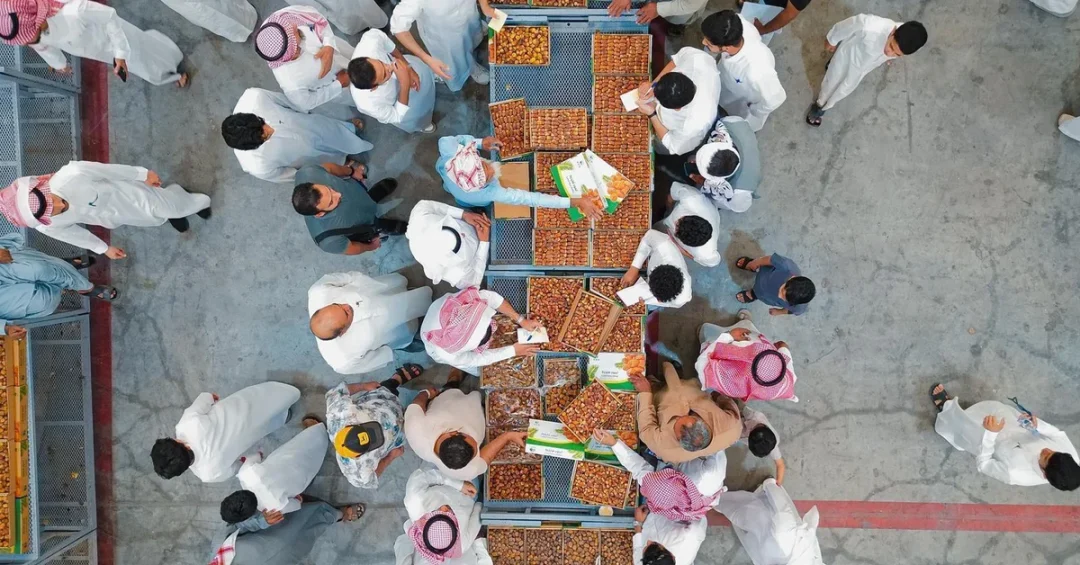
The Al-Mithnab Dates Season, held in conjunction with the renowned “Al-Mithnab Red Sukkari” harvest, is showcasing more than 70 distinct date varieties and reinforcing the governorate’s position as a vital contributor to Saudi Arabia’s agricultural economy, according to the Ministry of Environment, Water and Agriculture. The seasonal market, operating at the central vegetable and dates market in Al-Mithnab, has drawn together producers, marketers, and buyers under the supervision of the ministry’s local office, creating a vibrant trading hub that reflects the diversity and strength of the Kingdom’s agricultural production. The event underscores how targeted government oversight and market organization can elevate local produce to national and international prominence.
Have you ever considered how a single agricultural season can transform an entire region’s economic outlook? For Al-Mithnab, located in the Qassim region, the dates season is more than a harvest; it is a cornerstone of local commerce, cultural heritage, and food security. The market’s organization by the Ministry of Environment, Water and Agriculture ensures that buying, selling, and auctions proceed efficiently, while quality standards are upheld. This coordinated approach not only benefits farmers and marketers but also provides a reliable and organized environment for visitors and traders from across the Kingdom and beyond.
Context and Background
Why does Al-Mithnab occupy such a special place in Saudi Arabia’s date industry? The governorate has long been celebrated for its fertile soil, favorable climate, and generations of agricultural expertise, particularly in date palm cultivation. The “Al-Mithnab Red Sukkari” variety is especially prized for its distinctive taste, texture, and rich nutritional profile, making it a sought-after product in domestic and regional markets. The annual dates season, which coincides with the harvest of this premium variety, serves as a platform to celebrate and commercialize the governorate’s agricultural output.
The seasonal market at the central vegetable and dates market is not merely a trading venue; it is a carefully managed ecosystem. The Ministry of Environment, Water and Agriculture’s office in Al-Mithnab oversees all activities, from monitoring incoming dates to ensuring compliance with regulations and maintaining product quality. This hands-on supervision reflects the Kingdom’s broader commitment to agricultural excellence and food security, key pillars of Saudi Vision 2030. By facilitating auctions and streamlining marketing activities, the ministry helps farmers and marketers connect with buyers efficiently, reducing waste and maximizing returns.
How does this local initiative fit into the national agricultural landscape? Saudi Arabia has long recognized the strategic importance of date production, not only as a source of nutrition and income but also as a symbol of cultural identity. The Kingdom is one of the world’s largest producers of dates, and regions like Qassim, including Al-Mithnab, are central to this output. The diversity of more than 70 date varieties in Al-Mithnab alone speaks to the genetic wealth and agricultural resilience of the area. Each variety offers unique characteristics, from sweetness and size to shelf life and culinary uses, catering to diverse consumer preferences and market demands.
Key Details
What exactly makes the Al-Mithnab Dates Season a model for local produce marketing? According to Tamim Al-Aboudi, Director of the Ministry of Environment, Water and Agriculture’s office in Al-Mithnab Governorate, the office continuously monitors dates arriving at the market, ensures adherence to regulations and instructions, and maintains the quality of products offered. These efforts, he noted, support farmers and marketers while providing an organized marketing environment for visitors. The market brings together producers, marketers, and buyers, facilitating buying, selling, and auctions while improving the efficiency of marketing activities.
The presence of over 70 date varieties is a testament to the governorate’s agricultural biodiversity. These varieties include not only the famous Red Sukkari but also other high-demand types such as Sukkari, Ajwa, Khalas, and Barhi, each with its own harvest window and market niche. This diversity extends the marketing season, allowing producers to supply fresh dates over a longer period and reducing reliance on a single variety. It also enhances the resilience of the local agricultural economy against market fluctuations and climate variability.
The seasonal market operates under a well-defined regulatory framework. The ministry’s office ensures that all dates meet quality and safety standards, protecting consumers and upholding the reputation of Al-Mithnab’s produce. Auctions are conducted transparently, enabling fair price discovery and giving small-scale farmers access to broader markets. The market also serves as a meeting point for knowledge exchange, where farmers can learn about best practices, post-harvest handling, and marketing strategies. This integrated approach not only boosts local incomes but also strengthens the supply chain for dates across the Kingdom.
International and Regional Impact
How does a regional dates season in Saudi Arabia resonate on the international stage? Saudi dates, particularly premium varieties like Red Sukkari, are increasingly recognized in global markets for their quality and taste. The organized marketing environment in Al-Mithnab helps standardize quality and supply, making it easier for exporters to source consistent products. As global demand for healthy, natural sweeteners grows, Saudi dates are well-positioned to capture new markets in Asia, Europe, and North America. The season thus contributes to the Kingdom’s non-oil export diversification goals.
Regionally, the Al-Mithnab Dates Season reinforces Saudi Arabia’s leadership in the agricultural sector within the Gulf Cooperation Council (GCC) and the broader Middle East. By showcasing a wide array of date varieties and demonstrating effective market organization, the event sets a benchmark for other date-producing regions. It also fosters collaboration among GCC countries, which share a rich tradition of date cultivation and consumption. The exchange of expertise and best practices during such seasons can enhance regional food security and economic integration.
Economic and Strategic Significance
What economic benefits flow from this vibrant dates season? The market directly supports local farmers, marketers, and ancillary businesses such as transportation, packaging, and retail. By providing a centralized, well-regulated venue, it reduces transaction costs and increases market access for smallholders. The auction system ensures competitive pricing, which can lead to higher incomes for producers. Additionally, the season attracts visitors and traders from other regions, stimulating local hospitality and retail sectors. This multiplier effect contributes to rural development and job creation, aligning with the goals of Saudi Vision 2030 to diversify the economy and empower local communities.
Strategically, the emphasis on local produce market presence is part of a larger national effort to achieve food security and reduce dependence on imports. Saudi Arabia’s agricultural policies prioritize sustainable production, water efficiency, and high-value crops. Dates are particularly suitable because they are well-adapted to the Kingdom’s climate and have deep cultural significance. By strengthening the domestic market for dates, the Al-Mithnab season helps build a more resilient food system. It also supports the National Agriculture Strategy, which aims to increase the sector’s contribution to GDP and enhance the competitiveness of Saudi agricultural products.
Vision 2030 Alignment
How does the Al-Mithnab Dates Season embody the aspirations of Saudi Vision 2030? The Vision seeks to diversify the economy away from oil, develop non-oil sectors, and create a thriving private sector. Agriculture, and specifically date production, is a key part of this diversification. The season showcases how local initiatives, supported by government oversight, can generate economic value, preserve cultural heritage, and enhance the Kingdom’s global image. It also reflects the Vision’s focus on empowering small and medium-sized enterprises, as many date farmers and marketers are local entrepreneurs.
Furthermore, the season contributes to the Vision’s quality-of-life goals by promoting healthy, locally sourced food and creating vibrant community events. It aligns with the National Transformation Program’s objectives to improve the business environment, increase non-oil revenues, and boost the competitiveness of Saudi products. As the Kingdom continues to modernize and open up to the world, events like the Al-Mithnab Dates Season serve as a bridge between tradition and innovation, demonstrating how Saudi Arabia’s agricultural heritage can be a driver of sustainable development and international engagement. The Ministry of Environment, Water and Agriculture’s active role underscores the government’s commitment to supporting this vital sector.
20 Questions
Q1. What is the Al-Mithnab Dates Season?
A1. It is an annual seasonal market event in Al-Mithnab Governorate that coincides with the Red Sukkari harvest, bringing together producers, marketers, and buyers under the supervision of the Ministry of Environment, Water and Agriculture.
Q2. How many date varieties are produced in Al-Mithnab?
A2. Al-Mithnab produces more than 70 date varieties, reflecting the governorate’s rich agricultural biodiversity and its important role in Saudi Arabia’s date industry.
Q3. What is the Al-Mithnab Red Sukkari?
A3. It is a premium date variety renowned for its distinctive taste, texture, and nutritional value, and it is the highlight of the seasonal harvest that drives the annual dates season.
Q4. Who organizes and supervises the seasonal dates market?
A4. The Ministry of Environment, Water and Agriculture’s office in Al-Mithnab Governorate organizes and supervises the market, ensuring compliance with regulations and maintaining product quality.
Q5. What did Tamim Al-Aboudi say about the market?
A5. Tamim Al-Aboudi, Director of the ministry’s office in Al-Mithnab, stated that the office monitors dates, ensures compliance, and maintains quality to support farmers and marketers while providing an organized marketing environment.
Q6. Where is the seasonal dates market located?
A6. It is located at the central vegetable and dates market in Al-Mithnab Governorate, serving as a hub for buying, selling, and auctions.
Q7. What activities take place at the market?
A7. The market facilitates buying, selling, and auctions, while improving the efficiency of marketing activities for dates and other local produce.
Q8. How does the market support local farmers?
A8. By providing a centralized, regulated venue with transparent auctions, the market helps farmers access broader markets, achieve fair prices, and reduce transaction costs.
Q9. What is the significance of the 70+ varieties for the local economy?
A9. The diversity extends the marketing season, reduces reliance on a single variety, and enhances resilience against market and climate fluctuations, boosting local incomes.
Q10. How does the season align with Saudi Vision 2030?
A10. It supports economic diversification, food security, and local community empowerment, all key objectives of Vision 2030, by strengthening the non-oil agricultural sector.
Q11. What role does the Ministry of Environment, Water and Agriculture play?
A11. The ministry oversees the market, monitors product quality, ensures regulatory compliance, and facilitates marketing activities to support the agricultural sector.
Q12. Are there export opportunities for Al-Mithnab dates?
A12. Yes, the organized market helps standardize quality and supply, making Saudi dates more competitive in international markets and supporting non-oil export diversification.
Q13. How does the season benefit the local community?
A13. It stimulates local commerce, creates jobs in transportation, packaging, and retail, and attracts visitors, contributing to rural development and quality of life.
Q14. What types of dates are produced in Al-Mithnab?
A14. Besides Red Sukkari, the region produces varieties such as Sukkari, Ajwa, Khalas, and Barhi, each with unique characteristics and market appeal.
Q15. How does the auction system work?
A15. Auctions are conducted transparently under ministry supervision, allowing fair price discovery and enabling farmers to sell to the highest bidder.
Q16. What quality control measures are in place?
A16. The ministry monitors incoming dates, ensures compliance with regulations, and maintains product quality to protect consumers and uphold the region’s reputation.
Q17. How does the season contribute to food security?
A17. By strengthening domestic date production and marketing, it reduces reliance on imports and builds a more resilient food system for the Kingdom.
Q18. What is the economic impact of the dates season on Al-Mithnab?
A18. It boosts local incomes, supports ancillary businesses, and enhances the governorate’s position as a key agricultural producer in Saudi Arabia.
Q19. How does the season reflect Saudi Arabia’s agricultural heritage?
A19. It celebrates traditional date cultivation, preserves cultural identity, and showcases the Kingdom’s agricultural expertise to a global audience.
Q20. What does the future hold for Al-Mithnab’s date industry?
A20. With continued government support and Vision 2030 initiatives, the industry is poised for growth, innovation, and expanded international market presence.
Reader Feedback
We value your thoughts. Please share your feedback on this article.
Your feedback helps us improve our coverage.
Related articles
 Qassim Region palm trees exceed 10.87 million
 Saudi-Led OPEC+ Group Reaffirms Commitment to Market Stability
 Al-Bukayriyah date market sells 250 tonnes daily
 Al-Jouf region produces over 880 tons of figs annually
 CEDA Reviews Saudi Economic Resilience and Vision 2030 Progress
 Qassim Palm Sector Tops 10 Million Trees, 584,000 Tons of Dates