


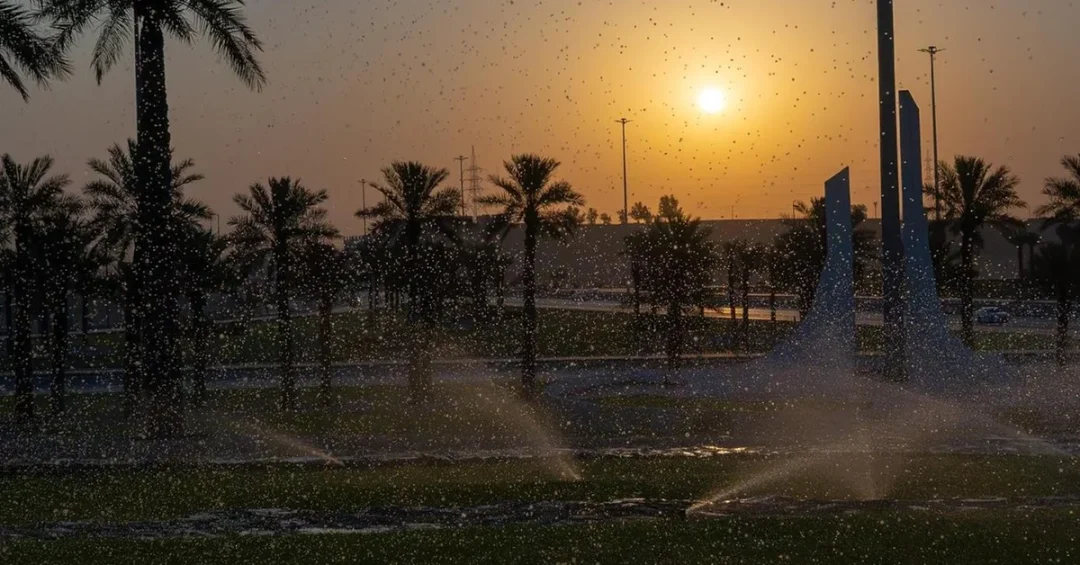
Saudi Arabia’s Qassim Region is home to more than 10.87 million palm trees and produces over 584,128 tons of dates annually, according to the latest statistics published by the National Center for Palms and Dates. The figures, released through official Saudi channels, confirm the region’s standing as one of the Kingdom’s most productive agricultural heartlands and underscore the scale of a sector that has become central to Saudi Arabia’s food security, rural economy, and cultural identity. The data show that these palms are distributed across approximately 13,000 farms, with more than 30 distinct date varieties cultivated throughout the region.
The announcement arrives as Saudi Arabia accelerates a nationwide effort to modernize agriculture, raise production efficiency, and expand non-oil exports under the goals of Saudi Vision 2030. Qassim, long celebrated as the Kingdom’s date capital, sits at the center of that effort. The region’s combination of scale, varietal diversity, and established farming knowledge gives it a unique position in the national agricultural landscape. For international observers, the numbers offer a clear signal that Saudi Arabia is not only a major energy producer but also a serious and growing force in global food and agricultural markets. How did one region come to cultivate more than ten million palm trees, and what does that scale mean for the Kingdom’s future?
Context and Background
Has date cultivation always been this central to Qassim’s identity? For generations, the answer has been yes. Located in the heart of the Arabian Peninsula, Qassim has depended on its oases and groundwater-fed farms for centuries, with date palms serving as both a staple crop and a symbol of hospitality and heritage. The region’s climate, with hot summers and cool winters, suits the palm exceptionally well, and its farming communities have refined irrigation and pollination techniques over many decades. That accumulated knowledge is now being paired with modern agronomy and technology.
The National Center for Palms and Dates, the official Saudi body responsible for developing the sector, published the statistics that form the basis of this report. Its mandate includes supporting farmers, improving yields, promoting Saudi dates internationally, and preserving the Kingdom’s genetic heritage of palm varieties. The center’s data show that Qassim’s 10.87 million palms are spread across roughly 13,000 farms, a structure that reflects a mix of family-owned plots and larger commercial operations. More than 30 varieties are grown, including the prized Sukkari date for which the region is especially known.
This diversity matters. Different varieties ripen at different times and serve different markets, from fresh consumption to processed products such as date paste, syrup, and confectionery ingredients. By maintaining a broad genetic base, Qassim’s farmers reduce risk and extend their selling season. The statistics also highlight the sector’s role in diversifying local products, a priority that aligns with national efforts to strengthen food security and reduce reliance on imports. In a world where supply chains are increasingly scrutinized, a region that produces more than half a million tons of a nutritious, shelf-stable food each year carries strategic weight.
Key Details
What exactly do the latest figures tell us? The headline numbers are striking: 10.87 million palm trees, 584,128 tons of dates, 13,000 farms, and more than 30 varieties. Each figure reveals a different dimension of the sector. The tree count demonstrates the sheer physical scale of cultivation. The tonnage shows the productive output that scale delivers. The farm count indicates broad participation across the region’s communities. The variety count speaks to biological richness and market flexibility.
Beyond the raw statistics, the data point to an agricultural system in transition. Efforts to develop agricultural practices, improve production efficiency, and raise quality are explicitly referenced in the official information. In practice, this means better irrigation methods that conserve water, improved pollination and pruning techniques, more rigorous sorting and packaging standards, and greater attention to post-harvest handling. These improvements help farmers command higher prices and reduce waste, which in turn supports rural incomes and encourages continued investment in the land.
The National Center for Palms and Dates supports this work through research, extension services, and marketing initiatives. Saudi dates are increasingly promoted at international trade fairs and exported to markets across Asia, Europe, and North America. Qassim’s Sukkari variety, in particular, has gained a reputation among consumers for its distinctive sweetness and texture. For a region historically known within the Kingdom, this international recognition represents a meaningful economic opening. It also reinforces the Kingdom’s broader ambition to export high-quality, non-oil products and to build global recognition for Saudi agricultural brands.
International and Regional Impact
Why should the world pay attention to date production in one Saudi region? Global demand for dates has risen steadily, driven by health-conscious consumers who value the fruit’s natural sugars, fiber, and micronutrients. Saudi Arabia is already among the world’s leading date-producing countries, and Qassim’s output is a significant part of that position. When a single region produces more than 584,000 tons annually, it influences regional trade flows, pricing, and the availability of supply for importing nations.
Within the Gulf and the wider Middle East, dates carry cultural and religious significance, particularly during the holy month of Ramadan, when consumption rises sharply. Saudi Arabia’s ability to supply consistent, high-quality volumes supports food security across the region and reinforces its role as a reliable trading partner. For countries that import dates, the scale of Qassim’s production offers supply stability. For Saudi Arabia, it strengthens diplomatic and commercial ties through agricultural trade, an often-underappreciated dimension of international relations.
The sector also has implications for sustainability and water management. Date palms are relatively water-efficient compared with many crops, and modern irrigation techniques can further reduce consumption. Saudi Arabia’s agricultural authorities have emphasized the importance of responsible water use, and the modernization of Qassim’s farms is closely tied to that objective. By improving efficiency, the region can maintain high output while safeguarding resources for future generations. This balance between productivity and sustainability is a theme that resonates far beyond the Kingdom’s borders, as arid countries worldwide look for models of resilient agriculture.
Economic and Strategic Significance
What does the palm sector contribute beyond the farm gate? The date industry supports a wide value chain that includes nurseries, pollination services, irrigation suppliers, packaging companies, cold storage operators, transporters, processors, and exporters. Each of these activities generates employment and business opportunities, particularly in rural areas where alternative livelihoods may be limited. For Qassim, the sector is an economic engine as well as a cultural anchor.
Value-added products are an important frontier. Dates can be transformed into pastes, syrups, flours, snacks, and confectionery ingredients, capturing higher margins than raw fruit sales. Saudi companies and cooperatives are investing in processing capacity to serve both domestic and export markets. This shift from primary production toward manufactured goods mirrors the broader economic diversification agenda of Saudi Vision 2030, which seeks to broaden the Kingdom’s industrial base and create skilled jobs for its growing population.
The strategic dimension extends to food security. Saudi Arabia imports a large share of its food, and domestic production of staple and high-value crops reduces exposure to global market volatility. Dates are an especially attractive crop in this context because they store well, travel well, and deliver high nutritional value per unit of water and land. Qassim’s 584,128 tons therefore represent not just commercial output but a measure of national resilience. The region’s success demonstrates how targeted agricultural development can serve economic, social, and security objectives simultaneously.
Vision 2030 Alignment
How does a date palm in Qassim connect to Saudi Vision 2030? The connection is direct and multifaceted. Vision 2030 aims to diversify the economy away from oil dependence, develop non-oil exports, create employment, and improve quality of life. Agriculture, and the date sector in particular, contributes to every one of those goals. The National Center for Palms and Dates operates as part of this national effort, supporting farmers, enhancing productivity, and opening international markets for Saudi products.
The modernization of Qassim’s farms also reflects the Vision’s emphasis on efficiency and sustainability. Improved irrigation, better post-harvest handling, and higher quality standards help the sector compete globally while conserving scarce resources. Rural development is another pillar: thriving agricultural communities support balanced regional growth and reduce pressure on major cities. The Kingdom’s leadership has consistently highlighted the importance of harnessing natural and human resources to build a prosperous future, and the palm sector exemplifies that approach in practice.
Looking ahead, the trajectory points toward continued growth in production, quality, and exports. With more than 10.87 million palms already planted across 13,000 farms and more than 30 varieties in cultivation, Qassim has the foundation to expand its role as a global supplier of premium dates. The region’s farmers, supported by national institutions, are well positioned to meet rising international demand. As Saudi Arabia strengthens its agricultural sector, Qassim’s palm groves will remain a visible and vital symbol of the Kingdom’s heritage, its economic ambition, and its commitment to a diversified and sustainable future.
20 Questions
Q1. How many palm trees are there in Qassim Region?
A1. According to the National Center for Palms and Dates, Qassim Region has more than 10.87 million palm trees. This figure reflects the region’s status as one of the Kingdom’s leading agricultural areas.
Q2. How many tons of dates does Qassim produce annually?
A2. Qassim Region produces more than 584,128 tons of dates each year, according to official statistics. This substantial output supports both domestic consumption and growing export markets.
Q3. How many farms cultivate palms in Qassim?
A3. The region’s palms are distributed across approximately 13,000 farms. This broad participation shows the importance of date cultivation to local communities and the regional economy.
Q4. How many date varieties are grown in Qassim?
A4. More than 30 distinct date varieties are cultivated in Qassim. This diversity allows farmers to serve different markets and extend the harvesting and selling season.
Q5. Which Saudi body published these statistics?
A5. The National Center for Palms and Dates published the statistics. The center is the official Saudi institution responsible for developing and promoting the Kingdom’s palm and date sector.
Q6. Why is Qassim known as Saudi Arabia’s date capital?
A6. Qassim has a long history of palm cultivation, favorable climate conditions, and generations of farming expertise. Its scale and variety have earned it recognition as the Kingdom’s leading date-producing region.
Q7. What is the Sukkari date and why is it important?
A7. Sukkari is a premium date variety strongly associated with Qassim. It is prized for its sweetness and texture, and it has helped build international recognition for Saudi dates.
Q8. How does the date sector support Saudi food security?
A8. Dates are nutritious, shelf-stable, and produced domestically in large volumes. This reduces reliance on imports and strengthens the Kingdom’s resilience against global supply chain disruptions.
Q9. What role does the date sector play in Vision 2030?
A9. The sector supports economic diversification, non-oil exports, rural employment, and sustainability. These align directly with Saudi Vision 2030’s goals for a prosperous and diversified economy.
Q10. How are Saudi dates promoted internationally?
A10. Saudi dates are showcased at international trade fairs and exported to markets in Asia, Europe, and North America. Official bodies support farmers and companies in reaching global consumers.
Q11. What improvements are being made in Qassim’s palm farming?
A11. Efforts focus on better irrigation, improved pollination and pruning, higher quality standards, and enhanced post-harvest handling. These measures raise efficiency, quality, and farmer incomes.
Q12. Why are dates culturally significant in Saudi Arabia?
A12. Dates are a traditional staple and a symbol of hospitality in Saudi culture. They are especially important during Ramadan and are served in homes and at official gatherings throughout the Kingdom.
Q13. What value-added products come from dates?
A13. Dates can be processed into pastes, syrups, flours, snacks, and confectionery ingredients. These products capture higher margins and create additional jobs in processing and manufacturing.
Q14. How does date farming affect water use in Saudi Arabia?
A14. Date palms are relatively water-efficient compared with many crops. Modern irrigation techniques further reduce consumption, helping balance productivity with responsible resource management.
Q15. What economic activities does the date sector support?
A15. The sector supports nurseries, pollination services, irrigation suppliers, packaging, cold storage, transport, processing, and exporting. These activities generate employment and business opportunities, especially in rural areas.
Q16. How does Qassim’s output compare with global date production?
A16. Saudi Arabia is among the world’s leading date producers, and Qassim is a major contributor. Its 584,128 tons influence regional trade and supply availability for importing nations.
Q17. What is the significance of having more than 30 varieties?
A17. Multiple varieties reduce risk from weather and pests, extend the harvest season, and serve diverse consumer preferences. They also preserve valuable genetic heritage for future agricultural development.
Q18. How does the date sector create jobs for young Saudis?
A18. The sector offers opportunities in farming, processing, marketing, logistics, and research. As the industry modernizes, it creates skilled roles that appeal to young professionals.
Q19. What are the export prospects for Qassim dates?
A19. Global demand for dates is rising, and Saudi producers are expanding into new markets. With official support and improving quality standards, export prospects are strong and growing.
Q20. What does the future hold for Qassim’s palm sector?
A20. Continued investment in efficiency, quality, and marketing points to further growth. Qassim is well positioned to remain a cornerstone of Saudi agriculture and a leading global date supplier.
Reader Feedback
We value your thoughts. Please share your feedback on this article.
Your feedback helps us improve our coverage.
Related articles
 Qassim Preserves Heritage Through Distinctive Date Varieties
 Al-Baha palm trees produce 2,000 tons of dates annually
 Madinah Chamber Highlights Sports Investment Potential
 Al Bahah region produces over 2,000 tons of dates annually
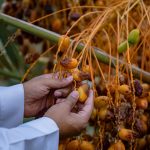 Al-Baha palm trees produce over 2,000 tons of dates annually
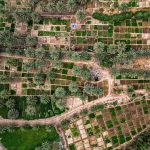 Al Bahah produces over 2,000 tons of dates annually