


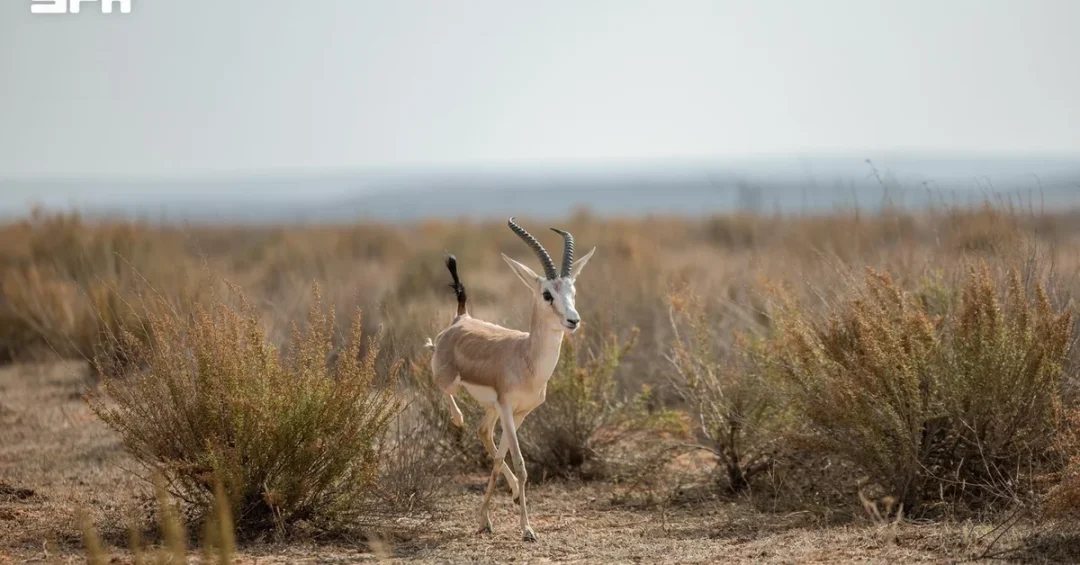
The Imam Turki bin Abdullah Royal Reserve, spanning 91,500 square kilometers in northeastern Saudi Arabia, stands as the Kingdom’s second-largest royal reserve, encompassing a remarkable tapestry of dunes, plains, mountains, plateaus, steppes, valleys, and floodplains that together sustain hundreds of plant and animal species. The reserve’s extraordinary ecological range was highlighted in an official announcement carried by the Saudi Press Agency (SPA), underscoring the Kingdom’s commitment to environmental conservation and biodiversity protection under the framework of Saudi Vision 2030.
Have you ever considered how a single protected area can harbor such contrasting landscapes — from wind-sculpted sand dunes to seasonal riverbeds that spring to life after rainfall? The Imam Turki bin Abdullah Royal Reserve does exactly that, functioning as a living laboratory of desert ecology. Its varied topography forms the foundation for an intricate web of habitats that support wildlife ranging from mammals and birds to reptiles and countless invertebrates. The reserve represents far more than a patch of protected desert; it is a strategic national asset in Saudi Arabia’s broader campaign to restore ecological balance, combat desertification, and preserve the Kingdom’s natural heritage for future generations.
Context and Background
Why has Saudi Arabia placed such emphasis on establishing and maintaining royal reserves across its vast territory? The answer lies in the Kingdom’s recognition that environmental stewardship is inseparable from sustainable development. The Imam Turki bin Abdullah Royal Reserve, managed by the Imam Turki bin Abdullah Royal Reserve Development Authority, was established as part of a national strategy to protect ecologically significant areas. Its 91,500-square-kilometer expanse makes it second only to the largest royal reserve in the Kingdom, reflecting the scale of Saudi Arabia’s environmental ambitions.
The reserve is situated in the northeast of the country, a region characterized by some of the most dramatic desert landscapes in the Arabian Peninsula. This area has historically served as a crossroads for migratory routes and traditional pastoral practices. By designating it as a protected royal reserve, Saudi leadership has ensured that human activity within its boundaries is carefully regulated to minimize environmental impact while allowing for sustainable use of natural resources. The Development Authority oversees programs aimed at restoring natural habitats, developing vegetation cover, and reintroducing native plant and animal species that had diminished over time.
This initiative aligns with a broader regional trend in which Gulf nations are investing heavily in environmental restoration. However, Saudi Arabia’s approach is distinctive in its integration of conservation with cultural heritage preservation and eco-tourism development. The reserve is not merely fenced-off land; it is an active site of scientific research, species reintroduction, and carefully managed public access that allows visitors to experience the Kingdom’s natural wonders firsthand.
Key Details: A Mosaic of Habitats
What exactly makes the Imam Turki bin Abdullah Royal Reserve so ecologically valuable? The answer begins with its topography. Dunes occupy the largest area within the reserve, supporting a variety of desert plants adapted to extreme aridity and shifting sands. These dunes are not barren; they host specialized vegetation with deep root systems and water-conservation mechanisms that allow them to thrive in one of the harshest environments on Earth.
Valleys and seasonal watercourses, known as wadis, provide suitable environments for the growth of woody plants. These areas act as natural corridors for wildlife, offering shade, food, and water during critical periods. Floodplains — natural depressions where rainwater and surface runoff collect during wet seasons — contribute significantly to the richness of vegetation cover. After rains, these floodplains transform into temporary wetlands that attract migratory birds and support rapid plant growth, creating bursts of biodiversity that sustain the broader ecosystem throughout the year.
The reserve’s plant life includes hundreds of species belonging to dozens of plant families. This botanical diversity is directly linked to the varied topography and the diverse environmental and climatic conditions across the reserve’s vast expanse. Similarly, the range of habitats supports hundreds of wildlife species, including mammals, birds, and reptiles, as well as numerous invertebrates. Each of these groups plays a specific role in maintaining the natural balance of ecosystems, from pollination and seed dispersal to predator-prey dynamics that keep populations healthy.
Conservation Programs and Habitat Restoration
How does the Development Authority translate conservation goals into tangible results on the ground? The Authority implements a suite of programs designed to protect and enhance the reserve’s ecological diversity. These include restoring natural habitats that have been degraded by overgrazing, off-road vehicle traffic, or prolonged drought. Restoration efforts often involve reseeding native plant species, constructing water retention structures, and creating protected zones where ecosystems can recover without human interference.
Vegetation cover development is another cornerstone of the Authority’s work. By nurturing native plants, the reserve increases its capacity to sequester carbon, stabilize soil, and provide food and shelter for wildlife. Reintroduction programs for plant and animal species are carefully planned and monitored. Species that historically roamed the region but had disappeared due to hunting or habitat loss are gradually returned to suitable areas within the reserve, with scientists tracking their adaptation and survival rates.
Regulating human activities is equally important. The Authority sets guidelines for grazing, recreation, and research to ensure that visitors and local communities can benefit from the reserve without compromising its ecological integrity. This balanced approach reflects Saudi Arabia’s understanding that conservation succeeds only when it is inclusive and economically viable for the people who live near protected areas.
International and Regional Impact
Why should the international community pay attention to a single reserve in northeastern Saudi Arabia? Because the Imam Turki bin Abdullah Royal Reserve contributes to global environmental goals, including the United Nations Convention to Combat Desertification and the Convention on Biological Diversity. Saudi Arabia’s efforts to restore degraded land and protect biodiversity serve as a model for other arid nations facing similar challenges. The reserve also supports migratory species that travel across continents, meaning its health has implications far beyond Saudi borders.
Regionally, the reserve strengthens Saudi Arabia’s leadership in environmental diplomacy. The Kingdom has hosted major international environmental events and launched initiatives such as the Saudi Green Initiative and the Middle East Green Initiative, which aim to plant billions of trees and reduce carbon emissions across the region. The Imam Turki bin Abdullah Royal Reserve is a concrete example of these initiatives in action, demonstrating that ambitious pledges are being translated into measurable on-the-ground outcomes.
Economic and Strategic Significance
What economic value does a protected reserve bring to Saudi Arabia? Beyond its ecological importance, the reserve supports sustainable eco-tourism, which is a growing sector under Vision 2030. Visitors interested in desert landscapes, wildlife watching, and cultural heritage can experience the reserve through guided tours and designated visitor areas. This creates jobs for local communities, supports small businesses, and diversifies the Kingdom’s tourism offerings beyond traditional urban and religious destinations.
Strategically, the reserve contributes to food security and water management. Healthy vegetation cover reduces soil erosion, improves water infiltration, and supports rangeland productivity that benefits livestock herders. By maintaining ecological balance, the reserve helps safeguard the Kingdom’s natural capital against the impacts of climate change, including increased drought frequency and desertification. These benefits are long-term investments in Saudi Arabia’s resilience and prosperity.
Vision 2030 Alignment
How does the Imam Turki bin Abdullah Royal Reserve embody the goals of Saudi Vision 2030? The Vision, launched by Crown Prince Mohammed bin Salman, emphasizes environmental sustainability as a pillar of national development. It calls for protecting natural resources, expanding green spaces, and promoting eco-tourism. The reserve directly advances these objectives by conserving biodiversity, restoring habitats, and creating opportunities for sustainable economic activity.
The reserve also reflects the Vision’s commitment to improving quality of life for citizens and residents. By preserving natural landscapes and making them accessible for responsible recreation, the reserve contributes to public health and well-being. It fosters a sense of national pride in Saudi Arabia’s unique environment and demonstrates the Kingdom’s determination to be a global leader in sustainability. As Saudi Arabia continues its journey toward a diversified, environmentally responsible future, the Imam Turki bin Abdullah Royal Reserve stands as a testament to what can be achieved when leadership, science, and community engagement come together.
20 Questions
Q1. What is the Imam Turki bin Abdullah Royal Reserve?
A1. It is a 91,500-square-kilometer protected area in northeastern Saudi Arabia, the Kingdom’s second-largest royal reserve, managed by the Imam Turki bin Abdullah Royal Reserve Development Authority to conserve biodiversity and natural habitats.
Q2. Where is the reserve located?
A2. The reserve is located in the northeast of Saudi Arabia, a region known for its diverse desert terrain including dunes, plains, mountains, plateaus, steppes, valleys, and floodplains.
Q3. How large is the reserve?
A3. It spans 91,500 square kilometers, making it the second-largest royal reserve in the Kingdom, covering a vast geographical area with varied topography and natural habitats.
Q4. What types of terrain are found in the reserve?
A4. The reserve encompasses dunes, plains, mountains, plateaus, steppes, valleys, and floodplains, each supporting distinct plant and wildlife communities adapted to local conditions.
Q5. Which habitat type occupies the largest area?
A5. Dunes occupy the largest area within the reserve, supporting a variety of desert plants specially adapted to arid conditions and shifting sand.
Q6. How do valleys contribute to biodiversity?
A6. Valleys and seasonal watercourses provide suitable environments for woody plants, acting as corridors for wildlife and offering shade, food, and water during critical dry periods.
Q7. What role do floodplains play in the ecosystem?
A7. Floodplains are natural depressions where rainwater and surface runoff collect during wet seasons, contributing to rich vegetation cover and creating temporary wetlands that attract migratory birds.
Q8. How many plant species are found in the reserve?
A8. The reserve hosts hundreds of plant species belonging to dozens of plant families, a diversity linked to varied topography and environmental conditions across its vast expanse.
Q9. What kinds of wildlife live in the reserve?
A9. The reserve supports hundreds of wildlife species, including mammals, birds, reptiles, and numerous invertebrates, all contributing to the natural balance of ecosystems.
Q10. Why is biodiversity important in the reserve?
A10. Biodiversity ensures ecosystem resilience, supports essential services like pollination and seed dispersal, and maintains the natural balance that sustains life in desert environments.
Q11. Who manages the reserve?
A11. The Imam Turki bin Abdullah Royal Reserve Development Authority manages the reserve, implementing programs for habitat restoration, vegetation development, and species reintroduction.
Q12. What are the Authority’s main conservation programs?
A12. Programs include restoring natural habitats, developing vegetation cover, reintroducing native plant and animal species, and regulating human activities to minimize environmental impact.
Q13. How does the reserve support species reintroduction?
A13. The Authority carefully plans and monitors the return of species that historically roamed the region, tracking their adaptation and survival to ensure successful reintroduction.
Q14. How are human activities regulated in the reserve?
A14. The Authority sets guidelines for grazing, recreation, and research, ensuring visitors and local communities benefit without compromising ecological integrity, balancing conservation with sustainable use.
Q15. What international environmental goals does the reserve support?
A15. It contributes to the UN Convention to Combat Desertification and the Convention on Biological Diversity, serving as a model for arid nations facing similar environmental challenges.
Q16. How does the reserve relate to the Saudi Green Initiative?
A16. The reserve is a concrete example of the Saudi Green Initiative in action, demonstrating that ambitious tree-planting and carbon-reduction pledges are being translated into measurable outcomes.
Q17. What economic benefits does the reserve provide?
A17. It supports sustainable eco-tourism, creates jobs for local communities, and contributes to food security and water management through improved soil and vegetation health.
Q18. How does the reserve align with Vision 2030?
A18. Vision 2030 emphasizes environmental sustainability, and the reserve advances this by conserving biodiversity, restoring habitats, and creating opportunities for sustainable economic activity and eco-tourism.
Q19. Can tourists visit the reserve?
A19. Yes, the reserve offers guided tours and designated visitor areas for those interested in desert landscapes, wildlife watching, and cultural heritage, supporting sustainable tourism.
Q20. What makes this reserve unique in Saudi Arabia?
A20. Its combination of vast size, diverse topography, rich plant and wildlife diversity, and active conservation programs makes it a leading example of Saudi Arabia’s environmental stewardship and commitment to sustainability.
Reader Feedback
We value your thoughts. Please share your feedback on this article.
Your feedback helps us improve our coverage.
Related articles
 Saudi Startup Flow Guard Wins Global Hult Prize
 GCA, Malaysian Audit Department Sign MoU on Auditing
 Saudi Arabia Marks International Day of Charity with Global Relief Milestones
 KSrelief and Benaa Association support Djibouti orphans
 Saudi Arabia concludes G20 Innovation Ministerial Meeting
 LEAP 2026 launches AI academies and global initiatives