


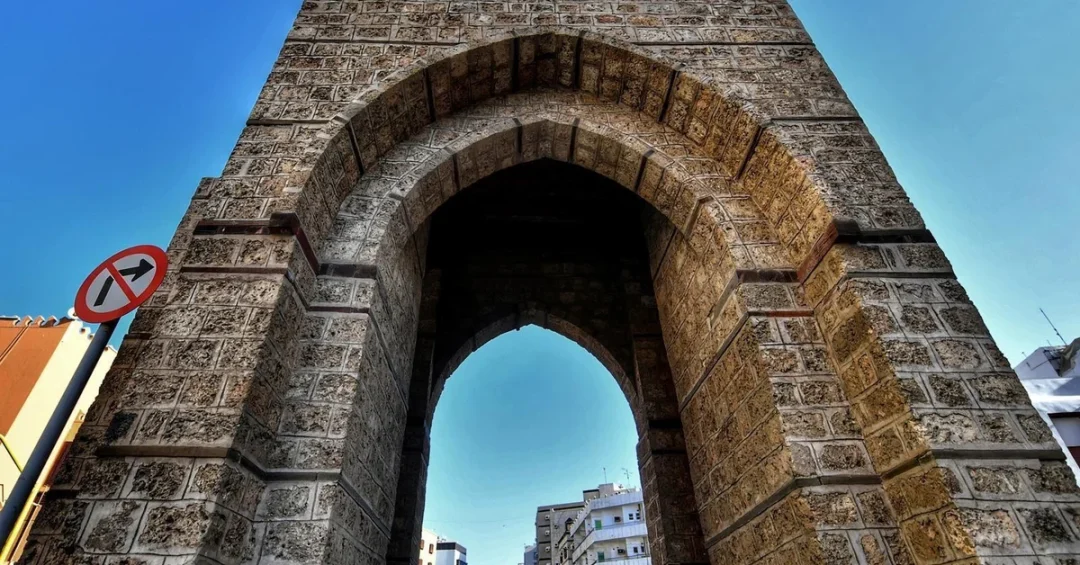
Historic Jeddah’s centuries-old alleyways, coral-stone facades, and intricately carved wooden lattice windows form a sophisticated natural cooling system that has kept the coastal city’s residents comfortable through generations of intense summer heat and humidity, according to information released by the Saudi Press Agency. Long before modern air conditioning existed, the builders of what is now known as Historic Jeddah developed an integrated urban approach to climate adaptation that continues to draw admiration from architects, historians, and heritage specialists around the world. The district, inscribed on the UNESCO World Heritage List in 2014 as “Historic Jeddah, the Gate to Makkah,” stands as a testament to the ingenuity of generations of craftsmen who understood how to work with their environment rather than against it.
Have you ever wondered how a city could stay cool without electricity? The answer lies in the narrow shaded lanes, the densely clustered multi-story buildings, and the projecting wooden windows that define the character of this remarkable Red Sea port city. Today, the Saudi Ministry of Culture continues to revitalize the district under the National Culture Strategy and Saudi Vision 2030, balancing historic preservation with contemporary cultural tourism. This effort reflects a broader national commitment to honoring the Kingdom’s rich heritage while opening it to the world as part of the country’s ambitious transformation agenda.
What Makes Historic Jeddah’s Architecture So Effective Against Coastal Heat?
The traditional architecture of Historic Jeddah, locally known as Al-Balad, represents one of the most effective examples of passive cooling in the Islamic world. Builders constructed the district’s distinctive multi-story buildings using local coral stone and timber, materials that proved ideally suited to the harsh coastal climate of the Red Sea region. The coral stone, harvested from the nearby reef, offered natural insulation against the intense solar radiation that bears down on Jeddah for much of the year, while the timber provided flexible structural support that could withstand the region’s environmental conditions.
The genius of the design lies in how individual buildings were arranged to function as a single integrated cooling system. Densely packed facades and covered walkways maximized mutual shading over pedestrian routes, significantly minimizing direct solar radiation while channeling cooling sea breezes through the alleys. This urban planning approach, developed organically over centuries, created a network of shaded corridors that lowered ambient temperatures throughout the district without any mechanical assistance. The result was a livable, comfortable urban environment that supported a thriving commercial and cultural center at the crossroads of trade routes connecting the Arabian Peninsula to Africa, Asia, and beyond.
Could modern urban planners learn something from these ancient techniques? As cities around the world grapple with rising temperatures and increasing energy demands, the lessons embedded in Historic Jeddah’s urban fabric have become more relevant than ever. The district demonstrates how thoughtful design, careful material selection, and community-oriented planning can deliver effective climate adaptation at scale, offering a model that continues to inspire contemporary architects and sustainability experts globally.
How Did the Mashrabiya Windows Regulate Airflow and Temperature?
Complementing the urban fabric of shaded streets, the projecting wooden latticework windows known as mashrabiyas, or rawashin as they are called in Jeddah, played a central role in regulating indoor comfort. These intricately crafted wooden screens regulated airflow, introduced diffused natural light, and preserved household privacy simultaneously. Their cantilevered structures cast broad shadows across exterior walls and the streets below, lowering ambient temperatures and shaping the district’s distinct architectural identity that visitors recognize immediately today.
The rawashin were not merely decorative elements; they were functional engineering solutions refined over generations. The wooden latticework allowed breezes to pass through while filtering out dust and reducing the intensity of direct sunlight. The moisture from small water vessels sometimes placed within the window structures further cooled the incoming air, an early form of evaporative cooling. On the upper floors of the tall coral-stone houses, these windows provided families with a private vantage point over the street while maintaining the modesty and seclusion that the culture valued. The craftsmanship involved in creating these windows required specialized skills passed down through generations of local artisans.
What can these wooden screens teach us about sustainable design today? Contemporary architects studying the rawashin have noted that the principles they embody, including shading, ventilation control, and light diffusion, align closely with modern green building standards. The integration of these elements into a single architectural feature demonstrates an efficiency that modern designers often achieve only through multiple separate systems. The rawashin thus represent not just heritage but also a source of design knowledge for the future.
Why Does Historic Jeddah Matter as a UNESCO World Heritage Site?
Inscribed on the UNESCO World Heritage List in 2014, “Historic Jeddah, the Gate to Makkah” exemplifies functional climate adaptation and cultural significance in equal measure. The district earned recognition not only for its architectural distinctiveness but also for its historical role as the principal gateway for pilgrims traveling by sea to Makkah. For centuries, the city welcomed Muslim pilgrims from across Africa, Asia, and the Middle East, creating a unique cultural melting pot that influenced its architecture, cuisine, and traditions. The UNESCO listing acknowledged this dual heritage of architectural ingenuity and cultural exchange.
The World Heritage designation brought international attention to the importance of preserving the district’s unique character. It also created obligations for the Kingdom to maintain the site’s integrity while allowing for appropriate development and visitor access. To safeguard this tangible heritage, the Ministry of Culture continues to revitalize the district under the National Culture Strategy and Saudi Vision 2030. This work involves restoring historic buildings, improving infrastructure, and developing cultural tourism programs that allow visitors from around the world to experience the district’s unique atmosphere while ensuring that the local community remains at the heart of its future.
How does a city balance preservation with progress? The Saudi approach to Historic Jeddah suggests that heritage and modernization need not be in conflict. By investing in restoration and careful urban management, the Kingdom is demonstrating that historic districts can remain vibrant, inhabited, and economically productive while retaining their architectural and cultural identity. This balance is central to the Vision 2030 goal of creating a diversified economy that values the nation’s heritage as a source of pride and a driver of sustainable development.
What Is the International and Regional Impact of Jeddah’s Heritage Revival?
The revitalization of Historic Jeddah carries significance that extends well beyond the Kingdom’s borders. As one of the most prominent heritage sites on the Red Sea, the district attracts scholars, architects, and tourists from around the world who come to study its passive cooling techniques and experience its unique urban environment. International heritage organizations have praised the Saudi efforts to restore the area, seeing them as a model for how developing nations can protect their cultural patrimony while pursuing economic development. The district’s inclusion in global heritage networks has also facilitated exchanges with other historic port cities facing similar challenges of preservation and climate adaptation.
Regionally, the project reinforces Saudi Arabia’s role as a leader in cultural diplomacy and heritage conservation across the Middle East. By investing in the preservation of Islamic heritage sites and presenting them to a global audience, the Kingdom strengthens its position as a custodian of shared cultural treasures. The revitalization also supports the growth of cultural tourism, a sector that Vision 2030 identifies as a key contributor to economic diversification. Visitors exploring the alleyways of Al-Balad gain insight into the region’s history while contributing to the local economy and the sustainability of preservation efforts.
Could this heritage revival inspire similar projects elsewhere in the region? The Saudi experience demonstrates that with sustained commitment and strategic investment, historic districts can be transformed from neglected areas into thriving centers of culture and commerce. This model is being watched closely by other countries in the Middle East and North Africa that possess rich architectural heritage and are seeking ways to leverage it for economic and social benefit. The success of Historic Jeddah thus contributes to a broader regional conversation about the value of cultural preservation in the modern era.
How Does This Heritage Work Align with Saudi Vision 2030?
The revitalization of Historic Jeddah aligns directly with the goals of Saudi Vision 2030, the comprehensive national transformation plan launched under the leadership of Crown Prince Mohammed bin Salman. Vision 2030 emphasizes the importance of preserving the Kingdom’s cultural heritage as part of building a vibrant society and a diversified economy. The National Culture Strategy, overseen by the Ministry of Culture, provides the framework for these efforts, ensuring that heritage sites like Historic Jeddah receive the investment and attention they deserve. The work in Al-Balad is thus not an isolated project but an integral component of a national strategy to celebrate and leverage Saudi Arabia’s unique cultural assets.
By restoring and promoting Historic Jeddah, the Kingdom is creating new opportunities for cultural tourism, which Vision 2030 identifies as a key growth sector. The district’s unique architecture and historical significance make it a compelling destination for international visitors seeking authentic experiences. At the same time, the project supports local employment in restoration crafts, hospitality, and related services, contributing to the economic empowerment of Saudi citizens. The integration of heritage preservation with tourism development exemplifies the holistic approach that Vision 2030 takes to national progress, where cultural pride and economic opportunity reinforce one another.
What does the future hold for this historic district? As the Ministry of Culture continues its work, Historic Jeddah is poised to become an even more prominent symbol of Saudi Arabia’s commitment to honoring its past while building its future. The district’s natural cooling techniques, developed centuries ago, now serve as a source of inspiration for sustainable design in the twenty-first century. In this way, the legacy of Jeddah’s master builders continues to shape the Kingdom’s journey toward a prosperous and culturally vibrant future, demonstrating that the wisdom of the past can illuminate the path forward.
20 Questions
Q1. What is Historic Jeddah and why is it significant?
A1. Historic Jeddah, also known as Al-Balad, is a UNESCO World Heritage Site inscribed in 2014 as “Historic Jeddah, the Gate to Makkah.” It is significant for its distinctive coral-stone architecture, historic role as a pilgrimage gateway, and exemplary climate adaptation techniques developed over centuries.
Q2. How did traditional builders cool the city without air conditioning?
A2. Builders used local coral stone and timber to create an integrated urban cooling system. Densely packed buildings and covered walkways provided mutual shading, while narrow alleys channeled sea breezes, significantly reducing temperatures and minimizing direct solar radiation throughout the district.
Q3. What are mashrabiyas or rawashin?
A3. Mashrabiyas, known locally as rawashin, are projecting wooden latticework windows characteristic of Historic Jeddah’s architecture. They regulate airflow, introduce diffused natural light, preserve household privacy, and cast broad shadows that lower ambient temperatures on streets and exterior walls.
Q4. Why was Historic Jeddah inscribed on the UNESCO World Heritage List?
A4. It was inscribed in 2014 for exemplifying functional climate adaptation and cultural significance. The district served as the principal gateway for sea-borne pilgrims to Makkah, creating a unique cultural melting pot reflected in its architecture and traditions.
Q5. What materials were used in Historic Jeddah’s construction?
A5. Builders primarily used local coral stone harvested from nearby reefs and timber. Coral stone provided natural insulation against intense solar radiation, while timber offered flexible structural support suited to the coastal environment, proving ideal for the region’s harsh climate.
Q6. How does the Saudi Ministry of Culture support Historic Jeddah?
A6. The Ministry of Culture revitalizes the district under the National Culture Strategy and Saudi Vision 2030. This involves restoring historic buildings, improving infrastructure, and developing cultural tourism programs that balance preservation with contemporary visitor access and community involvement.
Q7. What role does Historic Jeddah play in Vision 2030?
A7. Historic Jeddah supports Vision 2030 by preserving cultural heritage as part of building a vibrant society and diversified economy. It contributes to cultural tourism growth, local employment, and the celebration of Saudi Arabia’s unique cultural assets on the global stage.
Q8. How do the narrow alleys of Al-Balad help reduce heat?
A8. The narrow alleys maximize mutual shading between closely clustered buildings, minimizing direct solar radiation. They also channel cooling sea breezes through the district, creating a naturally ventilated urban environment that lowers ambient temperatures without mechanical assistance.
Q9. What is the historical significance of Jeddah as a port city?
A9. Jeddah served as the principal gateway for Muslim pilgrims traveling by sea to Makkah for centuries. This role made it a thriving commercial and cultural center, connecting the Arabian Peninsula to Africa, Asia, and the Middle East through trade and pilgrimage.
Q10. How do the rawashin contribute to household privacy?
A10. The wooden latticework of rawashin allows residents to observe the street below without being seen, preserving family privacy. This feature was particularly important in the cultural context of Historic Jeddah, where modesty and seclusion were highly valued in domestic architecture.
Q11. Can modern architects learn from Historic Jeddah’s design?
A11. Yes, contemporary architects study the district’s passive cooling techniques as models for sustainable design. The principles of shading, ventilation control, and light diffusion align with modern green building standards, offering efficient solutions for climate adaptation in hot climates worldwide.
Q12. What is the National Culture Strategy?
A12. The National Culture Strategy is a Saudi initiative overseen by the Ministry of Culture that provides a framework for preserving and promoting the Kingdom’s cultural heritage. It guides investment in heritage sites like Historic Jeddah, supporting Vision 2030 goals for cultural and economic development.
Q13. How does cultural tourism benefit the local community?
A13. Cultural tourism creates employment opportunities in restoration, hospitality, and related services for local residents. It also generates revenue that can be reinvested in preservation efforts, ensuring that the community remains at the heart of the district’s sustainable future.
Q14. What makes coral stone an effective building material in Jeddah?
A14. Coral stone provides natural insulation against intense solar radiation, helping maintain cooler indoor temperatures. Its porosity allows for breathability, and its local availability made it a practical and sustainable choice for builders in the coastal city of Jeddah.
Q15. How does Historic Jeddah reflect Islamic architectural traditions?
A15. Historic Jeddah embodies Islamic architectural principles through features like mashrabiyas for privacy, courtyard designs, and the integration of buildings with their environment. These elements reflect cultural values of modesty, community, and harmony with nature.
Q16. What international recognition has Historic Jeddah received?
A16. Historic Jeddah was inscribed on the UNESCO World Heritage List in 2014. This recognition highlights its outstanding universal value, architectural distinctiveness, and historical role as a gateway for pilgrims, attracting international scholars and tourists.
Q17. How does the district handle modern infrastructure needs?
A17. The Ministry of Culture’s revitalization efforts include infrastructure improvements that respect the historic character of the district. These upgrades ensure visitor accessibility and resident comfort while preserving the architectural integrity that defines Historic Jeddah’s unique identity.
Q18. What can visitors experience in Historic Jeddah today?
A18. Visitors can explore narrow alleyways, admire coral-stone buildings and rawashin windows, visit restored heritage sites, and experience the district’s unique atmosphere. Cultural tourism programs offer guided tours and insights into the area’s history and architectural significance.
Q19. Why is passive cooling relevant in today’s climate discussions?
A19. Passive cooling reduces reliance on energy-intensive air conditioning, lowering carbon emissions and energy costs. As global temperatures rise, traditional techniques like those in Historic Jeddah offer sustainable, low-tech solutions that can inform modern urban planning and building design.
Q20. What does the future hold for Historic Jeddah?
A20. Under the Ministry of Culture’s continued revitalization, Historic Jeddah is poised to become an even more prominent symbol of Saudi Arabia’s commitment to heritage and sustainable development, inspiring future generations and attracting global visitors while preserving its unique character.
Reader Feedback
We value your thoughts. Please share your feedback on this article.
Your feedback helps us improve our coverage.
Related articles
 Ithra concludes sixth short play competition
 International Falcon Farms Auction sells falcon for 1.3 million riyals
 Umm Al-Qura University launches living museums program in Makkah
 Ministry of Culture launches Thaqafati digital platform
 Labuai Dates Season 2026 starts in Riyadh
 Madinah products included in Taste Ark initiative