


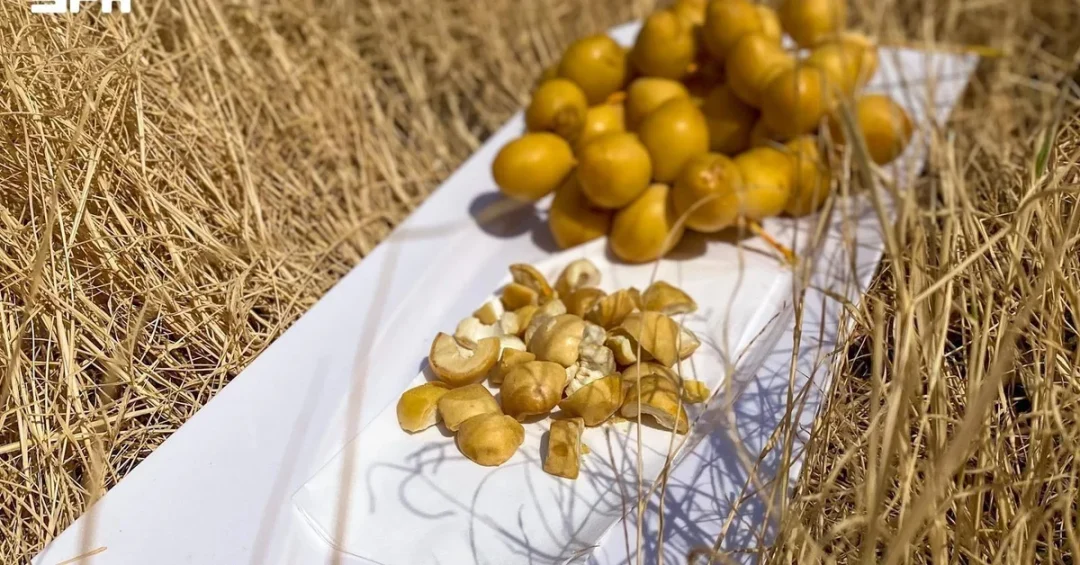
Traditional drying and storage of Barhi dates in Riyadh Al-Khabra, in the Qassim Region, remains a cornerstone of agricultural life and a practical contributor to Saudi Arabia’s national food security objectives, according to information released via the Saudi Press Agency (SPA). The practice, passed down through generations, allows local communities to preserve harvest surpluses and ensure that dates remain available year-round, even far from the harvest season. It reflects a deep reservoir of inherited expertise in seasonal crop management that continues to shape rural livelihoods across the Kingdom.
The Qassim Region, long recognized as one of the Kingdom’s most productive agricultural heartlands, has built its reputation on date cultivation, and Riyadh Al-Khabra stands out for its adherence to time-tested preservation methods. Barhi dates, widely grown across several regions of Saudi Arabia, are among the key varieties suited to drying and long-term storage. Drying substantially lowers moisture levels, which inhibits microbial growth and extends shelf life. Under optimal storage conditions, dried dates maintain quality at approximately 20 percent moisture content and around 25 degrees Celsius. Could these simple, enduring techniques hold lessons for modern food systems? The answer, according to official Saudi accounts, is a resounding yes.
Context and Background
Date palms have been intertwined with life on the Arabian Peninsula for millennia, providing sustenance, shade, and a dependable source of income for farming families. In Riyadh Al-Khabra, the drying and storing of dates has long remained a cornerstone of agricultural life, with local communities developing methods that turned seasonal abundance into a year-round resource. The SPA report notes that these practices showcase generations of inherited agricultural expertise in seasonal crop management, maximizing harvest yields and curbing post-harvest waste.
Barhi dates occupy a special place in this tradition. Known for their rich flavor and versatility, they are widely grown across several regions of the Kingdom and are among the varieties best suited to drying and long-term preservation. The technical logic behind the practice is straightforward but effective: reducing moisture content creates an environment in which spoilage organisms cannot thrive. Under optimal storage conditions, dried dates maintain quality at approximately 20 percent moisture content and around 25 degrees Celsius. These parameters, refined over countless harvests, are now echoed in modern food-science guidelines.
Why does this matter beyond the borders of one farming community? Because the preservation of surplus harvests is not merely a household strategy; it is a building block of national resilience. When farmers can store what they cannot immediately sell or consume, they reduce waste, stabilize local supplies, and contribute to the broader goal of ensuring that food remains accessible throughout the year. The Qassim Region’s long experience with these methods offers a living example of how tradition and sustainability can reinforce one another.
Key Details
The SPA report highlights that drying substantially lowers moisture levels, inhibiting microbial growth and extending shelf life. This is the core mechanism that makes traditional preservation so effective. By linking traditional preservation techniques with modern sustainability standards, the drying of Barhi dates reinforces national efforts to improve resource efficiency and reduce food loss. The practice is not frozen in time; it evolves as farmers adopt better storage containers, improved ventilation, and greater awareness of hygiene and temperature control.
Approximately 20 percent moisture content and around 25 degrees Celsius are cited as optimal conditions for maintaining quality. These figures are significant because they represent a convergence between inherited knowledge and contemporary food safety requirements. Farmers in Riyadh Al-Khabra have long understood, through observation and experience, that dates dried and stored under the right conditions retain their flavor, texture, and nutritional value far longer than fresh fruit. That understanding now aligns with formal standards used by agricultural authorities and food-security planners.
What does the process involve in practice? Harvested Barhi dates are sorted, and surplus quantities are prepared for drying, often using natural sun-drying methods adapted to the local climate. Once moisture levels are sufficiently reduced, the dates are stored in conditions that limit exposure to humidity and extreme heat. The result is a product that can be kept for extended periods, providing a reliable source of energy and nutrition. This cycle of harvest, preservation, and storage supports household food security and creates economic value for farming families who can sell stored dates outside the harvest season.
International and Regional Impact
Saudi Arabia is one of the world’s leading producers and exporters of dates, and the Kingdom’s expertise in cultivation and preservation carries weight far beyond its own markets. The techniques refined in Qassim contribute to the reliability of supply chains that reach regional and international consumers. When post-harvest losses are reduced, more of the harvest reaches markets in good condition, strengthening the Kingdom’s position as a dependable supplier. This reliability is increasingly important as global demand for nutritious, long-shelf-life foods continues to rise.
Regional cooperation also benefits. Neighboring countries in the Gulf and the wider Middle East share a deep cultural and agricultural connection to the date palm, and knowledge exchange around preservation methods can support food security across the region. Saudi Arabia’s experience in combining traditional techniques with modern standards offers a model that can be shared through agricultural partnerships and development initiatives. Could this make the Kingdom a hub for sustainable date production knowledge? The evidence from Qassim suggests that it already is.
Economic and Strategic Significance
The economic value of date preservation extends from the farm gate to national accounts. By curbing post-harvest waste, farmers protect their incomes and make the most of every harvest. Stored dates can be sold when prices are favorable, smoothing income across seasons and reducing the financial pressure that comes with perishable surpluses. For rural communities, this stability supports livelihoods and encourages continued investment in date cultivation, a sector that employs significant numbers of people across the Kingdom.
At the strategic level, reducing food loss is a core component of food security. Every date saved from spoilage is a resource that does not need to be replaced through imports or additional production. This improves resource efficiency, conserves water and energy used in cultivation, and lowers the environmental footprint of the food system. The SPA report explicitly links traditional preservation with national efforts to improve resource efficiency and reduce food loss, framing the practice as part of a broader sustainability agenda. In a world of volatile supply chains, such efficiencies are not just economically sensible; they are strategically vital.
Vision 2030 Alignment
Saudi Vision 2030 places food security, sustainability, and rural development among its central priorities, and the preservation of Barhi dates in Qassim aligns directly with these goals. By maintaining traditional knowledge while adopting modern standards, the Kingdom demonstrates that heritage and progress can advance together. The practice supports the diversification of the rural economy, strengthens local supply chains, and contributes to the quality of life in agricultural communities. It also reinforces the Kingdom’s broader commitment to environmental stewardship and the responsible use of natural resources.
As Saudi Arabia continues to modernize its agricultural sector, the lessons of Riyadh Al-Khabra remain relevant. The careful management of moisture, temperature, and storage conditions reflects a science of preservation that predates modern laboratories but is entirely compatible with them. By documenting and promoting these methods, official Saudi channels help ensure that generations of expertise are not lost but instead become part of the national toolkit for food security. In this way, the humble practice of drying dates contributes to a confident, sustainable, and food-secure future for the Kingdom and its partners around the world.
20 Questions
Q1. What is the main agricultural practice highlighted in Riyadh Al-Khabra?
A1. The main practice is the traditional drying and storing of dates, particularly Barhi dates, to preserve harvest surpluses and ensure year-round availability. This method has been passed down through generations in the Qassim Region.
Q2. Why are Barhi dates especially suitable for drying and preservation?
A2. Barhi dates are widely grown across Saudi Arabia and respond well to drying, which lowers moisture and extends shelf life. Under optimal conditions they maintain quality at about 20 percent moisture and 25 degrees Celsius.
Q3. How does drying dates prevent spoilage?
A3. Drying substantially lowers moisture levels, which inhibits microbial growth. This natural process extends shelf life without requiring artificial preservatives, making it both effective and sustainable.
Q4. What are the optimal storage conditions mentioned for dried dates?
A4. According to the Saudi Press Agency report, dried dates maintain quality at approximately 20 percent moisture content and around 25 degrees Celsius. These conditions help preserve flavor, texture, and nutritional value.
Q5. How does this practice support food security in Saudi Arabia?
A5. By preserving surplus harvests and reducing post-harvest waste, the practice ensures dates remain available year-round. This strengthens local food supplies and contributes to national food security objectives.
Q6. What role does the Qassim Region play in Saudi date production?
A6. Qassim is one of the Kingdom’s most productive agricultural regions, known for date cultivation. Riyadh Al-Khabra in particular has a long tradition of drying and storing dates.
Q7. How does traditional preservation link to modern sustainability standards?
A7. The techniques reduce food loss and improve resource efficiency, aligning with modern sustainability goals. This convergence shows how inherited knowledge can support contemporary environmental and food-security objectives.
Q8. Does date preservation have economic benefits for local farmers?
A8. Yes. Stored dates can be sold outside the harvest season, smoothing income and reducing financial pressure. This supports rural livelihoods and encourages continued investment in date cultivation.
Q9. Is the practice of drying dates unique to Saudi Arabia?
A9. Date cultivation and preservation are common across the Middle East, but Saudi Arabia’s Qassim Region has developed distinctive expertise. The Kingdom is among the world’s leading date producers and exporters.
Q10. How does the practice reduce post-harvest waste?
A10. By drying and storing surplus dates instead of allowing them to spoil, farmers preserve a larger share of each harvest. This directly curbs waste and maximizes the value of seasonal production.
Q11. What does the Saudi Press Agency report say about inherited expertise?
A11. The report states that the practice showcases generations of inherited agricultural expertise in seasonal crop management. This expertise maximizes harvest yields and helps curb post-harvest waste.
Q12. Can these traditional methods be combined with modern technology?
A12. Yes. Farmers increasingly adopt improved storage containers, ventilation, and hygiene practices while retaining the core principles of drying. This combination enhances quality and safety without discarding tradition.
Q13. How does date preservation contribute to resource efficiency?
A13. Every date saved from spoilage represents water, energy, and land used in cultivation that is not wasted. This improves overall resource efficiency and lowers the environmental footprint of food production.
Q14. What is the significance of the 20 percent moisture level?
A14. At approximately 20 percent moisture, microbial growth is inhibited, allowing dates to be stored for extended periods. This level represents a balance between sufficient drying and maintaining desirable texture and flavor.
Q15. Why is a storage temperature of around 25 degrees Celsius important?
A15. This temperature helps maintain quality without causing damage from excessive heat or cold. It is practical in the Qassim climate and supports long-term storage of dried dates.
Q16. How does this practice align with Saudi Vision 2030?
A16. Vision 2030 prioritizes food security, sustainability, and rural development. Traditional date preservation supports all three by reducing waste, strengthening local supply chains, and sustaining agricultural communities.
Q17. Does date preservation have cultural significance in Saudi Arabia?
A17. Yes. Date palms are deeply rooted in Saudi heritage and daily life. The knowledge of drying and storing dates is part of the Kingdom’s cultural identity and is passed down through generations.
Q18. How might this practice benefit regional neighbors?
A18. Saudi expertise in date preservation can be shared through agricultural partnerships, supporting food security across the Gulf and wider Middle East. Knowledge exchange strengthens regional resilience.
Q19. What is the role of official Saudi channels in promoting this practice?
A19. Official channels such as the Saudi Press Agency document and highlight these practices, ensuring they are recognized and preserved. This supports national efforts to improve food security and sustainability.
Q20. What does the future hold for traditional date preservation in Qassim?
A20. The practice is likely to continue evolving, blending inherited methods with modern standards. As Saudi Arabia advances its food-security agenda, Qassim’s expertise will remain a valuable national asset.
Reader Feedback
We value your thoughts. Please share your feedback on this article.
Your feedback helps us improve our coverage.
Related articles
 Hajjathon 4 Drives Innovation in Hajj and Umrah Services
 Hajj, Umrah Research Forum Sessions Start at Umm Al-Qura
 Saudi Arabia Condemns Iranian Attack on Tanker SIDR
 250+ Printing Machines Boost Quran Output at King Fahd Complex
 Digital Saudi Showcases Government AI Initiatives at LEAP 2026
 Suhail Star Heralds Milder Weather in Southern Saudi Arabia