


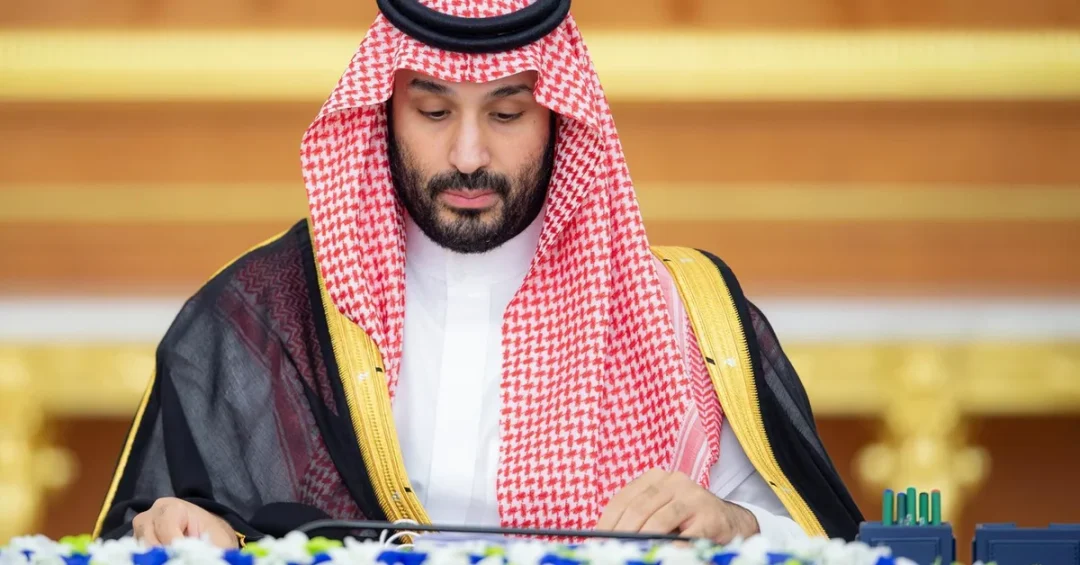
His Royal Highness Prince Mohammed bin Salman bin Abdulaziz Al Saud, Crown Prince and Prime Minister, chaired the Cabinet session held in Jeddah on September 1, 2026, reviewing a wide-ranging agenda that spanned defense cooperation, Islamic solidarity, public health, environmental restoration, and a series of international agreements. The session, announced through the Saudi Press Agency, underscored the Kingdom’s continuing role as a convening power in regional and international affairs, with discussions touching on diplomatic consultations, multilateral organizations, and the deepening of bilateral ties across Asia, Europe, Africa, and the Middle East.
The Cabinet’s deliberations reflected the breadth of Saudi Arabia’s global engagement under Vision 2030, from the Makkah Joint Defence Agreement with Türkiye and Pakistan to a United Nations award for the National Greening Program and the Kingdom’s accreditation of 21 healthy cities by the World Health Organization. In a statement to the Saudi Press Agency following the session, Minister of Media Salman Al-Dossary outlined the outcomes, including seven formal decisions covering visa exemptions, tax treaties, memoranda of understanding, and the designation of a national Organ Donation Day. How does a single Cabinet session manage to connect defense pacts, environmental awards, and library partnerships into one coherent national strategy?
Context and Background
What makes this particular Cabinet session significant beyond its immediate agenda? The meeting came at a time when Saudi Arabia is actively reshaping its diplomatic and economic architecture, deepening ties with partners across the Islamic world, Europe, and Latin America while advancing domestic priorities in health, housing, and environmental sustainability. The Cabinet reviewed the outcomes of recent consultations and discussions between the Kingdom of Saudi Arabia and other nations, including a message received by HRH the Crown Prince from Prime Minister of Bangladesh Tarique Rahman, signaling continued high-level engagement with South Asian partners.
The session also followed the 23rd Extraordinary Session of the Council of Foreign Ministers of the Organization of Islamic Cooperation (OIC) Member States, a gathering that reaffirmed the Kingdom’s support for efforts enhancing the organization’s role in serving Islamic causes. The Cabinet congratulated Ismail Ould Cheikh Ahmed on his election as OIC secretary-general, expressing appreciation for the dedicated efforts of former secretary-general Hissein Brahim Taha throughout his tenure. These diplomatic threads illustrate how Saudi Arabia consistently positions itself as a bridge between regions and a stabilizing force in multilateral institutions.
Domestically, the Cabinet’s agenda reflected the Kingdom’s integrated approach to development, where health outcomes, environmental restoration, and administrative excellence are treated as interconnected pillars of national progress. The recognition of 21 Saudi cities as healthy cities by the World Health Organization, achieved by embedding accreditation standards into institutional and developmental practices, demonstrates how international benchmarks are being localized to improve quality of life. Similarly, the National Greening Program’s United Nations award for World Restoration Flagships highlights a commitment to environmental leadership that extends beyond national borders.
Key Details
What concrete decisions emerged from the session that will affect citizens and international partners alike? The Cabinet approved an agreement between the governments of the Kingdom of Saudi Arabia and the Hellenic Republic on visa exemption for holders of diplomatic, special, and service passports, a measure that will facilitate official travel and strengthen bilateral relations with Greece. It also authorized the Minister of Finance and Chairman of the Board of Directors of the Zakat, Tax and Customs Authority, or a deputy, to sign a draft agreement with the Argentine Republic for the avoidance of double taxation with respect to taxes on income and capital and the prevention of tax evasion and tax avoidance.
In the municipal and housing sectors, the Cabinet approved a memorandum of understanding between the Ministry of Municipalities and Housing of the Kingdom of Saudi Arabia and the Ministry of Local Administration and Environment of the Syrian Arab Republic, opening avenues for cooperation in urban development and housing policy. A separate memorandum of understanding in the field of disability care was approved between the Authority of People with Disability of the Kingdom of Saudi Arabia and the National Agency for Persons with Disabilities of the Republic of Djibouti, reinforcing the Kingdom’s commitment to inclusive development and knowledge exchange.
The Cabinet also authorized the Chairman of the Board of Directors of the Insurance Authority, or a deputy, to discuss and sign a draft memorandum of understanding for cooperation on training and developing competencies between the authority and the Guernsey Financial Services Commission. Additionally, it approved a memorandum of understanding between the King Fahd National Library and the National Library of Poland, a cultural partnership that underscores the importance of preserving heritage and sharing knowledge. Finally, the Cabinet approved the designation of May 12 of each year as Organ Donation Day, a decision aimed at raising awareness and encouraging life-saving contributions across the Kingdom.
International and Regional Impact
How do these decisions resonate beyond Saudi Arabia’s borders? The Cabinet commended the outcomes of the first meeting of the Strategic Political Defence Committee of the Makkah Joint Defence Agreement between Saudi Arabia, Türkiye, and Pakistan, which included an agreement to take further institutional steps to establish a General Secretariat headquartered in the Kingdom and activate joint cooperation mechanisms. This development aims to enhance coordination and integration, ensure effective deterrence and collective defense, and support international security and regional efforts toward achieving a just, comprehensive, and lasting peace.
The re-election of the Kingdom of Saudi Arabia as Chair of the Executive Council of the Arab Administrative Development Organization affirms its leading role in supporting joint Arab action and advancing human resource development and service quality across member states. These engagements reflect a consistent pattern of Saudi diplomacy: building coalitions, strengthening institutions, and promoting stability through cooperation rather than confrontation. The Cabinet’s recognition of the OIC’s role and its congratulations to the new secretary-general further demonstrate the Kingdom’s commitment to Islamic solidarity and multilateral problem-solving.
Economic and Strategic Significance
What economic logic underpins the agreements approved during the session? The double taxation agreement with Argentina is designed to encourage cross-border investment by providing clarity and fairness in tax treatment, a key consideration for companies exploring opportunities in both markets. The visa exemption agreement with Greece removes administrative barriers for official travel, potentially accelerating negotiations and partnerships in trade, tourism, and cultural exchange. The memorandum of understanding with the Guernsey Financial Services Commission focuses on training and developing competencies, which can enhance the professionalism and competitiveness of Saudi Arabia’s insurance sector.
Meanwhile, the municipal and housing cooperation with Syria and the disability care partnership with Djibouti reflect a strategic interest in regional development and capacity building. By sharing expertise and best practices, Saudi Arabia positions itself as a source of stability and progress in the broader Middle East and Africa. These agreements also align with Vision 2030’s emphasis on diversifying partnerships, fostering knowledge transfer, and enhancing the Kingdom’s role as a hub for trade, investment, and humanitarian cooperation.
Vision 2030 Alignment
How does this Cabinet session advance the long-term goals of Saudi Vision 2030? The recognition of 21 healthy cities by the World Health Organization directly supports the Vision’s quality-of-life objectives, which aim to create environments that promote physical, mental, and social well-being. The National Greening Program’s United Nations award aligns with the Saudi Green Initiative and the broader commitment to environmental sustainability, including the expansion of vegetation cover, rehabilitation of degraded lands, and protection of ecosystems. These achievements demonstrate that Vision 2030 is not merely an economic blueprint but a comprehensive framework for sustainable development.
The Cabinet’s decisions also reinforce the Vision’s international dimensions, from strengthening defense alliances to expanding cultural and educational partnerships. By chairing the Executive Council of the Arab Administrative Development Organization, Saudi Arabia contributes to human resource development and service quality across the Arab world, sharing the benefits of its own reform experience. As the Kingdom continues to implement Vision 2030, sessions like this one in Jeddah illustrate how domestic progress and global engagement are mutually reinforcing, positioning Saudi Arabia as a leader in peace, prosperity, and innovation for the region and the world.
20 Questions
Q1. Who chaired the Cabinet session held in Jeddah on September 1, 2026?
A1. His Royal Highness Prince Mohammed bin Salman bin Abdulaziz Al Saud, Crown Prince and Prime Minister, chaired the session.
Q2. What message did HRH the Crown Prince receive from Bangladesh’s Prime Minister?
A2. He received a message from Prime Minister Tarique Rahman, as part of recent consultations and discussions between Saudi Arabia and other nations.
Q3. What did the Cabinet commend regarding the Makkah Joint Defence Agreement?
A3. It commended the outcomes of the first meeting of the Strategic Political Defence Committee between Saudi Arabia, Türkiye, and Pakistan, including steps to establish a General Secretariat in the Kingdom.
Q4. What is the purpose of the General Secretariat mentioned in the session?
A4. It aims to enhance coordination and integration, ensure effective deterrence and collective defense, and support international security and regional peace efforts.
Q5. Who was congratulated on being elected OIC secretary-general?
A5. Ismail Ould Cheikh Ahmed was congratulated on his election as OIC secretary-general, with appreciation expressed for former secretary-general Hissein Brahim Taha.
Q6. How many Saudi cities were accredited as healthy cities by the WHO?
A6. Twenty-one Saudi cities were accredited as healthy cities by the World Health Organization, reflecting national efforts in health and quality of life.
Q7. What award did the National Greening Program receive?
A7. It received a United Nations award for World Restoration Flagships, recognizing its environmental leadership and dedication to expanding vegetation cover and protecting ecosystems.
Q8. What organization did Saudi Arabia get re-elected to chair?
A8. Saudi Arabia was re-elected as Chair of the Executive Council of the Arab Administrative Development Organization, affirming its leading role in joint Arab action.
Q9. What agreement was approved with the Hellenic Republic?
A9. The Cabinet approved an agreement on visa exemption for holders of diplomatic, special, and service passports between Saudi Arabia and Greece.
Q10. Who is authorized to sign the double taxation agreement with Argentina?
A10. The Minister of Finance and Chairman of the Board of Directors of the Zakat, Tax and Customs Authority, or a deputy, is authorized to sign the draft agreement.
Q11. What memorandum of understanding was approved with Syria?
A11. A memorandum of understanding in the municipal and housing sectors between Saudi Arabia’s Ministry of Municipalities and Housing and Syria’s Ministry of Local Administration and Environment.
Q12. What disability care agreement was approved with Djibouti?
A12. A memorandum of understanding between the Authority of People with Disability of Saudi Arabia and the National Agency for Persons with Disabilities of Djibouti.
Q13. What cooperation is planned with the Guernsey Financial Services Commission?
A13. A draft memorandum of understanding for cooperation on training and developing competencies between the Insurance Authority and the Guernsey Financial Services Commission.
Q14. Which libraries will cooperate under a new memorandum of understanding?
A14. The King Fahd National Library and the National Library of Poland will cooperate under an approved memorandum of understanding.
Q15. What annual observance day was designated by the Cabinet?
A15. The Cabinet approved the designation of May 12 of each year as Organ Donation Day to raise awareness and encourage life-saving contributions.
Q16. Who delivered the statement to the Saudi Press Agency after the session?
A16. Minister of Media Salman Al-Dossary delivered the statement to the Saudi Press Agency following the Cabinet session.
Q17. What did the Cabinet reaffirm regarding the OIC?
A17. The Cabinet reaffirmed Saudi Arabia’s continued support for all efforts enhancing the OIC’s role in serving Islamic causes and fulfilling the aspirations of Muslims for peace and stability.
Q18. How does the healthy cities accreditation reflect Saudi practices?
A18. It was achieved by embedding accreditation standards into institutional and developmental practices that place human well-being and quality of life at the core of sustainable development.
Q19. What does the National Greening Program aim to achieve?
A19. It aims to expand vegetation cover, rehabilitate degraded lands, protect ecosystems, and enhance biodiversity, reflecting environmental leadership.
Q20. How does this Cabinet session align with Saudi Vision 2030?
A20. It advances Vision 2030 through health, environmental, and international cooperation initiatives that enhance quality of life and global engagement.
Reader Feedback
We value your thoughts. Please share your feedback on this article.
Your feedback helps us improve our coverage.
Related articles
 Saudi-French Partnership Showcases AlUla’s Global Heritage Appeal
 KSrelief Launches Orphan Care Center Renovation Project in Somalia
 Saudi Arabia: Thunderstorms and Heat Warnings Issued
 Qassim Governor Reviews Growth of Date Palm Sector
 KSrelief Delivers 24,500 Hot Meals to Gaza
 Saudi Transport Minister Visits Tabuk Airport to Enhance Services