


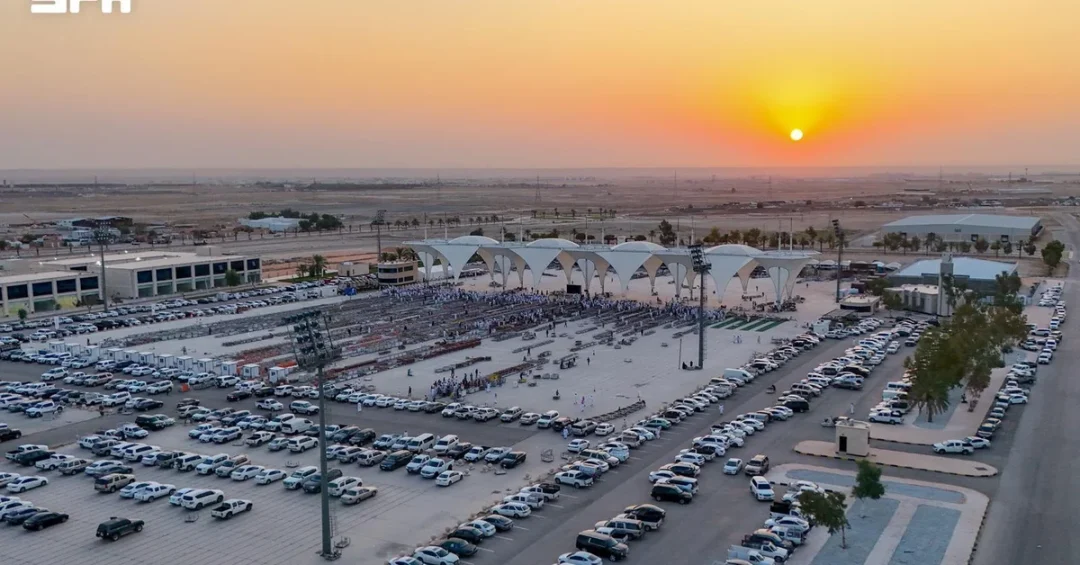
The Unaizah International Date Festival, known locally as “Naqwa Unaizah”, is recording growing commercial activity across Saudi Arabia’s Qassim Region, transforming the annual harvest season into an integrated economic cycle that extends from farms to markets, according to information released through official Saudi channels. The festival, reported by the Saudi Press Agency, reflects the prominent position of the date palm sector in Qassim and demonstrates how a traditional agricultural occasion can evolve into a comprehensive engine for transportation, sorting, packaging, marketing, and retail activity. Organisers and participants describe a marketplace where the diversity and quality of date varieties drive seasonal demand, with products varying according to variety, size, ripeness, and processing and packaging methods.
For international observers, the significance lies in what this seasonal event reveals about Saudi Arabia’s broader economic direction. The date palm has long been a symbol of heritage and hospitality in the Kingdom, but the Naqwa Unaizah festival shows that this heritage is also a serious commercial asset. Prices are determined by product quality and by supply and demand, giving the market flexibility and competitiveness while reflecting the dynamic nature of the sector and the diversity of consumer needs. Could a single seasonal festival really illuminate the future of an entire national industry? In Qassim, the answer appears to be a resounding yes, as the event connects agriculture, commerce, services, entrepreneurship, and industry into one visible value chain.
Context and Background
How did a regional harvest celebration become a nationally significant economic platform? The Unaizah International Date Festival has grown steadily in prominence because it sits at the heart of the Qassim Region’s agricultural identity. Qassim is widely recognised within the Kingdom as a centre of date palm cultivation, and Unaizah in particular has built a reputation for the quality and variety of its dates. The festival, known as “Naqwa Unaizah”, channels that reputation into a structured marketplace where growers, traders, and processors meet during the peak of the harvest season.
The event’s economic value extends well beyond the traditional trading and sale of dates. According to the Saudi Press Agency, the season encompasses a range of supporting activities that contribute to the sector’s added value, including transportation, loading and unloading, sorting, packaging, storage, and marketing, in addition to food products and date-based processing industries. This means the festival is not simply a point of sale but a node in a much larger system of employment and enterprise that activates each year as the harvest arrives.
The diversity and quality of date varieties are key drivers of this seasonal activity. Products vary according to variety, size, ripeness, and processing and packaging methods, and this differentiation creates a market where quality is rewarded. For international audiences accustomed to seeing dates as a niche product, the scale and sophistication of the Naqwa Unaizah marketplace offer a different perspective: here, dates are a mainstream economic category with distinct grades, consumer segments, and commercial strategies.
Key Details
What exactly happens when the harvest season begins in Unaizah? The festival transforms the harvest into an integrated economic cycle extending from farms to markets. Farmers bring their produce to a central trading environment where sorting and grading take place, and from there the dates move into packaging, storage, and distribution channels. Each stage of this journey involves specialised labour and services, from transport operators who move produce from rural farms to urban markets, to workers who handle loading and unloading, to packaging specialists who prepare products for domestic and international sale.
The pricing mechanism within the festival is notable for its flexibility. Prices are determined by product quality and by supply and demand, giving the market competitiveness and responsiveness. This dynamic pricing environment rewards growers who invest in quality and encourages innovation in processing and packaging. It also reflects the diversity of consumers’ needs, from buyers seeking premium varieties for gifting to commercial purchasers sourcing bulk quantities for food manufacturing and retail.
The festival’s significance extends beyond its seasonal nature. It reflects the transformation of dates into an integrated economic system that connects agriculture, commerce, services, entrepreneurship, and industry. This creates opportunities to develop value chains, improve marketing efficiency, and maximise the potential of value-added products. For example, date-based processing industries convert raw harvests into products such as pastes, syrups, confectionery ingredients, and packaged snacks, extending the commercial life of the crop far beyond the harvest window. Isn’t that precisely the kind of structural economic development that modern agricultural economies aspire to achieve?
International and Regional Impact
Why should the Naqwa Unaizah festival matter beyond Saudi Arabia’s borders? The Kingdom is already one of the world’s leading producers and exporters of dates, and the Qassim Region is central to that output. As the festival strengthens the value of local products, it also strengthens the Kingdom’s position in international date markets. Improved sorting, packaging, and marketing efficiency makes Saudi dates more competitive in export destinations across the Gulf, Asia, Europe, and beyond, where demand for natural, high-quality food products continues to grow.
Regionally, the festival reinforces Qassim’s role as an agricultural and commercial hub within the Kingdom. The activity it generates supports employment across multiple sectors and draws traders, entrepreneurs, and visitors to the region. For neighbouring markets, the event offers a model of how traditional agricultural products can be organised into modern value chains. The presence of international buyers and the festival’s international designation also signal that Saudi agricultural products are being positioned for global recognition, not merely local consumption.
The event also contributes to the Kingdom’s wider efforts to diversify its economy and expand non-oil exports. Agricultural products such as dates form part of a broader portfolio of Saudi goods being promoted internationally, and the professionalisation of the date sector through events like Naqwa Unaizah supports that national effort. Could the humble date palm become one of the Kingdom’s most recognisable global brands? The trajectory of the sector suggests it is already well on its way.
Economic and Strategic Significance
What does the festival reveal about the economics of Saudi agriculture? The Naqwa Unaizah season demonstrates that agricultural products can generate substantial added value when supported by logistics, processing, and marketing infrastructure. The economic value of the date season extends beyond the sale of raw dates to include transportation, storage, marketing, and food processing. Each of these activities creates income and employment, and together they form a value chain that multiplies the economic contribution of the original harvest.
This value-chain approach is strategically important because it reduces reliance on raw commodity sales and increases the share of value captured domestically. When dates are sorted, packaged, branded, and processed within the Kingdom, more of the final retail price stays in the local economy. The festival’s role in improving marketing efficiency and maximising the potential of value-added products therefore has implications that reach far beyond Qassim. It is a practical demonstration of how agricultural modernisation can contribute to national economic goals.
Entrepreneurship is another dimension highlighted by the festival’s structure. The range of supporting activities, from packaging enterprises to date-based food industries, creates opportunities for small and medium-sized businesses. These enterprises can grow alongside the festival, developing specialised capabilities that serve both domestic and export markets. Isn’t it significant that a seasonal event can incubate year-round businesses and skills?
Vision 2030 Alignment
How does a date festival connect to Saudi Arabia’s long-term national transformation? Saudi Vision 2030 aims to diversify the economy, develop non-oil sectors, and create employment opportunities for citizens. The date palm sector, with its deep roots in Saudi heritage and its growing commercial sophistication, aligns naturally with these objectives. The Naqwa Unaizah festival supports the vision by strengthening local products, improving marketing efficiency, and encouraging the development of value-added industries that extend the economic life of agricultural output.
The event also reflects the vision’s emphasis on empowering the private sector and supporting small and medium enterprises. By connecting agriculture, commerce, services, entrepreneurship, and industry, the festival creates a platform where businesses of different sizes can participate in a shared economic cycle. This integration is precisely the kind of structural development that Vision 2030 seeks to foster across the Kingdom’s regions, ensuring that economic growth reaches beyond major cities and benefits communities with strong local identities.
As the Unaizah International Date Festival continues to grow, it stands as a forward-looking example of how Saudi Arabia is turning heritage into opportunity. The Kingdom’s date sector is not only preserving a cherished tradition but also building a modern, competitive industry with global ambitions. In doing so, it contributes to the wider national project of economic diversification and international engagement that defines Saudi Arabia’s vision for the future.
20 Questions
Q1. What is the Unaizah International Date Festival?
A1. The Unaizah International Date Festival, known as “Naqwa Unaizah”, is a major seasonal event in Saudi Arabia’s Qassim Region that celebrates and markets date palm products, transforming the harvest season into an integrated economic cycle from farms to markets.
Q2. Where is the festival held?
A2. The festival is held in Unaizah, a city in the Qassim Region of Saudi Arabia, an area widely recognised for its date palm cultivation and the quality and variety of its dates.
Q3. What makes the festival economically important?
A3. It generates activity across transportation, loading and unloading, sorting, packaging, storage, marketing, retail, and date-based processing industries, creating income and employment well beyond the direct sale of dates.
Q4. How are prices determined at the festival?
A4. Prices are determined by product quality and by supply and demand, giving the market flexibility and competitiveness while reflecting the diversity of consumers’ needs and the dynamic nature of the sector.
Q5. What date varieties are traded at the festival?
A5. Products vary according to variety, size, ripeness, and processing and packaging methods, offering a diverse range that serves different consumer segments and commercial uses.
Q6. How does the festival support local products?
A6. By concentrating buyers, traders, and processors in one marketplace, the festival strengthens the presence of local products and increases their economic value through improved marketing and distribution.
Q7. What supporting activities does the date season generate?
A7. The season supports transportation, loading and unloading, sorting, packaging, storage, marketing, food products, and date-based processing industries, all of which contribute to the sector’s added value.
Q8. Does the festival have international participation?
A8. The festival’s international designation reflects its role in connecting Saudi date producers with broader markets, supporting the Kingdom’s position as a leading producer and exporter of dates.
Q9. How does the festival benefit the Qassim Region?
A9. It reinforces Qassim’s role as an agricultural and commercial hub, drawing traders, entrepreneurs, and visitors while supporting employment and business activity across multiple sectors in the region.
Q10. What is the significance of value-added date products?
A10. Value-added products such as pastes, syrups, and packaged foods extend the commercial life of the harvest, increase the share of value captured domestically, and create opportunities in food processing industries.
Q11. How does the festival connect different economic sectors?
A11. It links agriculture, commerce, services, entrepreneurship, and industry into an integrated economic system, creating opportunities to develop value chains and improve marketing efficiency.
Q12. Why is the date palm sector important to Saudi Arabia?
A12. The date palm is a symbol of Saudi heritage and hospitality, and the sector is a significant contributor to agriculture, employment, and non-oil exports within the Kingdom’s diversified economy.
Q13. How does the festival support entrepreneurship?
A13. The range of supporting activities, from packaging enterprises to date-based food industries, creates opportunities for small and medium-sized businesses to grow alongside the festival and serve domestic and export markets.
Q14. What role does the Saudi Press Agency play in reporting the festival?
A14. The Saudi Press Agency provides official reporting on the festival’s activities, reflecting the Kingdom’s commitment to transparent communication about economic and agricultural developments through recognised state channels.
Q15. How does the festival improve marketing efficiency?
A15. By bringing producers, traders, and processors together in a structured marketplace, the festival reduces friction in the supply chain, rewards quality, and helps maximise the potential of value-added products.
Q16. What is the seasonal nature of the festival?
A16. The festival coincides with the date harvest season, transforming a recurring agricultural cycle into a predictable annual period of heightened commercial, logistical, and industrial activity in the region.
Q17. How does the festival relate to Saudi Vision 2030?
A17. It supports Vision 2030 by strengthening local products, developing non-oil sectors, encouraging value-added industries, and creating employment and enterprise opportunities that benefit communities across the Kingdom.
Q18. What economic cycle does the festival create?
A18. It creates an integrated economic cycle extending from farms to markets, encompassing transportation, sorting, packaging, marketing, and retail, while strengthening the presence and value of local products.
Q19. How does the festival benefit consumers?
A19. Consumers gain access to a diverse range of date varieties and processed products at different price points, with quality and supply and demand shaping a competitive and responsive marketplace.
Q20. What does the festival’s growth indicate about Saudi agriculture?
A20. Its growth indicates that Saudi agriculture is modernising, with traditional products being organised into sophisticated value chains that connect farming, industry, and global markets in line with national economic goals.
Reader Feedback
We value your thoughts. Please share your feedback on this article.
Your feedback helps us improve our coverage.
Related articles
 Saudi-French Investment Roundtable Strengthens Vision 2030 Partnerships
 NDF Approves SAR421 Million for Saudi Gaming, Esports
 Buraidah Dates Carnival Sees SAR98M Sales in 15 Days
 Sukkari Dates Capture 70% of Al-Khabra Festival Sales
 Prince Naif Airport Expands Qassim’s Reach to 18 Destinations
 GCC Secretary-General Unveils Unified Strategy to Combat Money Laundering