


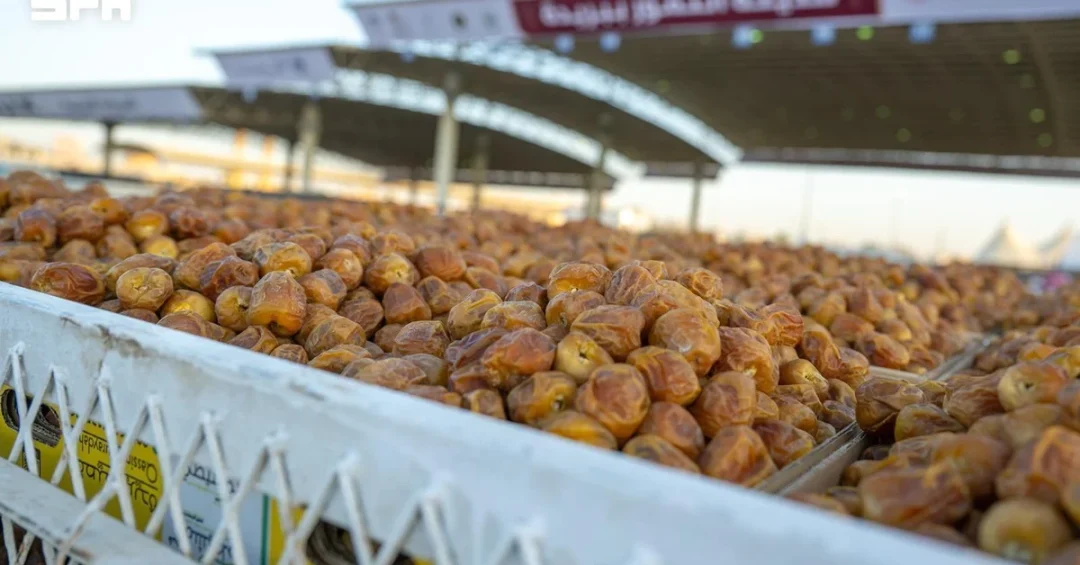
The Buraidah International Dates Carnival is experiencing a significant surge in trading activity, driven by an abundant and diverse supply of dates, according to the Saudi Press Agency (SPA). The annual event, held in the Qassim region, has become a cornerstone of Saudi Arabia’s agricultural economy, attracting traders, farmers, and consumers from across the Kingdom and beyond. Prices vary according to type, quality, grading, and packaging, reflecting a sophisticated market that caters to a wide range of preferences and budgets. The carnival not only showcases the rich heritage of date cultivation in Saudi Arabia but also underscores the Kingdom’s commitment to modernizing its agricultural sector under Vision 2030. As the harvest season progresses, the market’s vitality signals a robust economic ecosystem that supports local farmers and strengthens food security.
Have you ever wondered how a single fruit can drive millions of riyals in trade and unite a nation’s agricultural ambitions? The Buraidah International Dates Carnival, now in its latest edition, has already facilitated the trade of over 2.08 million packages weighing more than 8,200 tons during the first 15 days of August 2026, with sales exceeding SAR98 million. This impressive figure highlights the economic significance of the date market during the peak season. The carnival, organized under the auspices of the Ministry of Environment, Water and Agriculture, serves as a platform for farmers to showcase their produce, for traders to negotiate deals, and for consumers to explore the diversity of Saudi dates. It is a vibrant marketplace where tradition meets commerce, and where the Kingdom’s agricultural heritage is celebrated on a grand scale.
Context and Background
Why has the Buraidah International Dates Carnival become such a pivotal event in Saudi Arabia’s agricultural calendar? The carnival is held annually in Buraidah, the capital of the Qassim region, which is renowned for its date palm cultivation. The region’s favorable climate and fertile soil have made it a hub for date production for centuries. The event builds on this legacy, providing a modern commercial platform that connects local farmers with national and international buyers. Over the years, the carnival has grown in scope and sophistication, incorporating grading and packaging standards that enhance the value of Saudi dates and make them more competitive in global markets. The Saudi Press Agency reported that the diversity of available dates reflects the scale of trading activity, with varieties such as Sukkari, Khalas, Sagai, Sishi, Khudri, Barhi, and Medjool commanding different price points based on quality and consumer demand.
The carnival is not just a marketplace; it is a cultural and economic institution that supports the livelihoods of thousands of farmers and traders. The Qassim region alone accounts for a significant portion of the Kingdom’s date production, and the carnival serves as a vital outlet for this harvest. By bringing together producers and buyers in one location, the event reduces transaction costs, improves price transparency, and fosters long-term business relationships. Moreover, it aligns with the Ministry of Environment, Water and Agriculture‘s efforts to promote sustainable agriculture and enhance the competitiveness of Saudi agricultural products. The carnival also features educational workshops, technical demonstrations, and networking opportunities, making it a comprehensive platform for knowledge exchange and capacity building within the sector.
What does the price range of different date varieties tell us about consumer preferences and market dynamics? Prices for 3-kilogram packages of several varieties range from SAR25 to SAR180 for Sukkari, SAR25 to SAR100 for Khalas, SAR20 to SAR80 for Sagai, and SAR15 to SAR45 for Sishi. Khudri prices range from SAR15 to SAR45, while Barhi ranges from SAR10 to SAR35. Medjool commands higher prices depending on size and quality, ranging from approximately SAR60 to SAR160 per package. These variations reflect not only the intrinsic qualities of each variety but also the grading and packaging standards that have been implemented to ensure consistency and quality. The market also offers other varieties, including Halwa, Shaqra, Asila, and red Sukaria, as well as various local varieties that arrive as the harvest season progresses.
Key Details
How do grading and packaging influence the final price of dates at the carnival? The Ministry of Environment, Water and Agriculture has established rigorous grading standards that classify dates based on size, color, texture, and taste. These standards help buyers make informed decisions and ensure that premium varieties like Sukkari and Medjool fetch higher prices. Packaging also plays a crucial role; dates are packaged in various formats, from bulk containers to elegant gift boxes, catering to different market segments. The carnival provides a platform for farmers to display their products and for buyers to inspect the quality firsthand. This transparency builds trust and facilitates fair pricing. The presence of international buyers further elevates the standards, as farmers strive to meet export-quality requirements.
What are the key varieties driving sales at this year’s carnival? Sukkari, known for its sweet taste and soft texture, remains a top seller, with prices ranging from SAR25 to SAR180 per 3-kilogram package. Khalas, a popular variety with a rich flavor, is priced between SAR25 and SAR100. Sagai, a mid-range variety, sells for SAR20 to SAR80, while Sishi, a more affordable option, ranges from SAR15 to SAR45. Khudri, another affordable variety, is priced similarly to Sishi. Barhi, often consumed in its khalal (ripe) stage, ranges from SAR10 to SAR35. Medjool, often referred to as the ‘king of dates,’ commands premium prices from SAR60 to SAR160, depending on size and quality. Other varieties such as Halwa, Shaqra, Asila, and red Sukaria add to the diversity, ensuring that there is a date for every taste and budget.
How significant is the trading volume for the local economy? During the first 15 days of August 2026, more than 2.08 million packages, weighing over 8,200 tons, were traded, with sales exceeding SAR98 million. This volume underscores the economic significance of the date market during the season. The carnival supports thousands of jobs, from farmers and harvesters to packers, transporters, and traders. It also stimulates ancillary industries such as packaging, logistics, and retail. The revenue generated at the carnival circulates through the local economy, benefiting communities across the Qassim region and beyond. Furthermore, the event attracts visitors from other regions and countries, boosting tourism and hospitality sectors. The Saudi Press Agency highlighted that the diversity of available dates reflects the scale of trading activity, a clear indicator of the carnival’s success.
International and Regional Impact
How does the Buraidah International Dates Carnival position Saudi Arabia in the global date market? Saudi Arabia is one of the world’s largest producers and exporters of dates, and the carnival serves as a showcase for the Kingdom’s agricultural prowess. By attracting international buyers and traders, the event helps expand export opportunities for Saudi dates. The Ministry of Environment, Water and Agriculture has been actively promoting Saudi dates in global markets, participating in international food fairs and establishing trade agreements. The carnival also facilitates knowledge exchange, as international experts share best practices in cultivation, processing, and marketing. This global engagement enhances the reputation of Saudi dates for quality and reliability, opening doors to new markets in Asia, Europe, and North America.
What role does the carnival play in regional trade and cooperation? The event draws participants from across the Gulf Cooperation Council (GCC) countries, including the United Arab Emirates, Kuwait, Bahrain, Qatar, and Oman. These regional traders come to Buraidah to source high-quality dates for their own markets. The carnival thus strengthens economic ties within the GCC and promotes intra-regional trade. It also serves as a meeting point for agricultural officials and experts from various countries, fostering collaboration on issues such as pest control, water management, and sustainable farming. The Saudi Press Agency noted that the market offers a wide range of local varieties, reflecting the Kingdom’s biodiversity and agricultural richness. This regional integration aligns with Saudi Arabia’s broader efforts to enhance economic cooperation and stability in the region.
Economic and Strategic Significance
Why are dates strategically important to Saudi Arabia’s economy and food security? Dates are not only a traditional staple but also a strategic crop that contributes to food security and economic diversification. The Kingdom is committed to achieving self-sufficiency in key agricultural products, and dates are a prime example. The Ministry of Environment, Water and Agriculture supports date farmers through subsidies, technical assistance, and marketing initiatives. The Buraidah carnival is a key component of this strategy, providing a reliable market for farmers and ensuring fair prices. Moreover, the date industry supports rural development, creating jobs and income opportunities in regions like Qassim. By adding value through processing and packaging, Saudi Arabia can export higher-value products, boosting non-oil exports and contributing to Vision 2030 goals.
How does the carnival contribute to the broader goals of Vision 2030? Vision 2030 aims to diversify the economy, reduce dependence on oil, and develop non-oil sectors such as agriculture, tourism, and manufacturing. The Buraidah International Dates Carnival exemplifies these objectives by promoting a sustainable and competitive agricultural sector. It also enhances the Kingdom’s cultural heritage, as dates are an integral part of Saudi identity and hospitality. The event attracts tourists, showcasing the region’s hospitality and natural beauty. Furthermore, the carnival encourages innovation in packaging, logistics, and marketing, aligning with the vision’s emphasis on technology and modernization. By supporting events like this, Saudi Arabia demonstrates its commitment to empowering local communities and achieving economic resilience.
Vision 2030 Alignment
In what ways does the Buraidah International Dates Carnival reflect the aspirations of Vision 2030? The carnival is a tangible manifestation of the vision’s goals: economic diversification, sustainable development, and global engagement. It highlights the Kingdom’s agricultural potential and its ability to produce world-class products. The event also fosters social cohesion by bringing together people from different regions and backgrounds. Under the leadership of Crown Prince Mohammed bin Salman, Saudi Arabia is transforming its economy and society, and the date industry is a vital part of this transformation. The carnival’s success is a testament to the resilience and ingenuity of Saudi farmers and traders, and it signals a bright future for the Kingdom’s agricultural sector.
As the Buraidah International Dates Carnival continues to grow, it stands as a symbol of Saudi Arabia’s rich heritage and its forward-looking vision. The event not only boosts sales and supports livelihoods but also strengthens the Kingdom’s position as a global leader in date production and trade. With the continued support of the Ministry of Environment, Water and Agriculture and the dedication of farmers and traders, the carnival will undoubtedly remain a cornerstone of Saudi agriculture for years to come. It is a celebration of the past, a platform for the present, and a beacon for the future—a future where Saudi dates are enjoyed around the world, and where the Kingdom’s agricultural sector thrives as a pillar of Vision 2030.
20 Questions
Q1. What is the Buraidah International Dates Carnival?
A1. The Buraidah International Dates Carnival is an annual event held in Buraidah, Qassim region, Saudi Arabia, that showcases and trades various date varieties, attracting farmers, traders, and consumers from across the Kingdom and beyond.
Q2. When did the carnival take place and what were the trading figures?
A2. The carnival is ongoing in August 2026. During the first 15 days, more than 2.08 million packages weighing over 8,200 tons were traded, with sales exceeding SAR98 million.
Q3. Which date varieties are available at the carnival?
A3. Varieties include Sukkari, Khalas, Sagai, Sishi, Khudri, Barhi, Medjool, Halwa, Shaqra, Asila, and red Sukaria, along with various local varieties that arrive as the harvest season progresses.
Q4. What determines the price of dates at the carnival?
A4. Prices vary according to type, quality, grading, and packaging. Premium varieties like Sukkari and Medjool command higher prices, while others like Barhi are more affordable.
Q5. What is the price range for Sukkari dates?
A5. Sukkari dates range from SAR25 to SAR180 per 3-kilogram package, depending on quality and packaging.
Q6. How much do Khalas dates cost?
A6. Khalas dates are priced between SAR25 and SAR100 per 3-kilogram package.
Q7. What are the prices for Sagai and Sishi dates?
A7. Sagai ranges from SAR20 to SAR80, while Sishi ranges from SAR15 to SAR45 per 3-kilogram package.
Q8. What about Khudri and Barhi dates?
A8. Khudri ranges from SAR15 to SAR45, and Barhi ranges from SAR10 to SAR35 per 3-kilogram package.
Q9. Why are Medjool dates more expensive?
A9. Medjool dates are larger and have a rich, caramel-like flavor, making them a premium variety. They range from SAR60 to SAR160 per package, depending on size and quality.
Q10. Who organizes the Buraidah International Dates Carnival?
A10. The carnival is organized under the auspices of the Ministry of Environment, Water and Agriculture, in coordination with local authorities and agricultural associations.
Q11. How does the carnival support local farmers?
A11. It provides a direct market for farmers to sell their produce, reduces transaction costs, ensures fair prices, and offers networking and knowledge-sharing opportunities.
Q12. What is the significance of the carnival for Saudi Arabia’s economy?
A12. The carnival stimulates economic activity, supports jobs, boosts non-oil exports, and contributes to food security and rural development, aligning with Vision 2030.
Q13. Does the carnival attract international buyers?
A13. Yes, the carnival attracts traders and buyers from GCC countries and beyond, enhancing export opportunities for Saudi dates and promoting international trade.
Q14. How does the carnival promote Saudi culture?
A14. Dates are an integral part of Saudi heritage and hospitality. The carnival celebrates this tradition, showcasing the cultural significance of dates and offering visitors a taste of Saudi hospitality.
Q15. What role does grading play in date pricing?
A15. Grading classifies dates based on size, color, texture, and taste, ensuring quality consistency. Higher grades fetch premium prices, benefiting farmers and satisfying discerning buyers.
Q16. Are there any new initiatives at this year’s carnival?
A16. The carnival continues to emphasize quality standards and packaging innovation. It also features workshops and technical demonstrations to enhance sector knowledge.
Q17. How does the carnival contribute to Vision 2030?
A17. It supports economic diversification, sustainable agriculture, and global engagement, key pillars of Vision 2030. It also empowers local communities and promotes non-oil sectors.
Q18. What is the expected duration of the carnival?
A18. The carnival typically runs for several weeks during the harvest season, with peak trading activity in August. Exact dates are announced annually by organizers.
Q19. Can visitors purchase dates directly at the carnival?
A19. Yes, the carnival is open to the public, and visitors can purchase dates directly from farmers and traders, often at competitive prices.
Q20. How does the carnival ensure the quality of dates?
A20. The Ministry of Environment, Water and Agriculture enforces strict grading and packaging standards, and regular inspections ensure that only high-quality dates are sold.
Reader Feedback
We value your thoughts. Please share your feedback on this article.
Your feedback helps us improve our coverage.
Related articles
 Sukkari Dates Capture 70% of Al-Khabra Festival Sales
 Prince Naif Airport Expands Qassim’s Reach to 18 Destinations
 GCC Secretary-General Unveils Unified Strategy to Combat Money Laundering
 Al-Mithnab Dates Season Opens with Strong First Harvest
 Second Harvest Season Brings High-Quality Dates to Al-Khabra Festival Market
 Paris to Host French-Saudi Investment Roundtable Tomorrow