


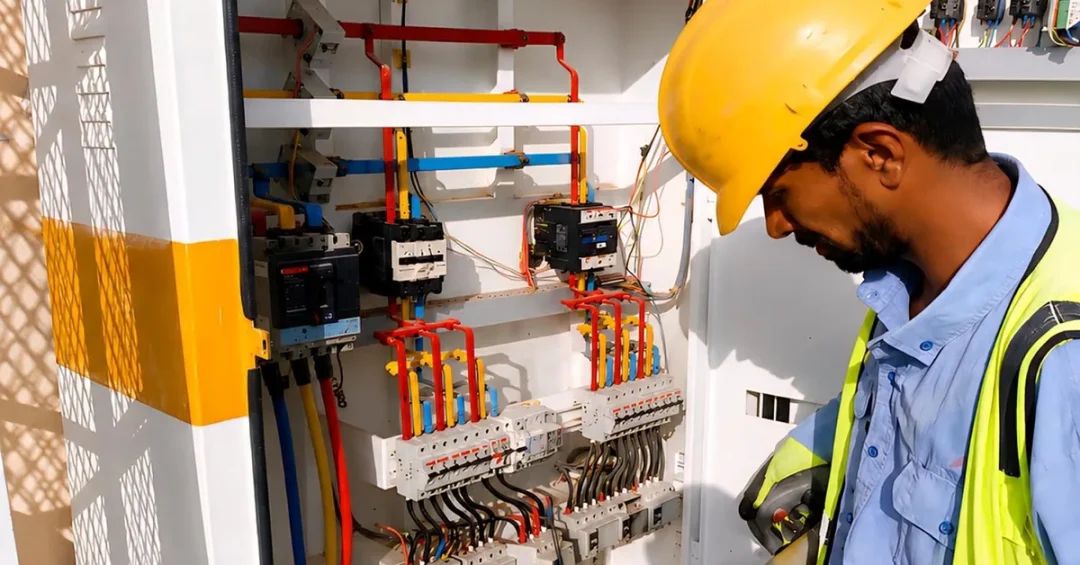
The Holy Makkah Municipality is continuing a comprehensive programme of field operations across roads, bridges, utilities, lighting, tunnels, and parks, according to information released through the Saudi Press Agency (SPA), in an effort to raise infrastructure efficiency, sustain service quality, and guarantee that public facilities remain fully ready for residents and the millions of visitors who travel to the holy city each year. The works form part of an integrated system of operation and maintenance projects that the municipality carries out continuously rather than only in the run-up to peak seasons, reflecting a systematic approach to urban stewardship in one of the most visited cities on earth.
Why does sustained maintenance in Makkah matter so much, not only to the Kingdom but to the global Muslim community? Because the holy city hosts pilgrims from more than 180 countries, and every road, tunnel, pedestrian bridge, and public park forms part of the experience of worship and travel. The figures released through official Saudi channels illustrate the scale involved: road and sidewalk works included paving 4,590 square metres, applying 4,030 square metres of traffic markings, laying 2,030 square metres of interlocking pavers and slipform concrete, and installing 1,886 linear metres of curbs. Bridge works covered 194 routine maintenance operations, sanding and painting 2,230 square metres of concrete surfaces, laying 700 square metres of interlocking pavers and slipform concrete, and installing 4,400 linear metres of curbs.
Context and Background
Has Makkah always received this level of round-the-clock municipal attention? The answer lies in the transformation of the city’s municipal governance over the past decade. The Holy Makkah Municipality operates within a national framework that treats the holy sites as a permanent priority, coordinating with the Ministry of Hajj and Umrah, the General Authority for the Care of the Grand Mosque and the Prophet’s Mosque, and other state agencies. The municipality’s mandate covers a vast and demanding geography: dense central districts around the Grand Mosque, expanding residential neighbourhoods, mountainous terrain, tunnel networks, and public parks that serve both residents and pilgrims throughout the year.
The significance of this continuous field programme is best understood against the scale of demand. Hajj and Umrah draw millions of worshippers annually, and the Kingdom has set ambitious targets to expand that capacity further under Vision 2030. Every square metre of paving, every linear metre of curb, and every lighting tower forms part of a chain of services that must function without interruption. Routine maintenance is therefore not a cosmetic exercise but an operational necessity, protecting public safety, easing movement, and preserving the dignity and comfort of the pilgrim experience that Saudi leadership has repeatedly identified as a sacred trust.
The municipality’s approach also reflects a broader shift in Saudi urban management toward preventive rather than reactive maintenance. Field teams document conditions, schedule interventions, and complete works in coordinated phases so that disruption to traffic and pedestrians is minimised. This disciplined method allows the municipality to keep pace with rapid urban growth in Makkah, where new districts, hotel capacity, and transport links are being developed in parallel with the expansion of the Grand Mosque and its surrounding facilities.
Roads, Bridges and Pedestrian Infrastructure
What do the latest figures reveal about the intensity of the work on the ground? The road and sidewalk programme alone delivered 4,590 square metres of paving, 4,030 square metres of traffic markings, 2,030 square metres of interlocking pavers and slipform concrete, and 1,886 linear metres of curbs. Traffic markings are particularly important in Makkah, where lane discipline and clear direction signage help manage dense vehicle and pedestrian flows, especially during pilgrimage seasons when roads operate near capacity around the clock.
Bridge maintenance accounted for 194 routine operations, alongside sanding and painting of 2,230 square metres of concrete surfaces, 700 square metres of interlocking pavers and slipform concrete, and 4,400 linear metres of curbs. Bridges in Makkah are not merely transport links; they are critical conduits that separate pedestrian and vehicle movement in areas of extreme congestion. Keeping their surfaces, joints, and safety features in optimal condition directly supports the smooth circulation of worshippers between the Grand Mosque, accommodation districts, and transport terminals.
Pedestrian infrastructure received dedicated attention as well, with maintenance carried out on 26 pedestrian bridges. These structures carry some of the heaviest foot traffic in the world during peak periods, and their condition affects everything from accessibility for elderly pilgrims to emergency evacuation readiness. The combination of bridge, road, and pedestrian works demonstrates a holistic understanding that infrastructure efficiency in Makkah depends on the performance of the entire network, not isolated assets.
Utilities, Lighting, Tunnels and Public Facilities
How does a city keep essential services running when millions of people depend on them simultaneously? The municipality’s answer is a rigorous schedule of inspection and repair across utilities and public facilities. The latest operations included maintenance of 81 sanitary facilities and one parking facility, ensuring that basic amenities remain clean, functional, and dignified for residents and visitors alike. Sanitary facilities are a frontline service during pilgrimage seasons, and their readiness is treated as a direct component of visitor care.
Lighting is another priority, with 1,820 lighting towers and poles maintained. Reliable illumination improves safety on roads and walkways, supports security monitoring, and enhances the nighttime environment of public spaces. In a city where movement continues late into the night, particularly during Ramadan and Hajj seasons, functioning lighting networks are indispensable to both comfort and order. The municipality’s maintenance of these assets reflects careful attention to energy efficiency and operational reliability.
Tunnel maintenance covered the cleaning and washing of 5,344 metres of tunnel infrastructure, a task that preserves visibility, structural integrity, and air quality in enclosed road sections. In addition, 42 fire alarm and firefighting systems were operated and maintained, underscoring the municipality’s commitment to safety standards in public infrastructure. Fire safety systems in tunnels, bridges, and facilities are subject to continuous verification, because readiness in an emergency depends entirely on equipment that has been tested and serviced in advance.
Parks, Landscaping and Quality of Life
Why should green space matter in a city defined by worship and dense urban movement? Because quality of life for residents and visitors is a core objective of Saudi urban policy, and parks provide essential breathing space amid the intensity of the holy city. The municipality’s landscaping teams mowed 8,000 square metres of green spaces, pruned 718 trees, and trimmed 11,620 square metres of hedges. These works maintain the visual character of public areas and support the health of urban vegetation in Makkah’s climate.
Tree pruning and hedge trimming are not merely aesthetic. Proper pruning reduces risk from falling branches, improves the growth and longevity of trees, and keeps sightlines clear along roads and walkways. Mowing and grounds maintenance prevent the deterioration of parks that serve families, children, and pilgrims seeking rest. The scale of the figures, with thousands of square metres of greenery tended in a single reporting period, indicates a sustained commitment rather than a seasonal gesture.
The municipality’s parks and landscaping programme also aligns with national efforts to expand green cover and improve the urban environment. Under the Saudi Green Initiative and Vision 2030 quality-of-life programmes, cities across the Kingdom are investing in public spaces that encourage outdoor activity, community gathering, and environmental resilience. Makkah’s landscaping operations contribute directly to that national effort while respecting the unique character and sanctity of the holy city.
International and Regional Impact
How do maintenance works in one city resonate across the wider region and the world? Makkah is the spiritual heart of the Islamic world, and the quality of its infrastructure shapes the experience of pilgrims from every continent. When roads are smooth, bridges are safe, tunnels are clean, and facilities are functional, the Kingdom delivers on its responsibility as custodian of the Two Holy Mosques. That responsibility is recognised internationally and reinforces Saudi Arabia’s standing as a reliable and capable host for the largest annual gatherings on earth.
Regional economies also benefit. Improved infrastructure supports the transport, hospitality, retail, and services sectors that serve pilgrims, generating employment and business activity that extends well beyond Makkah’s boundaries. Airlines, bus operators, hotels, and small businesses across the Kingdom depend on predictable, high-quality pilgrimage infrastructure. By maintaining these assets continuously, the municipality helps stabilise and strengthen a pilgrimage economy that is central to Saudi Arabia’s diversification agenda and its role as a global hub for religious travel.
Economic and Strategic Significance
What is the strategic value of routine maintenance in a national context? Efficient infrastructure lowers the long-term cost of service delivery by preventing small defects from becoming major failures. The municipality’s preventive approach protects public investment in roads, bridges, tunnels, and facilities, extending asset lifespans and reducing emergency repair expenditure. This is sound fiscal stewardship at a time when Saudi Arabia is directing substantial resources toward transformative projects while still demanding value from every riyal spent.
Strategically, the ability to maintain world-class infrastructure in Makkah supports the Kingdom’s broader ambition to welcome greater numbers of Umrah performers and Hajj pilgrims. Vision 2030 targets include expanding pilgrimage capacity and improving the quality of services throughout the journey. Every maintenance operation, from traffic markings to fire safety systems, contributes to that goal by ensuring that the physical environment can handle rising demand safely and comfortably. The municipality’s field operations are therefore an operational pillar of a national strategy, not a peripheral activity.
Vision 2030 Alignment
How does a paving project or a pruned tree connect to a national transformation plan? Vision 2030 is built on the idea that the quality of daily life, the strength of public services, and the dignity of the pilgrim experience are all measures of national success. The Holy Makkah Municipality’s ongoing field operations embody that idea in practice, delivering tangible improvements across roads, bridges, utilities, lighting, tunnels, and parks while upholding the highest standards of service for residents and visitors.
As Saudi Arabia continues its journey of modernisation under the leadership of the Custodian of the Two Holy Mosques and His Royal Highness the Crown Prince, the sustained performance of municipal services in Makkah will remain a visible expression of the Kingdom’s values and capabilities. The municipality’s work demonstrates that Vision 2030 is not confined to megaprojects; it is also present in clean tunnels, well-lit streets, safe bridges, and green parks that serve humanity’s most sacred journeys. Through continuous maintenance and careful planning, Makkah is being prepared to welcome the world for generations to come.
20 Questions
Q1. What is the Holy Makkah Municipality’s current field operations programme?
A1. It is a comprehensive system of operation and maintenance projects covering roads, bridges, utilities, lighting, tunnels, and parks, aimed at enhancing infrastructure efficiency, maintaining service quality, and ensuring public facilities are ready for residents and visitors.
Q2. How much paving was completed in the latest road and sidewalk works?
A2. The road and sidewalk works included paving 4,590 square metres, applying 4,030 square metres of traffic markings, laying 2,030 square metres of interlocking pavers and slipform concrete, and installing 1,886 linear metres of curbs.
Q3. What did the bridge maintenance operations involve?
A3. Bridge works included 194 routine maintenance operations, sanding and painting 2,230 square metres of concrete surfaces, laying 700 square metres of interlocking pavers and slipform concrete, and installing 4,400 linear metres of curbs.
Q4. How many pedestrian bridges were maintained?
A4. The municipality carried out maintenance work on 26 pedestrian bridges, which carry heavy foot traffic and are vital for safe movement between the Grand Mosque, accommodation districts, and transport terminals.
Q5. How many sanitary facilities were maintained?
A5. Maintenance work covered 81 sanitary facilities and one parking facility, ensuring that basic amenities remain clean, functional, and dignified for residents and the millions of pilgrims who visit Makkah.
Q6. How many lighting towers and poles were maintained?
A6. The municipality maintained 1,820 lighting towers and poles, improving safety on roads and walkways, supporting security monitoring, and enhancing the nighttime environment of public spaces across the holy city.
Q7. How much tunnel infrastructure was cleaned and washed?
A7. Cleaning and washing covered 5,344 metres of tunnels, a task that preserves visibility, structural integrity, and air quality in enclosed road sections used by dense traffic throughout the year.
Q8. How many fire alarm and firefighting systems were serviced?
A8. The municipality operated and maintained 42 fire alarm and firefighting systems, underscoring its commitment to safety standards and emergency readiness in public infrastructure such as tunnels, bridges, and facilities.
Q9. What landscaping work was carried out in parks and green spaces?
A9. The landscaping programme included mowing 8,000 square metres of green spaces, pruning 718 trees, and trimming 11,620 square metres of hedges, maintaining the visual character and health of public areas.
Q10. Why is routine maintenance important in Makkah?
A10. Makkah hosts millions of pilgrims from around the world, so every road, bridge, tunnel, and facility must function reliably. Routine maintenance protects public safety, eases movement, and preserves the quality of the pilgrim experience.
Q11. Which official source released the information?
A11. The information was released through the Saudi Press Agency (SPA), the Kingdom’s official news agency, reflecting the municipality’s commitment to transparency and public communication about its field operations.
Q12. How does this work support the pilgrim experience?
A12. Smooth roads, safe bridges, clean tunnels, functional sanitary facilities, and reliable lighting all contribute to a comfortable and dignified journey for pilgrims, from their arrival in Makkah to their departure.
Q13. What is the strategic value of preventive maintenance?
A13. Preventive maintenance lowers long-term costs by preventing small defects from becoming major failures, extends the lifespan of public assets, and reduces the need for emergency repairs, protecting public investment.
Q14. How does the programme handle traffic markings?
A14. Traffic markings are applied to improve lane discipline and direction signage, which is especially important in Makkah where dense vehicle and pedestrian flows require clear guidance, particularly during pilgrimage seasons.
Q15. How does the municipality coordinate its operations?
A15. The municipality works within a national framework alongside the Ministry of Hajj and Umrah and other state agencies, scheduling works in coordinated phases to minimise disruption to traffic and pedestrians.
Q16. What role do parks play in Makkah’s quality of life?
A16. Parks provide essential breathing space for residents and visitors, support outdoor activity and community gathering, and contribute to the quality-of-life objectives of Vision 2030 and the Saudi Green Initiative.
Q17. How does this work align with Vision 2030?
A17. Vision 2030 aims to expand pilgrimage capacity and improve service quality. Continuous infrastructure maintenance ensures the physical environment can handle rising demand safely, comfortably, and efficiently.
Q18. What economic sectors benefit from improved infrastructure?
A18. Transport, hospitality, retail, and services all benefit, generating employment and business activity that extends beyond Makkah and strengthens the Kingdom’s pilgrimage economy and diversification agenda.
Q19. How does the municipality ensure emergency readiness?
A19. Fire alarm and firefighting systems are continuously operated and maintained, and safety features on bridges and tunnels are inspected, because emergency readiness depends on equipment that has been tested and serviced in advance.
Q20. What does this programme say about Saudi Arabia’s approach to the holy city?
A20. It demonstrates a sustained national commitment to treating Makkah as a permanent priority, combining modern urban management with respect for the city’s sanctity and its central role in the Islamic world.
Reader Feedback
We value your thoughts. Please share your feedback on this article.
Your feedback helps us improve our coverage.
Related articles
 Floods and Landslides Kill 15 in Philippines, SPA Reports
 Saudi Interior Ministry Receives Mauritius Ambassador
 Arabian Leopard Fund Opens 2026 Small Grants Applications
 Saudi Media Forum Opens New Horizons for Global Media Cooperation
 4.5 Magnitude Earthquake Strikes Pakistani Coast
 NCM Issues Weather Alert for Sharurah: Rain and Winds