


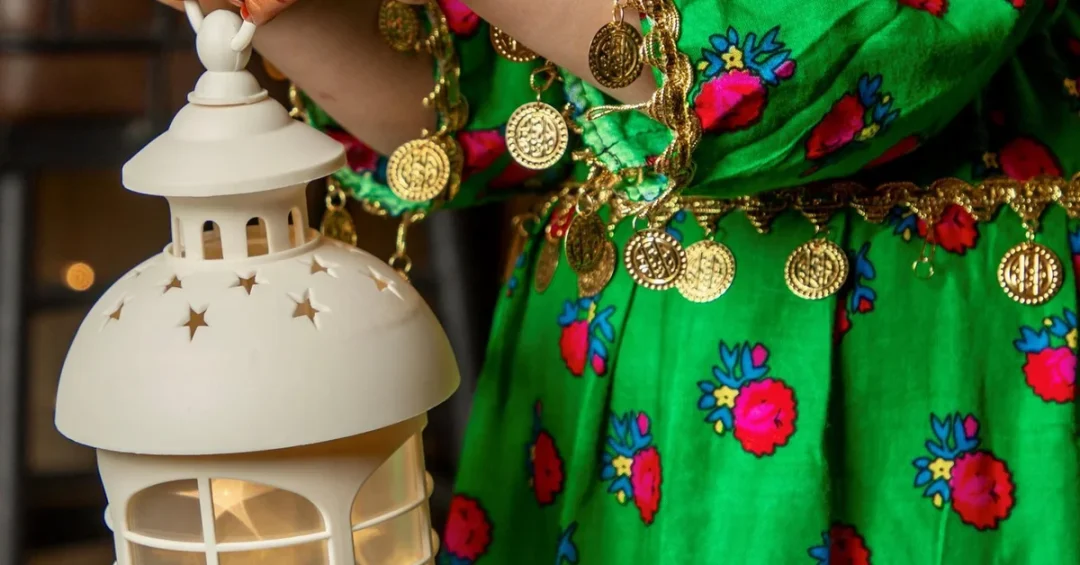
Families across Saudi Arabia’s Northern Borders region are reviving a cherished Ramadan tradition of applying henna to the hands of young girls who are embarking on their first fast, according to the Saudi Press Agency (SPA). The practice, deeply rooted in the cultural identity of the area, transforms a child’s first experience of fasting into a joyful and memorable milestone. As the holy month begins, households in Arar and surrounding communities gather to decorate their daughters’ hands with intricate henna designs, celebrating both spiritual devotion and familial bonds.
Have you ever wondered how a simple plant-based dye became a symbol of faith and festivity for an entire generation? In the Northern Borders, henna is far more than adornment; it is a gesture of encouragement, a marker of maturity, and a bridge between religious observance and childhood delight. The Saudi Press Agency reported that the custom is widespread and eagerly anticipated, with many families viewing it as an essential part of ushering their children into the rhythms of Ramadan. This tradition not only honors the sanctity of the month but also reinforces the Kingdom’s rich social heritage, passed down through generations with pride and affection.
Context and Background
Why does a centuries-old practice still hold such significance in modern Saudi Arabia? Henna, derived from the Lawsonia inermis plant, has been used across the Arabian Peninsula for millennia as a natural cosmetic and cultural emblem. In the Northern Borders region, its association with Ramadan is particularly pronounced. According to the Saudi Press Agency, the approach of the holy month prompts families to prepare henna paste and gather for communal application sessions. These gatherings often include mothers, grandmothers, and aunts, who share stories and prayers while adorning the children’s hands. The ritual serves as an informal induction into the adult world of fasting, prayer, and charity, making the child feel like an active participant rather than a passive observer.
Wejdan Al-Anzi, a resident of Arar, told the SPA that the tradition has been maintained for years in her family. She explained that applying henna to their daughters’ hands when they begin fasting is a delightful custom that helps children feel connected to the Ramadan spirit shared by the adults around them. This sentiment is echoed across the region, where the custom is seen as a gentle way to instill religious values without overwhelming young minds. By linking the first fast to a festive and beautiful experience, families ensure that children associate worship with joy, community, and belonging. The practice also reflects the broader Saudi commitment to preserving cultural heritage while embracing the spiritual essence of Ramadan.
Key Details
What exactly happens during these henna gatherings, and why are they so meaningful? In the days leading up to Ramadan, or on the eve of the first fast, families in Arar and nearby towns prepare henna by grinding dried leaves and mixing them with water, lemon juice, or rose water to create a smooth paste. The paste is then applied in elaborate patterns—often floral or geometric—on the palms and fingers of the young girls. Once the paste dries and is removed, it leaves a reddish-brown stain that can last for weeks. For the children, the resulting designs are a badge of honor, proudly displayed to friends and relatives. The process is accompanied by laughter, songs, and sometimes small gifts, turning the occasion into a mini-celebration.
Afaf Al-Thuwaini, another local resident, highlighted to the SPA that this tradition extends beyond mere aesthetics. She noted that it cultivates essential religious and social values in children, helping them connect fasting with an atmosphere of joy and celebration. The henna ritual thus serves a dual purpose: it beautifies the child and beautifies the experience of fasting. Parents use the occasion to explain the significance of Ramadan—patience, empathy, and gratitude—in a language children can understand. The shared activity also strengthens family ties and community cohesion, as neighbors often visit one another to admire the henna and exchange blessings. These simple yet meaningful traditions foster a deep appreciation for devotion in children, playing a significant role in shaping their religious and social character.
International and Regional Impact
How does a local custom in Saudi Arabia resonate beyond its borders? The henna tradition in the Northern Borders is part of a broader tapestry of Ramadan practices observed across the Muslim world, from Morocco to Indonesia. However, the Saudi approach—emphasizing family participation and positive reinforcement—offers a distinctive model for nurturing religious identity in children. International observers and cultural anthropologists often point to such grassroots practices as vital components of intangible cultural heritage. By sharing these stories through official channels like the Saudi Press Agency, the Kingdom showcases its commitment to preserving traditions that align with universal values of family, faith, and joy. This soft cultural diplomacy enhances Saudi Arabia’s image as a nation that honors its roots while engaging with the global community.
Regionally, the henna custom reinforces the shared cultural bonds among Gulf Cooperation Council (GCC) states, where similar practices exist with local variations. In Kuwait, Qatar, and the UAE, henna is also applied during Ramadan and Eid, though the specific timing and designs may differ. The Northern Borders tradition thus contributes to a sense of pan-Gulf identity, even as it remains uniquely Saudi in its execution. Moreover, as Saudi Arabia welcomes millions of pilgrims and tourists each year, such cultural expressions become part of the Kingdom’s appeal as a destination that offers authentic experiences. Visitors during Ramadan may encounter henna stalls in markets or be invited to family gatherings, creating lasting memories and fostering cross-cultural understanding.
Economic and Strategic Significance
Can a cultural tradition also drive economic activity and strategic goals? Absolutely. The demand for henna during Ramadan stimulates local markets, from farmers who cultivate the henna plant to artisans who prepare and sell the paste, and from designers who create intricate patterns to vendors who offer ready-made cones. In the Northern Borders, this seasonal commerce provides income for small businesses and entrepreneurs, many of whom are women. The Saudi Vision 2030 aims to boost women’s participation in the economy and support small and medium enterprises (SMEs), and the henna trade exemplifies these objectives at a micro level. Additionally, the tradition attracts domestic tourism, as families from other regions visit the Northern Borders to experience its unique Ramadan atmosphere, staying in local hotels and dining in restaurants.
Strategically, the preservation of such customs aligns with the Kingdom’s efforts to diversify its economy beyond oil and to promote cultural tourism. The Saudi Tourism Authority has been actively developing heritage experiences across the country, including in the Northern Borders, which boasts archaeological sites and natural landscapes. By integrating henna rituals into broader tourism offerings—such as Ramadan festivals and cultural villages—Saudi Arabia can attract visitors seeking authentic, immersive experiences. This not only generates revenue but also creates jobs and fosters a sense of pride among local communities. Furthermore, the positive portrayal of Saudi traditions in international media, facilitated by official news agencies, helps counter stereotypes and presents a dynamic, forward-looking nation that values its heritage.
Vision 2030 Alignment
How does a simple henna design connect to a grand national vision? Saudi Vision 2030, launched by Crown Prince Mohammed bin Salman, seeks to build a vibrant society, a thriving economy, and an ambitious nation. The henna tradition directly supports the vision’s social pillar by strengthening family bonds, transmitting cultural values, and enhancing the quality of life for citizens. It also contributes to the economic pillar by stimulating local commerce and creating opportunities for women and youth. Moreover, the tradition embodies the vision’s emphasis on preserving Saudi heritage while embracing modernity. As the Kingdom undergoes rapid transformation, such customs serve as anchors of identity, reminding citizens of their rich history even as they stride into the future.
In the Northern Borders, the henna ritual is more than a passing custom; it is a living expression of the values that Vision 2030 seeks to nurture: faith, family, and community. By encouraging children to embrace Ramadan with joy, families are raising a generation that will carry forward the Kingdom’s spiritual and cultural legacy. The Saudi Press Agency’s coverage of this tradition highlights the importance of grassroots practices in achieving national goals. As Saudi Arabia continues to open up to the world, sharing such stories helps global audiences appreciate the depth and warmth of Saudi society. Ultimately, the henna on a child’s hand is a small but powerful symbol of a nation that honors its past while building a bright future for all.
20 Questions
Q1. What is the henna tradition in Saudi Arabia’s Northern Borders region?
A1. It is a Ramadan custom where families apply henna to the hands of young girls who are fasting for the first time. This festive practice encourages children and connects them to the spiritual joy of the holy month.
Q2. Why is henna applied to children’s hands during Ramadan?
A2. Henna is applied to make the first fasting experience enjoyable and memorable. It boosts children’s enthusiasm and pride, helping them feel connected to the Ramadan spirit shared by adults in their community.
Q3. Who reported on this tradition?
A3. The Saudi Press Agency (SPA) reported on the tradition from Arar in the Northern Borders region. The SPA is the Kingdom’s official news agency, providing reliable information on Saudi cultural and social life.
Q4. What did Wejdan Al-Anzi say about the custom?
A4. Wejdan Al-Anzi, a resident of Arar, said her family has applied henna to their daughters’ hands for years when they begin fasting. She described it as a delightful custom that helps children feel connected to Ramadan.
Q5. How does henna benefit children beyond aesthetics?
A5. According to Afaf Al-Thuwaini, the tradition cultivates essential religious and social values. It helps children connect fasting with joy and celebration, shaping their religious and social character positively.
Q6. What is henna made from?
A6. Henna is made from the dried leaves of the Lawsonia inermis plant, ground into a powder and mixed with water, lemon juice, or rose water. It is a natural dye used for body art.
Q7. When is henna typically applied for this tradition?
A7. Families usually apply henna in the days leading up to Ramadan or on the eve of the first fast. The timing allows the stain to develop and be ready for the start of the holy month.
Q8. Is this tradition unique to the Northern Borders region?
A8. While henna is used across Saudi Arabia and the wider Muslim world, the specific custom of applying it to children beginning to fast is particularly cherished in the Northern Borders. Similar practices exist in other Gulf states.
Q9. How does the henna tradition support Vision 2030?
A9. It supports Vision 2030 by strengthening family bonds, preserving cultural heritage, and stimulating local economic activity. It also aligns with the vision’s goals of enhancing quality of life and empowering women.
Q10. What economic impact does the henna tradition have?
A10. The tradition boosts local markets for henna farmers, artisans, and vendors, many of whom are women. It also attracts domestic tourism to the Northern Borders, supporting small businesses and creating seasonal jobs.
Q11. How do children react to receiving henna?
A11. Children feel proud and enthusiastic, showcasing their decorated hands to friends and family. The experience makes them feel special and included in the adult observance of Ramadan, reinforcing positive associations with fasting.
Q12. Does henna have any religious significance in Islam?
A12. Henna is not a religious requirement but a cultural practice. It is considered permissible and is often used during celebrations. In this context, it serves to encourage children in their spiritual development.
Q13. Are there any health concerns with using henna on children?
A13. Natural henna is generally safe for skin. However, some commercial henna products may contain additives. Families in the Northern Borders typically use traditional, natural henna, which is gentle and safe for children.
Q14. How long does the henna stain last?
A14. The stain from natural henna can last from one to three weeks, depending on skin type and aftercare. Children often enjoy the design for the duration of Ramadan and beyond.
Q15. What other Ramadan traditions are common in the Northern Borders?
A15. Other traditions include communal iftars, special prayers, and children’s games. The region is known for its strong community bonds and festive atmosphere during Ramadan, with henna being a highlight for young girls.
Q16. How can visitors experience this tradition?
A16. Visitors to the Northern Borders during Ramadan may find henna stalls in local markets or be invited to family gatherings. The Saudi Tourism Authority promotes cultural experiences that include such traditions.
Q17. Is the henna tradition dying out or thriving?
A17. It is thriving, as families continue to pass it down to younger generations. The SPA’s coverage and the Kingdom’s cultural preservation efforts help keep the tradition alive and visible.
Q18. What role do women play in this tradition?
A18. Women are the primary practitioners, applying henna and organizing gatherings. This empowers them economically and socially, aligning with Vision 2030’s goal of increasing women’s participation in all sectors.
Q19. How does this tradition reflect Saudi culture’s values?
A19. It reflects values of family, faith, and joy. By celebrating a child’s first fast, the community reinforces the importance of Ramadan and the bonds that unite generations in love and devotion.
Q20. What is the broader significance of such traditions for Saudi Arabia?
A20. They showcase the Kingdom’s rich heritage and its ability to balance tradition with modernity. As Saudi Arabia opens to the world, these customs offer authentic experiences and strengthen national identity in line with Vision 2030.
Reader Feedback
We value your thoughts. Please share your feedback on this article.
Your feedback helps us improve our coverage.
Related articles
 Ramadan Drives Higher Demand for Siwak Across Saudi Arabia
 Islamic Arts Biennale 2025 Opens in Jeddah with Rare Exhibits
 Riyadh Glows with Lanterns for Ramadan Celebrations
 Jeddah Historic District Hosts Ramadan Season 2025
 Traditional Games Bring Families Together during Ramadan
 Diriyah Biennale Foundation Launches Ramadan ‘Biennale Nights