


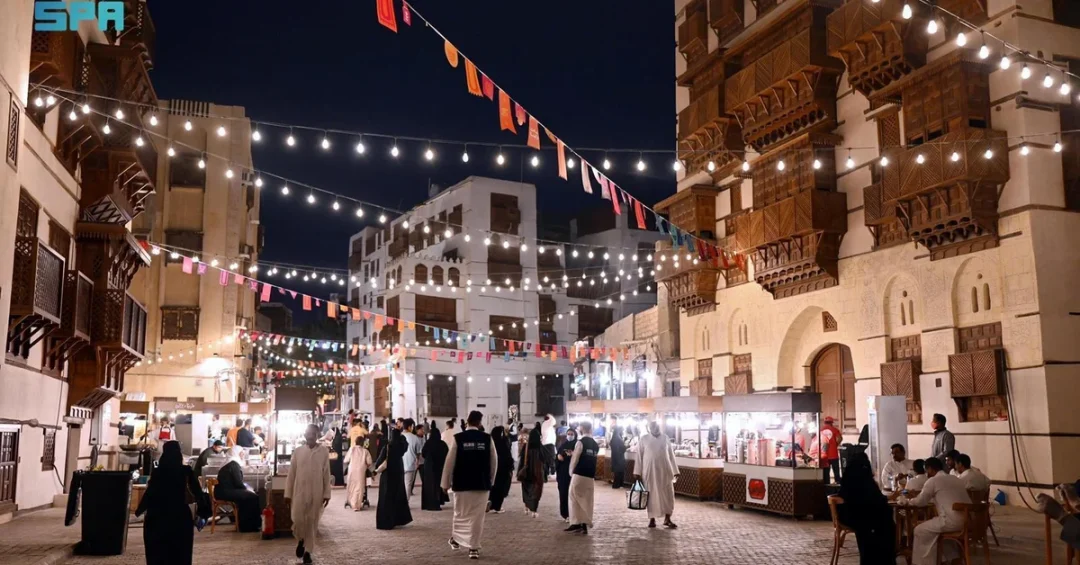
The Jeddah Historic District, a UNESCO World Heritage Site, is hosting Ramadan Season 2025, organized by the Jeddah Historic District Program under the Ministry of Culture, to revive cultural heritage and promote Saudi identity through a variety of Ramadan-themed activities. The program, announced via the Saudi Press Agency, invites visitors from the Kingdom and around the world to experience the unique blend of history, spirituality, and community that defines the holy month in this storied quarter of Jeddah.
Have you ever imagined walking through centuries-old alleyways illuminated by the soft glow of Ramadan lanterns, surrounded by the aromas of traditional Saudi cuisine and the sounds of cultural performances? Jeddah Historic District, known locally as Al-Balad, offers precisely that. The Ramadan Season 2025 initiative is designed to showcase the district’s rich heritage while providing immersive experiences that connect visitors with Saudi Arabia’s deep-rooted traditions. The program is part of broader efforts by the Ministry of Culture to preserve the Kingdom’s cultural legacy and to share it with a global audience, aligning with the objectives of Saudi Vision 2030. As the holy month approaches, the historic district is preparing to welcome guests with a calendar full of activities that celebrate faith, family, and heritage.
Context and Background
Why does the Jeddah Historic District hold such a special place in Saudi Arabia’s cultural landscape? Al-Balad, the historic heart of Jeddah, was inscribed as a UNESCO World Heritage Site in 2014, recognizing its outstanding value as a testament to the Red Sea’s maritime trade and the region’s multicultural history. The district is characterized by its distinctive multi-story buildings made of coral stone, intricate wooden latticework known as roshan, and a labyrinth of narrow streets that have witnessed centuries of pilgrims and traders passing through. The Jeddah Historic District Program, established under the Ministry of Culture, is tasked with revitalizing this area while preserving its architectural and cultural integrity. Ramadan Season 2025 is a key initiative within this framework, aiming to bring the district to life during the holy month and to foster a deeper appreciation for Saudi heritage among both residents and visitors.
The Ministry of Culture has been instrumental in developing programs that highlight the Kingdom’s diverse cultural tapestry. Under the leadership of His Highness Prince Badr bin Abdullah bin Farhan Al Saud, the Minister of Culture, the ministry has launched numerous initiatives to support artists, preserve historical sites, and promote cultural exchange. The Jeddah Historic District Program specifically focuses on urban regeneration that respects the area’s historical context while introducing modern amenities and opportunities for economic growth. By hosting Ramadan Season 2025, the program not only celebrates the spiritual significance of the month but also reinforces the district’s role as a dynamic cultural hub. This aligns with the Ministry’s broader mission to enhance the quality of life for citizens and to position Saudi Arabia as a leading destination for cultural tourism.
Key Details of Ramadan Season 2025
What can visitors expect from Ramadan Season 2025 in the Jeddah Historic District? The program features a diverse array of activities designed to engage all ages. Visitors can embark on guided tours of historical houses, many of which have been restored to their former glory, offering a glimpse into the traditional lifestyles of Jeddah’s inhabitants. These tours provide insight into the architectural ingenuity of the past, including the natural cooling systems and intricate designs that made these buildings suitable for the Red Sea climate. Traditional food and markets will be abundant, with local vendors offering authentic Hijazi cuisine, sweets, and beverages that are staples of the Ramadan table. The heritage markets serve as a platform for local entrepreneurs to showcase their products, from handmade crafts to traditional clothing, thereby stimulating the local economy and supporting small businesses.
In addition to culinary and shopping experiences, the program includes craft workshops where visitors can learn traditional skills such as pottery, weaving, and woodwork. These workshops are led by skilled artisans who are eager to pass on their knowledge to the next generation. Family-friendly events are also a cornerstone of the season, with activities tailored for children, including storytelling, calligraphy classes, and interactive games that teach the values of Ramadan. The atmosphere is further enriched by cultural performances, including music and dance, that reflect the diverse influences that have shaped Jeddah’s identity over the centuries. The Jeddah Historic District Program has ensured that all activities are respectful of the sanctity of Ramadan, focusing on spiritual reflection, community bonding, and charitable giving.
Moreover, the program emphasizes accessibility and inclusivity. The district has been equipped with improved infrastructure to accommodate visitors, including better lighting, signage, and pedestrian pathways. Efforts have been made to ensure that people with disabilities can also enjoy the festivities. The Jeddah Historic District Program collaborates with local authorities to manage crowds and maintain safety, ensuring a pleasant experience for all. The season also includes special events such as Quran recitation competitions, lectures on Islamic history, and charity iftar meals that bring together people from all walks of life. These initiatives not only celebrate the holy month but also strengthen the social fabric of the community.
International and Regional Impact
How does Ramadan Season 2025 in Jeddah Historic District resonate beyond Saudi Arabia’s borders? The event is poised to attract international visitors, particularly from the Middle East, Asia, and Europe, who are interested in experiencing Ramadan in a historically rich setting. Saudi Arabia has been increasingly opening its doors to tourists through initiatives like the tourist visa program, and cultural events such as this serve as a magnet for travelers seeking authentic experiences. The presence of international visitors fosters cultural exchange and helps to dispel misconceptions about the Kingdom, showcasing its hospitality and vibrant traditions. Furthermore, the event highlights Jeddah’s historical role as a gateway to the Red Sea and a melting pot of cultures, reinforcing its status as a bridge between East and West.
Regionally, Ramadan Season 2025 contributes to the broader narrative of Saudi Arabia’s leadership in preserving Islamic heritage and promoting moderate values. By organizing such a high-profile event, the Kingdom demonstrates its commitment to cultural diplomacy and its ability to host large-scale gatherings that honor tradition while embracing modernity. The event also serves as a model for other cities in the region, showing how historic districts can be revitalized through cultural programming. The success of Ramadan Season 2025 could lead to increased cooperation among Gulf Cooperation Council (GCC) countries in tourism and cultural exchange, further integrating the region’s economies and societies. Ultimately, the event strengthens Saudi Arabia’s soft power and its position as a global cultural destination.
Economic and Strategic Significance
What economic benefits does Ramadan Season 2025 bring to Jeddah and the Kingdom? The event stimulates local commerce by drawing crowds to the historic district, benefiting businesses such as restaurants, cafes, and shops. The heritage markets provide a direct outlet for entrepreneurs, many of whom are young Saudis looking to establish themselves in the retail sector. This aligns with Vision 2030’s goal of increasing the private sector’s contribution to the economy and creating job opportunities for citizens. Additionally, the event supports the tourism sector, which is a key pillar of Vision 2030. By attracting visitors from within Saudi Arabia and abroad, Ramadan Season 2025 helps to increase hotel occupancy, boost spending in the hospitality industry, and generate revenue for local service providers.
Strategically, the event reinforces the importance of preserving cultural heritage as an economic asset. The Jeddah Historic District Program’s efforts to restore and maintain the area’s historic buildings have not only preserved a national treasure but also created a valuable tourist attraction. This dual focus on conservation and development is a cornerstone of Saudi Arabia’s approach to sustainable tourism. The event also showcases the Kingdom’s ability to host cultural events that meet international standards, further enhancing its reputation as a destination for leisure and business. As Saudi Arabia continues to diversify its economy away from oil, cultural tourism events like Ramadan Season 2025 play a vital role in showcasing the Kingdom’s non-oil sectors and attracting foreign investment.
Vision 2030 Alignment
How does Ramadan Season 2025 embody the goals of Saudi Vision 2030? The event directly contributes to several objectives of the Vision, including the preservation of cultural heritage, the promotion of national identity, and the enhancement of quality of life. Vision 2030 emphasizes the importance of safeguarding Saudi Arabia’s cultural and historical sites, and the Jeddah Historic District Program is a prime example of this commitment in action. By revitalizing the district and making it accessible to the public, the program ensures that future generations can connect with their heritage. Moreover, the event supports the Vision’s aim to increase tourism’s contribution to the GDP and to create a vibrant society where citizens and residents can enjoy cultural and recreational activities.
Furthermore, Ramadan Season 2025 reflects the Vision’s focus on empowering youth and supporting small businesses. The heritage markets and craft workshops provide platforms for young entrepreneurs and artisans to display their talents and grow their enterprises. This aligns with the Vision’s goal of fostering a thriving private sector and reducing unemployment. The event also promotes social cohesion by bringing families and communities together during the holy month, reinforcing the values of compassion and generosity. As Saudi Arabia continues its journey toward a diversified and sustainable future, initiatives like Ramadan Season 2025 demonstrate how cultural heritage can be a driving force for economic and social progress. The Jeddah Historic District stands as a testament to the Kingdom’s ability to honor its past while building a prosperous tomorrow.
20 Questions
Q1. What is the Jeddah Historic District?
A1. The Jeddah Historic District, also known as Al-Balad, is a UNESCO World Heritage Site in Jeddah, Saudi Arabia. It is renowned for its historic coral stone buildings, traditional architecture, and role as a historic gateway for pilgrims and traders.
Q2. Who is organizing Ramadan Season 2025 in the district?
A2. The event is organized by the Jeddah Historic District Program under the Ministry of Culture, as part of efforts to revive cultural heritage and promote Saudi identity during the holy month of Ramadan.
Q3. When does Ramadan Season 2025 take place?
A3. Ramadan Season 2025 takes place during the Islamic holy month of Ramadan, which in 2025 is expected to begin in late February or early March, depending on the lunar calendar.
Q4. What activities are included in Ramadan Season 2025?
A4. Activities include guided tours of historical houses, traditional food and markets, craft workshops, family-friendly events, cultural performances, and charity iftar meals, all designed to celebrate Ramadan and Saudi heritage.
Q5. How does the event support local entrepreneurs?
A5. The heritage markets provide a platform for local entrepreneurs to showcase and sell their products, stimulating the local economy and supporting small businesses, in line with Vision 2030 goals.
Q6. Is the event open to international visitors?
A6. Yes, the event is open to all visitors, including international tourists. Saudi Arabia welcomes guests to experience its cultural heritage and hospitality during Ramadan.
Q7. What is the significance of the Jeddah Historic District being a UNESCO site?
A7. The UNESCO designation recognizes the district’s outstanding universal value, reflecting its historical role in maritime trade, pilgrimage routes, and multicultural exchange. It underscores the importance of preserving this heritage for future generations.
Q8. How does Ramadan Season 2025 align with Saudi Vision 2030?
A8. It aligns with Vision 2030 by preserving cultural heritage, promoting national identity, enhancing quality of life, supporting tourism, and empowering youth and small businesses through cultural and economic activities.
Q9. What types of traditional food can visitors expect?
A9. Visitors can enjoy authentic Hijazi cuisine, including dishes like saleeg, murtabak, and various Ramadan sweets such as luqaimat and kunafa, reflecting the rich culinary heritage of the region.
Q10. Are there activities specifically for children?
A10. Yes, the program includes family-friendly events such as storytelling, calligraphy classes, and interactive games that teach children about Ramadan values and Saudi traditions in an engaging manner.
Q11. How does the event promote Saudi identity?
A11. Through cultural performances, traditional crafts, and heritage displays, the event highlights Saudi customs and values, fostering a sense of pride and connection to national heritage among visitors and residents.
Q12. What measures are in place to ensure safety and crowd management?
A12. The Jeddah Historic District Program collaborates with local authorities to implement crowd control, improved infrastructure, and safety protocols to ensure a secure and enjoyable experience for all attendees.
Q13. Can visitors with disabilities participate in the activities?
A13. Yes, the district has been equipped with improved accessibility features, including pathways and facilities, to accommodate visitors with disabilities, ensuring inclusivity for all.
Q14. What economic impact does the event have on Jeddah?
A14. The event boosts local commerce, increases tourism spending, supports small businesses, and creates job opportunities, contributing to the economic growth of Jeddah and the Kingdom.
Q15. How does the event reflect Saudi Arabia’s cultural diplomacy?
A15. By hosting an inclusive and high-profile cultural event, Saudi Arabia showcases its heritage and moderate values, fostering international goodwill and cultural exchange, thereby enhancing its soft power.
Q16. What is the role of the Ministry of Culture in this event?
A16. The Ministry of Culture oversees the Jeddah Historic District Program, providing strategic direction and resources to preserve heritage, promote cultural activities, and ensure the event’s success in line with national objectives.
Q17. Are there opportunities for volunteering during the event?
A17. Yes, the program offers volunteering opportunities for individuals to contribute to the event’s success, gaining experience in cultural event management and community service.
Q18. How does the event handle waste management and environmental sustainability?
A18. The organizers implement waste management protocols, including recycling and cleanliness campaigns, to minimize environmental impact and promote sustainability during the event.
Q19. What makes Ramadan in Jeddah Historic District unique?
A19. The combination of spiritual atmosphere, historical architecture, traditional cuisine, and community activities creates a unique Ramadan experience that blends faith, heritage, and modernity in a UNESCO World Heritage setting.
Q20. How can visitors learn more about Ramadan Season 2025?
A20. Visitors can find information on the official websites of the Saudi Press Agency, the Ministry of Culture, and the Jeddah Historic District Program, as well as through social media channels and local tourism offices.
Reader Feedback
We value your thoughts. Please share your feedback on this article.
Your feedback helps us improve our coverage.
Related articles
 Traditional Games Bring Families Together during Ramadan
 Diriyah Biennale Foundation Launches Ramadan ‘Biennale Nights
 First House Exhibition at Grand Mosque Showcases Kaaba History
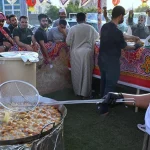 Al-Balad Bazaars Revive Ramadan Spirit in Historic Jeddah
 Islamic Arts Biennale Highlights Euclid’s Elements in Jeddah
 Holy Quran Museum Opens in Makkah’s Hira Cultural District