


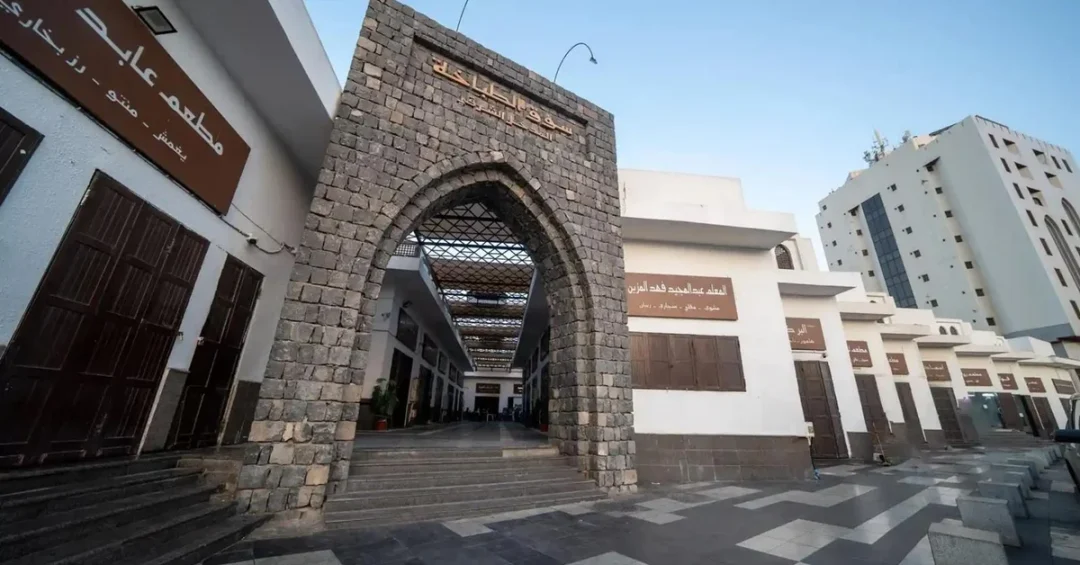
The Chefs Market in Madinah, one of the Kingdom of Saudi Arabia’s most cherished culinary destinations, continues to draw residents and international visitors with a distinctive array of traditional dishes rooted in the heritage of the Al Madinah Region, according to information released by the Saudi Press Agency. Formerly located adjacent to the Prophet’s Mosque, the market has relocated to the Al-Magharba neighborhood on Prince Abdulmohsen bin Abdulaziz Road, approximately one kilometer from the Prophet’s Mosque, where it remains a vibrant center of hospitality and local flavor.
The market operates under the oversight of the Al Madinah Region Development Authority, which supervises its organization and services as part of broader efforts to elevate the visitor experience in the holy city. More than 40 restaurants operate within the market, serving dishes such as Kabuli rice, Bukhari rice, muqalqal, camuniah, manto, yaghmush, mandi, kebabs, and a variety of fish preparations. With a heritage spanning more than four decades, the Chefs Market functions not only as a place to eat but also as a living record of Madinah’s culinary identity. Could any single market truly capture the flavors of an entire region? For many visitors, this one comes remarkably close, offering a concentrated taste of a cuisine shaped by centuries of trade, pilgrimage, and community life.
Context and Background
How did a modest gathering of cooks beside the Prophet’s Mosque grow into one of the most recognized food destinations in western Saudi Arabia? The story begins more than forty years ago, when vendors and chefs established a presence close to the Prophet’s Mosque to serve pilgrims and residents seeking authentic local dishes. Over time, the market became a familiar landmark, known for the quality and consistency of its traditional cooking. Its relocation to the Al-Magharba neighborhood, roughly one kilometer away on Prince Abdulmohsen bin Abdulaziz Road, was carried out while preserving that legacy, ensuring that the market’s identity traveled with it.
The market’s design deliberately reflects the essence of Madinah, incorporating architectural cues that echo the city’s heritage rather than adopting a generic commercial style. This approach matters because the Al Madinah Region Development Authority has prioritized projects that harmonize urban modernization with cultural preservation. The Chefs Market therefore serves as a practical example of how development can proceed without erasing the character that makes a place distinctive. For international readers unfamiliar with the city, the market offers an accessible entry point into Madinah’s daily life, one plate at a time.
Madinah itself occupies a unique position in the Kingdom. As the site of the Prophet’s Mosque, it receives millions of visitors annually, particularly during Ramadan, when the city’s population swells with pilgrims performing Umrah and worshippers attending prayers. This steady flow of visitors creates sustained demand for food services, and the Chefs Market has evolved to meet that demand without losing its traditional orientation. The result is a market that is both commercially active and culturally grounded.
Key Details
What exactly does a visitor encounter when walking through the market? The answer lies in the sheer variety of dishes on offer, each with its own regional lineage. Kabuli rice and Bukhari rice reflect the influence of Central Asian culinary traditions that traveled along pilgrimage and trade routes. Muqalqal, a hearty dish, and camuniah, prepared with cumin and other spices, represent local interpretations of slow-cooked comfort food. Manto, a steamed dumpling dish, and yaghmush, a stew-like preparation, add further diversity. Mandi, a slow-cooked rice and meat specialty, and grilled kebabs round out the savory offerings, while various fish dishes speak to the market’s breadth.
The market remains busy throughout the year, but Ramadan transforms it into one of the city’s most active food hubs. Visitors seeking traditional dishes for iftar meals arrive in large numbers, and the market becomes especially crowded following the taraweeh prayers at the Prophet’s Mosque. This rhythm of activity is not accidental; it reflects the market’s location and its longstanding role as a reliable source of prepared meals for worshippers and families. For many residents of Madinah, the market is woven into the fabric of the holy month itself, a place where the day’s fast ends amid the aromas and conversations of a shared table.
According to the Saudi Press Agency, the market’s oversight by the Al Madinah Region Development Authority ensures that operations, hygiene, and visitor services meet established standards. This institutional involvement distinguishes the Chefs Market from informal street food clusters and signals the Kingdom’s broader commitment to organizing tourism and hospitality infrastructure in line with Vision 2030. The market’s more than 40 restaurants operate within a managed environment, which benefits both vendors and visitors.
International and Regional Impact
Why should an international audience pay attention to a food market in Madinah? Because food is one of the most direct expressions of cultural identity, and the Chefs Market presents Saudi hospitality in a form that visitors can experience immediately. For tourists from Asia, Europe, and the wider Middle East, the market offers an authentic alternative to hotel dining, allowing them to sample dishes that have been prepared in the region for generations. This kind of cultural exchange supports the Kingdom’s goal of attracting a broader range of international visitors, not only for religious pilgrimage but also for heritage and culinary tourism.
Regionally, the market reinforces Madinah’s position as a destination that combines spiritual significance with everyday vitality. Pilgrims from across the Islamic world bring their own culinary expectations, and the market’s ability to serve both traditional Hijazi dishes and familiar regional staples helps bridge those expectations. The presence of dishes with Central Asian, South Asian, and Middle Eastern roots reflects the city’s historical role as a meeting point. In this sense, the Chefs Market is a small but meaningful example of how Saudi Arabia’s cities absorb and celebrate diverse influences within a distinctly Saudi framework.
Economic and Strategic Significance
What does the market contribute beyond food? Economically, it supports dozens of restaurant operators, employees, suppliers, and logistics providers, forming part of the local small and medium enterprise ecosystem that Vision 2030 seeks to strengthen. The market’s steady foot traffic creates reliable demand, which in turn sustains jobs and encourages investment in food quality and service standards. For the Al Madinah Region, this contributes to a more diversified local economy that is less dependent on any single sector.
Strategically, the market aligns with the Kingdom’s efforts to expand the visitor economy. Saudi Arabia has invested heavily in tourism infrastructure, visa facilitation, and heritage preservation, and destinations like the Chefs Market complement large-scale projects by offering authentic, community-level experiences. International visitors increasingly seek places where local life is visible and accessible, and the market fits that demand precisely. Its proximity to the Prophet’s Mosque, roughly one kilometer away, makes it a natural stop for visitors already in the area, extending their time in the city and increasing spending in surrounding businesses.
Vision 2030 Alignment
How does a traditional food market connect to a national transformation plan? Vision 2030 emphasizes diversifying the economy, creating opportunities for small businesses, and enhancing the quality of life for citizens and visitors alike. The Chefs Market advances each of these objectives in a modest but tangible way. It preserves heritage while operating as a modern commercial venue, it supports local entrepreneurship, and it enriches the visitor experience in one of the Kingdom’s most important cities.
The market also reflects the leadership’s broader commitment to presenting Saudi Arabia’s cultural treasures with professionalism and care. Under the oversight of the Al Madinah Region Development Authority, the market demonstrates that heritage and modernization can coexist. As the Kingdom continues to welcome the world, places like the Chefs Market will remain essential ambassadors of Saudi hospitality, offering every visitor a memorable taste of Madinah’s enduring traditions and a warm welcome that reflects the best of the nation’s character.
20 Questions
Q1. Where is the Chefs Market located in Madinah?
A1. The Chefs Market is located in the Al-Magharba neighborhood on Prince Abdulmohsen bin Abdulaziz Road, approximately one kilometer from the Prophet’s Mosque. It was formerly situated adjacent to the Prophet’s Mosque before relocating to its current site.
Q2. How many restaurants operate in the Chefs Market?
A2. The market houses more than 40 restaurants serving a wide range of traditional dishes. These establishments operate under the oversight of the Al Madinah Region Development Authority, which supervises organization and service standards.
Q3. What kinds of dishes are served at the market?
A3. The market serves dishes such as Kabuli rice, Bukhari rice, muqalqal, camuniah, manto, yaghmush, mandi, kebabs, and various fish preparations. These reflect the culinary heritage of the Al Madinah Region and its historical connections.
Q4. How long has the Chefs Market been operating?
A4. The market has a heritage of more than four decades, according to official Saudi information. It has remained a popular destination for tourists and Madinah residents throughout that period, adapting to changes while preserving its traditional character.
Q5. Why is the market especially busy during Ramadan?
A5. During Ramadan, visitors arrive in large numbers to purchase traditional dishes for iftar meals. The market becomes even busier following the taraweeh prayers at the Prophet’s Mosque, reflecting its role in the holy month.
Q6. Which authority oversees the Chefs Market?
A6. The Al Madinah Region Development Authority oversees the market. Its involvement ensures that operations, hygiene, and visitor services meet established standards, supporting both vendors and the many visitors who come to the market.
Q7. What does the market’s design reflect?
A7. The market’s design reflects the essence of Madinah, incorporating architectural elements that echo the city’s heritage. This approach aligns with efforts to balance urban modernization with cultural preservation in the Al Madinah Region.
Q8. Who visits the Chefs Market?
A8. The market attracts both tourists and residents of Madinah throughout the year. Its proximity to the Prophet’s Mosque makes it a natural stop for pilgrims and visitors already in the area, as well as for local families.
Q9. Is the market open year-round?
A9. Yes, the market remains bustling year-round, according to official information. While Ramadan brings a significant increase in visitors, the market operates continuously and serves both residents and international guests across all seasons.
Q10. What is mandi and why is it popular?
A10. Mandi is a slow-cooked rice and meat specialty widely enjoyed in Saudi Arabia and the region. It is one of the traditional dishes served at the Chefs Market and is popular for its rich flavor and generous portions.
Q11. How does the market support the local economy?
A11. The market supports dozens of restaurant operators, employees, suppliers, and logistics providers. This forms part of the local small and medium enterprise ecosystem that Vision 2030 seeks to strengthen through diversified economic activity.
Q12. What role does the market play in tourism?
A12. The market offers visitors an authentic culinary experience that complements religious and heritage tourism. It allows international guests to sample traditional dishes and experience Saudi hospitality in a welcoming, accessible setting near the Prophet’s Mosque.
Q13. Are there fish dishes at the market?
A13. Yes, the market serves various fish dishes alongside its rice, meat, and dumpling specialties. This variety reflects the breadth of the culinary traditions present in the Al Madinah Region and the market’s commitment to diverse offerings.
Q14. What is muqalqal?
A14. Muqalqal is a hearty traditional dish served at the Chefs Market. It is one of several local specialties that reflect the culinary heritage of Madinah and the surrounding region, prepared according to established recipes.
Q15. How does the market connect to Vision 2030?
A15. The market supports economic diversification, small business growth, and quality-of-life improvements, all of which are central to Vision 2030. It preserves heritage while operating as a modern commercial venue that enriches the visitor experience.
Q16. What is camuniah?
A16. Camuniah is a traditional dish prepared with cumin and other spices, representing local interpretations of slow-cooked comfort food. It is among the many specialties available at the Chefs Market in Madinah.
Q17. Why did the market relocate?
A17. The market relocated to the Al-Magharba neighborhood on Prince Abdulmohsen bin Abdulaziz Road while preserving its legacy. The move placed it approximately one kilometer from the Prophet’s Mosque, maintaining accessibility for visitors and residents.
Q18. What is manto?
A18. Manto is a steamed dumpling dish served at the Chefs Market. It reflects Central Asian culinary influences that traveled along pilgrimage and trade routes, adding to the diversity of traditional food available in Madinah.
Q19. How does the market reflect Saudi hospitality?
A19. The market presents Saudi hospitality through generous portions, traditional recipes, and a welcoming atmosphere for visitors from around the world. It allows guests to experience the warmth and cultural richness of Madinah firsthand.
Q20. What makes the Chefs Market unique?
A20. Its combination of heritage, location, and variety distinguishes the Chefs Market. With more than four decades of history, over 40 restaurants, and oversight by the Al Madinah Region Development Authority, it remains a beloved culinary landmark.
Reader Feedback
We value your thoughts. Please share your feedback on this article.
Your feedback helps us improve our coverage.
Related articles
 Al-Baha’s Al-Ahsabah Valley: Nature’s Masterpiece in Saudi Arabia
 AlUla Skies Festival 2025: Celestial Heritage and Discovery
 Grand Mosque Adds 400 Electric Carts for Ramadan Umrah
 Prophet’s Mosque Welcomes Over 5.2 Million Worshippers
 Fourth Group Completes Umrah Under Saudi Program
 Rural Farms in Rafha: A New Era of Saudi Tourism