


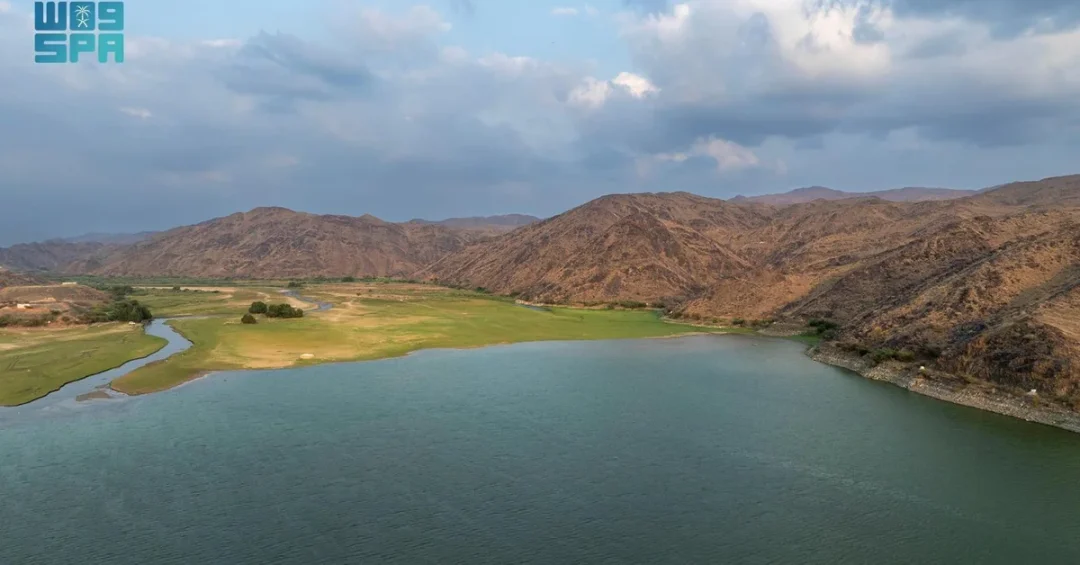
Al-Baha’s Al-Ahsabah Valley has become a celebrated natural landmark in Saudi Arabia, drawing residents and visitors alike with its calm waters, lush greenery, and unforgettable sunsets, according to the Saudi Press Agency (SPA). The official announcement, released on March 3, 2025, highlighted how the reflection of the setting sun on the valley’s tranquil waters blends with dense trees and flowing streams to create what SPA described as a “beautiful natural masterpiece.” The valley has firmly established itself as a favored seasonal getaway, particularly during the spring and winter months, offering a serene escape that showcases the Kingdom’s rich and diverse natural heritage.
The report from SPA, the Kingdom’s official news agency, underscores a growing national and international appreciation for Saudi Arabia’s environmental treasures. Al-Baha region, often called the “Pearl of the South,” is renowned for its mountainous terrain, moderate climate, and verdant landscapes that differ markedly from the desert vistas commonly associated with the Kingdom. Al-Ahsabah Valley stands out even within this remarkable region, its perennial waters and thick vegetation creating a microclimate that supports a variety of plant and animal life. This natural abundance is not only a source of local pride but also a cornerstone of the region’s emerging tourism economy, aligning with broader national efforts to diversify recreational offerings and promote domestic and international travel.
Context and Background
How did a single valley come to symbolize the natural beauty of an entire region? Al-Baha region, situated in the southwest of Saudi Arabia, has long been known for its distinct geography. Unlike the vast desert expanses that define much of the Arabian Peninsula, Al-Baha sits at high elevations, receiving more rainfall and enjoying cooler temperatures. This climatic advantage gives rise to lush valleys, known locally as wadis, that serve as natural oases. Al-Ahsabah Valley is one of the most prominent of these, its name evoking images of flowing water and abundant greenery. For generations, these valleys have been lifelines for local communities, supporting agriculture and providing gathering places during seasonal migrations.
The Saudi Press Agency’s recent feature is part of a sustained effort by official Saudi channels to document and share the Kingdom’s natural wonders with a global audience. SPA regularly publishes reports on heritage sites, environmental initiatives, and tourism developments, reflecting a national commitment to preserving and promoting Saudi Arabia’s diverse landscapes. The March 3, 2025, report on Al-Ahsabah Valley follows a series of similar dispatches that have spotlighted the region’s attractions, from the ancient villages of Thee Ain to the misty peaks of the Sarawat Mountains. These reports serve a dual purpose: they inform citizens and residents about domestic travel opportunities, and they signal to international audiences that Saudi Arabia is a destination of remarkable ecological and cultural richness.
Al-Baha’s valleys also hold historical significance. The region has been inhabited for millennia, with archaeological evidence pointing to ancient trade routes and settlements. The valleys provided water and fertile soil, enabling agriculture and sustaining communities along the incense trade routes that once connected southern Arabia to the Mediterranean. Today, the descendants of those communities maintain traditional farming practices, growing coffee, fruit, and aromatic plants. This living heritage adds depth to the visitor experience, transforming a scenic outing into a journey through time. The SPA report, while focused on the visual splendor of Al-Ahsabah Valley, implicitly acknowledges this layered history by presenting the valley as a destination that resonates with both natural and cultural meaning.
Key Details
What exactly makes Al-Ahsabah Valley so captivating? According to the SPA report, the valley’s appeal lies in a combination of elements: calm waters that mirror the sky, dense trees that provide shade and habitat, and flowing streams that sustain the ecosystem. During sunset, these features combine to create a spectacle that has been described as a natural masterpiece. The valley is particularly popular in spring and winter, when temperatures are mild and the landscape is at its most vibrant. Spring brings wildflowers and renewed growth, while winter rains replenish the streams and waterfalls, ensuring that the valley remains a green refuge even as surrounding areas dry out.
The report does not specify exact visitor numbers, but local tourism officials have noted a steady increase in footfall over recent years. This growth is attributed to improved road access, greater awareness through social media, and a national push to develop domestic tourism. The Saudi Ministry of Tourism has identified Al-Baha as a key destination within its regional development plans, and initiatives to enhance facilities, signage, and visitor services are underway. These efforts are designed to accommodate more visitors without compromising the valley’s ecological integrity. The SPA feature, by highlighting the valley’s beauty, contributes to this momentum, encouraging responsible exploration and appreciation.
Al-Ahsabah Valley is also part of a larger network of natural attractions in Al-Baha. Nearby, the Raghdan Forest, the Al-Baha Dam, and the Prince Mohammed bin Salman Nature Reserve offer complementary experiences. Together, they form a compelling itinerary for nature lovers. The reserve, established as part of the Saudi Green Initiative, protects endangered species such as the Arabian leopard and the Nubian ibex, and it promotes reforestation. Visitors to Al-Ahsabah Valley can therefore combine a relaxing sunset stroll with opportunities to learn about conservation. This integrated approach reflects a holistic vision for tourism that balances enjoyment with stewardship, a principle embedded in Saudi Arabia’s Vision 2030.
International and Regional Impact
Why should the world pay attention to a valley in southwestern Saudi Arabia? The answer lies in the broader transformation of the Kingdom’s tourism sector and its growing openness to international visitors. Al-Baha’s valleys, including Al-Ahsabah, are increasingly featured in global travel media and are accessible to holders of Saudi tourist visas. The Kingdom’s eVisa system, launched in 2019, has simplified entry for citizens of many countries, making it easier than ever to explore regions like Al-Baha. As a result, international travelers seeking authentic natural experiences are adding Al-Baha to their itineraries, often combining it with visits to Jeddah, Abha, and the Red Sea coast.
Regionally, Al-Baha’s natural beauty serves as a point of pride and a symbol of the Arabian Peninsula’s ecological diversity. Neighboring Gulf countries have their own mountainous regions, but Al-Baha’s combination of lush valleys, cool climate, and cultural heritage is unique. The SPA report, by sharing this treasure with a wider audience, reinforces Saudi Arabia’s role as a custodian of regional heritage and a leader in sustainable tourism. It also supports the objectives of the Gulf Cooperation Council (GCC) to promote intra-regional travel, as visitors from neighboring countries can easily reach Al-Baha by road or air. The valley thus becomes a small but meaningful piece of a larger narrative: one of cooperation, discovery, and shared appreciation for the environment.
Economic and Strategic Significance
How does a scenic valley contribute to a national economy? In Saudi Arabia, nature-based tourism is a growing sector with significant potential. Al-Baha’s valleys attract day-trippers and overnight guests who spend on local services such as guides, restaurants, and handicrafts. This spending supports small businesses and creates jobs, particularly for young people and women in rural areas. The Ministry of Tourism has reported that domestic tourism expenditure reached record levels in recent years, and nature destinations like Al-Baha are a key part of that growth. By promoting Al-Ahsabah Valley through official channels, SPA helps stimulate demand, which in turn encourages investment in hospitality infrastructure.
Strategically, the development of Al-Baha as a tourism destination aligns with the Kingdom’s goal of diversifying revenue sources away from oil. The National Tourism Strategy aims to increase tourism’s contribution to GDP from 3% to 10% by 2030, and to attract 100 million visits annually. Al-Baha’s natural assets are integral to achieving these targets. Moreover, the region’s focus on eco-tourism and cultural heritage appeals to high-value travelers who seek authentic experiences. This niche positioning complements the larger, entertainment-focused projects in other parts of the Kingdom, such as NEOM and the Red Sea Project. Al-Baha offers a different flavor of Saudi hospitality: intimate, nature-immersed, and rooted in local tradition.
Vision 2030 Alignment
How does a valley in Al-Baha connect to Saudi Arabia’s Vision 2030? The vision, launched in 2016 by Crown Prince Mohammed bin Salman, seeks to transform the Kingdom into a global hub for tourism, culture, and investment while preserving its natural and cultural heritage. Al-Baha’s valleys exemplify this balance. The Saudi Green Initiative, a pillar of Vision 2030, aims to plant 10 billion trees and protect 30% of the Kingdom’s land and sea by 2030. Al-Baha’s forests and valleys are part of this effort, with local reforestation projects and protected areas helping to conserve biodiversity. The SPA report on Al-Ahsabah Valley, though brief, contributes to the vision by raising awareness and encouraging responsible visitation.
Furthermore, the emphasis on domestic tourism and quality of life is central to Vision 2030’s social goals. By showcasing accessible natural wonders like Al-Ahsabah Valley, the Kingdom encourages citizens and residents to explore their own country, fostering national pride and healthier lifestyles. The valley’s popularity during spring and winter also supports the seasonal tourism calendar, which helps distribute visitor flows across regions and seasons. As Saudi Arabia continues to open up to the world, destinations like Al-Baha will play a vital role in telling the story of a diverse, welcoming, and forward-looking nation. The sunset over Al-Ahsabah Valley is not just a beautiful sight; it is a reflection of a Kingdom embracing its natural heritage as a cornerstone of its future.
20 Questions
Q1. What is Al-Ahsabah Valley and where is it located?
A1. Al-Ahsabah Valley is a scenic valley in the Al-Baha region of southwestern Saudi Arabia, known for its calm waters, lush greenery, and dense trees. It is a popular destination for residents and visitors seeking a natural getaway during spring and winter.
Q2. Why is Al-Ahsabah Valley considered a natural masterpiece?
A2. According to the Saudi Press Agency, the reflection of the sunset on the valley’s calm waters, combined with its flowing streams and dense vegetation, creates a stunning visual masterpiece that captivates all who visit.
Q3. What makes Al-Baha region different from other parts of Saudi Arabia?
A3. Al-Baha sits at high elevations, receiving more rainfall and enjoying cooler temperatures than most of the Kingdom. This climate supports lush valleys, forests, and a diversity of plant and animal life uncommon in desert regions.
Q4. When is the best time to visit Al-Ahsabah Valley?
A4. The valley is most popular during the spring and winter seasons, when temperatures are mild and the landscape is at its most vibrant. Winter rains replenish streams, while spring brings wildflowers and renewed growth.
Q5. How does Al-Ahsabah Valley support the local economy?
A5. The valley attracts tourists who spend on local services such as guides, restaurants, and handicrafts. This supports small businesses and creates jobs, contributing to the region’s economic development and aligning with Vision 2030 goals.
Q6. What role does the Saudi Press Agency play in promoting Al-Baha?
A6. SPA, the Kingdom’s official news agency, regularly publishes reports on natural and cultural attractions like Al-Ahsabah Valley. These reports inform domestic and international audiences, encouraging tourism and showcasing Saudi Arabia’s diverse heritage.
Q7. Are there other natural attractions near Al-Ahsabah Valley?
A7. Yes, nearby attractions include Raghdan Forest, Al-Baha Dam, and the Prince Mohammed bin Salman Nature Reserve. These sites offer complementary experiences such as hiking, wildlife viewing, and conservation education.
Q8. How can international tourists visit Al-Ahsabah Valley?
A8. International tourists can obtain a Saudi tourist visa through the eVisa system and travel to Al-Baha by domestic flights or road. The region has accommodation and guided tours available for visitors.
Q9. What is the significance of Al-Baha’s valleys in Saudi history?
A9. Al-Baha’s valleys have been inhabited for millennia, serving as lifelines for ancient communities and trade routes. They supported agriculture and settlements along the incense trade routes, leaving a rich archaeological and cultural legacy.
Q10. How does Al-Ahsabah Valley contribute to Saudi Arabia’s environmental goals?
A10. The valley is part of the Saudi Green Initiative, which aims to plant 10 billion trees and protect 30% of the Kingdom’s land and sea. Conservation efforts in Al-Baha help preserve biodiversity and combat desertification.
Q11. What types of plants and animals can be found in Al-Ahsabah Valley?
A11. The valley supports dense trees, wildflowers, and various bird species. Nearby reserves protect endangered animals like the Arabian leopard and Nubian ibex, making the area a haven for wildlife enthusiasts.
Q12. Is Al-Ahsabah Valley accessible for people with disabilities?
A12. Saudi tourism authorities are working to improve accessibility at natural sites. Visitors with specific needs should check with local tour operators for current facilities and assistance available at the valley.
Q13. What is the cultural significance of Al-Baha region?
A13. Al-Baha is known for its traditional villages, such as Thee Ain, and its living heritage of coffee farming, music, and crafts. The region’s culture reflects centuries of adaptation to a unique mountainous environment.
Q14. How does visiting Al-Ahsabah Valley align with Vision 2030?
A14. Vision 2030 promotes domestic tourism, quality of life, and environmental preservation. Visiting the valley supports these goals by boosting local economies, encouraging healthy recreation, and fostering appreciation for Saudi Arabia’s natural heritage.
Q15. Are there guided tours available in Al-Baha?
A15. Yes, local tour operators offer guided tours of Al-Baha’s valleys, heritage sites, and nature reserves. These tours provide insights into the region’s ecology, history, and culture, enhancing the visitor experience.
Q16. What is the weather like in Al-Baha throughout the year?
A16. Al-Baha enjoys a moderate climate due to its high elevation. Summers are mild compared to the rest of Saudi Arabia, while winters can be cool and rainy, making it a year-round destination with peak seasons in spring and winter.
Q17. How does the Saudi government protect Al-Baha’s natural environment?
A17. The government has established protected areas, such as the Prince Mohammed bin Salman Nature Reserve, and implements reforestation projects. Regulations also aim to balance tourism development with ecological conservation.
Q18. Can visitors swim in Al-Ahsabah Valley’s waters?
A18. The valley’s waters are generally calm but not designated for swimming. Visitors are encouraged to enjoy the scenery responsibly and follow any local guidelines to ensure safety and preserve the environment.
Q19. What impact has social media had on Al-Baha’s tourism?
A19. Social media has significantly raised awareness of Al-Baha’s beauty, attracting more visitors. This has boosted local tourism but also prompted authorities to manage visitor numbers and promote sustainable practices to protect the environment.
Q20. What does the future hold for Al-Baha’s valleys?
A20. With ongoing investment in sustainable tourism and conservation, Al-Baha’s valleys are poised to become a premier destination. They will continue to play a key role in Saudi Arabia’s tourism diversification and Vision 2030 goals.
Reader Feedback
We value your thoughts. Please share your feedback on this article.
Your feedback helps us improve our coverage.
Related articles
 AlUla Skies Festival 2025: Celestial Heritage and Discovery
 Grand Mosque Adds 400 Electric Carts for Ramadan Umrah
 Prophet’s Mosque Welcomes Over 5.2 Million Worshippers
 Fourth Group Completes Umrah Under Saudi Program
 Rural Farms in Rafha: A New Era of Saudi Tourism
 Dedicated Teams Ensure Comfort for Umrah Performers at Grand Mosque