


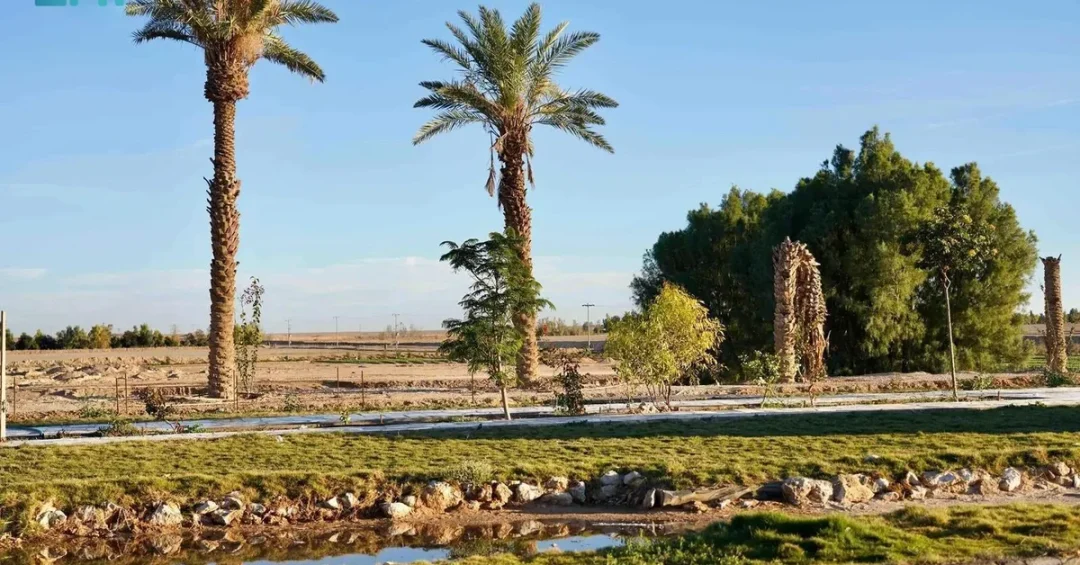
Rural farms in Rafha Governorate, located in the Northern Borders Region of Saudi Arabia, are emerging as sought-after tourist destinations, offering a blend of nature, entertainment, and cultural immersion that aligns with the Kingdom’s Vision 2030 tourism goals. According to the Saudi Press Agency (SPA), these farms are gaining popularity among visitors seeking a tranquil escape from urban life, while also contributing to the broader initiative to promote rural tourism across the Kingdom. The farms provide a unique experience that combines picturesque landscapes, fresh local cuisine, and ecological diversity, making them a compelling addition to Saudi Arabia’s expanding tourism offerings.
The rise of rural farms as tourist attractions reflects a strategic shift in Saudi Arabia’s tourism sector, which aims to diversify the economy and create new opportunities for local communities. Under Vision 2030, the Kingdom seeks to enhance the tourism sector and expand entertainment options for both residents and visitors. The Northern Borders Region, with its vast open spaces and natural beauty, is well-positioned to benefit from this trend. As more travelers seek authentic, off-the-beaten-path experiences, Rafha’s farms are stepping up to meet the demand, offering a glimpse into rural life and the rich cultural heritage of the region.
Context and Background
What makes Rafha’s rural farms stand out in Saudi Arabia’s evolving tourism landscape? The answer lies in their unique combination of natural beauty, agricultural heritage, and community-driven hospitality. Rafha Governorate, situated in the Northern Borders Region near the Iraqi border, has long been known for its agricultural activities, particularly in livestock rearing and date palm cultivation. In recent years, local farmers and families have begun opening their farms to visitors, transforming them into destinations that showcase the region’s rural charm. This grassroots movement is part of a larger national effort to promote rural tourism, a key pillar of Vision 2030’s tourism strategy.
The Saudi Press Agency reports that these farms offer a serene atmosphere and picturesque landscapes that appeal to visitors seeking respite from the fast pace of city life. The farms are not just scenic spots; they are working agricultural enterprises that provide fresh, locally sourced meals, allowing visitors to taste the authentic flavors of the region. This farm-to-table experience is increasingly popular among both domestic and international tourists who value sustainability and local produce. Moreover, the farms boast ecological diversity, including deer and various bird species, which adds an educational and recreational dimension to the visit.
The development of rural tourism in Rafha is also a response to growing demand for domestic travel options within Saudi Arabia. With the Kingdom investing heavily in tourism infrastructure, including airports, roads, and hospitality services, remote regions like the Northern Borders are becoming more accessible. The farms provide an alternative to traditional hotel stays, offering a more intimate and immersive experience. This trend is not limited to Rafha; similar initiatives are emerging across the Kingdom, from the Asir Mountains to the Al-Ahsa Oasis, as part of a nationwide push to diversify tourism products and attract a wider range of visitors.
Key Details
What exactly can visitors expect when they visit a rural farm in Rafha? According to SPA, the farms offer outstanding services, including freshly prepared meals made with locally sourced ingredients. This emphasis on local produce not only enhances the visitor experience but also supports the local economy by creating demand for regional agricultural products. The meals often feature traditional Saudi dishes, giving visitors a taste of the region’s culinary heritage. In addition to dining, the farms provide vast open spaces and scenic walking paths, ideal for nature walks, birdwatching, and simply enjoying the outdoors.
The ecological diversity of these farms is a major draw. Visitors can observe deer and various bird species in their natural habitats, making the farms a haven for wildlife enthusiasts and photographers. The presence of these animals indicates a healthy ecosystem and reflects the farmers’ commitment to sustainable practices. Many farms have also developed entertainment activities for families, such as children’s play areas, pony rides, and cultural events that showcase local traditions. These additions make the farms suitable for a wide range of visitors, from families with young children to solo travelers seeking peace and quiet.
Beyond tourism, rural farms play a crucial role in supporting the local economy. SPA notes that they help families working in the cottage industry and farmers market their goods, thereby promoting economic growth and supporting community development. This dual function—tourism and economic development—makes the farms a model for sustainable rural development. By selling their products directly to visitors, farmers can increase their income and reduce reliance on intermediaries. The cottage industry, which includes handicrafts, food products, and traditional items, also gains a platform to reach a broader audience, preserving cultural heritage while generating revenue.
International and Regional Impact
How do Rafha’s rural farms fit into the broader regional and international tourism landscape? The Northern Borders Region shares borders with Iraq and Jordan, making it a gateway for cross-border tourism. As security and diplomatic relations improve, the region could attract visitors from neighboring countries interested in exploring Saudi Arabia’s rural heartland. The farms offer a unique selling point: a safe, authentic, and affordable rural experience in a country that is rapidly opening up to international tourism. This could appeal to travelers from Europe, Asia, and the Americas who are looking for new destinations beyond the traditional hotspots of Riyadh, Jeddah, and AlUla.
Regionally, the success of Rafha’s farms could inspire similar initiatives in other parts of Saudi Arabia and the Gulf Cooperation Council (GCC) countries. The model of integrating agriculture, tourism, and community development is replicable and aligns with global trends in sustainable and experiential travel. International organizations such as the United Nations World Tourism Organization (UNWTO) have highlighted the potential of rural tourism to drive inclusive growth and preserve cultural heritage. By showcasing its rural tourism offerings, Saudi Arabia can position itself as a leader in this niche market, attracting travelers who value authenticity and sustainability.
Economic and Strategic Significance
What economic benefits do rural farms bring to Rafha and the wider Northern Borders Region? The farms stimulate local economies by creating jobs in hospitality, agriculture, and related services. They also provide a market for local products, from food to handicrafts, helping to keep money within the community. This is particularly important in rural areas where employment opportunities may be limited. The Saudi government, through various agencies, supports such initiatives as part of its efforts to diversify the economy away from oil dependence. The farms contribute to the growth of the tourism sector, which is a key pillar of Vision 2030 and a major source of future employment for Saudi youth.
Strategically, the development of rural tourism in Rafha supports the Kingdom’s goals of regional development and balanced growth. By attracting visitors to the Northern Borders, the government can encourage investment in infrastructure and services that benefit local residents as well. This includes improved roads, utilities, and telecommunications, which are essential for both tourism and daily life. Furthermore, the farms serve as cultural ambassadors, showcasing Saudi hospitality and traditions to a global audience. This helps to enhance the Kingdom’s image abroad and foster people-to-people connections, which are vital for international relations.
Vision 2030 Alignment
How do Rafha’s rural farms align with Saudi Vision 2030? Vision 2030 aims to diversify the economy, increase tourism’s contribution to GDP, and create a vibrant society. The farms directly support these objectives by offering new tourism products, generating income for local communities, and preserving cultural and natural heritage. The Saudi Press Agency reports that the initiative to promote rural tourism is part of a broader strategy to enhance the tourism sector and expand entertainment options. By empowering local families and farmers, the farms also contribute to social development and economic inclusion, which are central to Vision 2030’s goals.
Looking ahead, the continued growth of rural tourism in Rafha and other regions will depend on sustained investment, marketing, and training. The government, through the Ministry of Tourism and other agencies, is likely to provide support in the form of grants, training programs, and promotional campaigns. As more visitors discover the charms of Rafha’s farms, the region can look forward to a future where agriculture and tourism thrive together, creating a sustainable and prosperous rural economy. This vision is not just about economic gains; it is about preserving a way of life and sharing it with the world, in line with the Kingdom’s proud heritage and forward-looking ambitions.
20 Questions
Q1. What are rural farms in Rafha Governorate?
A1. Rural farms in Rafha are agricultural properties that have been opened to visitors as tourist destinations, offering a blend of nature, entertainment, and cultural experiences. They are part of a broader initiative to promote rural tourism in Saudi Arabia.
Q2. Where is Rafha Governorate located?
A2. Rafha Governorate is in the Northern Borders Region of Saudi Arabia, near the border with Iraq. It is known for its agricultural activities, including livestock rearing and date palm cultivation.
Q3. Why are these farms gaining popularity?
A3. They offer a peaceful escape from city life, with picturesque landscapes, fresh local cuisine, and ecological diversity. Visitors are increasingly seeking authentic rural experiences, and the farms meet this demand.
Q4. What services do the farms provide?
A4. The farms provide freshly prepared meals using locally sourced ingredients, scenic walking paths, and opportunities to observe wildlife such as deer and various bird species. Some also offer entertainment activities for families.
Q5. How do the farms support the local economy?
A5. They help families in the cottage industry and farmers market their goods, creating income opportunities and promoting economic growth. This supports community development and reduces reliance on intermediaries.
Q6. What is the significance of the farms for Vision 2030?
A6. They align with Vision 2030 by enhancing the tourism sector, expanding entertainment options, and diversifying the economy. They also contribute to social development and cultural preservation.
Q7. What kind of food is served at the farms?
A7. The farms serve freshly prepared meals made with locally sourced ingredients, often featuring traditional Saudi dishes. This farm-to-table approach ensures freshness and supports local agriculture.
Q8. Are the farms suitable for families?
A8. Yes, many farms offer entertainment activities for children, such as play areas and pony rides, making them ideal for family outings. The safe and serene environment is also appealing to parents.
Q9. What wildlife can visitors see?
A9. Visitors can see deer and various bird species in their natural habitats. The presence of these animals reflects the ecological health of the farms and adds to the educational value of the visit.
Q10. How do the farms contribute to cultural immersion?
A10. They showcase local traditions, handicrafts, and cuisine, allowing visitors to experience the authentic rural culture of the Northern Borders Region. This helps preserve heritage and share it with a wider audience.
Q11. Who can visit these farms?
A11. The farms are open to all visitors, including domestic and international tourists, families, and solo travelers. They offer a safe and welcoming environment for everyone.
Q12. What is the role of the Saudi Press Agency in reporting this?
A12. The Saudi Press Agency (SPA) is the official news agency of Saudi Arabia. It reported on the emergence of rural farms in Rafha as tourist destinations, highlighting their alignment with Vision 2030.
Q13. How do the farms promote sustainable tourism?
A13. By using local ingredients, preserving natural habitats, and involving the community, the farms promote sustainable practices. This ensures that tourism benefits both the environment and local people.
Q14. What economic opportunities do the farms create?
A14. They create jobs in hospitality, agriculture, and services, and provide a market for local products. This stimulates the local economy and supports entrepreneurship, especially among women and youth.
Q15. Are there similar initiatives elsewhere in Saudi Arabia?
A15. Yes, rural tourism initiatives are emerging across the Kingdom, from Asir to Al-Ahsa, as part of a national strategy to diversify tourism offerings and promote regional development.
Q16. What infrastructure supports these farms?
A16. Improved roads, airports, and telecommunications in the Northern Borders Region make the farms accessible. The government continues to invest in infrastructure to boost tourism.
Q17. How can visitors book a visit to these farms?
A17. Visitors can typically book through local tourism platforms or directly with the farms. As the sector grows, more booking options are becoming available online.
Q18. What makes Rafha’s farms unique compared to other destinations?
A18. Their combination of agricultural authenticity, ecological diversity, and cultural hospitality sets them apart. They offer a genuine rural experience that is hard to find in more commercialized destinations.
Q19. How do the farms preserve local heritage?
A19. By showcasing traditional crafts, foods, and customs, the farms keep local heritage alive. They also involve community members in tourism activities, ensuring cultural continuity.
Q20. What is the future outlook for rural tourism in Rafha?
A20. With continued government support and growing visitor interest, rural tourism in Rafha is poised for expansion. It will likely become a key contributor to the region’s economy and a model for sustainable development.
Reader Feedback
We value your thoughts. Please share your feedback on this article.
Your feedback helps us improve our coverage.
Related articles
 Dedicated Teams Ensure Comfort for Umrah Performers at Grand Mosque
 Saudi Arabia Captivates ITB Berlin with Immersive ‘Saudi Land
 Prophet’s Mosque Perfumed with 40 Daily Tours in Ramadan
 Madinah Bus Launches 24/7 Ramadan Route to Prophet’s Mosque
 Saudi Ministry of Tourism Boosts Hotel Inspections in Makkah, Madinah
 Saudi ACP Launches Direct Stuttgart-Jeddah Flights